

- Englist



High Purity Graphite Rod – Essential Material for Modern Industry & Sustainability

Understanding the High Purity Graphite Rod: A Critical Material in Modern Industry
The term high purity graphite rod might sound niche or specialized—because it is. But this key material quietly underpins some of the most cutting-edge industries today. From batteries powering electric vehicles to electrodes in crucial industrial processes, high purity graphite rods are indispensable. Grasping what they are, why they matter globally, and their core benefits opens a window into sustainable innovation and advanced manufacturing that shape our future.
Introduction: The Global Importance of High Purity Graphite Rods
Worldwide demand for high purity graphite rods has surged in recent years, fuelled by the push towards renewable energy and electronics miniaturization. According to the United Nations Environment Programme and data from the World Bank, materials like graphite are pivotal in reducing carbon emissions via electrification and green technologies. Yet, graphite's natural form is often insufficient for high-tech applications due to impurities. Hence, the need for high purity graphite rods—specially processed to meet rigorous standards. The challenge? Balancing purity with scalable production to keep pace with growing industry needs.
What Is a High Purity Graphite Rod?
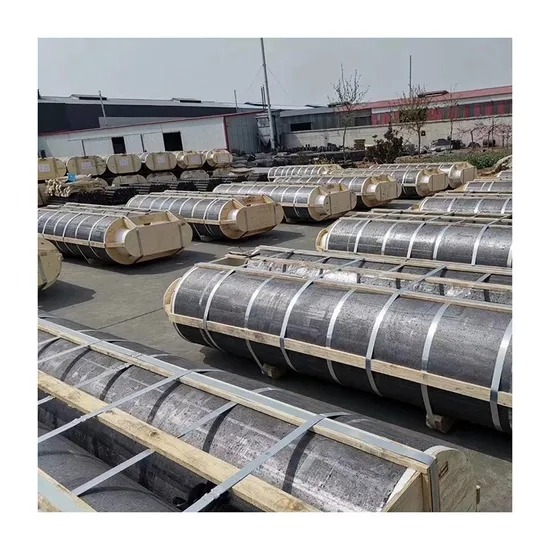
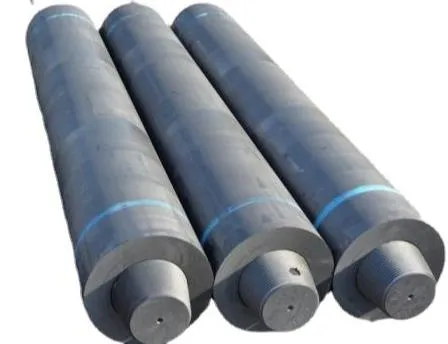
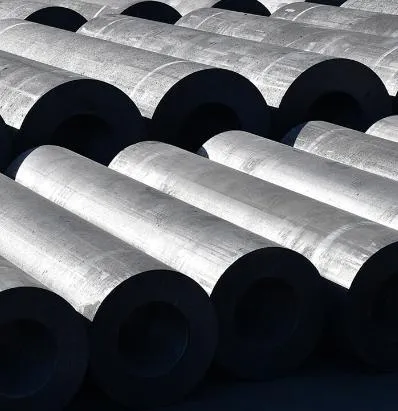
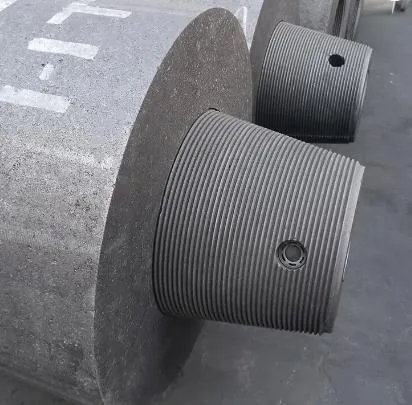
Simply put, a high purity graphite rod is a cylindrical piece of graphite material refined to contain extremely low levels of impurity—often 99.9% or higher purity. This refinement ensures consistent electrical conductivity, thermal stability, and mechanical strength, essential in both industrial and humanitarian devices. From aerospace components to medical equipment, these rods are the backbone for reliable, high-performance applications, bridging technology and practical functionality.
Key Characteristics of High Purity Graphite Rods
1. Purity and Composition
The defining feature is obviously the purity level. Higher purity means fewer metallic or non-carbon impurities, improving the rod's conductivity and durability under extreme conditions. For example, graphite used in lithium-ion battery anodes demands ultra-high purity to avoid chemical degradation.
2. Thermal Stability
Graphite rods can withstand very high temperatures without losing structural integrity—making them ideal for use in high-temperature industrial reactors or electronics that operate at elevated levels.
3. Mechanical Strength and Durability
It’s easy to underestimate this, but durability matters. High purity rods resist cracking or chipping, which is critical when they’re used as electrodes in electric arc furnaces or in delicate instrumentation.
4. Electrical Conductivity
Many engineers swear by graphite rods’ reliable conductivity, especially in energy storage and transmission technologies. Low-resistance paths mean better efficiency and performance.
5. Customizability
Graphite rods can be tailored in length, diameter, and grade depending on the application, making them versatile components in manufacturing and engineering.
| Specification | Typical Value | Units |
|---|---|---|
| Carbon Purity | ≥99.9 | wt % |
| Electrical Resistivity | μΩ·m | |
| Flexural Strength | ≥35 | MPa |
| Maximum Operating Temp. | 3000 | °C |
Global Applications & Use Cases
It’s fascinating how versatile these rods are across continents and sectors. In East Asia, especially Japan and South Korea, high purity graphite rods are foundational in advanced semiconductor production. Europe uses them extensively in battery manufacturing to accelerate clean energy adoption. The Americas rely on them for aerospace and defense technologies.
Even humanitarian projects use graphite components—think about remote clinics needing sterilization equipment or water purification systems where durable, conductive rods play a role in crucial sensors. Post-disaster industrial recovery often leans on these materials, since they combine durability with scalability.
Vendor Comparison: Top Suppliers of High Purity Graphite Rods
| Vendor | Purity (%) | Customization Options | Lead Time (Weeks) | Price Range (USD/kg) |
|---|---|---|---|---|
| GraphitePro Inc. | 99.95 | Length, diameter, grade | 3–4 | 150–250 |
| PureCarbon Co. | 99.9 | Diameter only | 2–3 | 140–220 |
| NL Graphite | ≥99.9 | Custom size & grade | 4–5 | 160–280 |
Advantages & Long-Term Value of High Purity Graphite Rods
One major advantage is reliability. Knowing your graphite rod won't fail under extreme electrical or thermal stress provides real peace of mind. There’s also sustainability: industries using high purity rods often reduce waste thanks to fewer material failures, which is a small but notable step toward greener manufacturing.
From an emotional standpoint, think of the dignity and safety these materials help maintain—whether in lifesaving medical devices or clean energy products. Trusted innovation builds client confidence and lays groundwork for continual progress.
Future Trends & Innovations
Looking ahead, high purity graphite rods are poised to evolve alongside green energy initiatives. Researchers are exploring graphene-infused graphite rods that could further enhance conductivity and strength. Automation in manufacturing is also improving consistency, while regulations from ISO and environmental bodies emphasize eco-friendly processing. Oddly enough, the push towards digital transformation means even raw materials like graphite are on track to become “smart” components with embedded sensors.
Challenges & Expert Solutions
Challenges persist such as balancing production cost with purity, plus supply chain bottlenecks for raw materials. However, innovative solutions emerge regularly: novel purification methods like chemical vapor deposition and tighter quality controls help mitigate these issues. Collaboration between academia and industry accelerates progress, ensuring the rods meet evolving standards without price spikes.
FAQ: Frequently Asked Questions About High Purity Graphite Rods
- Q: What applications require the highest purity graphite rods?
A: Battery anodes, semiconductor fabrication, and advanced aerospace components often demand the highest purity levels (≥99.9%) to avoid contamination that could impair performance. - Q: How do high purity graphite rods compare in cost to standard graphite?
A: They typically cost 20–50% more due to additional refining and quality assurance steps, but the longevity and performance gains usually justify the investment. - Q: Can these graphite rods be customized for specific industrial processes?
A: Yes, many vendors, including NL Graphite, offer custom diameters, lengths, and grades to suit various applications. - Q: What environmental considerations are there in graphite rod production?
A: Processing can be energy-intensive, but greener purification techniques and better waste management are becoming industry norms guided by ISO standards.
Conclusion
In real terms, high purity graphite rods are much more than just a refined carbon product. They represent a cornerstone material weaving through the fabric of global technological advancement and sustainability. For businesses or engineers looking to invest in materials that promise both durability and cutting-edge performance, understanding and sourcing quality graphite rods is essential. Curious to explore high purity graphite rods firsthand? Visit our website: https://www.nlgraphite.com
Mini takeaway: High purity graphite rods marry purity with performance, enabling safer, more sustainable industries worldwide.
References
 Pervious
 Next
Next