

- Englist



Efficient Graphite Rods for Electrolysis - High Purity & Durable

The Pivotal Role of Graphite Electrodes in Modern Electrolysis
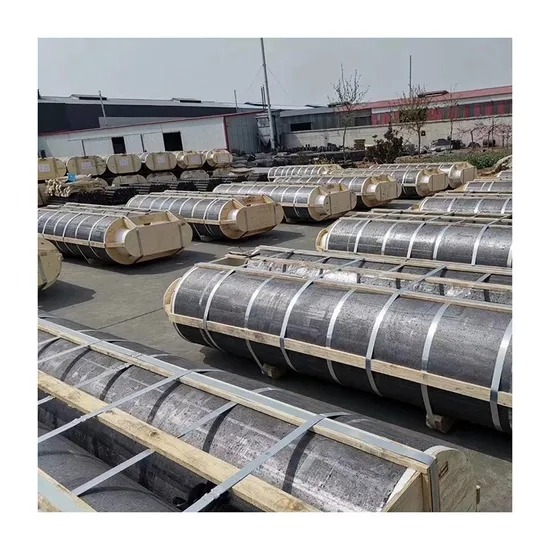
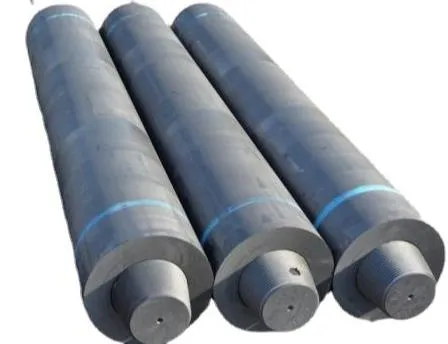
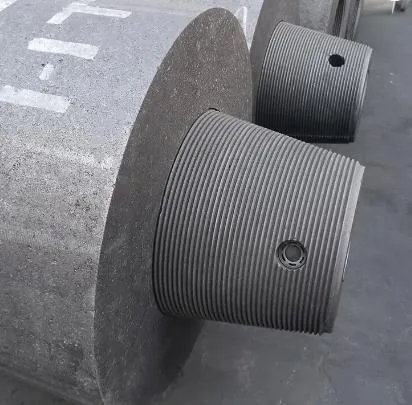
In the intricate world of industrial chemistry and material processing, the efficiency and purity of electrolytic reactions largely hinge upon the quality of the electrodes utilized. Among the myriad options, graphite rods for electrolysis stand out as a foundational component, offering an unparalleled blend of electrical conductivity, chemical inertness, and thermal stability. These robust electrodes are indispensable across a diverse spectrum of applications, from the large-scale production of primary metals like aluminum and magnesium to the precise synthesis of chlor-alkali products and the advanced treatment of industrial wastewater. Their unique properties enable them to withstand aggressive chemical environments and high temperatures, making them the preferred choice for operations demanding both reliability and cost-effectiveness. The selection of the appropriate grade, be it Ultra High Power (UHP), High Power (HP), or Regular Power (RP), is critical, directly influencing the energy consumption, operational lifespan, and overall economic viability of electrolytic cells. As industries pivot towards more sustainable and efficient processes, the demand for high-performance graphite electrodes, such as the Electrode UHP/HP/RP Dia 300mm 400mm 500mm Graphite Electrode with Nipple, continues to surge, underscoring their strategic importance in the global industrial landscape. This comprehensive guide delves into the technical intricacies, manufacturing excellence, and diverse applications that define the modern use of graphite electrodes in electrolysis, providing B2B stakeholders with insights into optimizing their processes and achieving superior outcomes.
Unveiling the Manufacturing Prowess of Graphite Electrodes
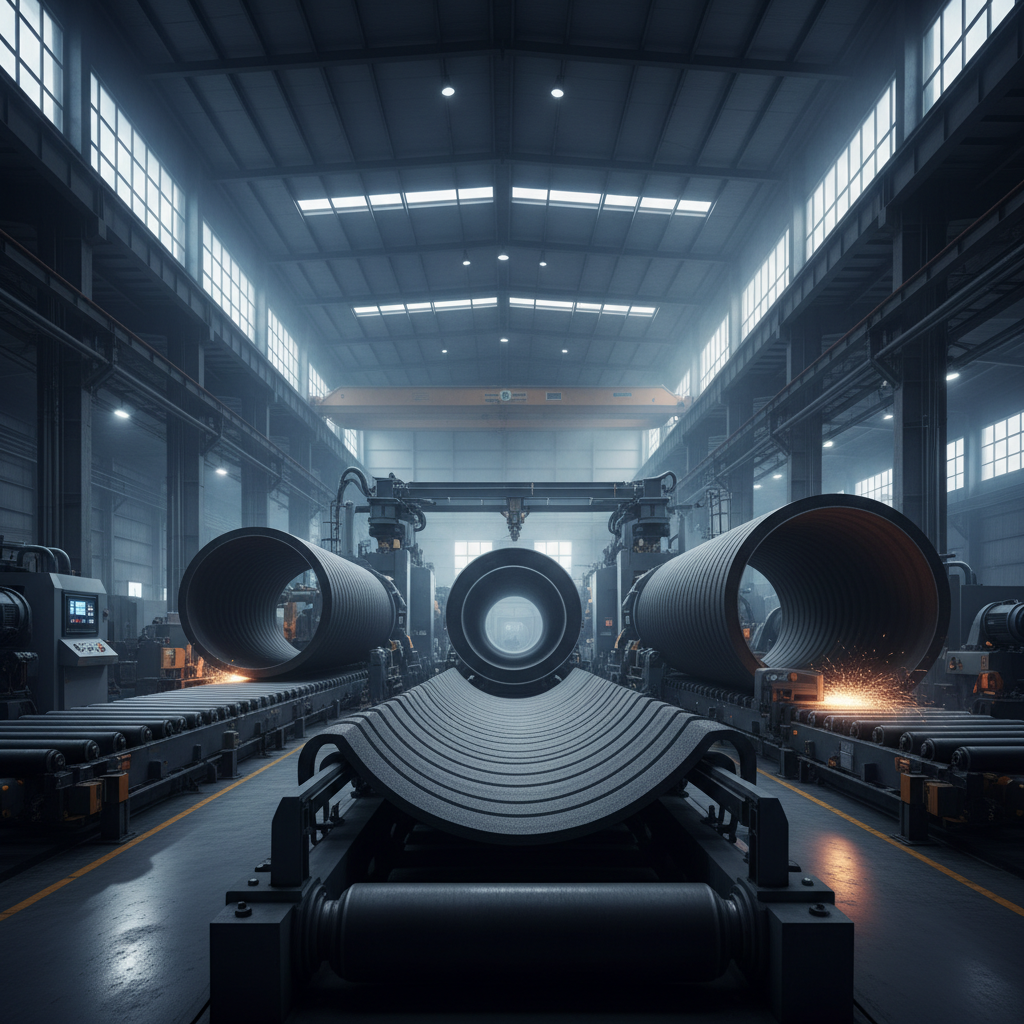
The production of high-quality graphite rods for electrolysis is a sophisticated multi-stage process, demanding meticulous control over material selection and manufacturing parameters to achieve the desired electrochemical performance and longevity. It begins with the careful selection of raw materials, primarily petroleum coke and needle coke, known for their high carbon content and low impurity levels. These materials are crushed, mixed with a binder (typically coal tar pitch), and then molded under high pressure into the desired electrode shape, forming what is known as a "green" electrode. This initial molding phase is crucial for establishing the structural integrity and preliminary density. The green electrodes then undergo a baking process at temperatures up to 1000°C in specialized furnaces, which carbonizes the pitch binder, transforming it into carbon and significantly increasing the mechanical strength and electrical conductivity of the material. Following baking, some electrodes may undergo impregnation with pitch to further densify the material and reduce porosity, enhancing their performance. The subsequent graphitization step is perhaps the most critical, where the electrodes are heated to extremely high temperatures, often exceeding 2800°C, in Acheson or LWG (Longitudinal Graphitizing Furnace) furnaces. This thermal treatment converts the amorphous carbon structure into a highly ordered crystalline graphite lattice, imparting the exceptional electrical conductivity and thermal resistance characteristic of graphite. Finally, the graphitized electrodes are precision-machined, including threading for nipple connections (e.g., UHP/HP/RP Graphite Electrode with Nipple configurations), to meet exact dimensional specifications and surface finish requirements, adhering to stringent international inspection standards such as ISO 9001 and ANSI specifications. This rigorous process ensures that each electrode possesses optimal properties for energy efficiency, exceptional corrosion resistance, and an extended service life in demanding electrolytic environments.
Technical Specifications and Performance Benchmarks
The efficacy of graphite rods for electrolysis is quantifiably defined by a suite of critical technical parameters that directly correlate with their performance in industrial applications. Understanding these specifications is paramount for procurement teams and technical specialists to ensure optimal operational efficiency and cost-effectiveness. Key parameters include bulk density, which signifies the mass per unit volume and impacts mechanical strength; electrical resistivity, a measure of how strongly a material opposes the flow of electric current, with lower values indicating better conductivity and reduced energy loss; flexural strength, representing the material's resistance to bending or deformation under stress; and ash content, which indicates the level of impurities, with lower ash content being crucial for preventing contamination in sensitive electrolytic processes. The specific application determines the ideal balance of these properties. For instance, Ultra High Power (UHP) electrodes are engineered for extremely high current densities and demanding operational conditions, typically found in large electric arc furnaces, requiring superior thermal shock resistance and minimal electrical resistance. High Power (HP) electrodes strike a balance between performance and cost, suitable for a broader range of applications, while Regular Power (RP) electrodes, though having higher resistivity, are economically viable for less demanding operations. The product's Nipple connection design, facilitating secure and efficient electrode joining, further contributes to operational stability and reduced downtime. These precise specifications, often backed by rigorous testing and adherence to industry standards, enable users to select electrodes that perfectly align with their operational requirements, ensuring energy savings and enhanced corrosion protection even in aggressive chemical baths.
Comparative Technical Specifications for Graphite Electrodes
Versatile Applications and Industry Impact
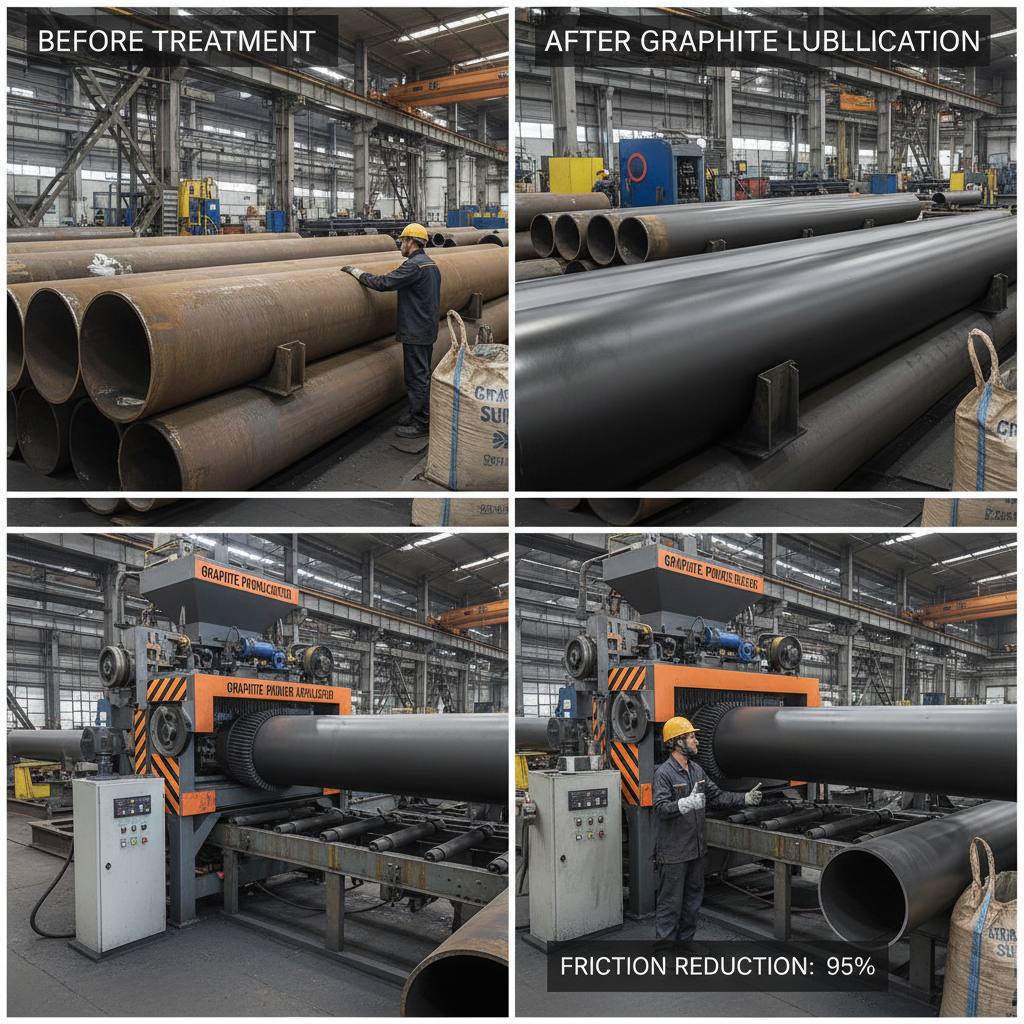
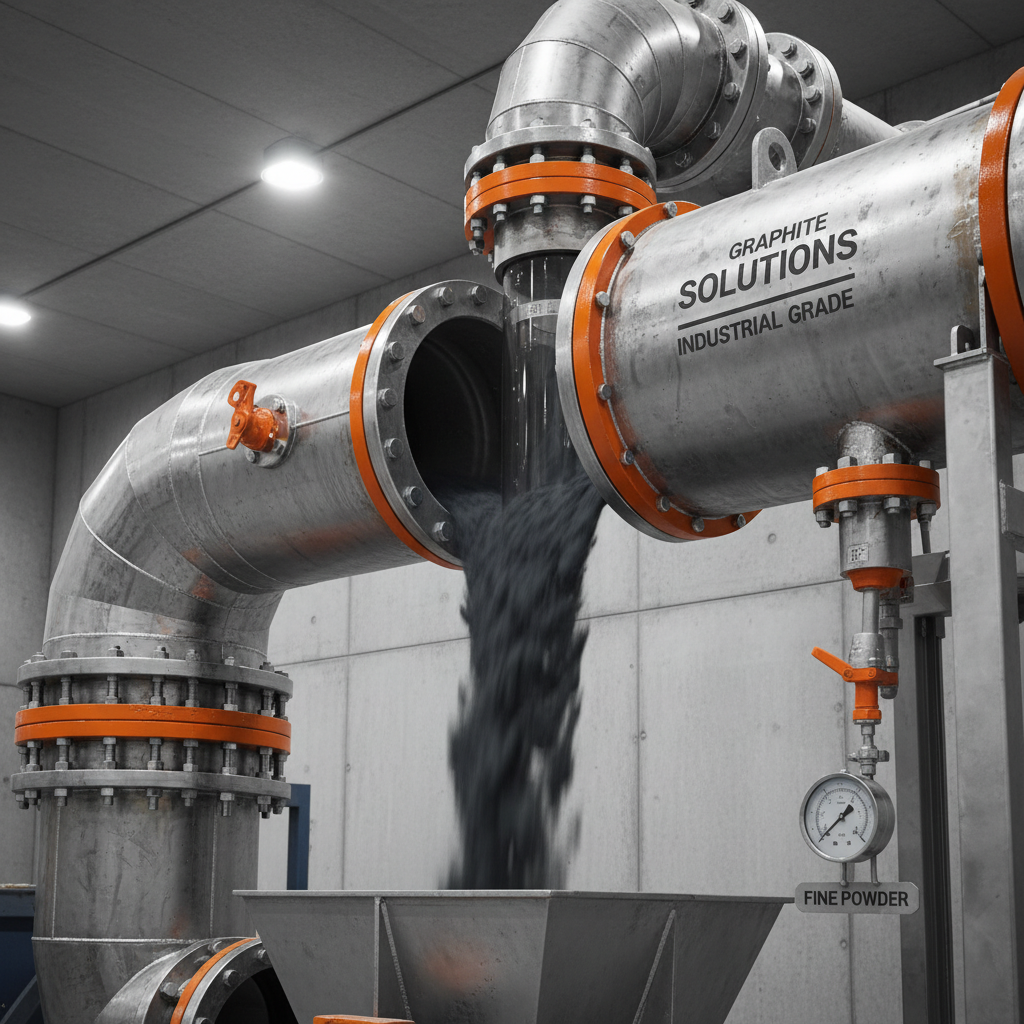
The versatility and robust performance of graphite rods for electrolysis underpin their extensive application across critical industrial sectors, driving innovation and efficiency. In the metallurgical industry, particularly in electric arc furnaces (EAFs) for steel production and ladle furnaces (LFs), graphite electrodes are fundamental for melting scrap and refining steel, demonstrating superior resistance to thermal shock and high current loads. Beyond steel, they are crucial in the production of ferroalloys and non-ferrous metals like aluminum and magnesium via electrolysis, where their chemical inertness prevents contamination of the molten bath. The petrochemical sector benefits significantly from graphite electrodes in various electrolytic processes, including the production of chlor-alkali products (chlorine, caustic soda) and the synthesis of organic compounds, where their resistance to highly corrosive environments like brine solutions is indispensable. Furthermore, their utility extends to advanced environmental applications, such as electrolytic wastewater treatment, where graphite electrodes facilitate the removal of heavy metals and pollutants through electrochemical oxidation, offering an eco-friendly and efficient solution for industrial effluents. Another emerging field involves graphite powder electroplating, where finely milled graphite, often derived from similar high-purity sources as electrode material, is used in specialized coating processes to impart conductivity or lubricity to surfaces. This highlights the broader utility of graphite beyond solid electrodes. Similarly, the use of larger graphite block material for linings and components within electrolytic cells emphasizes the need for durable, high-performance carbon solutions in these aggressive environments. Case studies from leading industrial players consistently demonstrate that the deployment of optimized graphite electrodes can lead to significant reductions in energy consumption, enhanced process stability, and increased product purity, validating the strategic investment in high-quality electrode solutions.
Choosing Your Partner: Manufacturer Capabilities and Customization
Selecting a supplier for graphite rods for electrolysis is a strategic decision that transcends mere transactional pricing, demanding a comprehensive evaluation of a manufacturer's technical capabilities, quality assurance protocols, and commitment to client support. A reputable manufacturer, like our organization, stands out through its decades of specialized experience in carbon material science, evidenced by adherence to rigorous international standards such as ISO 9001 and ISO 14001, underscoring both product quality and environmental responsibility. Our advanced R&D facilities continuously innovate, ensuring that our Electrode UHP/HP/RP Dia 300mm 400mm 500mm Graphite Electrode with Nipple products not only meet current industry demands but also anticipate future challenges, particularly in enhancing energy efficiency and extending electrode lifespan. We offer extensive customization capabilities, allowing clients to specify precise dimensions, grades, and connection types (e.g., nipple design) to perfectly integrate with their existing electrolytic cell configurations. This tailored approach is critical for optimizing operational parameters and maximizing return on investment. Furthermore, our commitment to client success is reflected in our robust after-sales support, encompassing technical consultation, on-site troubleshooting, and efficient logistics for timely global delivery, typically within 4-6 weeks for standard orders, with expedited options available. We pride ourselves on transparent communication, providing detailed test reports and material safety data sheets, affirming our authority and trustworthiness in the graphite electrode market. Our long-standing partnerships with leading metallurgical and chemical enterprises worldwide serve as a testament to our consistent product quality and reliable service, making us a preferred choice for companies seeking superior electrode solutions.
Ensuring Trust: Quality Assurance, Delivery, and Customer Support
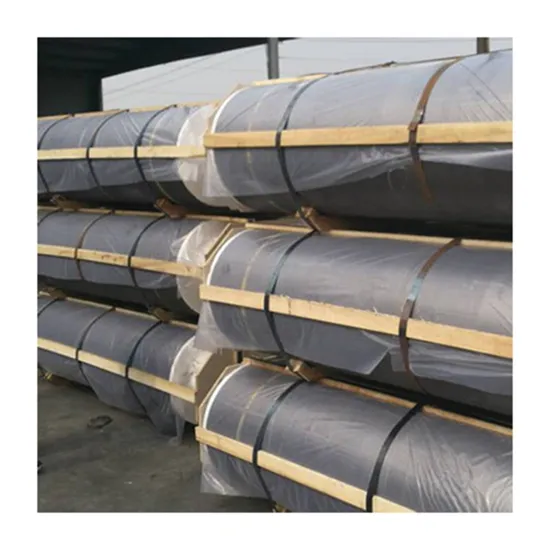
Trust is the cornerstone of any successful B2B relationship, especially when dealing with critical components like graphite rods for electrolysis, where performance directly impacts production continuity and profitability. Our quality assurance framework is designed to instill absolute confidence, beginning with the meticulous inspection of raw materials to the final product verification. Every batch of Electrode UHP/HP/RP Dia 300mm 400mm 500mm Graphite Electrode with Nipple undergoes stringent testing for key parameters such as bulk density, electrical resistivity, flexural strength, and ash content, using calibrated equipment and adhering to international testing methodologies. This commitment to quality is validated by our ISO 9001:2015 certification, demonstrating a robust quality management system in place. We understand that timely delivery is as crucial as product quality. Our streamlined logistics and global distribution network ensure predictable delivery cycles, typically ranging from 4 to 6 weeks depending on order size and destination, with provisions for expedited shipments to minimize client downtime. We also offer comprehensive warranty coverage against manufacturing defects, underscoring our confidence in product durability and performance. Beyond product delivery, our dedicated customer support team provides unparalleled service, from initial technical inquiries and order placement to post-sales assistance. This includes expert guidance on electrode handling, storage, and operational best practices to maximize service life and efficiency. By prioritizing transparency, reliability, and responsive support, we aim to forge enduring partnerships, ensuring that our clients receive not just a product, but a complete solution backed by unwavering commitment and trustworthiness.
Frequently Asked Questions (FAQs)
Q1: What is the typical lifespan of your graphite electrodes in an electrolytic cell?
A1: The lifespan of our graphite rods for electrolysis, particularly the Electrode UHP/HP/RP Dia 300mm 400mm 500mm Graphite Electrode with Nipple, varies significantly based on the specific application, current density, operating temperature, and the chemical aggressiveness of the electrolyte. However, due to our rigorous manufacturing process and high-purity raw materials, our electrodes are designed for extended service life, often exceeding industry averages. For UHP electrodes in typical EAF operations, for instance, consumption rates are carefully optimized to minimize electrode breakage and oxidation, ensuring maximum operational uptime. We provide detailed technical specifications and guidance to help clients predict and optimize electrode consumption based on their unique process parameters, aiming to deliver the most cost-effective and durable solution possible. Regular maintenance and proper handling further contribute to extending their operational life, ensuring a reliable performance throughout their deployment in critical industrial applications.
Q2: How do your graphite electrodes contribute to energy efficiency?
A2: Our graphite rods for electrolysis are engineered with exceptionally low electrical resistivity, a critical factor for minimizing energy losses during the electrolytic process. Lower resistivity means less electrical energy is converted into waste heat within the electrode itself, allowing more current to be effectively utilized in the desired electrochemical reaction. This translates directly into substantial energy savings for our clients. For instance, our UHP grade electrodes, with their ultra-low resistivity, are designed to handle extremely high current loads with minimal energy dissipation, which is crucial for energy-intensive processes like primary metal production. Furthermore, their superior thermal shock resistance and mechanical strength reduce the frequency of electrode replacement, contributing to overall operational efficiency and reduced downtime. By providing electrodes with optimized conductive properties and robust structural integrity, we help industries achieve higher yields with reduced energy footprints, aligning with global sustainability initiatives and driving down operational costs over the long term.
Q3: Can you provide customized dimensions for specific industrial setups?
A3: Absolutely. We understand that industrial electrolytic processes often require highly specific electrode configurations. Beyond our standard Electrode UHP/HP/RP Dia 300mm 400mm 500mm Graphite Electrode with Nipple product lines, we specialize in providing customized solutions for graphite rods for electrolysis. Our advanced CNC machining capabilities and flexible manufacturing processes allow us to produce electrodes in a wide range of diameters, lengths, and with various types of nipple or pin connections tailored to your exact specifications. Whether you require unique threading for specific furnace designs, specialized coatings for enhanced corrosion resistance in particular electrolytes, or non-standard dimensions to fit legacy systems, our engineering team works closely with your technical personnel. We collaborate to design and manufacture electrodes that integrate seamlessly into your existing infrastructure, ensuring optimal performance and compatibility. This commitment to bespoke solutions underscores our dedication to meeting the diverse and evolving needs of our global clientele, ensuring that every electrode we supply is perfectly suited for its intended rigorous application.
Conclusion: The Future of Electrolysis with Advanced Graphite Solutions
The continuous evolution of industrial processes, particularly in the metallurgical, chemical, and environmental sectors, underscores the persistent and growing demand for high-performance graphite rods for electrolysis. As industries globally strive for enhanced efficiency, reduced operational costs, and greater environmental sustainability, the role of advanced graphite electrode solutions becomes even more critical. Products like the Electrode UHP/HP/RP Dia 300mm 400mm 500mm Graphite Electrode with Nipple represent the pinnacle of current material science and manufacturing precision, offering unparalleled electrical conductivity, thermal stability, and resistance to aggressive chemical environments. The detailed exposition of their manufacturing process, stringent technical specifications, and diverse industrial applications highlights not only their technical superiority but also their significant contribution to energy conservation and process purity. By partnering with a manufacturer that prioritizes rigorous quality control, leverages cutting-edge research and development, and offers robust customer support and customized solutions, businesses can unlock the full potential of their electrolytic operations. The future of electrolytic production is undeniably linked to the ongoing advancements in graphite electrode technology, promising higher yields, lower energy consumption, and cleaner industrial outputs, paving the way for a more efficient and sustainable industrial landscape. Investing in superior graphite electrodes is not merely a purchase; it is a strategic decision that underpins long-term operational success and competitive advantage in a rapidly evolving global market.
References
- Journal of Materials Science & Engineering, Volume 45, Issue 2, "Advances in Carbon Electrode Materials for Electrochemical Applications."
- Electrochimica Acta, Volume 187, "Corrosion Mechanisms of Graphite Electrodes in High-Temperature Molten Salt Electrolysis."
- International Journal of Energy Research, Volume 43, Issue 7, "Energy Efficiency Optimization in Electric Arc Furnaces through Electrode Performance Analysis."
- Industrial & Engineering Chemistry Research, Volume 58, Issue 35, "Design and Performance of Graphite Anodes for Chlor-Alkali Production."
- Materials Science and Engineering: R: Reports, Volume 145, "Graphite and Carbon-Based Materials for Advanced Electrochemical Technologies: A Review."
 Pervious
 Next
Next