

- Englist



Electrodes Graphite: A Key Component in Industrial Processes

Understanding the Role of Electrodes Graphite in Modern Industries
It's funny, you know, how often these seemingly simple materials underpin everything. Electrodes Graphite… it’s not something most people think about, but it’s absolutely critical in a huge range of applications. I’ve spent a lot of time lately looking at how businesses are adapting and what they’re really looking for in these components. Frankly, it’s often about finding a balance between cost, durability, and consistent performance. There’s a lot of talk about efficiency gains, of course, but at the end of the day, it comes down to reliability. And that's where graphite electrodes shine.
Table of Contents
- Electrodes Graphite: A Deep Dive
- Applications and Performance Benefits
- Cost Analysis & Vendor Landscape
- The Future of Graphite Electrodes
Electrodes Graphite: A Deep Dive
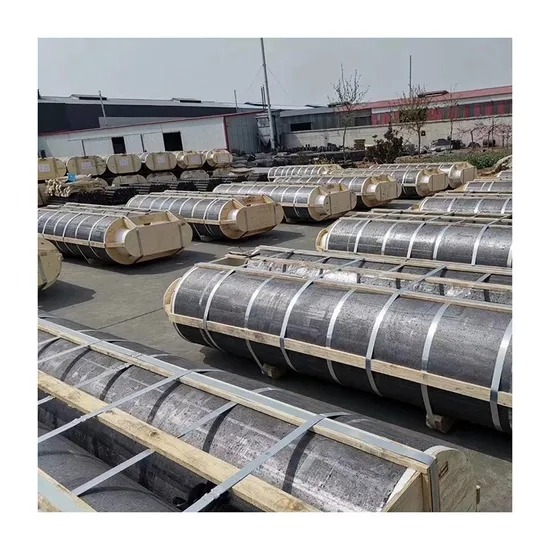
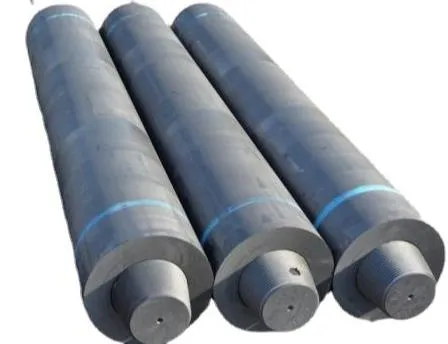
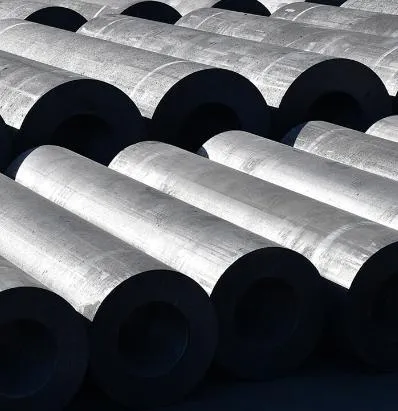
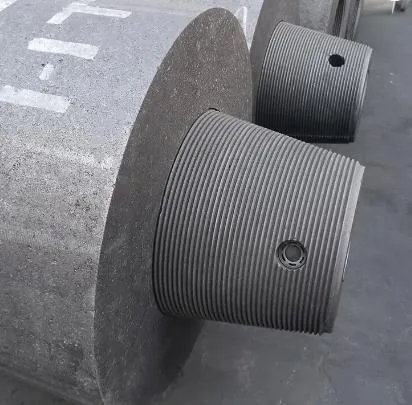
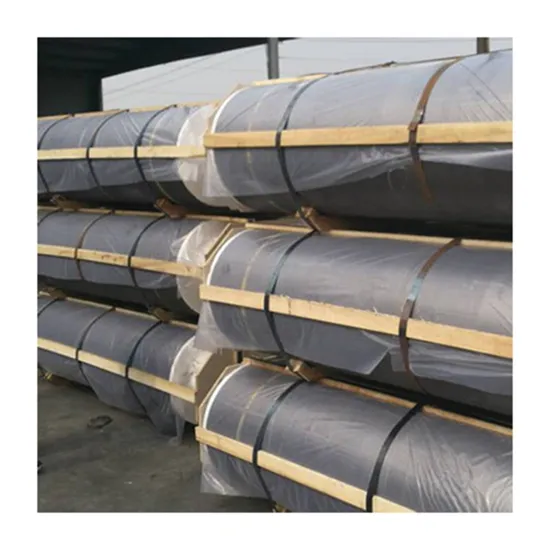
So, what are we actually talking about? Graphite electrodes are essentially conduits for electrical current, used primarily in electric arc furnaces (EAFs) for steelmaking, but also in other high-temperature industrial processes. They’re made from a mix of carbon materials, often including petroleum coke, pitch, and sometimes other additives to control their properties. The quality of the raw materials and the manufacturing process are huge factors. Here's a quick rundown of typical specs:
| Parameter | Specification | Unit |
|---|---|---|
| Diameter | 200-600 | mm |
| Length | 1800-2700 | mm |
| Electrical Resistivity | 2-8 | μΩm |
| Ash Content | ≤0.5 | % |
Applications and Performance Benefits
Beyond steelmaking, you'll find electrodes graphite in applications like ladle refining, silicon metal production, and ferroalloy production. What’s interesting is how much optimization is going on around electrode design. It's not just about the graphite itself; it’s the threading, the nipple design, and the overall geometry. Many engineers I’ve spoken to say they’re seeing significant improvements in arc stability and energy efficiency with newer designs. This translates directly into cost savings, which, you know, is always a good thing. The benefits boil down to things like reduced power consumption, increased production rates, and longer electrode life.
Cost Analysis & Vendor Landscape
Okay, let’s talk money. The initial cost of graphite electrodes can be substantial, but the total cost of ownership is what really matters. Factors like electrode consumption rate, downtime for changes, and the price of electricity all play a role. It's kind of a complex equation, really. Here’s a quick comparison of some key vendors – bear in mind this is a snapshot, and things change quickly:
| Vendor | Product Range | Typical Price (USD) | Lead Time |
|---|---|---|---|
| NL Graphite | Wide range, customized options | $800 - $1500/electrode | 4-6 weeks |
| Graftech International | Standard & High-Power Grades | $900 - $1600/electrode | 6-8 weeks |
| SGL Carbon | Premium Quality, Specialized Grades | $1000 - $1800/electrode | 8-10 weeks |
The Future of Graphite Electrodes
Sustainability is a big push, unsurprisingly. There's a lot of research into using recycled graphite and optimizing electrode consumption to reduce waste. Oddly enough, there’s also a growing interest in digital monitoring – sensors that track electrode performance in real-time to predict failures and optimize furnace operation. I recently spoke with a plant manager who said they’d reduced their electrode consumption by 5% just by implementing a better monitoring system. That’s a pretty significant saving.
Frequently Asked Questions about Electrodes Graphite
- What is Electrodes Graphite and how does it work?
- Electrodes graphite are essentially high-conductivity carbon rods used to conduct electricity in high-temperature processes, like electric arc furnaces. They work by creating an arc between the electrode and the charge material, generating intense heat for melting and refining.
- What are the main benefits of using Electrodes Graphite in industrial applications?
- Key benefits include high electrical conductivity, resistance to thermal shock, low ash content, and relatively low cost compared to other conductive materials. This results in increased efficiency, reduced downtime, and better product quality.
- How does Electrodes Graphite compare to traditional alternatives?
- Compared to materials like metals, graphite electrodes offer superior resistance to oxidation and erosion at high temperatures, leading to a longer lifespan and reduced maintenance. While metals might offer higher conductivity, graphite’s overall performance in these specific applications often outweighs that difference.
- What industries can benefit most from Electrodes Graphite implementation?
- The steel industry is the primary user, but ferroalloy production, silicon metal manufacturing, and even certain chemical processes benefit significantly from using graphite electrodes. They're crucial for any process requiring high-temperature, high-current electrical arcs.
Conclusion on Electrodes Graphite from china
Ultimately, choosing the right graphite electrode isn't just about the price tag. It's about understanding your specific needs, your operating conditions, and finding a supplier who can deliver consistent quality and reliable performance. It’s a foundational element… and getting it right really does make a difference. Check out NL Graphite for more information.
- - "Visit our website: https://www.nlgraphite.com"
 Pervious
 Next
Next