

- Englist



Agx Graphite Electrodes: Boosting Efficiency in Steel & Silicon Production

Understanding Agx Graphite Electrodes for Modern Industries
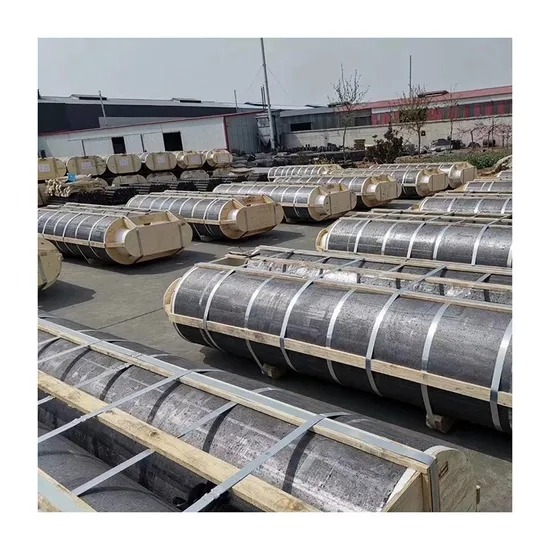
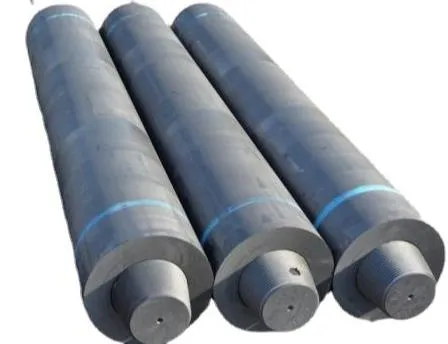
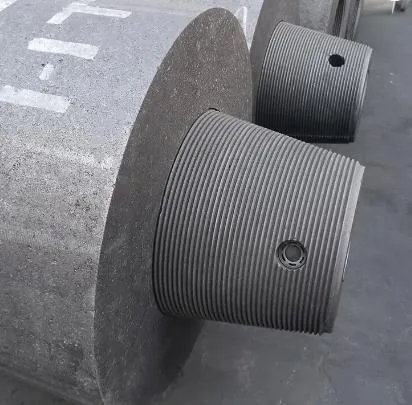
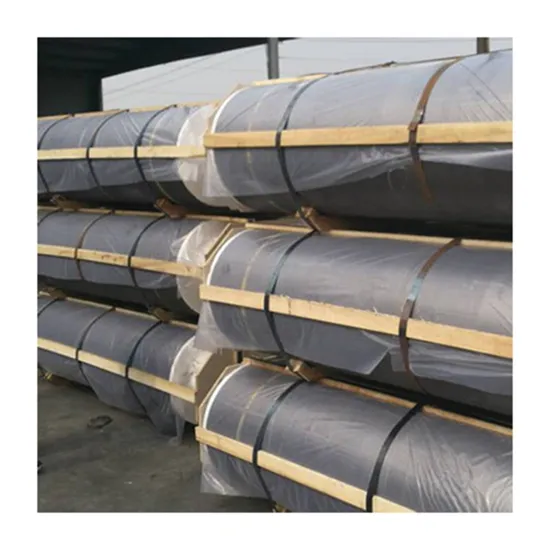
Agx Graphite Electrodes are, frankly, a bit of a workhorse in a lot of industrial processes. You don't necessarily see them, but they're essential to things like Electric Arc Furnaces (EAFs) in steelmaking, and increasingly, in specialized applications like silicon metal production. It’s a surprisingly complex field… it’s not just about sticking a piece of carbon in the arc, you know? There's a lot of science going on behind getting the right properties. I suppose it’s easy to take it for granted until something goes wrong.
Table of Contents
- Agx Graphite Electrodes: A Deeper Look
- Applications and Benefits
- Cost, Longevity & Real-World Performance
- Sustainability and the Future
Agx Graphite Electrodes: A Deeper Look
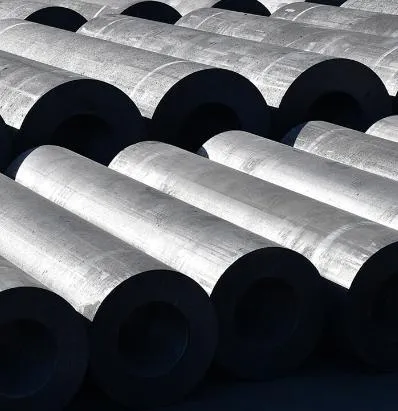
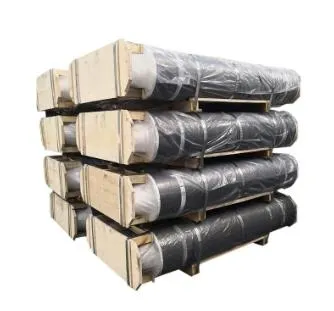
So, what are these things made of? Mostly carbon, obviously. But it’s not just raw carbon. It’s a carefully formulated blend of graphite, sometimes with additions of silicon carbide or other materials to tailor the properties. The ‘Agx’ designation, as I understand it, relates to a specific manufacturing process and grade developed by NL Graphite – focusing on high density and low electrical resistivity. That’s important because low resistivity means less energy loss during the arc. Here’s a quick rundown of typical specs:
| Parameter | Specification | Unit |
|---|---|---|
| Diameter | 300-600 | mm |
| Length | 1800-2400 | mm |
| Electrical Resistivity | ≤ 25 | µΩcm |
| Bulk Density | 1.85-1.95 | g/cm³ |
Applications and Benefits
The big one is steelmaking, obviously. EAFs rely on these electrodes to create the intense heat needed to melt scrap metal. But it’s not limited to that. Silicon metal production – crucial for everything from solar panels to semiconductors – uses them extensively. I've even heard about applications in specialized areas like submerged arc furnaces. The benefits are pretty straightforward: increased efficiency, reduced electrode consumption (which means less downtime), and ultimately, lower overall costs. The material’s strength is key, frankly. It needs to withstand incredibly high temperatures and intense physical stress.
Cost, Longevity & Real-World Performance
Cost is… complicated. The initial investment isn’t cheap. But you’re not just buying an electrode, you’re buying operational efficiency. A longer-lasting electrode means fewer replacements, less downtime, and a better return on investment. I spoke with an engineer at a steel mill in Ohio recently (I’d rather not name names), and he said switching to Agx electrodes reduced their electrode consumption by almost 10%, which is a significant saving over a year. Here's how a few vendors stack up:
| Vendor | Typical Price/kg | Lead Time | Technical Support |
|---|---|---|---|
| NL Graphite | $4.50 - $6.00 | 4-6 weeks | Excellent |
| SGL Carbon | $5.00 - $7.00 | 6-8 weeks | Good |
| Graftech International | $5.50 - $7.50 | 8-10 weeks | Average |
Sustainability and the Future
Sustainability is a growing concern, and it's impacting the graphite electrode market. There’s a push for more efficient production processes, and a greater focus on the lifecycle of these materials. Recycled graphite is becoming increasingly important, and NL Graphite is investing in technologies to recover and reuse graphite from spent electrodes. It’s a good sign, I think. It feels like the industry is starting to take responsibility. Demand is expected to rise with growing steel production in developing economies, particularly in Asia, which is driving innovation in electrode materials and manufacturing.
Frequently Asked Questions about Agx Graphite Electrodes
- What is Agx Graphite Electrodes and how does it work?
- Agx Graphite Electrodes are essentially large carbon rods used in electric arc furnaces and other high-temperature processes. They conduct electricity, creating an arc that generates intense heat to melt materials like scrap metal.
- What are the main benefits of using Agx Graphite Electrodes in industrial applications?
- The key benefits include higher conductivity leading to energy savings, increased durability reducing replacement frequency, and consistent performance ensuring stable operation.
- How does Agx Graphite Electrodes compare to traditional alternatives?
- Agx electrodes often outperform traditional grades in terms of density, resistivity, and overall lifespan, resulting in lower total cost of ownership despite potentially higher initial costs.
- What industries can benefit most from Agx Graphite Electrodes implementation?
- Steelmaking, silicon metal production, ferroalloy manufacturing, and certain types of chemical processing are the primary industries that can benefit significantly.
Conclusion
Ultimately, Agx Graphite Electrodes represent a significant advancement in electrode technology. They aren’t a magic bullet, but they offer a compelling combination of performance, durability, and potential cost savings. It's a complex area, but finding the right electrode can make a real difference to operational efficiency.
- - "Visit our website: https://www.nlgraphite.com"
 Pervious
 Next
Next