

- Englist



Exploring the Diverse Petcoke Uses Across Various Industries

Petcoke Uses: A Comprehensive Guide
Petroleum coke, often shortened to petcoke, is a carbon-rich solid derived from oil refining. While often considered a byproduct, it possesses a remarkable range of petcoke uses across numerous industries. This article will delve into the properties, various applications, and environmental considerations surrounding this versatile material. Understanding its diverse roles is crucial for industries seeking cost-effective and high-performance carbon solutions. We’ll explore how petcoke’s unique characteristics contribute to its widespread adoption.
Understanding the Properties of Petcoke
Petcoke is characterized by its high carbon content (typically over 90%), low sulfur and ash levels, and high energy density. It exists in two primary forms: needle coke and sponge coke. Needle coke, with its acicular structure, is predominantly used in graphite electrode production. Sponge coke, possessing a porous structure, finds applications in fuel and other industrial processes. The physical properties, such as particle size and density, also vary depending on the source and processing method. These properties make petcoke a valuable resource for a multitude of industrial applications, leveraging its stability and high energy output.
Key Highlights: High carbon content, low sulfur and ash levels, and high energy density are crucial for various industrial applications.
Petcoke Uses in Aluminum Production
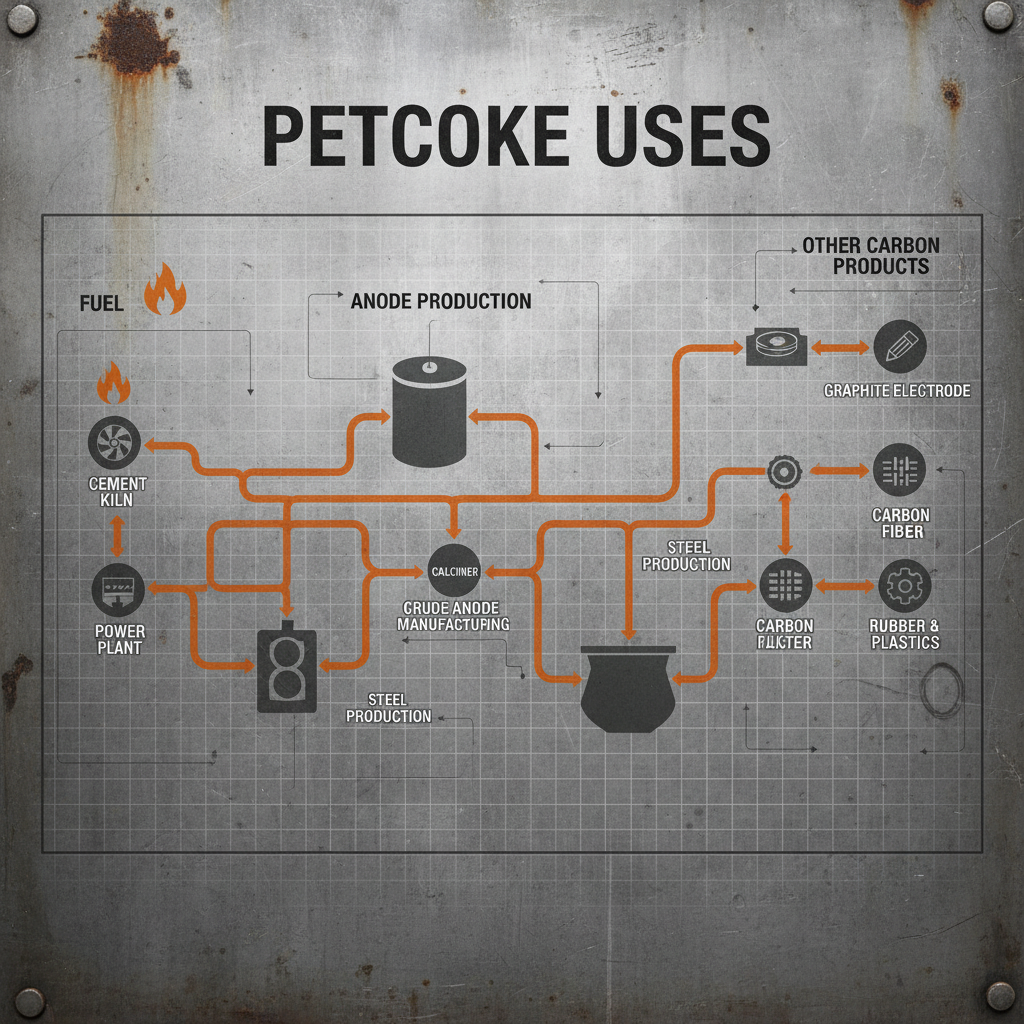
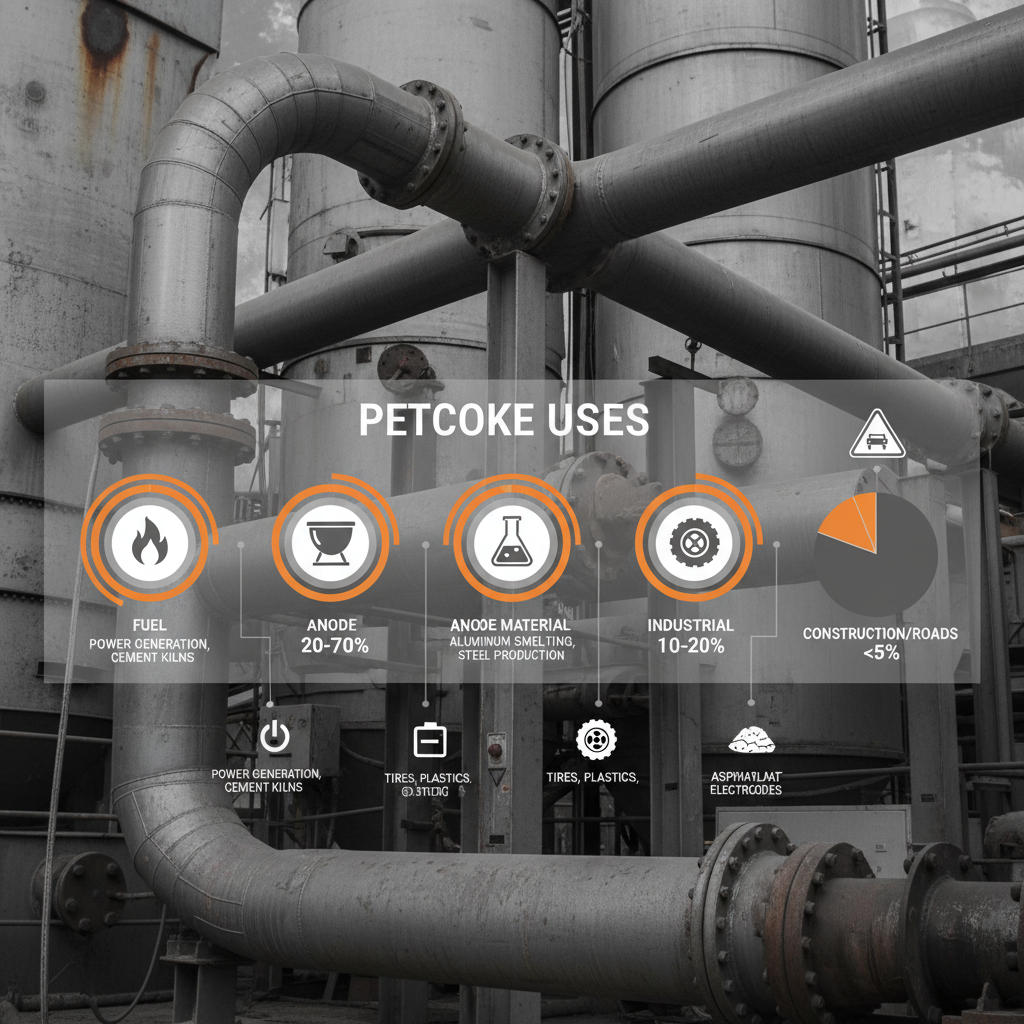
One of the most significant petcoke uses is as an anode material in the aluminum smelting process. Petcoke is calcined (heated to high temperatures) to increase its conductivity and strength before being used as the consumable electrode in the Hall-Héroult process. During electrolysis, the petcoke anodes are consumed, facilitating the reduction of alumina into molten aluminum. The demand from the aluminum industry represents a substantial portion of global petcoke consumption.
Benefits of Petcoke in Aluminum Production:
• Lower cost compared to traditional graphite anodes
• Provides sufficient conductivity for the electrolytic process
• Contributes to efficient aluminum production
Petcoke as a Fuel Source
Due to its high energy density, petcoke serves as a cost-effective fuel source in various industries. It is widely used in cement kilns, power plants, and pulp and paper mills. When combusted, petcoke releases significant heat, contributing to the energy requirements of these processes. While it offers economic advantages, environmental concerns related to emissions necessitate careful management and pollution control measures. The heat generated from petcoke combustion supports crucial industrial processes worldwide.
Petcoke in Graphite Electrode Production
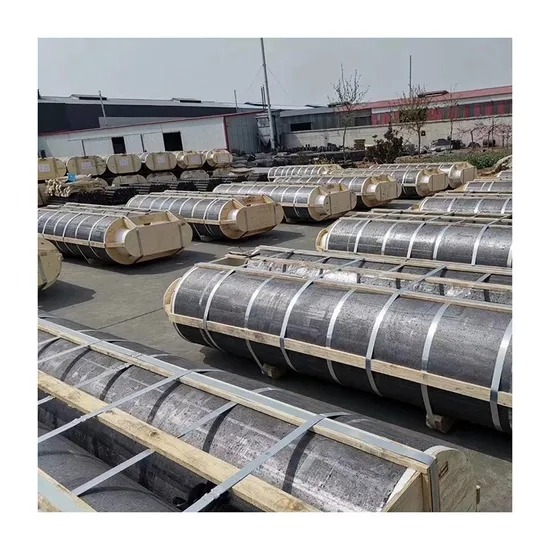
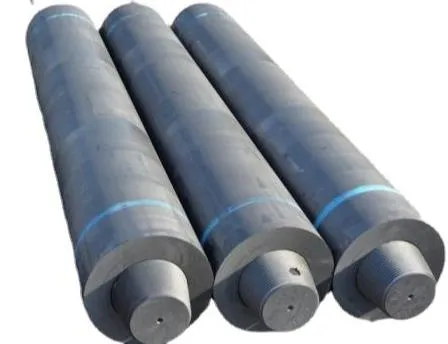
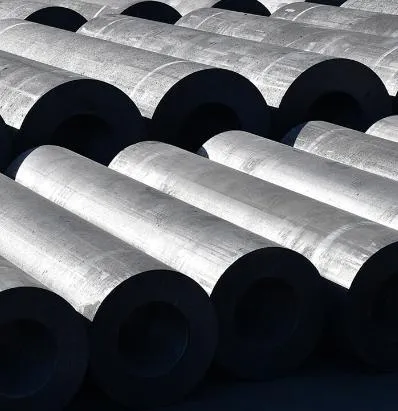
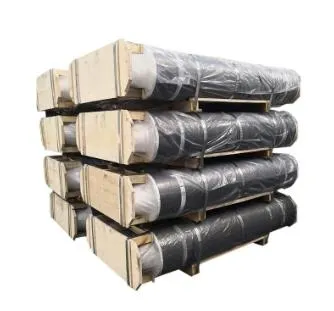
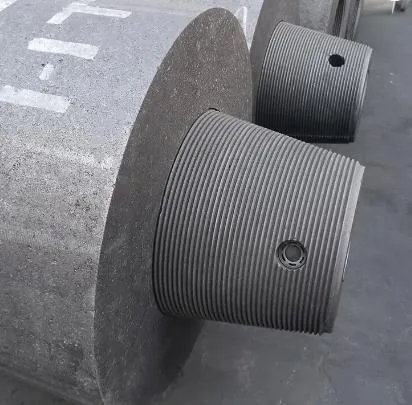
As mentioned previously, needle coke is a crucial feedstock for producing graphite electrodes used in electric arc furnaces (EAFs) for steelmaking. The high degree of graphitization and structural alignment in needle coke contribute to the electrodes' strength, conductivity, and resistance to thermal shock. These properties are vital for withstanding the extreme conditions within EAFs. The quality of the needle coke directly impacts the performance and lifespan of the graphite electrodes, influencing steel production efficiency.
Other Niche Applications of Petcoke
Beyond the major uses outlined above, petcoke finds applications in various specialized areas. These include titanium dioxide production (as a source of carbon black), carbon fiber manufacturing, and even as a component in certain metallurgical processes. The specific grade and properties of the petcoke are tailored to meet the requirements of each application. Ongoing research explores additional potential uses for this versatile carbon material, leveraging its unique characteristics.
Conclusion: The Continued Importance of Petcoke
Petcoke remains a vital material across numerous industries, offering a cost-effective and high-performance carbon source. From aluminum production to steelmaking and fuel applications, its versatility is undeniable. While environmental concerns are valid and require diligent management, advancements in pollution control technologies continue to mitigate these challenges. NL Graphite is committed to responsible petcoke sourcing and processing, ensuring sustainable solutions for its clients.
Frequently Asked Questions (FAQs)
What are the environmental concerns associated with petcoke?
Petcoke combustion can release pollutants such as sulfur dioxide (SO2), nitrogen oxides (NOx), and particulate matter. These emissions contribute to air pollution and acid rain. However, modern power plants and industrial facilities employ advanced emission control technologies, such as scrubbers and filters, to significantly reduce these pollutants. Responsible sourcing and processing also minimize environmental impacts. Proper handling and storage of petcoke prevent dust generation and water contamination.
What is the difference between needle coke and sponge coke?
Needle coke has a highly ordered, acicular (needle-like) structure, making it ideal for graphite electrode production due to its superior electrical conductivity and strength. Sponge coke, conversely, has a porous, sponge-like structure and is used primarily as a fuel source or in carbon-based applications where a high surface area is desirable. The different structures result from variations in the coking process and the type of feedstock used.
Is petcoke a renewable resource?
Petcoke is not a renewable resource as it's derived from crude oil, a finite fossil fuel. However, it’s considered a byproduct of oil refining, meaning it’s produced alongside gasoline and other fuels. Utilizing petcoke efficiently can reduce waste and maximize the value of crude oil resources. Research is ongoing to explore alternative carbon sources and develop more sustainable production methods.
Where can I source high-quality petcoke?
NL Graphite is a reliable supplier of high-quality petcoke for a wide range of applications. We offer consistent quality, competitive pricing, and expert technical support to meet your specific needs. Contact us today to discuss your requirements and learn more about our petcoke products.
 Pervious
 Next
Next