

- Englist



Exploring the Diverse Types of Petroleum Coke and Their Industrial Applications

Understanding the Different Types of Petroleum Coke
Petroleum coke, often referred to as petcoke, is a carbon-rich solid material derived from the refining of crude oil. It's a versatile product utilized in a vast array of industrial applications, from aluminum production to steelmaking and beyond. However, not all petcoke is created equal. Different processes and feedstocks result in varying petroleum coke types, each possessing unique characteristics and suitability for specific purposes. This article will explore the primary types of petcoke, outlining their properties, manufacturing processes, and common applications. Understanding these distinctions is crucial for informed sourcing and optimal utilization.
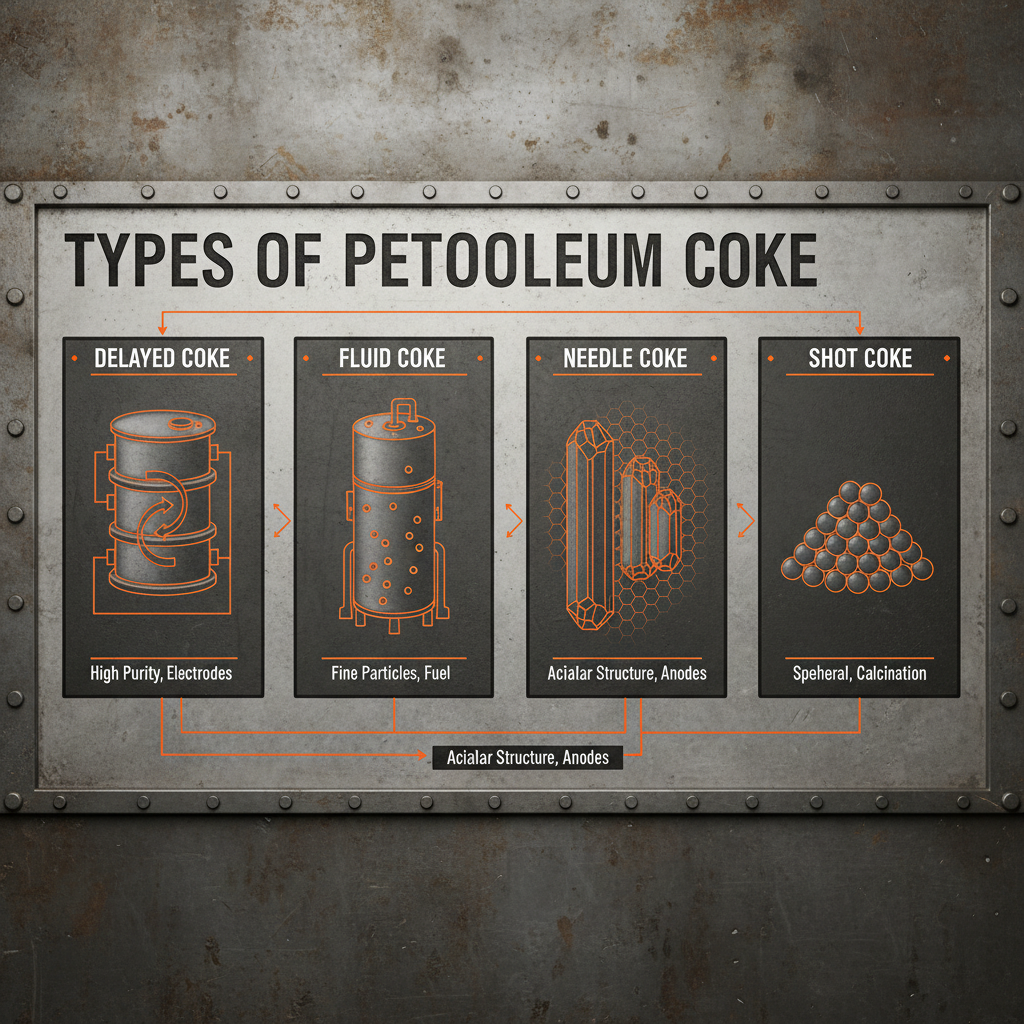
Delayed Coke: The Most Common Type
Delayed coking is the most prevalent method for producing petcoke. This process involves heating heavy oil residues at high temperatures in a coke drum under pressure. As the oil cracks, it forms coke and lighter gases. The coke is then quenched with water, cut into manageable pieces, and dried. Delayed coke typically contains 85-99% fixed carbon and exhibits good strength and electrical conductivity. It’s widely used as a fuel in power plants and cement kilns, and as a carbon source in aluminum smelting. The quality of delayed coke is influenced by the feedstock oil’s composition and the coking process parameters.
Key Characteristics: High fixed carbon content, good strength, commonly used as fuel and in aluminum production.
Fluid Coke: A Finer Grain
Fluid coking produces a finer-grained petcoke compared to delayed coking. This process utilizes a fluidized bed reactor where hot coke particles are mixed with the oil residue. The heat causes cracking and coke formation, and the resulting coke is continuously withdrawn from the reactor. Fluid coke generally has a lower bulk density and higher surface area than delayed coke. It’s often used in applications requiring a more reactive carbon source, such as anode production for the steel industry. Because of its fine particle size, fluid coke can generate more dust during handling.
Fluid Coke Benefits:
• Higher surface area for increased reactivity
• Suitable for anode production in steelmaking
• Lower bulk density compared to delayed coke
Types of Petroleum Coke: A Comparative Analysis
Understanding the differences between delayed and fluid coke is essential for selecting the right material for a given application. The following table highlights key distinctions between these two primary types:
Pitch Coke: A Specialized Application
Pitch coke is produced from coal tar pitch, a byproduct of coke oven operations. This type of petcoke boasts exceptionally high fixed carbon content and excellent graphitic properties. Consequently, it's almost exclusively used in the production of carbon anodes for the aluminum smelting industry. Its unique properties contribute to the efficiency and longevity of aluminum smelting processes. Pitch coke commands a higher price due to its specialized nature and critical role in aluminum production.
Low-Sulphur vs. High-Sulphur Petcoke
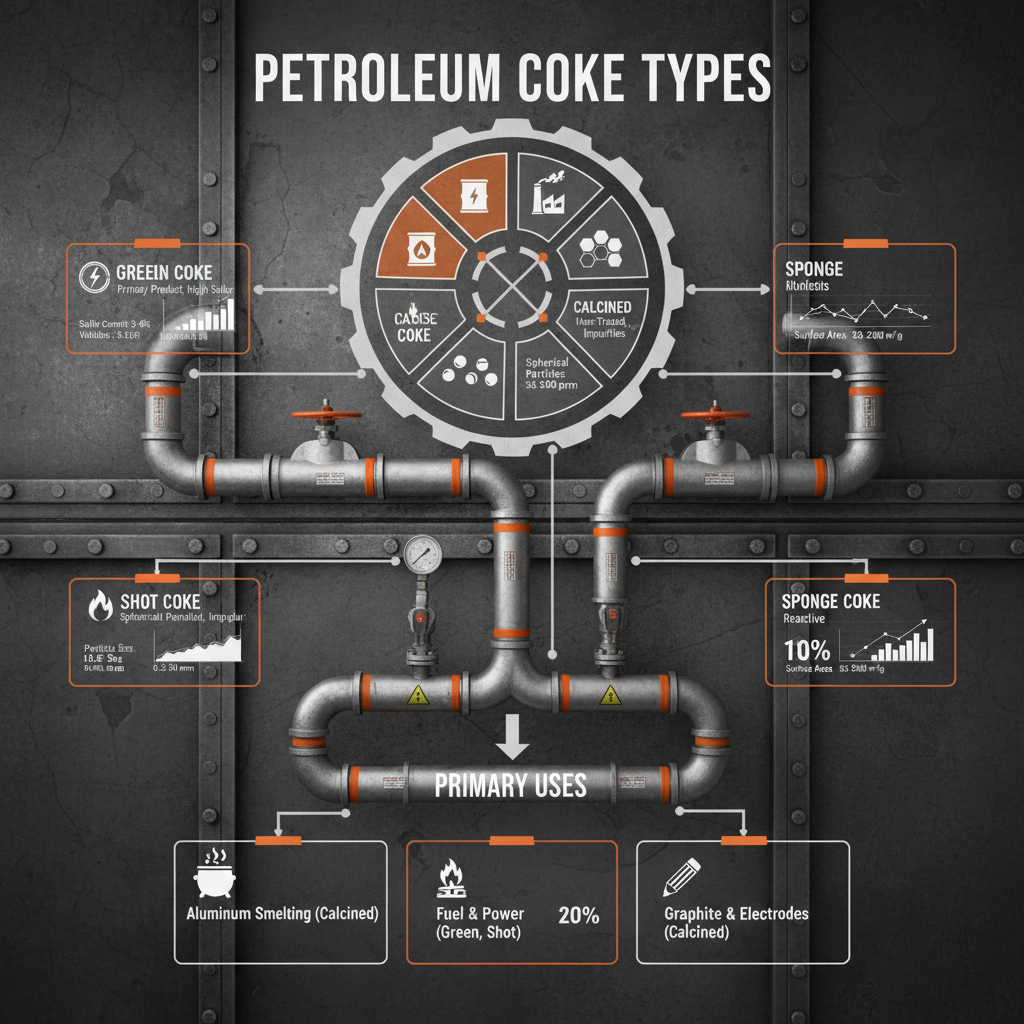
Petcoke can also be categorized based on its sulfur content. Environmental regulations increasingly favor low-sulfur petcoke, especially for combustion applications. High-sulfur petcoke, while less expensive, requires more sophisticated emission control systems. The sulfur content is determined by the source crude oil and the refining processes employed. NL Graphite provides a range of petcoke options with varying sulfur levels to meet diverse customer needs.
Selecting the Right Type of Petroleum Coke
The optimal type of petcoke depends heavily on the intended application. For fuel purposes, delayed coke is often the most cost-effective choice. Aluminum smelters demand the specialized properties of pitch coke. And applications requiring increased reactivity may benefit from fluid coke. Careful consideration of factors like carbon content, particle size, sulfur content, and reactivity are crucial for maximizing performance and minimizing costs. Contacting a reputable supplier like NL Graphite can provide expert guidance in selecting the best petcoke solution for your specific needs.
Conclusion: Understanding Petcoke for Optimized Industrial Performance
Choosing the appropriate type of petroleum coke is vital for efficient and cost-effective industrial operations. From delayed coke to pitch coke and variations in sulfur content, each type offers unique advantages. By carefully assessing your application requirements and partnering with a trusted supplier, you can unlock the full potential of this versatile carbon material.
Frequently Asked Questions (FAQs)
What are the primary uses of petroleum coke?
Petroleum coke finds wide application across several industries. The major uses include serving as a fuel source, particularly in cement kilns and power plants, as a crucial component in aluminum production (especially pitch coke), and as a carbon material in steelmaking processes. It’s also used in the manufacturing of electrodes, graphite, and other carbon-based products. The specific type of petcoke used varies based on the demands of each application.
How does sulfur content affect the usability of petcoke?
Sulfur content is a significant factor influencing petcoke's usability. High-sulfur petcoke requires expensive emission control systems to meet environmental regulations when used as a fuel. Low-sulfur petcoke is, therefore, increasingly preferred due to its cleaner burning characteristics. However, high-sulfur petcoke may be suitable for certain industrial processes where sulfur is not a concern or is even beneficial. Selecting the appropriate sulfur level depends on the application and environmental constraints.
Is petroleum coke considered a sustainable material?
The sustainability of petcoke is a complex topic. As a byproduct of oil refining, it utilizes a material that would otherwise be wasted. However, its combustion contributes to greenhouse gas emissions. Efforts to reduce the carbon footprint associated with petcoke include improving combustion efficiency, utilizing carbon capture technologies, and exploring alternative carbon materials. Sourcing from suppliers committed to responsible production practices can also enhance sustainability.
Where can I source high-quality petroleum coke?
NL Graphite is a trusted supplier of high-quality petroleum coke for a wide range of industrial applications. We offer a variety of types and grades, including delayed coke, fluid coke, and pitch coke, with varying sulfur contents. We are committed to providing consistent quality, reliable supply, and expert technical support. Visit our website at https://www.nlgraphite.com to learn more about our products and services.
 Pervious
 Next
Next