

- Englist


Exploring the Diverse Types of Petcoke and Their Industrial Applications

Understanding the Different Types of Petcoke
Petroleum coke, commonly known as petcoke, is a carbon-rich solid derived from oil refining. It's a versatile material with numerous industrial applications, ranging from aluminum production to steelmaking. However, not all petcoke is created equal. Different processes and feedstocks result in varying petcoke types, each with unique properties and suitability for specific applications. This article will explore the primary types of petcoke, detailing their characteristics, production methods, and common uses. Understanding these distinctions is crucial for selecting the optimal petcoke grade for your needs.
Green Petcoke vs. Calcined Petcoke: The Key Differences
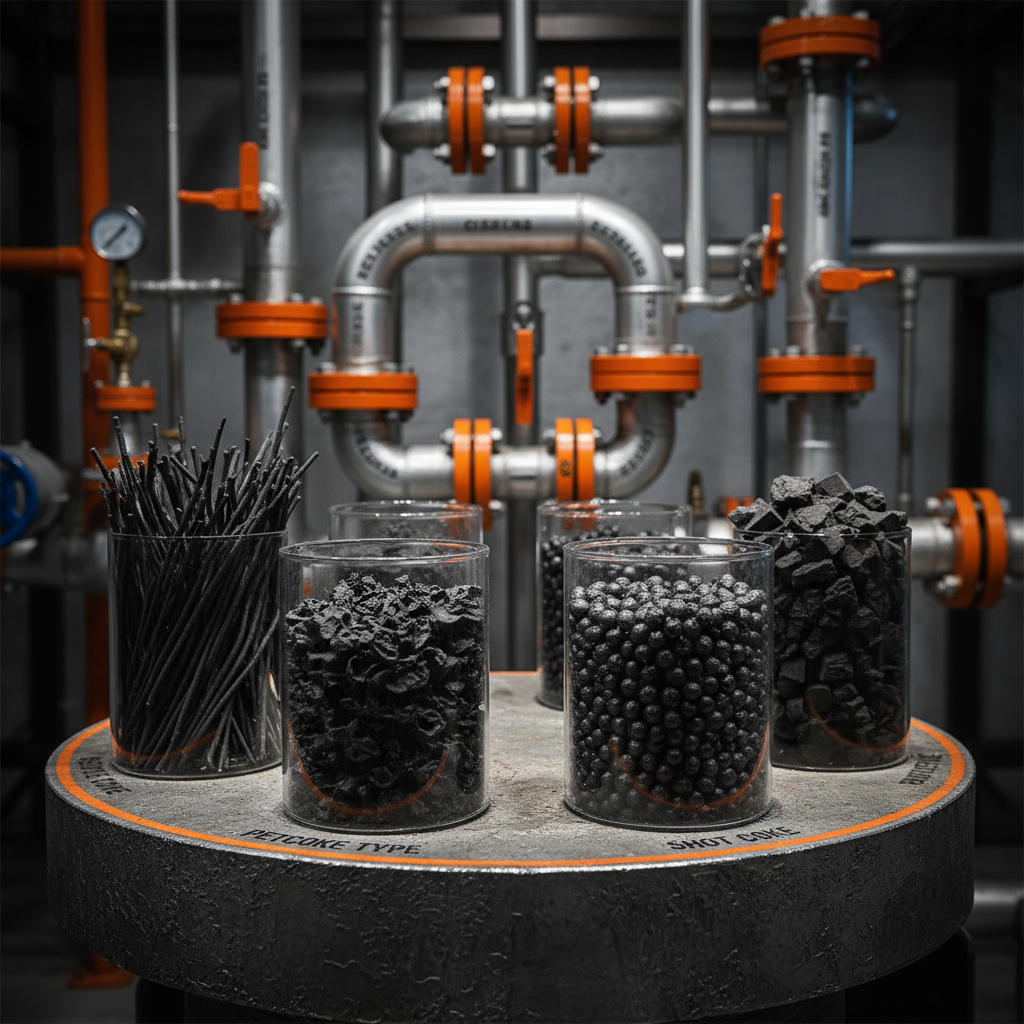
The two main classifications of petcoke are green petcoke and calcined petcoke. Green petcoke is the initial product directly from the coker unit, containing approximately 8-12% volatile matter, sulfur, and moisture. It's relatively soft and possesses a lower carbon content. Conversely, calcined petcoke undergoes a high-temperature heating process (calcination) to remove these volatile components, resulting in a harder, more carbon-rich material with enhanced purity and electrical conductivity. This process significantly alters its properties, making it suitable for more demanding applications.
Key Takeaway: Calcination dramatically improves the properties of petcoke, making it ideal for applications requiring high purity, carbon content, and electrical conductivity.
Understanding Petcoke Grades Based on Sulfur Content
Beyond green and calcined, petcoke is further categorized based on its sulfur content. Sulfur content is a critical factor influencing its suitability for specific industries. Petcoke can be classified as High Sulfur, Medium Sulfur, and Low Sulfur. High Sulfur petcoke typically contains over 3% sulfur, making it suitable for applications where sulfur isn’t a concern, or can be managed. Medium Sulfur petcoke generally has a sulfur content between 1% and 3%. Low Sulfur petcoke, containing less than 1% sulfur, is highly sought after in industries like aluminum production where sulfur contamination is detrimental. NL Graphite offers a range of petcoke grades to meet diverse sulfur requirements.
Sulfur Content Implications:
• Lower sulfur content = higher purity, better for sensitive applications.
• Higher sulfur content = lower cost, suitable for less demanding uses.
• Sulfur content impacts emissions and environmental regulations.
Detailed Comparison of Petcoke Types and Applications
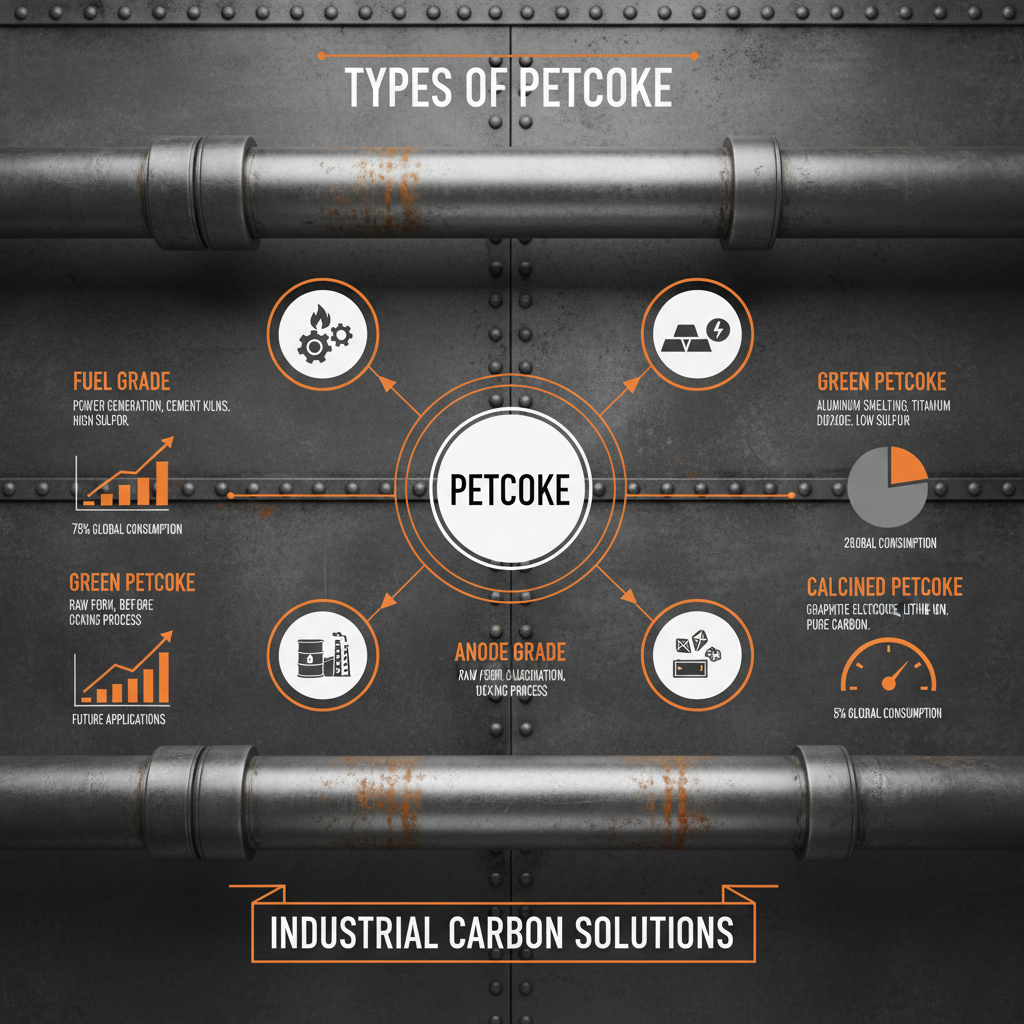
The table below summarizes the key characteristics and applications for each major type of petcoke. Selecting the right petcoke type depends on the specific requirements of your industrial process. Factors to consider include desired carbon content, sulfur tolerance, electrical conductivity needs, and cost constraints.
Emerging Trends and Future of Petcoke Utilization
While petcoke remains a valuable industrial material, evolving environmental regulations and a shift towards sustainable practices are influencing its utilization. There’s growing research into alternative uses for petcoke, including energy recovery and carbon fiber production. Additionally, advancements in refining processes are leading to the development of lower-sulfur petcoke grades, expanding its applicability in sensitive industries. NL Graphite is dedicated to responsible sourcing and providing high-quality petcoke products that meet the evolving needs of its clients.
Conclusion: Choosing the Right Petcoke for Your Application
Selecting the optimal type of petcoke is essential for maximizing efficiency and minimizing costs.
Understanding the distinctions between green and calcined petcoke, along with the impact of sulfur content, allows you to make informed decisions. NL Graphite provides a comprehensive range of petcoke grades and expert guidance to help you find the perfect solution for your specific industrial needs.
Frequently Asked Questions (FAQs)
What are the primary uses of calcined petcoke?
Calcined petcoke's high carbon content and electrical conductivity make it crucial in aluminum production, where it serves as the primary carbon source for the electrolytic process. It's also extensively used in the manufacture of graphite electrodes, vital components in electric arc furnaces for steelmaking. Furthermore, calcined petcoke finds applications in titanium dioxide production, providing a reductant during the process, and in the production of various other carbon-based products.
How does the calcination process impact petcoke's properties?
Calcination, the high-temperature heating process, drastically alters petcoke's characteristics. It removes volatile matter like moisture, hydrogen, and sulfur, resulting in a significantly increased carbon content (typically exceeding 98%). This process also enhances its hardness, density, and electrical conductivity. The removal of sulfur impurities is particularly important for applications where sulfur contamination is undesirable, such as aluminum smelting. The resulting calcined petcoke is far more stable and predictable in its performance.
Is green petcoke environmentally friendly?
Green petcoke's environmental impact is a complex issue. While it can be a cost-effective option, its higher volatile matter and sulfur content can lead to increased emissions during combustion. Furthermore, dust from green petcoke can be a concern. However, it's also used in beneficial applications like soil conditioning and cement production. The environmental footprint depends heavily on how it's handled and utilized. Choosing lower-sulfur grades and employing proper handling procedures can mitigate some of the environmental concerns.
Where can I source high-quality petcoke?
NL Graphite is a trusted supplier of various petcoke grades, including green and calcined, with different sulfur contents to meet specific industry requirements. We provide consistent quality, reliable supply, and expert technical support. Our commitment to responsible sourcing ensures sustainable practices and environmental stewardship. Contact us today for a quote and to discuss your petcoke needs.
 Pervious
 Next
Next