

- Englist



Exploring the Various Types of Carburizing Process and Their Applications

Understanding the Different Types of Carburizing Process
Carburizing is a heat treatment process used to increase the carbon content of the surface layer of a metal object. This process enhances the surface hardness and wear resistance while maintaining a tough, ductile core. It’s a cornerstone technique in manufacturing, particularly for gears, bearings, and other components requiring a durable surface. NL Graphite provides high-quality materials essential for effective carburizing processes. Choosing the right carburizing method depends on factors like part geometry, desired case depth, production volume, and cost. This article will explore the various types of carburizing, their advantages, and applications.
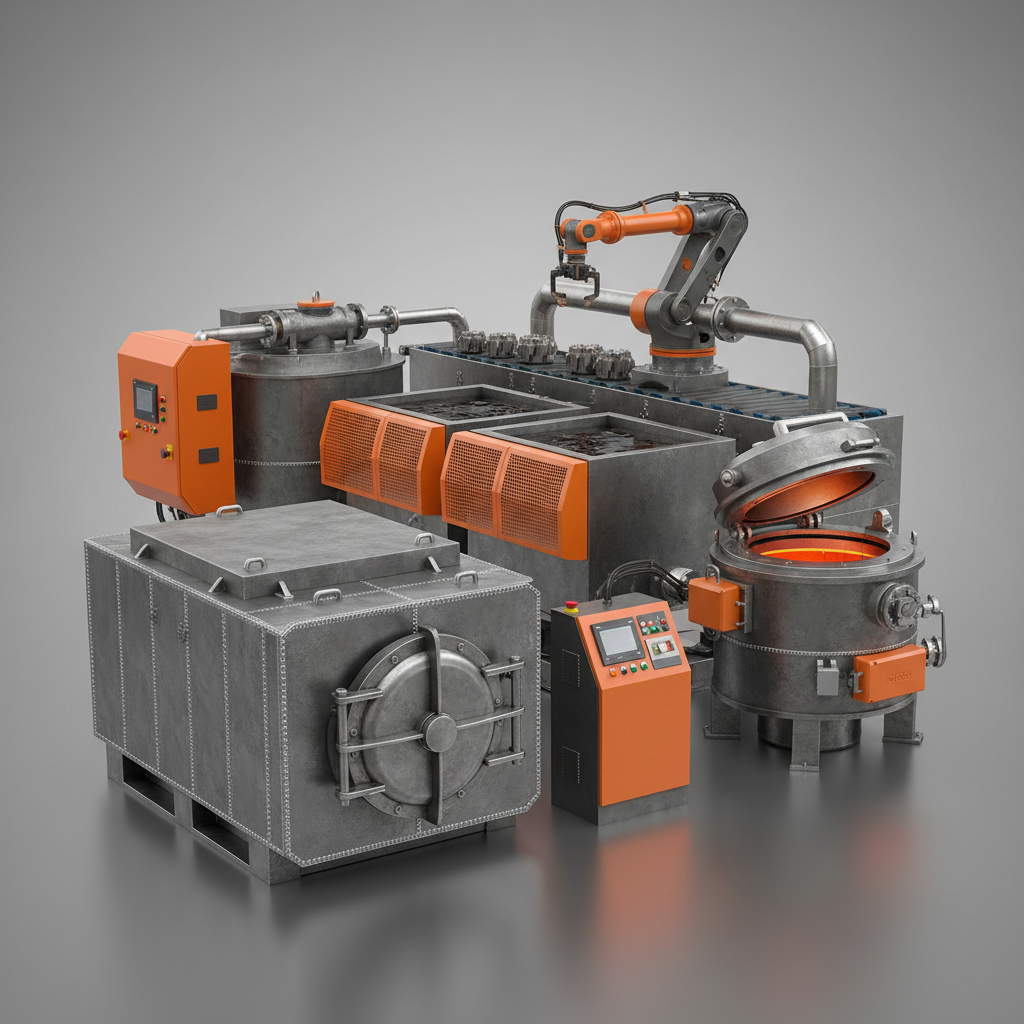
Pack Carburizing: A Traditional Approach
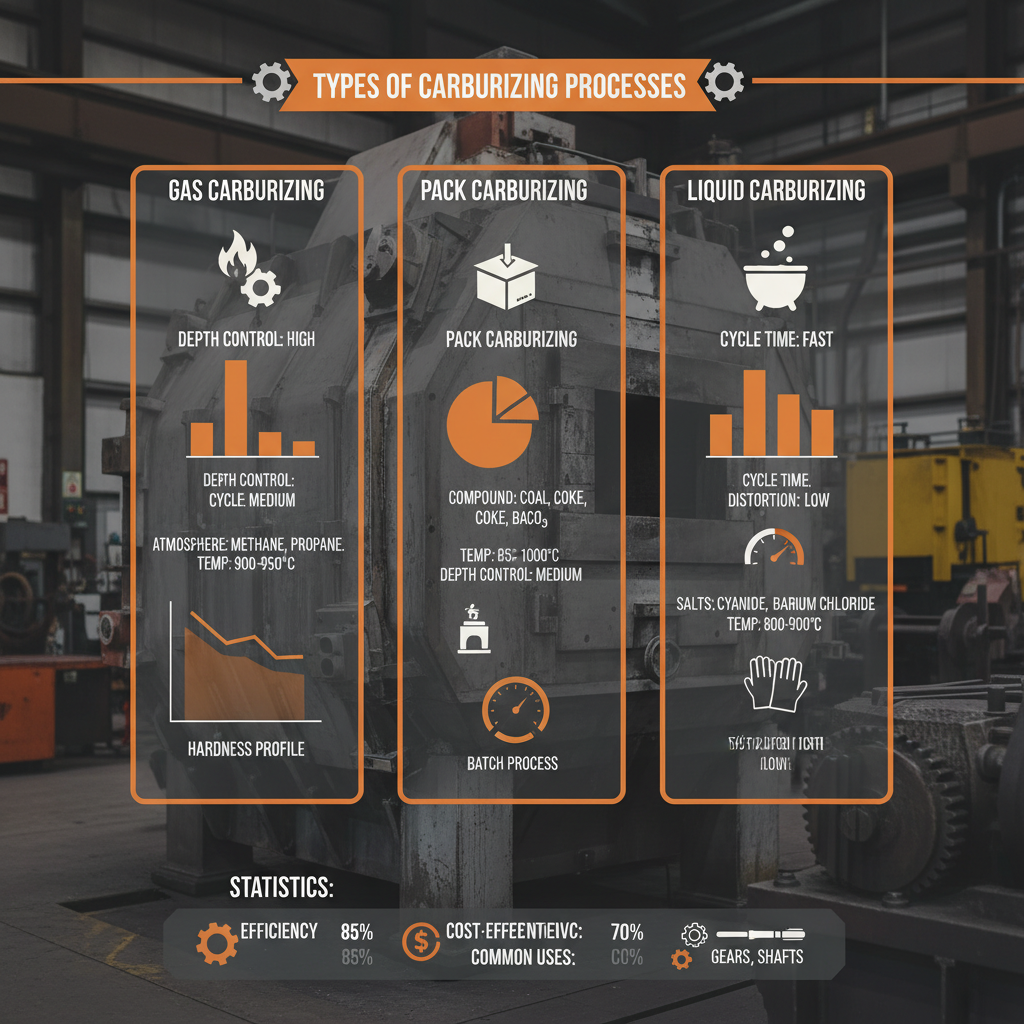
Pack carburizing is one of the oldest and most widely used methods. Parts are packed into a sealed container with a solid carburizing compound – typically charcoal mixed with barium carbonate, sodium carbonate, or other activators. The container is heated to a high temperature (typically 850-950°C) for a prolonged period. The carbon from the charcoal diffuses into the steel surface. This method is relatively simple and cost-effective, especially for small batch production and complex shapes. However, it’s a slower process and achieving uniform carburization can be challenging. Precise control of the packing density and carburizing compound composition is crucial for consistent results.
Key Advantages: Cost-effective for small batches, suitable for complex geometries, minimal equipment investment.
Gas Carburizing: Precision and Control
Gas carburizing utilizes a controlled atmosphere of carbon-rich gases, typically methane, propane, or natural gas, mixed with a carrier gas like nitrogen or argon. Parts are heated in a furnace while the gas mixture diffuses carbon into the surface. This method offers significantly better control over the carburization process, leading to more uniform case depths and carbon content. Gas carburizing is faster than pack carburizing and is ideal for high-volume production. It also allows for precise control of the carbon potential, which determines the amount of carbon absorbed by the steel. NL Graphite’s materials play a vital role in maintaining the furnace integrity in gas carburizing environments.
Gas Carburizing Benefits:
• Precise control over case depth and carbon content
• Faster process compared to pack carburizing
• Suitable for high-volume production
• Consistent and uniform results
Liquid Carburizing: High Efficiency and Purity
Liquid carburizing involves immersing parts in a molten salt bath containing cyanide salts. The cyanide decomposes at high temperatures, releasing carbon and nitrogen which diffuse into the steel surface. This method provides exceptionally high carburization rates and produces a hard, wear-resistant case. However, due to the toxicity of cyanide, liquid carburizing requires strict safety measures and environmental controls. It’s often used for small parts requiring a very shallow case depth.
Vacuum Carburizing: Modern and Environmentally Friendly
Vacuum carburizing is a more recent development offering precise control and reduced environmental impact. Parts are heated in a vacuum furnace and exposed to a carbon-containing gas, such as methane or acetylene. The vacuum environment minimizes oxidation and allows for lower process temperatures, reducing distortion and energy consumption. This method results in a very clean surface and is often preferred for high-alloy steels. NL Graphite provides the high-purity graphite components necessary for constructing and maintaining vacuum furnaces.
High-Pressure Gas Carburizing: Enhanced Diffusion
This process is a variation of gas carburizing, but it’s conducted under elevated pressure – typically several atmospheres. The increased pressure forces more carbon-rich gas into the steel, accelerating the carburization rate and allowing for deeper case depths. High-pressure gas carburizing is especially beneficial for large parts or those requiring significant carbon enrichment. It requires specialized equipment capable of withstanding the high pressures.
Conclusion: Choosing the Right Carburizing Process
Selecting the most appropriate carburizing method is critical for achieving the desired material properties and optimizing manufacturing efficiency. Each process – pack, gas, liquid, vacuum, and high-pressure gas carburizing – offers unique advantages and is suited for different applications. NL Graphite provides the crucial materials and expertise to support successful carburizing operations, regardless of the chosen method. Understanding the nuances of each process allows manufacturers to produce high-quality, durable components for a wide range of industries.
Frequently Asked Questions (FAQs)
What factors should I consider when choosing a carburizing process?
Several factors play a crucial role in selecting the optimal carburizing process. These include the steel alloy being used, the desired case depth and carbon content, the geometry of the part, the production volume, and budgetary constraints. For small batches and complex shapes, pack carburizing might be suitable, while gas carburizing is preferred for high-volume production. Liquid carburizing is best for shallow case depths, and vacuum carburizing offers superior control and cleanliness. The availability of appropriate equipment and skilled personnel also significantly influences the decision.
What is the typical case depth achieved in carburizing?
Case depth varies significantly depending on the carburizing process, steel composition, temperature, and time. Generally, case depths range from 0.025mm to 2.5mm (0.001 inches to 0.1 inches). Pack carburizing typically achieves case depths of 0.5mm to 1.25mm, while gas carburizing can achieve depths up to 2.5mm. Liquid carburizing is used for very shallow case depths, usually less than 0.25mm. Vacuum carburizing offers precise control, allowing for customized case depths tailored to specific application requirements.
What are the environmental concerns associated with carburizing?
Some carburizing processes, particularly liquid carburizing, raise environmental concerns due to the use of toxic cyanide salts. Proper waste management and emissions control are essential when using this method. Gas carburizing can generate greenhouse gas emissions, requiring monitoring and mitigation strategies. Vacuum carburizing is generally considered the most environmentally friendly option, as it operates in a closed system and minimizes emissions. NL Graphite focuses on environmentally responsible material sourcing and production.
How does steel composition affect the carburizing process?
The steel composition significantly influences the carburizing process. Alloy elements such as chromium, molybdenum, and nickel enhance the hardenability of the steel and improve its response to carburizing. Low-carbon steels are typically used for carburizing, as they require a higher carbon uptake to achieve the desired surface hardness. The presence of alloying elements can affect the diffusion rate of carbon and the final case depth. Selecting the appropriate steel alloy is crucial for optimizing the carburizing process and achieving the desired material properties.
 Pervious
 Next
Next