

- Englist



Extra Fine Graphite Powder: Essential Insights, Uses & Future Trends

Understanding Extra Fine Graphite Powder: Why It Matters in Today's World
Extra fine graphite powder might not be a phrase you hear every day, but if you're in industries like electronics, energy storage, or even aerospace, it’s a game-changer. This tiny, dark, and incredibly fine particle is critical in a slew of global applications. Why? Because it delivers exceptional conductivity, heat resistance, and lubricity that modern technologies desperately rely on.
Globally, the demand has surged thanks to the boom in electric vehicles, renewable energy, and next-gen industrial materials. A few grams of this powder can be the difference between efficient batteries or clunky, unreliable ones. As the world leans into sustainability and tech integration, understanding the nuances of extra fine graphite powder isn’t just academic — it’s essential.
Let’s dig deeper and find out why everyone from engineers to environmentalists is paying attention.
The Global Context: Why Extra Fine Graphite Powder Is Gaining Traction
According to data from the International Energy Agency (IEA), global lithium-ion battery manufacturing capacity is expected to triple by 2030 to meet the green energy demand. Much of this increase leans heavily on advanced materials like extra fine graphite powder. This powder enhances battery anodes, leading to better charge/discharge rates and longer lifespans.
But the story doesn't end with “green” tech. Industrial sectors in Asia, Europe, and North America are increasingly reliant on graphite powders to create components that can withstand extreme heat or friction. The United Nations Environmental Programme (UNEP) even highlights graphite mining and processing as critical industries for sustainable development — provided responsible sourcing methods are adhered to. Yet, challenges like material purity and cost can hamper this potential, creating a pressing need for innovation in powder refinement and application.
So if you’re wondering “why does extra fine graphite powder even matter?” — well, it’s quietly underpinning some of the biggest shifts in technology and sustainability worldwide.
What Exactly Is Extra Fine Graphite Powder?
At its core, extra fine graphite powder is simply graphite ground down to an exceptionally small particle size, often well below 20 microns in diameter. Imagine dust so fine it almost floats in air but is packed full of the unique properties graphite offers: excellent electrical conductivity, chemical stability, and thermal resistance.
Unlike bulk graphite, this powder form unlocks uses where particle size dictates performance — think battery electrodes, conductive coatings, lubricants for delicate machinery, or even medical applications like biocompatible composites. It’s the graphite you’d trust with high-tech challenges, where loose carbon just won’t cut it.
Core Components Impacting Performance
1. Particle Size and Distribution
Particle size directly affects surface area and, therefore, reactivity and conductivity. Extra fine powders have greater surface area, leading to better interaction in composite materials or electrodes.
2. Purity Levels
Impurities can disrupt electrical flow or introduce chemical inconsistencies. High purity graphite powders (above 99%) yield dependable, repeatable performance. This is critical in electronics manufacturing.
3. Morphology (Shape and Structure)
Flake-like or spherical particles each behave differently. For lubrication, flakey graphite layers slide easily, while for coatings, spherical particles ensure smooth film formation.
4. Thermal Stability
Extra fine graphite powder withstands temperatures beyond 3000°C in inert atmospheres. This makes it ideal in refractory materials or heat sinks.
5. Conductivity
Both electrical and thermal conductivity play a huge part in its application. For example, in lithium-ion battery anodes, superior electrical conduction is essential for performance and longevity.
Understanding these factors helps engineers select the right graphite powder for their specific challenge. It’s a bit like choosing the right kind of coffee bean for your morning brew — subtle, but impactful.
Mini Takeaway:
Extra fine graphite powder’s unique properties stem from its tiny size, high purity, and special structure. These define how well it works in cutting-edge industrial roles.
Real-World Applications Shaping Our Future
Extra fine graphite powder is everywhere if you look closely. In electric vehicle (EV) battery production, its conductive prowess is vital for ensuring rapid charging and long battery life. Companies in Asia dominate mining and refining, fueling a global supply chain hungry for ultra-fine powders.
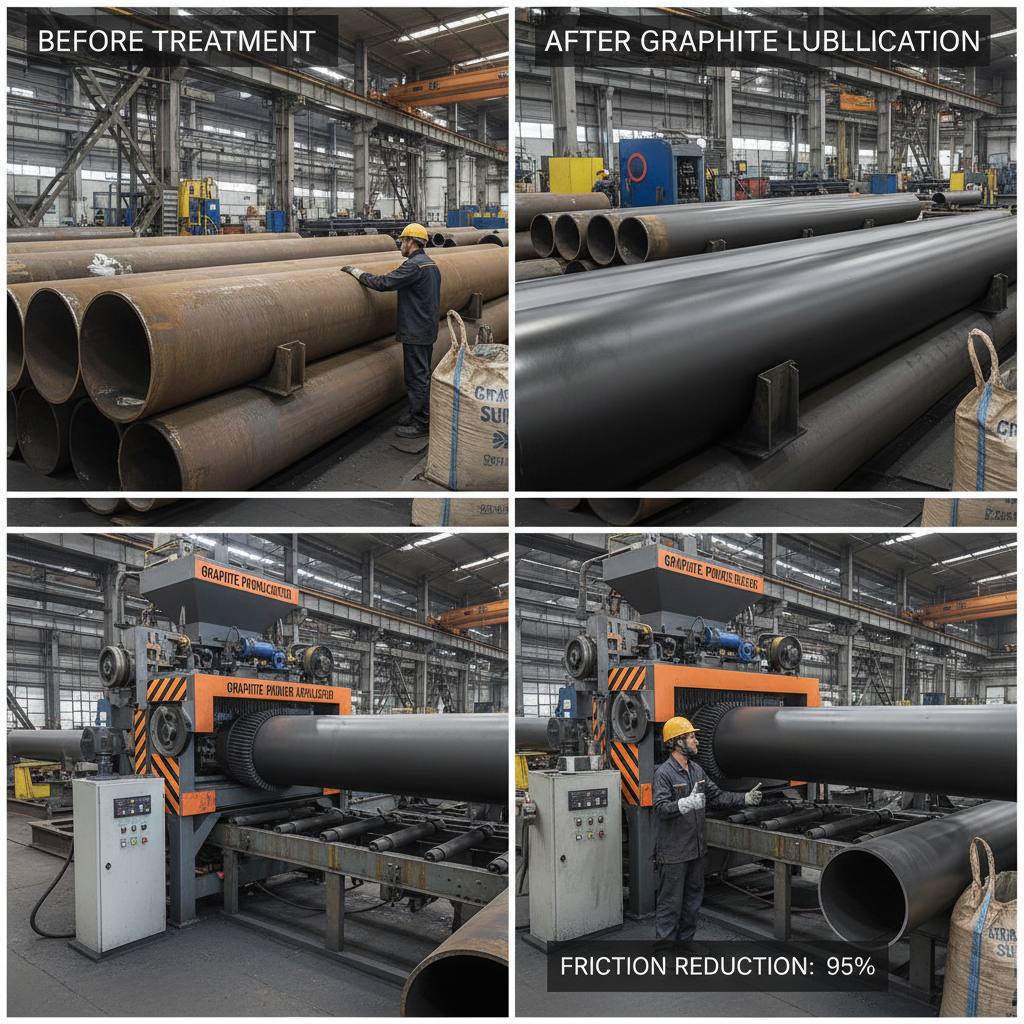
In aerospace, this powder is used in heat shields and composite materials that endure tremendous stress — think rocket nozzles and parts exposed to hypersonic airflow. Industrial lubrication is another big user: extra fine graphite reduces wear and friction in heavy machinery without harsh chemicals.
Emerging uses in remote or resource-limited areas include coating conductive paths on solar panels or manufacturing lightweight, durable electronic components — a key step in bringing sustainable tech to off-grid communities.
| Property | Value | Units |
|---|---|---|
| Particle Size (D50) | 5–10 | Microns |
| Purity | >99.5% | Carbon Content |
| Tap Density | 0.4–0.6 | g/cm³ |
| Electrical Conductivity | >10,000 | S/m (Siemens per meter) |
| Ash Content | % |
Long-Term Advantages of Using Extra Fine Graphite Powder
So, why choose extra fine graphite powder instead of coarser alternatives? First, the cost efficiency comes from its superior functionality — leveraging smaller quantities to achieve better conductivity or lubrication. This directly impacts manufacturing budgets and product quality.
Environmentally, because the powder lasts so long and often enhances battery life or material durability, it contributes to less waste and longer product cycles. For consumers, that translates to devices and vehicles that run longer, safer, and with less maintenance.
On a more emotional note, think of it as a “quiet innovator”: it helps create safer batteries that minimize fire risks, or medical devices that perform reliably under critical conditions. There’s a dignity in that — knowing tiny particles are working behind the scenes toward a safer and smarter world.
Vendor Snapshot: Comparing Top Providers of Extra Fine Graphite Powder
| Vendor | Purity % | Particle Size (microns) | Typical Use | Geographic Reach |
|---|---|---|---|---|
| GraphCo Industries | 99.6% | 3–8 | Battery Anodes, Lubricants | Global |
| NanoGraph Solutions | 99.8% | 2–6 | Electronics, Composites | North America, Asia |
| EcoGraph Corp. | 99.5% | 4–9 | Green Energy, Refractories | Europe, South America |
Looking Forward: Trends and Future Innovations
What’s next for extra fine graphite powder? The big buzz centers around nano-engineered graphite and graphene blends. Pairing extra fine powders with 2D materials like graphene promises battery breakthroughs that are lighter, faster, and more sustainable. Expect a surge in “smart” coatings that self-monitor wear and tear, and are deployed remotely or automatically in industrial settings.
Meanwhile, governments and industries worldwide push for greener mining and recycling processes, tackling the challenge of graphite’s carbon footprint. Integrations in digital manufacturing, including 3D printing of graphite composites, are also gaining traction — enabling more custom, complex shapes that were impossible before.
Common Hurdles and How Industry Leaders Tackle Them
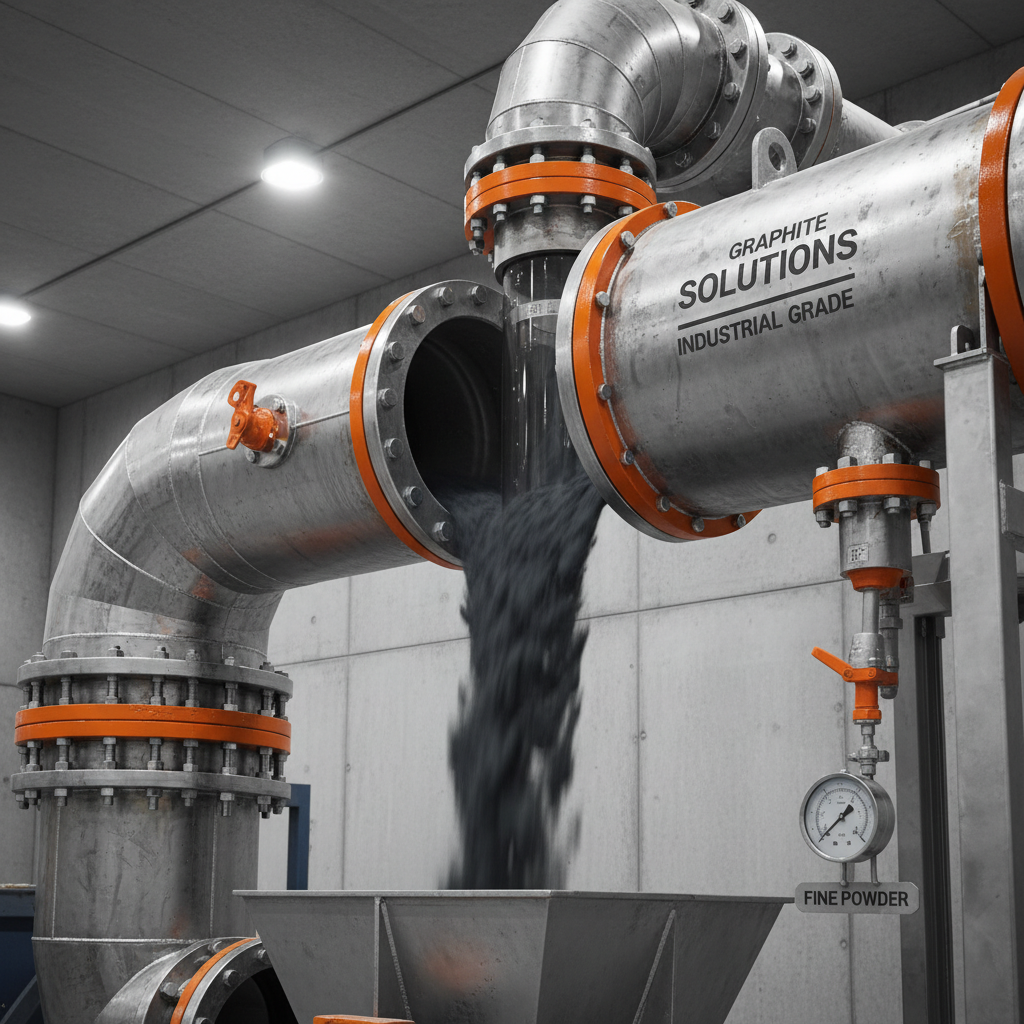
One tricky aspect is maintaining high purity without ballooning costs. The grit of refining graphite to extra fine specs is energy-intensive. To combat this, companies are innovating with closed-loop purification systems and novel chemical methods. Another challenge is uniform particle size distribution preventing clumping and ensuring consistent performance. This is managed by advanced milling and classification technology — a sort of high-tech grinding and sorting dance that requires both know-how and expensive equipment.
Lastly, supply chain disruptions due to geopolitical tensions or pandemics remind us that strategic sourcing and diversification are key. Many vendors now offer flexible delivery and custom formulations to meet emerging market needs — another reason why staying close to your supplier matters.
FAQ: Your Questions About Extra Fine Graphite Powder Answered
- What industries benefit the most from extra fine graphite powder?
- Battery manufacturing, electronics, aerospace, and industrial lubrication are primary industries. Each relies on graphite’s conductive and thermal properties for optimized performance.
- How does extra fine graphite powder improve battery life?
- By providing a larger surface area and better electrical conductivity, it supports efficient ion exchange and reduces degradation during charge cycles, boosting battery lifespan.
- Is extra fine graphite powder environmentally sustainable?
- While graphite mining has environmental impacts, ongoing innovations in purification and recycling aim to reduce footprints. Plus, its use in green technologies helps foster sustainability.
- Can I purchase custom particle sizes or purities?
- Yes, many suppliers offer tailored formulations to meet specific industrial requirements, such as tighter size distributions or ultra-high purity grades.
- How should extra fine graphite powder be stored?
- It should be kept in sealed, moisture-proof containers in a dry environment to prevent contamination and preserve powder flowability.
Wrapping Up: Why Extra Fine Graphite Powder Is a Small Particle With Big Impact
In the grand scheme, extra fine graphite powder is one of those unsung heroes quietly pushing technology forward. From charging your phone faster to building more reliable electric cars, it’s playing a critical role right now and will only grow in importance. If you want to dive deeper into sourcing reliable products or understanding the science behind these powders, don’t hesitate to explore further here. Innovation often starts with small particles...
— Thanks for reading!
References & Further Reading:
 Pervious
 Next
Next