

- Englist



Fine Graphite Powder - Essential Material for Advanced Industries | NL Graphite

Understanding Fine Graphite Powder: What It Is and Why It Matters Globally
If you’ve ever wondered why certain industries rely on a seemingly humble material like fine graphite powder, you’re not alone. This ultra-fine, carbon-based powder has quietly become a linchpin in several global sectors, from high-tech manufacturing to sustainable energy solutions. It might not be something you hear about at dinner parties, but its significance is only growing worldwide.
Understanding fine graphite powder means diving into a blend of chemistry, engineering, and practical innovation. It’s a story that touches everything from the performance of electric vehicles to advances in aerospace. Plus, as industries push towards greener tech and durability, the demand for this material keeps growing — which makes understanding it a bit more than an academic curiosity.
Global Perspective: The Rising Importance of Fine Graphite Powder
The global graphite market is estimated to reach nearly $35 billion by 2026, with fine graphite powder as a significant contributor. According to the United States Geological Survey (USGS), China, Brazil, and Canada lead production, with increasing exports feeding the batteries and electronics sectors worldwide.
Why is this so important? Well, fine graphite powder plays a fundamental role in industries pushing the boundaries of what's possible. For instance, lithium-ion batteries—powering everything from your smartphone to electric cars—depend on high-quality graphite powder for their anodes. The fine graphite powder used determines energy density, durability, and charging speed.
But challenges remain: supply vulnerabilities, environmental concerns, and technical consistency keep engineers and policy makers on their toes. That’s part of why understanding this powder beyond its dusty appearance is critical right now.
What Exactly Is Fine Graphite Powder?
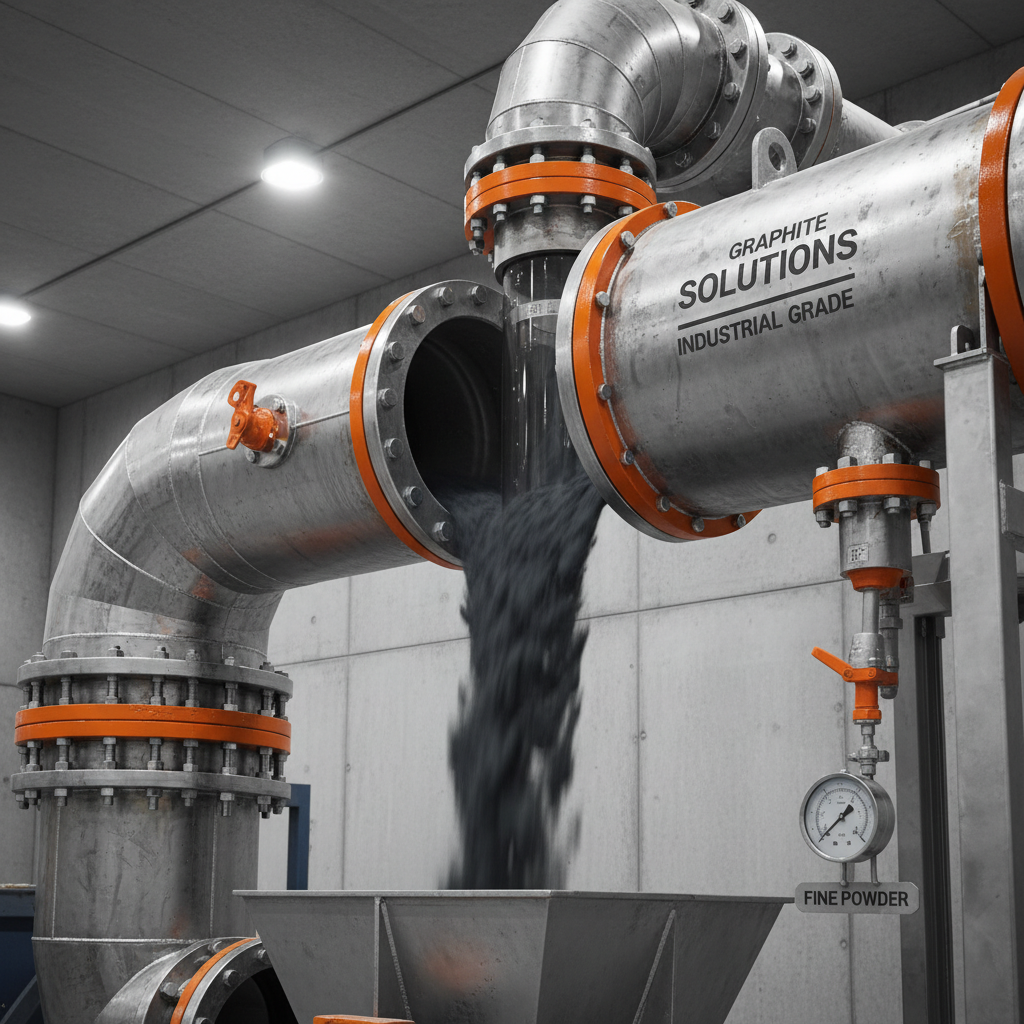
Put simply, fine graphite powder is an ultra-fine particulate form of natural or synthetic graphite. It’s a crystalline form of carbon, layered in sheets like tiny flat plates, which produces remarkable electrical and thermal conductivity.
This isn’t your typical dust. Its unique planar structure means it’s lubricious, resistant to heat, and chemically stable. Imagine a super-thin stack of pancakes — except these “pancakes” slide effortlessly on each other, making graphite invaluable in applications where friction and heat come into play.
Industries from steel manufacturing to advanced electronics use fine graphite powder for these exact properties, helping create products that last longer and perform better.
Key Characteristics That Define Fine Graphite Powder
1. Particle Size and Purity
The particle size typically ranges below 20 microns, often down to 5 microns or less, depending on the grade. Purity levels can reach 99.9% carbon or higher, which is crucial for battery and aerospace applications where impurities could compromise performance or safety.
2. Thermal and Electrical Conductivity
Fine graphite powder’s thermal conductivity can exceed 100 W/m·K, making it a prized material in heat dissipation scenarios. Its electrical conductivity also enables it to act as a conductor or a semi-conductor in specialized parts.
3. Chemical Stability and Lubricity
Graphite doesn't easily react with acids or bases and maintains performance in extreme environments (high heat, corrosive settings). These properties make it perfect for lubricants and protective coatings.
4. Cost Efficiency and Scalability
While synthetic graphite powders can be costly, natural fine graphite powder sourced from mines offers a scalable and cost-effective route for mass production, which methinks is vital in a global economy hungry for affordable raw materials.
5. Environmental Impact
When responsibly mined and processed, natural fine graphite powder has a smaller environmental footprint than many engineered materials — and that’s a plus for manufacturers chasing greener certifications.
Mini takeaway: Fine graphite powder’s physical and chemical nuances are what make it so versatile—tailoring size, purity, or source directly influences its end-use application.
How Fine Graphite Powder Powers Industries Worldwide
The applications of fine graphite powder span an impressive range. Here are a few highlights:
- Battery Industry: Essential for lithium-ion battery anodes, improving energy storage and lifespan, especially in electric vehicles (EVs) that China and Europe heavily invest in.
- Aerospace and Defense: Used in heat shields and components that must withstand intense temperatures and friction.
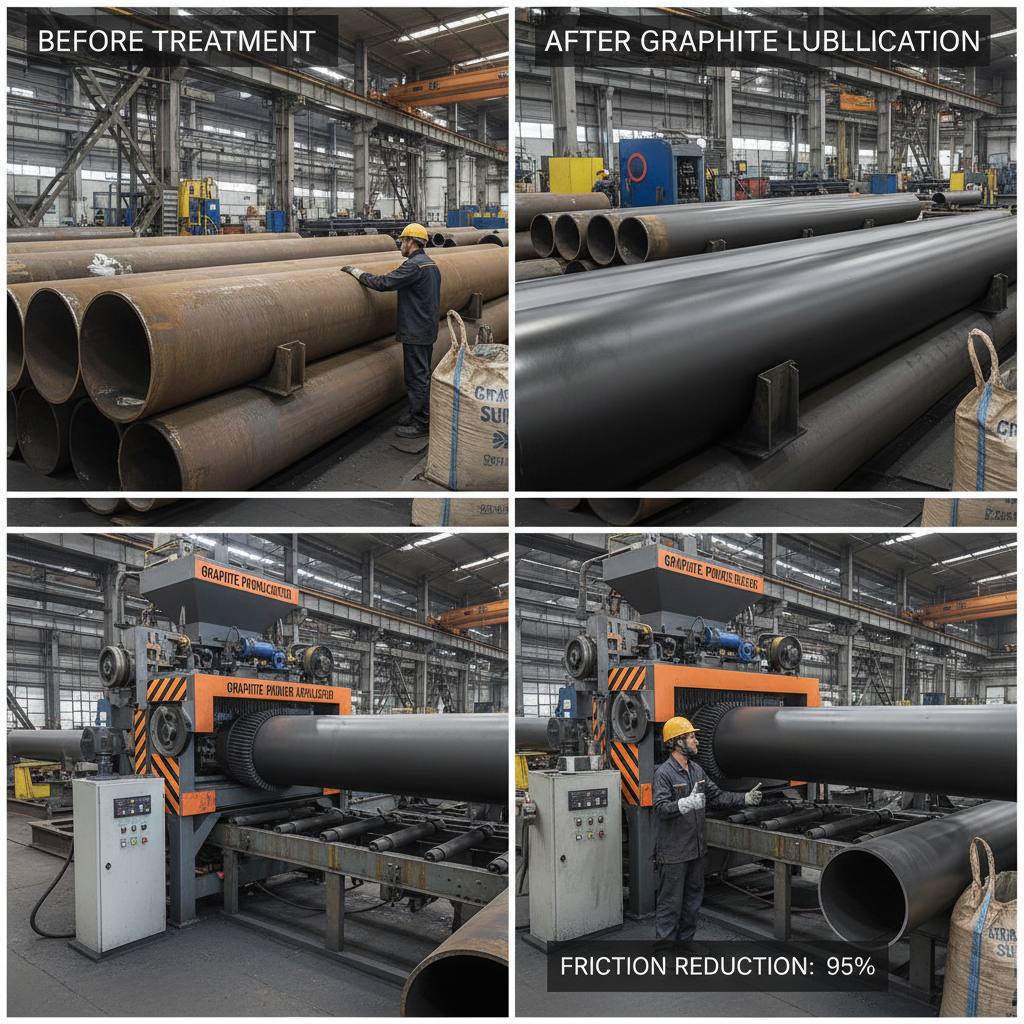
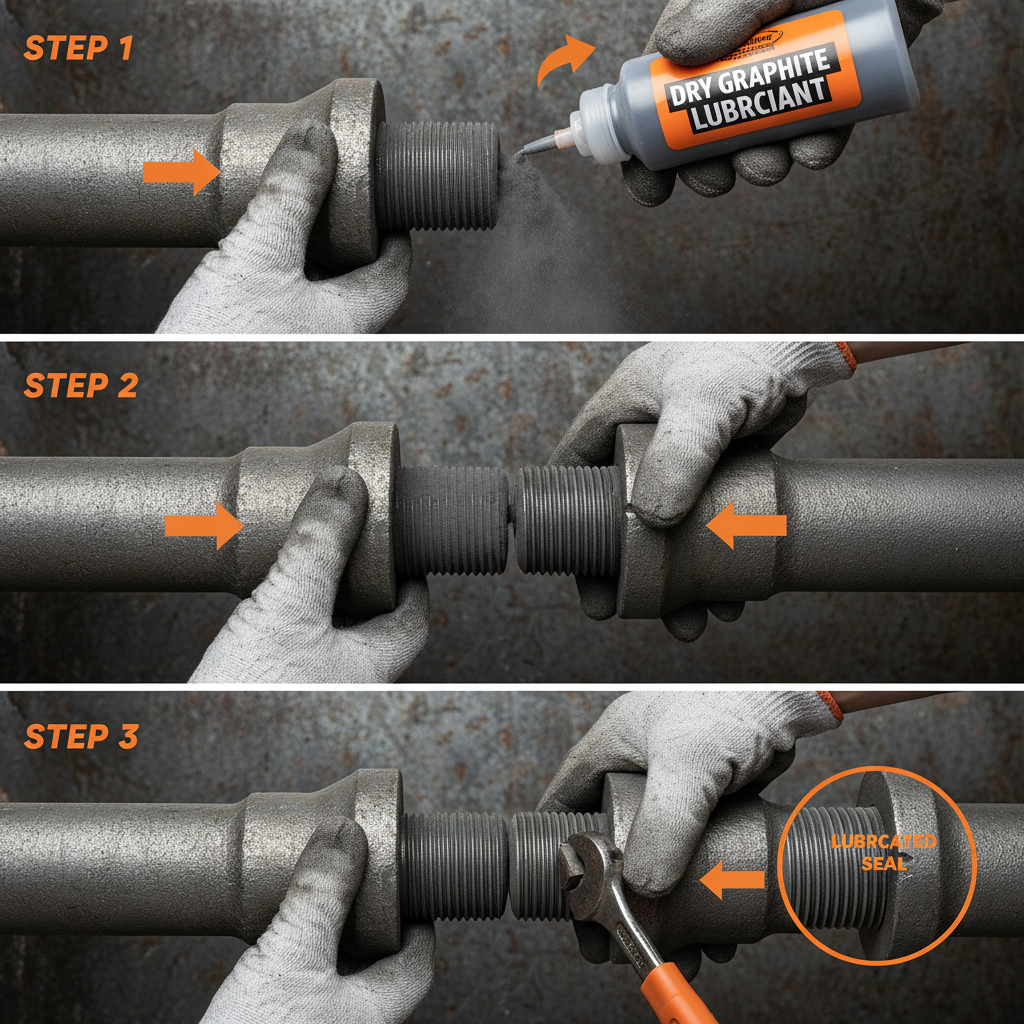
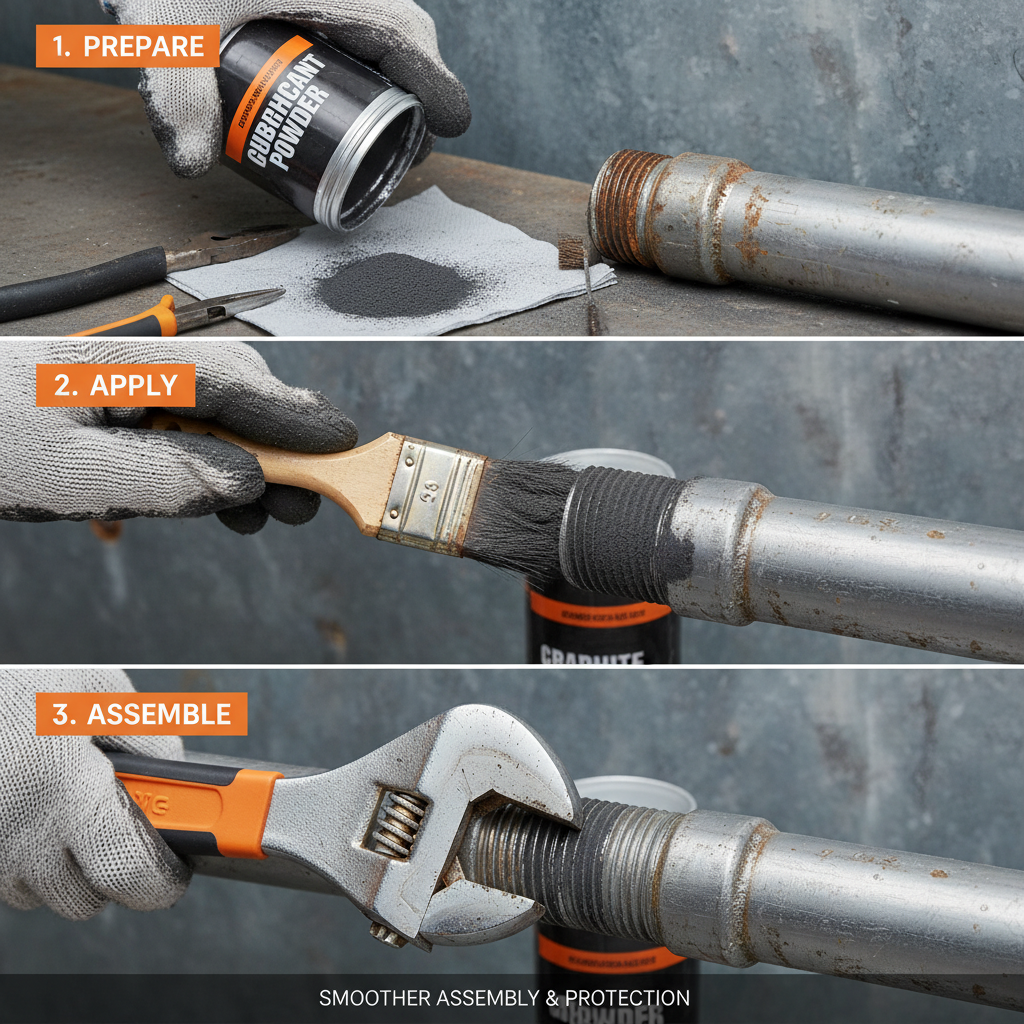
- Lubricants: Fine powdered graphite provides dry lubrication in extreme conditions, from heavy machinery in remote mining sites to delicate electronics assembly.
- Steel Manufacturing: Plays a role in casting molds and refractory products, where heat resistance is key.
- Electric Motors: A key conductive filler in brushes and components ensuring smooth motor operation.
We see clustering especially in Asia, where manufacturing bases and battery producers flourish — and increasingly in North America and Europe, where green energy is fueling demand.
Mini takeaway: Fine graphite powder isn’t just a niche product; it's a backbone in high-tech and heavy industry sectors worldwide.
Product Specification Table
| Specification | Typical Values | Unit |
|---|---|---|
| Particle Size (D50) | 3–15 | Microns |
| Carbon Content | ≥ 99.5% | % |
| Ash Content | ≤ 0.5% | % |
| Bulk Density | 0.3–0.7 | g/cm³ |
| Thermal Conductivity | 80–120 | W/m·K |
Comparing Top Fine Graphite Powder Vendors
| Vendor | Origin | Purity (%) | Available Grades | Typical Pricing |
|---|---|---|---|---|
| NL Graphite | Netherlands | 99.6+ | Battery grade, Industrial grade | $$$ |
| China Graphite Co. | China | 99.0–99.5 | Industrial, Lubricant grade | $–$$ |
| Graphite Canada | Canada | 99.7+ | Specialty battery grade | $$$ |
| Synthetic Graphite Inc. | USA | 99.9+ | Pure synthetic | $$$$ |
Advantages & Long-Term Value of Fine Graphite Powder
Alright, so what’s the real bottom line? Why commit to fine graphite powder and not some alternative?
- Cost-Effectiveness: Its wide availability, especially in natural forms, makes it affordable in comparison to many other conductive materials.
- Reliability & Durability: You get stable performance under high heat and friction — vital in engines, motors, and battery packs.
- Environmental Sustainability: When responsibly sourced, it supports greener tech like EV batteries, contributing to emission reductions.
- Trust & Innovation: Long history of consistent quality, plus continuous improvements in grinding and purification technology.
Plus, frankly, it just feels right to partner with a material that’s both time-tested and modern at once.
Future Trends in Fine Graphite Powder
Looking ahead, the landscape here is pretty electrifying. Innovations like silicon-graphite composites for batteries could redefine capacity and longevity. Plus, digital manufacturing techniques and AI-driven quality control might soon make batch-to-batch variation a thing of the past.
Renewables? They’re definitely leaning on graphite’s properties, be it for solar cell electrodes or smarter thermal management in wind turbines. Not to mention push for greener mining practices and synthetic alternatives aiming to balance cost and performance.
Challenges & How Industry Is Tackling Them
Of course, no material is without its headaches. Fine graphite powder faces challenges like environmental impact during mining, contamination risks, and supply chain bottlenecks. Chinese export restrictions in recent years shook the market, for example.
Innovators are responding through more efficient purification, recycling of spent batteries, and synthetic graphite R&D. A diversified supply chain and traceable sourcing help mitigate geopolitical or environmental risks.
Frequently Asked Questions About Fine Graphite Powder
Q1: How is fine graphite powder different from regular graphite?
A1: Fine graphite powder is processed to have much smaller particle sizes and higher purity than regular graphite flakes. This ensures better performance in specialized applications like battery anodes or lubricants where precision and consistency matter.
Q2: Can fine graphite powder be used in eco-friendly applications?
A2: Absolutely. When sourced responsibly, this powder supports green technologies such as electric vehicles and renewable energy equipment, making it a sustainable material choice in modern manufacturing.
Q3: What storage conditions does fine graphite powder require?
A3: To maintain quality, it should be stored in a dry, cool environment away from contaminants. Because it’s fine and lightweight, keeping it sealed prevents moisture absorption and oxidation.
Q4: How does particle size affect the performance of graphite powder?
A4: Smaller particle sizes usually improve conductivity and surface area, which can enhance battery performance and lubrication. However, too fine can cause handling difficulties, so manufacturers balance size with application needs.
Q5: Is synthetic graphite powder better than natural?
A5: Synthetic graphite tends to offer higher purity and consistent quality, but it’s more expensive. Natural graphite is preferred when cost and scalability are priorities, especially for large-scale industrial uses.
Wrapping It Up: Why Fine Graphite Powder Matters for the Future
So here we are: a simple powder but a powerful foundation for many modern technologies. From powering the EV revolution to bolstering industrial durability, fine graphite powder holds a quiet but critical place in the global supply chain.
If you ask me, it’s worth paying attention to this material not just because of what it is, but what it enables. Whether you’re an engineer, manufacturer, or sustainability advocate, understanding fine graphite powder might just be the edge you need.
Explore more about fine graphite powder and its applications at NL Graphite.
References:
 Pervious
 Next
Next