

- Englist


Find High Quality Graphite Crucible for Sale and Expert Guidance

Graphite Crucible for Sale: Your Ultimate Guide
When sourcing high-quality materials for industrial processes, a reliable graphite crucible is essential. These crucibles are critical for applications requiring high-temperature resistance and chemical inertness. This article will provide a comprehensive overview of graphite crucibles, their applications, key considerations when purchasing, and why NL Graphite is a trusted supplier. Understanding the nuances of graphite crucibles ensures optimal performance and longevity for your operations.
What is a Graphite Crucible?
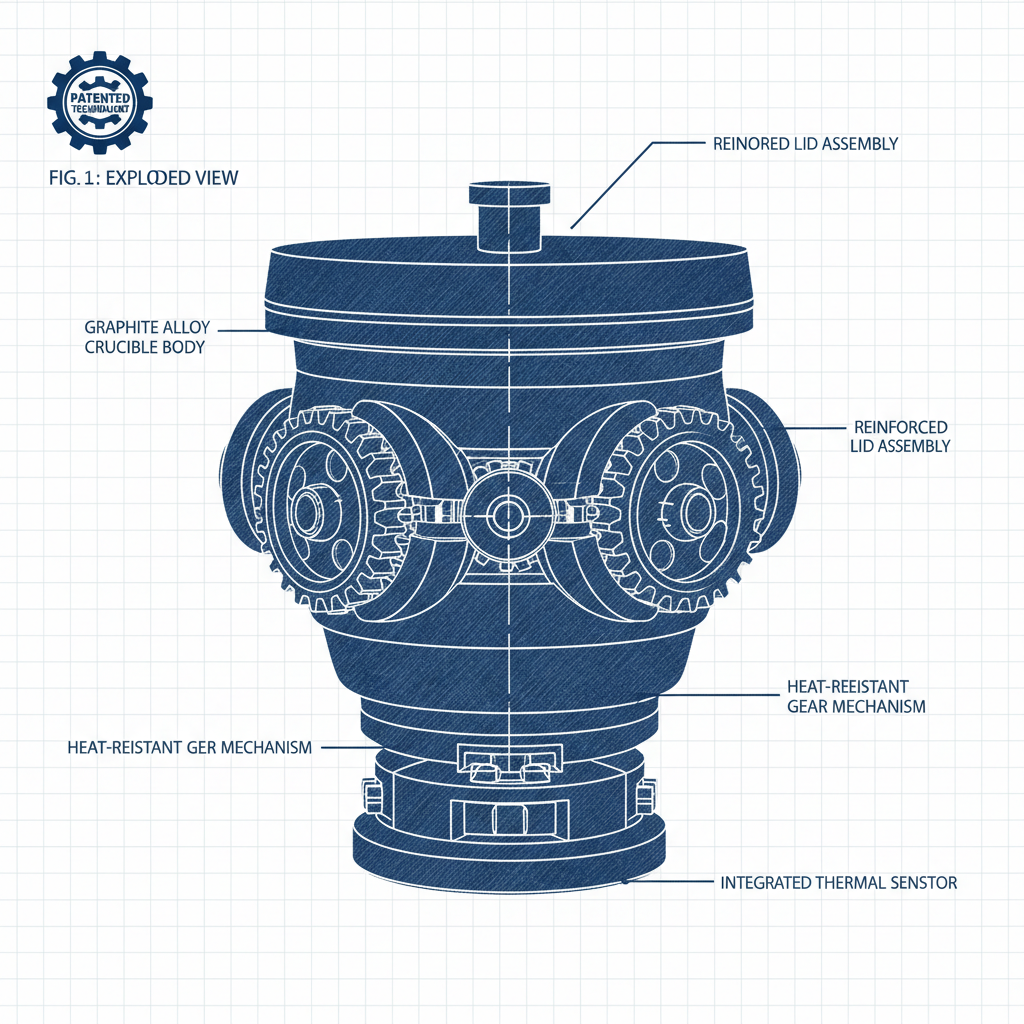
A graphite crucible is a vessel made from graphite, a form of carbon, specifically designed to withstand extremely high temperatures. Graphite’s unique properties – including high melting point (3,652°F / 2,011°C), excellent thermal conductivity, and chemical inertness – make it ideal for melting, holding, and transporting molten metals, glass, and other materials. They are commonly used in industries such as metal casting, jewelry making, analytical chemistry, and semiconductor manufacturing. A quality graphite crucible for sale is a vital component in many industrial processes.
Key Properties: High melting point, excellent thermal conductivity, chemical inertness, good strength at high temperatures, and resistance to thermal shock.
Applications of Graphite Crucibles
Graphite crucibles find diverse applications across various industries. In metal casting, they are used for melting and pouring metals like aluminum, brass, silver, and gold. The jewelry industry relies on them for precision melting of precious metals. Analytical laboratories utilize them for sample preparation and high-temperature reactions. Semiconductor manufacturing requires their purity and high-temperature capabilities for crystal growth and material processing. Furthermore, they are critical in the production of single-crystal silicon and other specialized materials. Choosing the right graphite crucible for sale depends on the specific application.
Application Areas:
• Metal Casting (Aluminum, Brass, etc.)
• Jewelry Making (Gold, Silver)
• Analytical Chemistry (Sample Preparation)
• Semiconductor Manufacturing (Crystal Growth)
Graphite Crucible for Sale: Key Considerations
When purchasing a graphite crucible for sale, several factors are crucial to consider. The purity of the graphite is paramount, as impurities can contaminate the molten material. The crucible's density affects its strength and thermal shock resistance. The grain size influences its texture and performance. Furthermore, consider the crucible’s shape and size to suit your specific application and melting volume. The manufacturing process also plays a significant role in the crucible’s overall quality and longevity. Proper selection ensures optimal performance and minimizes the risk of failure.
Why Choose NL Graphite for Your Crucible Needs?
NL Graphite is a leading supplier of high-quality graphite crucibles. We offer a wide range of sizes and grades to meet diverse industrial requirements. Our crucibles are manufactured using advanced techniques and undergo rigorous quality control to ensure superior performance and durability. We are committed to providing excellent customer service and competitive pricing. When you choose NL Graphite, you're investing in reliability, consistency, and expert support. We specialize in providing tailored solutions and rapid delivery to meet your specific operational needs.
Understanding Graphite Crucible Grades
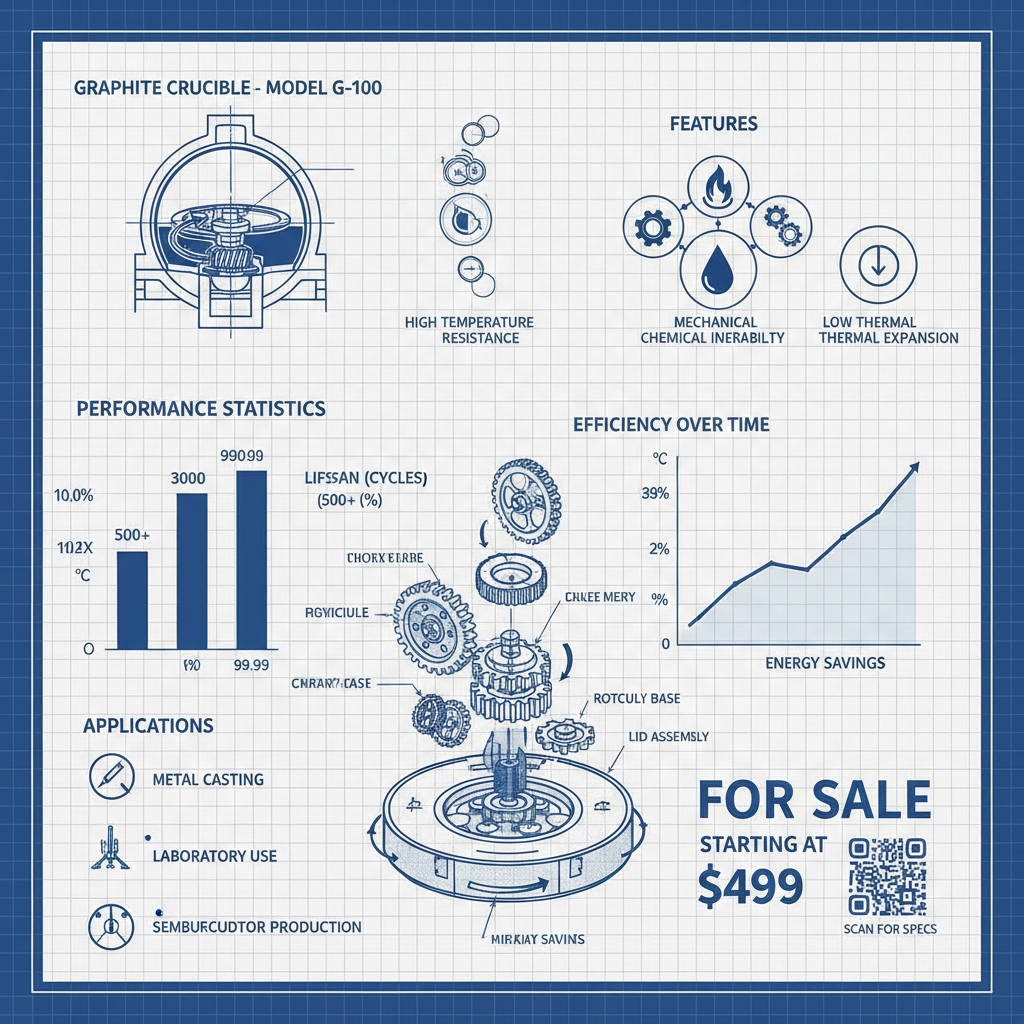
Graphite crucibles come in various grades, each offering different properties suited for specific applications. The grade is determined by the purity, grain size, and density of the graphite. Common grades include: Isostatic, Molded, and Extruded. Isostatic graphite offers superior strength and homogeneity, ideal for demanding applications. Molded graphite provides good thermal shock resistance, while extruded graphite is cost-effective for general-purpose use. Choosing the correct grade ensures optimal performance and extends the crucible's lifespan. NL Graphite can assist you in selecting the appropriate grade for your needs.
Conclusion: Investing in Quality Graphite Crucibles
Investing in a high-quality graphite crucible is crucial for efficient and reliable industrial processes. By choosing the right crucible grade and supplier, such as NL Graphite, you can ensure optimal performance, minimize downtime, and maximize your return on investment. Don't compromise on quality – choose a graphite crucible that meets your specific needs and standards.
Frequently Asked Questions (FAQs)
What is the typical lifespan of a graphite crucible?
The lifespan of a graphite crucible varies depending on usage conditions, temperature cycles, and the purity of the melted materials. Generally, a properly maintained crucible can last for several hundred cycles. However, factors like thermal shock, chemical attack, and mechanical wear can shorten its lifespan. Regular inspection for cracks, erosion, and changes in dimensions is crucial for determining when to replace the crucible. NL Graphite offers guidance on crucible maintenance and replacement schedules.
How should graphite crucibles be stored?
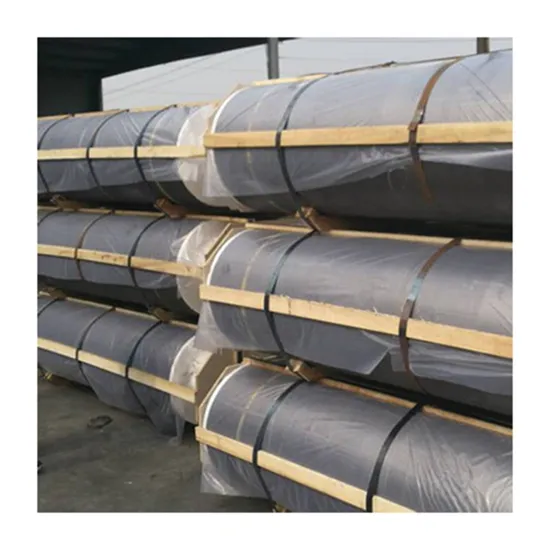
Proper storage is essential for maintaining the integrity of graphite crucibles. They should be stored in a dry, well-ventilated area, away from direct sunlight and moisture. Avoid storing them in contact with metal surfaces, as this can lead to contamination. It's also recommended to store them in their original packaging or a protective container to prevent physical damage. Keeping them clean and dry significantly extends their lifespan and ensures optimal performance when you need them.
Can graphite crucibles be repaired?
While minor cracks can sometimes be repaired by specialized graphite machining facilities, it's generally not recommended to repair significantly damaged crucibles. Repairs can compromise the crucible's structural integrity and increase the risk of failure during operation. It's typically more cost-effective and safer to replace a damaged crucible rather than attempt a repair. NL Graphite advises replacement for optimal safety and performance.
What safety precautions should be taken when handling graphite crucibles?
Always wear appropriate personal protective equipment (PPE), including gloves, safety glasses, and a dust mask, when handling graphite crucibles. Graphite dust can be irritating to the skin and respiratory system. Avoid dropping or subjecting the crucible to sudden impacts, as this can cause it to crack or break. Ensure the crucible is properly supported during use and allow it to cool completely before handling. Always follow safe operating procedures and consult the manufacturer's instructions for specific recommendations.
 Pervious
 Next
Next