

- Englist



Graphite Bar Applications in Aerospace Engineering

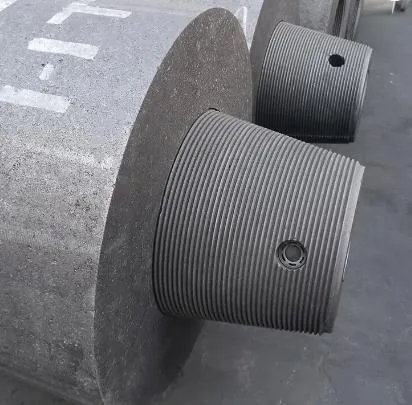
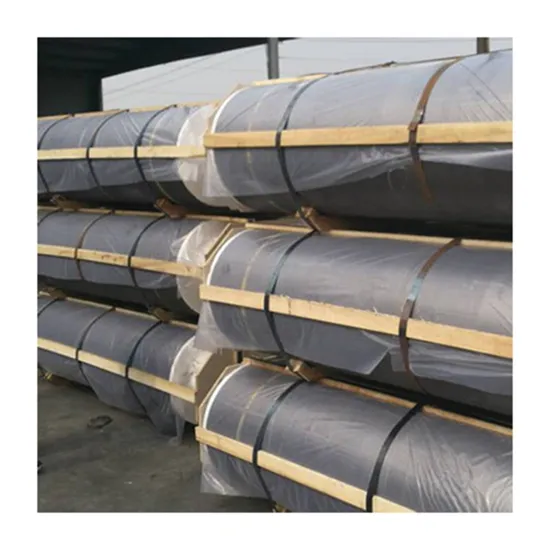
In the demanding field of aerospace engineering, materials must withstand extreme temperatures, harsh chemicals, and rigorous mechanical stress. Graphite bar, graphite rod, and rod graphite have emerged as indispensable components, thanks to their exceptional properties—high temperature resistance, thermal conductivity, and chemical stability. Shijiazhuang Nalai Biotechnology Co., Ltd., a professional manufacturer integrating design, development, and production of graphite products (including graphite rods, blocks, and crucibles), plays a key role in this sector. With 30 technicians and 360 skilled workers, along with a strict quality control system, the company produces high-purity graphite rod options that meet aerospace standards, including custom styles tailored to specific engineering needs.
Thermal Management Systems Using Graphite Rod
- Heat Shields and Thermal Dissipators: Graphite rod and graphite bar are used in heat shields for spacecraft and rocket components, where they dissipate extreme heat generated during re-entry into the Earth’s atmosphere. Their ability to withstand temperatures over 3000°C in inert environments prevents structural damage, ensuring the safety of payloads and crew.
- Cooling Elements in Engines: Jet and rocket engines rely on rod graphiteto regulate temperatures in critical areas like combustion chambers. The material’s excellent thermal conductivity allows it to absorb and distribute heat evenly, preventing hotspots that could lead to engine failure. This is particularly vital in supersonic and hypersonic vehicles, where friction with the atmosphere creates intense heat.
- Thermal Insulation Layers: Machined graphite barcomponents form part of multi-layer insulation systems in satellites and space probes. Their low thermal expansion ensures they maintain structural integrity in the extreme temperature fluctuations of space, from frigid cold to intense solar radiation.
Structural and Support Roles of Graphite Bar in Aerospace
- Satellite Antenna Supports: Graphite rodserves as lightweight yet sturdy supports for satellite antennas. Their high mechanical strength and low density reduce overall spacecraft weight, improving fuel efficiency during launch and orbit. Additionally, rod graphite’s resistance to corrosion from cosmic radiation ensures long-term reliability in space.
- Rocket Nozzle Components: The nozzles of rockets, which direct exhaust gases and generate thrust, depend on graphite barfor their structural stability. The material’s resistance to high-temperature gases and chemical erosion from propellants (like liquid oxygen and hydrogen) makes it ideal for this critical application, outperforming many metal alternatives.
- Precision Guides in Avionics: In aircraft avionics, graphite rodis used as precision guides for moving parts in navigation systems. Their low friction and high machinability allow for tight tolerances, ensuring accurate movement even in high-vibration environments—essential for maintaining navigation accuracy during flight.
Electrical Applications of Graphite Rod in Aerospace Engineering
- Electrodes in Plasma Propulsion: Graphite rodacts as electrodes in plasma thrusters, which propel satellites and deep-space probes. The material’s excellent electrical conductivity and resistance to plasma erosion make it ideal for generating and sustaining the high-energy plasma needed for efficient, long-duration thrust.
- Static Discharge Protection: Aircraft and spacecraft use graphite barto safely discharge static electricity built up during flight. This prevents electrical interference with sensitive instruments and reduces the risk of sparks that could ignite fuel vapors, highlighting the material’s dual role in electrical and safety systems.
- Sensors and Instrumentation: Miniaturized rod graphitecomponents are integrated into aerospace sensors, where their chemical stability ensures accurate readings in corrosive environments (e.g., measuring atmospheric composition during planetary exploration). Their ability to maintain performance in extreme conditions makes them reliable for long-duration missions.
Comparing Graphite Bar to Other Aerospace Materials
|
Material |
Temperature Resistance |
Weight (Density) |
Corrosion Resistance |
Best Aerospace Application |
|
Graphite Bar |
Up to 3000°C (inert) |
Low (2.2 g/cm³) |
High (acids, alkalis) |
Heat shields, rocket nozzles |
|
Titanium Alloys |
Up to 600°C |
Medium (4.5 g/cm³) |
High (oxidizing environments) |
Airframe structures, engine parts |
|
Ceramic Composites |
Up to 2000°C |
Low (3.0 g/cm³) |
Very High |
Thermal barriers, high-heat engine components |
|
Nickel Superalloys |
Up to 1200°C |
High (8.0 g/cm³) |
Medium |
Turbine blades, engine casings |
Graphite bar outperforms most materials in high-temperature and corrosive environments while offering a favorable strength-to-weight ratio, making it unique for extreme aerospace applications.
Graphite Rod FAQS
Why Are Graphite Bar Preferred Over Metals in Aerospace Heat Systems?
Graphite bar withstands much higher temperatures (over 3000°C) than metals like titanium or nickel alloys, which fail above 1200°C. Additionally, their low weight and chemical stability make them better suited for extreme heat environments like re-entry vehicles and rocket engines.
Can Graphite Rod Withstand the Vacuum of Space?
Yes, graphite rod performs exceptionally well in vacuum conditions. Its ability to resist thermal shock and maintain structural integrity without oxygen-induced oxidation makes it ideal for space applications, from satellites to deep-space probes.
How Are Custom Graphite Bar Made for Specific Aerospace Needs?
Custom graphite bar is machined to precise dimensions using advanced techniques like CNC milling. Shijiazhuang Nalai Biotechnology Co., Ltd. offers tailored solutions, adjusting factors like purity, density, and shape to meet unique aerospace requirements, such as lightweight supports or high-precision electrodes.
What Makes Rod Graphite Resistant to Aerospace Fuels and Chemicals?
Rod graphite is chemically inert to most aerospace fuels (like hydrazine) and corrosive gases (like nitrogen tetroxide). Its stable atomic structure prevents reactions, ensuring it doesn’t degrade or contaminate fuel systems, a critical trait for long-term mission reliability.
Are Graphite Rod Cost-Effective for Aerospace Applications?
While graphite rod has higher upfront costs than some metals, its durability and performance in extreme conditions reduce maintenance and replacement needs—making it cost-effective for long-duration aerospace missions. Shijiazhuang Nalai’s efficient production processes further optimize costs for custom aerospace-grade graphite components.
 Pervious
 Next
Next