

- Englist


How to Clean and Maintain Graphite Pipes for Longevity

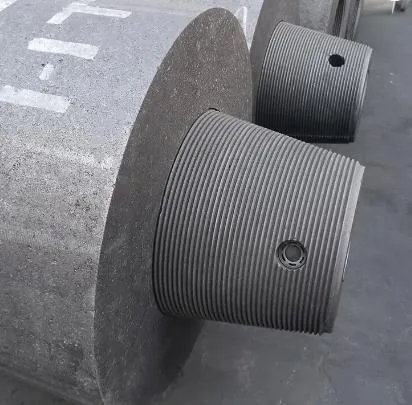
Graphite pipe and graphite tubes are vital components in industries like metallurgy, chemical processing, and semiconductor manufacturing, thanks to their high temperature resistance, thermal conductivity, and chemical stability. To ensure these components perform optimally over time, proper cleaning and maintenance are essential. Shijiazhuang Nalai Biotechnology Co., Ltd., a professional manufacturer integrating design, development, and production of graphite products—including graphite electrodes, rods, blocks, and crucibles—understands the importance of longevity. With 30 technicians and 360 skilled workers, along with a strict quality control system, the company produces high-purity graphite tubes that can withstand extreme temperatures up to 3000°C, making their maintenance insights invaluable.
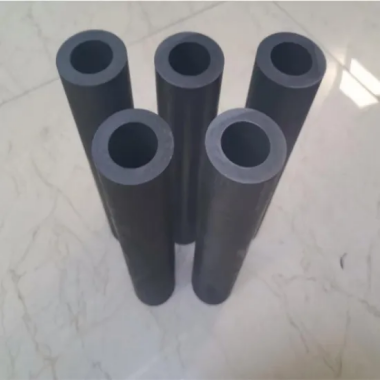
Daily Cleaning Practices for Graphite Pipe
- Removing Surface Residues: After each use, wipe the graphite pipe with a soft, dry cloth to remove loose debris, dust, or powdery residues. For stubborn particles, use a brush with gentle bristles—avoiding metal brushes that can scratch the surface. This prevents buildup that could interfere with thermal conductivity or chemical resistance during subsequent use.
- Mild Chemical Cleaning: For residues from chemical reactions (like salts or organic compounds), clean the graphite tubewith a dilute solution of distilled water and mild detergent. Rinse thoroughly with distilled water to avoid leaving mineral deposits, then air-dry completely. This method is safe for most applications, as graphite tubes resist corrosion from mild acids and alkalis.
- Avoiding Abrasive Materials: Never use abrasive cleaners, steel wool, or harsh solvents (like concentrated acids) on graphite pipeunless specified for heavy-duty industrial cleaning. These can damage the graphite’s surface, reducing its resistance to high temperatures and chemicals over time.
Deep Cleaning Techniques for Graphite Tubes
- Thermal Cleaning: For organic contaminants that resist chemical cleaning, thermal treatment is effective. Heat the graphite tubein an inert atmosphere (like nitrogen) to 800–1000°C for 1–2 hours. This burns off organic residues without damaging the graphite, which can withstand extreme temperatures. Cool the tube slowly afterward to prevent thermal shock.
- Ultrasonic Cleaning: For precision graphite tubes(e.g., those used in semiconductors), ultrasonic cleaning is ideal. Submerge the tube in a bath of distilled water or a mild cleaning solution, then use ultrasonic waves to dislodge tiny particles from crevices. This method is gentle yet thorough, preserving the tube’s machined precision.
- Acid Baths (for Industrial Use): In controlled industrial settings, a dilute nitric acid bath can remove metal oxides from graphite pipe This should only be done by trained personnel, as improper handling of acids can damage the graphite or pose safety risks. Always neutralize and rinse the tube thoroughly after acid cleaning.
Maintenance Tips to Extend Graphite Pipe Lifespan
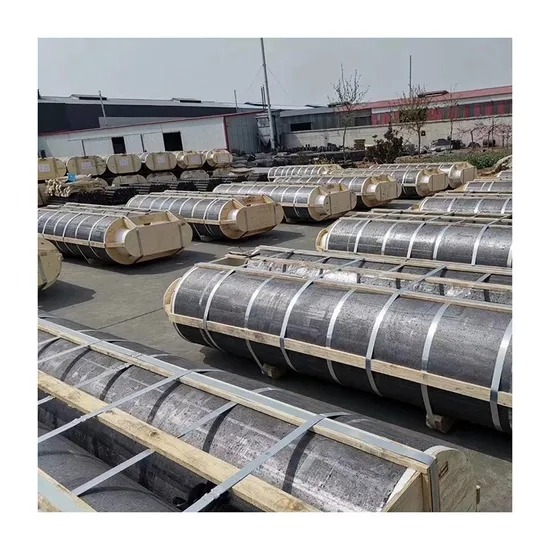
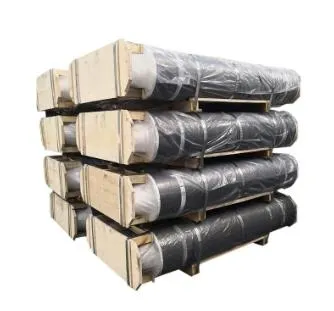
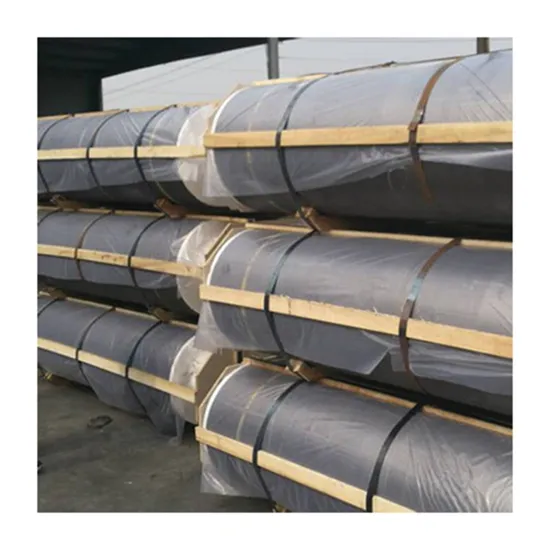
- Proper Storage: Store graphite tubesin a dry, dust-free environment, away from direct sunlight and extreme temperature fluctuations. Use padded racks or boxes to prevent physical damage—graphite is brittle and can crack if dropped or stacked improperly. Shijiazhuang Nalai’s custom packaging solutions often include protective cases to maintain product integrity during storage.
- Regular Inspection: Check graphite pipefor cracks, chips, or signs of oxidation (a white or gray powdery layer) before each use. Even small cracks can expand under high temperatures, leading to failure. Replace damaged tubes promptly to avoid operational disruptions.
- Controlling Operating Conditions: Avoid exceeding the maximum temperature rating (3000°C in inert/vacuum environments) of graphite tubes. Exposing them to oxygen at high temperatures causes oxidation, weakening the material. Use inert gases to shield the tube during high-heat processes whenever possible.
Comparing Cleaning Methods for Different Graphite Tube Applications
|
Application |
Common Contaminants |
Recommended Cleaning Method |
Frequency |
|
Metallurgy |
Metal oxides, slag residues |
Thermal cleaning + brush wiping |
After each shift |
|
Chemical Processing |
Organic compounds, salt deposits |
Mild detergent + distilled water rinse |
Daily |
|
Semiconductor Manufacturing |
Microscopic particles |
Ultrasonic cleaning |
Weekly |
|
Heat Treatment |
Carbon deposits |
Thermal cleaning in inert atmosphere |
Monthly |
Graphite Pipe FAQS
How Often Should Graphite Tubes Be Cleaned?
Clean graphite tubes after each use for daily applications (e.g., chemical processing). For high-precision uses (e.g., semiconductors), combine daily wiping with weekly ultrasonic cleaning. Heavy-industry tubes (e.g., metallurgy) may need thermal cleaning after each shift to prevent residue buildup.
Can Graphite Pipe Be Repaired If Cracked?
Minor cracks in graphite pipe cannot be reliably repaired, as the material’s structural integrity is compromised—especially under high temperatures. It’s safer to replace cracked tubes to avoid sudden failure during operation. Shijiazhuang Nalai offers quick replacements with custom-sized options to minimize downtime.
What Causes Graphite Tubes to Oxidize?
Graphite tubes oxidize when exposed to oxygen at temperatures above 500°C, forming brittle carbon dioxide. This is common in open-air high-heat processes. To prevent oxidation, use inert gas shielding or limit exposure to oxygen in high-temperature environments.
Is It Safe to Use Water on Graphite Pipe?
Yes, water is safe for cleaning graphite pipe, as graphite is water-resistant. However, ensure the tube is completely dry before use—moisture trapped in pores can expand when heated, causing cracks. Use compressed air to speed up drying if needed.
How Does Shijiazhuang Nalai Ensure Graphite Tubes Are Easy to Maintain?
Shijiazhuang Nalai produces high-purity graphite tubes with smooth, dense surfaces that resist residue buildup, making cleaning easier. Their strict quality control ensures uniform material structure, reducing the risk of premature wear. The company also provides maintenance guides tailored to specific applications, helping users maximize tube lifespan.
 Pervious
 Next
Next