

- Englist


Graphite EDM Electrodes: Precision Machining Solutions for Modern Manufacturing

Graphite EDM Electrodes: Unlocking Precision in Modern Manufacturing
If you've ever wondered how ultra-precise metal components get shaped with microscopic accuracy, then graphite EDM electrodes are part of that story. These specialized electrodes fuel Electrical Discharge Machining (EDM) — a vital technique used globally across aerospace, automotive, and tooling industries. Beyond just shaping metal, understanding graphite EDM electrodes reveals insights into cutting-edge manufacturing and the future of high-tech production.
Industry Context: Why Graphite EDM Electrodes Matter
Manufacturing is a cornerstone of the global economy — responsible for about 16% of the world’s GDP according to the World Bank. High-precision machining methods like EDM allow industries to meet demands for increasingly complex and miniaturized parts. Graphite EDM electrodes, in particular, have earned their spot on factory floors worldwide. The International Organization for Standardization (ISO) highlights that EDM ensures tight tolerances and minimal mechanical stress, crucial for sectors like aerospace and medical device manufacturing.
Yet, the manufacturing world faces challenges — materials are tougher, designs more intricate, and speed has become non-negotiable. Graphite EDM electrodes offer solutions here, enabling manufacturers to keep pace without sacrificing quality.
Mini takeaway: Graphite electrodes are more than just tools—they're enablers of modern precision manufacturing crucial for today's high-demand industries.
What Are Graphite EDM Electrodes?
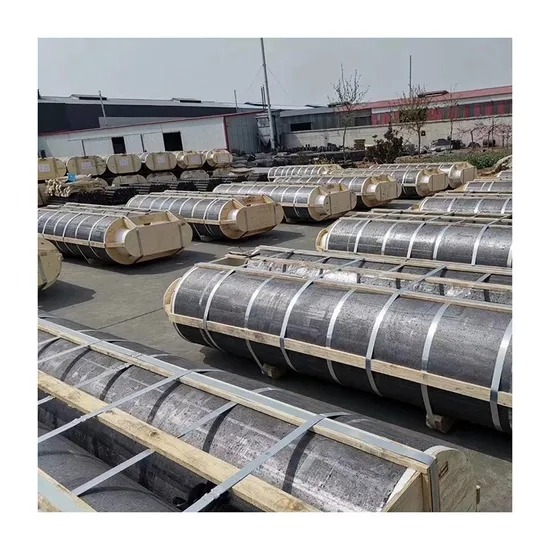
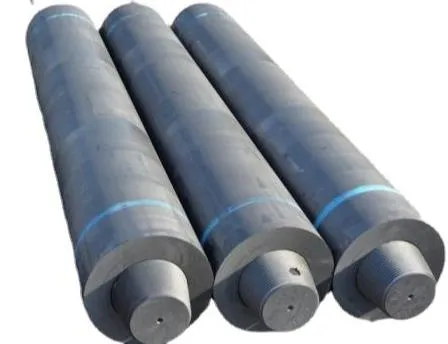
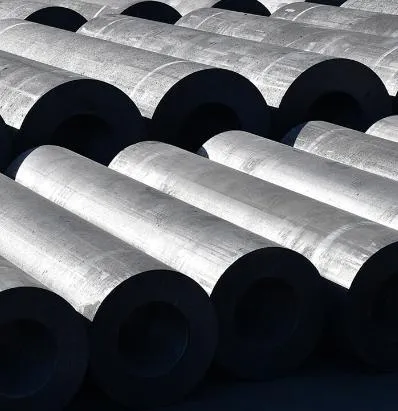
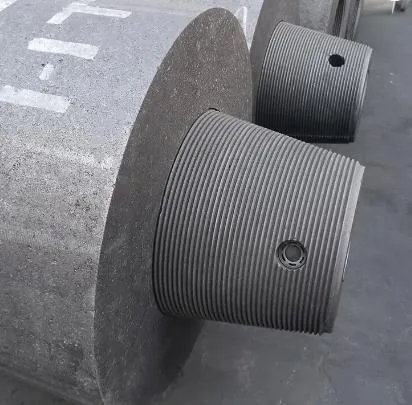
In simplest terms, graphite EDM electrodes are carbon-based conductive tools used in Electrical Discharge Machining to carve precise shapes and cavities in metals. During the EDM process, electric sparks jump from the electrode to the workpiece, eroding material in tiny increments. Because graphite conducts electricity well and withstands repeated sparking without melting quickly, it’s a preferred electrode material.
These electrodes connect deeply with modern industry’s needs—whether it’s crafting tiny micro-drills or forging molds for plastic parts used in humanitarian supplies. The carbon’s machinability also means electrodes can be shaped with incredible detail, responding to growing demands for complex geometries.
Key Features of Graphite EDM Electrodes
1. Durability
Graphite electrodes resist wear exceptionally well under intense sparking, meaning longer tool life and fewer replacements.
2. Thermal Stability
They tolerate high temperatures without deforming, keeping shape and ensuring dimensional accuracy during prolonged machining runs.
3. Machinability
Unlike metals, graphite is relatively easy to shape by CNC or manual means, allowing for rapidly crafted custom electrodes.
4. Cost Efficiency
While not the cheapest option, graphite electrodes offer an excellent balance of price, performance, and tool life — particularly when compared to copper or tungsten electrodes.
5. Electrical Conductivity
High conductivity is essential for generating consistent electrical discharge, which underpins the EDM process.
Mini takeaway: The unique blend of properties makes graphite EDM electrodes a versatile staple for precision machining applications.
Global Applications & Use Cases
EDM and its graphite electrodes are everywhere—from the aerospace hubs in Germany and the U.S., to automotive plants in Japan and China. For example:
- Aerospace: Crafting turbine blade molds needing intricate cooling channels.
- Medical Devices: Manufacturing molds for microcatheters or implants.
- Tool & Die: Producing molds that shape automotive body panels.
- Electronics: Creating precise connectors and housings.
In remote industrial zones as well, graphite EDM electrodes help produce specialized parts without relying on huge inventories or external supply chains. Plus, humanitarian manufacturing efforts benefit by locally producing precision molds for water pumps or medical equipment.
Product Specifications: Common Graphite EDM Electrodes
| Feature | Specification |
|---|---|
| Material | High-purity isotropic graphite |
| Density | 1.70 - 1.85 g/cm³ |
| Electrical Conductivity | >7000 S/cm |
| Thermal Conductivity | 100-140 W/mK |
| Max Operating Temp | >3000°C |
| Typical Electrode Life | 30-50 hours of EDM use |
Comparing Vendors: What to Look For
| Feature | Vendor A | Vendor B | Vendor C |
|---|---|---|---|
| Customization Options | High (CNC and manual) | Medium (standard shapes mostly) | High (3D sculpting capabilities) |
| Material Purity | 99.5% | 98.7% | >99.8% |
| Lead Time | 5-7 days | 10-14 days | 7-10 days |
| Pricing | Competitive | Budget | Premium |
| Sustainability Practices | Recycles scrap material | Limited | Focus on green sourcing |
Advantages & Long-Term Value
Using graphite EDM electrodes isn’t just “another option” — it often translates into substantial gains:
- Cost savings: Long electrode lifespan reduces frequent tool replacements.
- Sustainability: Graphite is recyclable, and some suppliers reuse scrap, reducing waste.
- Reliability: Consistency in electrode performance means better quality products.
- Social impact: By enabling local precision manufacturing, communities can access better medical devices or parts.
- Innovation-friendly: Their machinability supports rapid prototyping and agile design changes.
Future Trends & Innovations
The future for graphite EDM electrodes looks promising, especially with emerging graphite edm electrodes technologies. We’re seeing advances in nano-structured graphite materials that may deliver enhanced conductivity and resilience. Moreover, automation and AI in EDM centers enable more precise control, reducing electrode wear.
Sustainability is also steering innovations — greener production methods, recycling initiatives, and material certifications are becoming standard. As the green energy revolution accelerates, graphite electrodes might play a key part in manufacturing components for batteries or other energy tech.
Challenges & Solutions
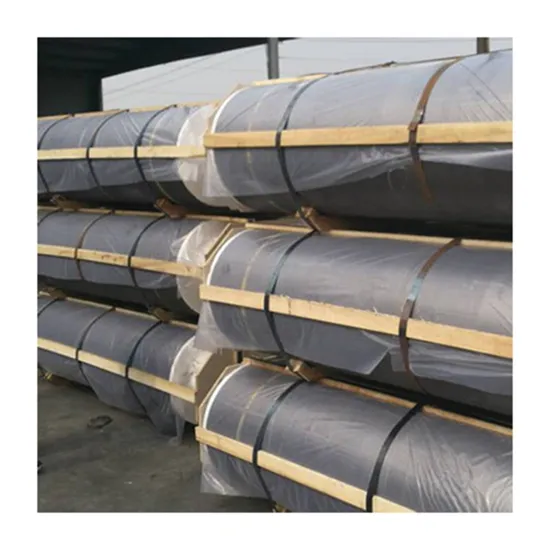
Of course, no material is perfect. Graphite electrodes can be brittle and prone to chipping if mishandled. Also, their porosity sometimes causes residue build-up affecting performance. Expert machinists recommend careful storage and regular surface conditioning to mitigate issues.
Some newer composite materials try to address these weak points, combining graphite with binders to improve toughness. Meanwhile, precise EDM parameter control helps minimize electrode degradation.
FAQ: Frequently Asked Questions About Graphite EDM Electrodes
- What distinguishes graphite EDM electrodes from copper ones?
- Graphite electrodes have higher thermal stability and machinability, making them better for complex shapes and extended use, whereas copper electrodes tend to offer faster machining but wear out quicker.
- How long do graphite EDM electrodes typically last?
- A typical graphite electrode lasts 30-50 hours of machining, though this depends on parameters like current, pulse duration, and electrode size.
- Can graphite electrodes be recycled?
- Yes. Scrap graphite material is often recycled by manufacturers, reducing waste and supporting sustainable production.
- Are graphite electrodes suitable for micro EDM applications?
- Definitely. Their ease of machining and conductivity make graphite electrodes ideal for creating ultra-fine features required in micro EDM.
- How to source quality graphite electrodes internationally?
- Look for suppliers with certified material purity, transparent manufacturing processes, and customization capabilities. Websites like nlgraphite.com are good starting points.
Conclusion + Call to Action
To sum up, graphite EDM electrodes are indispensable in achieving the ultra-precise machining today's industries demand. They blend durability, cost-efficiency, and versatility in a way that supports both innovation and sustainability in manufacturing. Whether you're in aerospace, automotive, or tooling, understanding and investing in quality graphite EDM electrodes pays off in reliable, high-performance production.
For businesses seeking expert-grade graphite EDM electrodes, consider exploring options at https://www.nlgraphite.com, where quality, customization, and support come together.
Oddly enough, what feels like a small component—an electrode—actually plays a huge role behind the scenes, quietly pushing the boundaries of precision manufacturing worldwide.
References:
1. World Bank, Manufacturing, Value Added - https://data.worldbank.org
2. ISO 9001 Standards on Machining – https://www.iso.org/iso-9001-quality-management.html
3. Wikipedia - Electrical Discharge Machining - https://en.wikipedia.org/wiki/Electrical_discharge_machining
 Pervious
 Next
Next