

- Englist


Ultra High Power Graphite Electrodes: Key to Sustainable and Efficient Steelmaking

Understanding Ultra High Power Graphite Electrodes: What They Are and Why They Matter Globally
At first glance, ultra high power graphite electrodes might seem like a mouthful of technical jargon best left to specialized engineers. But if you pause for a moment, you’ll realize these components are quietly supporting some of the most critical industries globally—especially steelmaking and electric arc furnace operations. Why does that matter? Well, the steel industry forms the backbone of infrastructure, transportation, and construction worldwide, meaning efficient, durable graphite electrodes directly influence how economies grow and sustain themselves. Grasping their role isn’t just industrial trivia—it's a window into modern manufacturing’s pulse and a nod toward sustainable production.
Mini takeaway: Ultra high power graphite electrodes, while technical, are essential enablers of global economic growth and industrial efficiency.
Global Context: Steel Production and Energy Demands
Steel production consumes roughly 7-9% of the world’s carbon emissions, according to the International Energy Agency (IEA). With the world pushing for decarbonization, ultra high power graphite electrodes have come under the spotlight because they facilitate electric arc furnace (EAF) steelmaking—a comparatively cleaner, more flexible process than traditional blast furnaces. As the global demand for steel increases (projected to reach over 2 billion metric tons by 2030 by World Steel Association), industries face the dual pressure of increasing efficiency while reducing environmental impact. This is where ultra high power graphite electrodes deliver value.
They enable ultra high current loads to be transferred into the furnace with minimal electrical resistance and damage, saving energy and reducing downtime. But challenges remain: electrode wear and consumption rates directly impact costs and emissions, and optimizing this balance is an ongoing engineering hurdle.
Mini takeaway: Ultra high power graphite electrodes are central to sustainable steelmaking amid growing global demands and environmental pressures.
What Exactly Are Ultra High Power Graphite Electrodes?
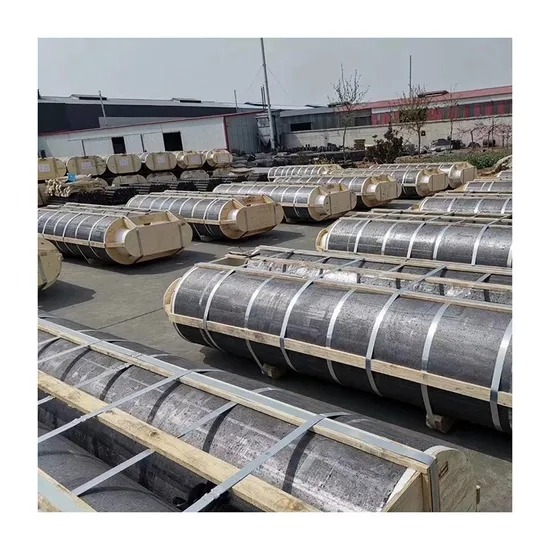
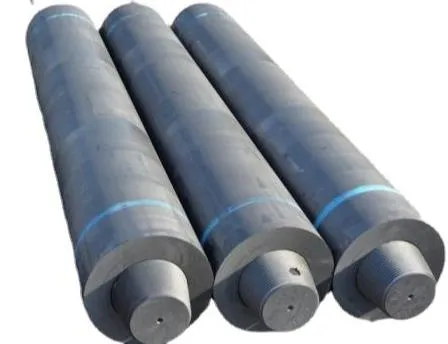
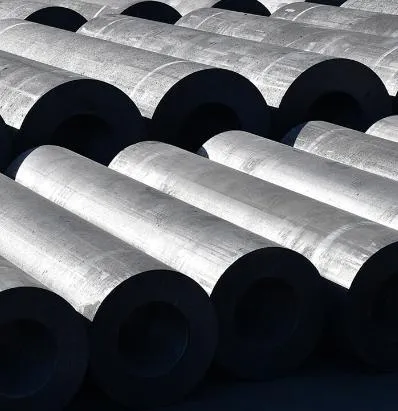
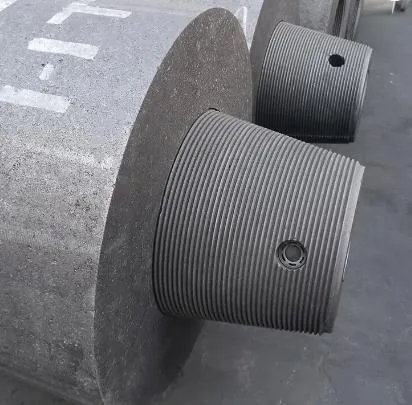
Simply put, these electrodes are rods made of high-purity graphite designed to conduct extremely high electrical currents into electric arc furnaces. Their ultra high power rating indicates they can safely carry current densities above 25,000 amperes per square inch, far more than regular electrodes. They resist heat, thermal shock, corrosion, and mechanical wear inside furnaces operating at temperatures above 3,000°C.
In real terms, their exceptional conductivity and robustness make them invaluable for industries like steel and ferroalloy production, where rapid, sustained, and intense electrical arcs melt scrap metal or ores efficiently. Beyond industry, their indirect impact on employment, urban development, and even humanitarian infrastructure projects is significant—because better materials mean stronger, more affordable infrastructure worldwide.
Mini takeaway: Ultra high power graphite electrodes are premium conductors that sustain intense electric arcs essential for modern steelmaking and heavy industries.
Core Components That Define Their Performance
Purity of Raw Materials
High-quality petroleum coke and needle coke form the base materials, ensuring minimal impurities like sulfur or ash, which can degrade performance. The purer the base, the higher the electrical conductivity and mechanical strength.
Graphitization Process
These electrodes undergo graphitization at over 2800°C, where raw carbonaceous materials convert to crystalline graphite, critical for heat resistance and electrical conduction.
Density and Porosity
Lower porosity means fewer gas pockets that can cause degradation. Ultra high power electrodes usually have higher density to reduce wear during intense electric arcs.
Electrode Geometry
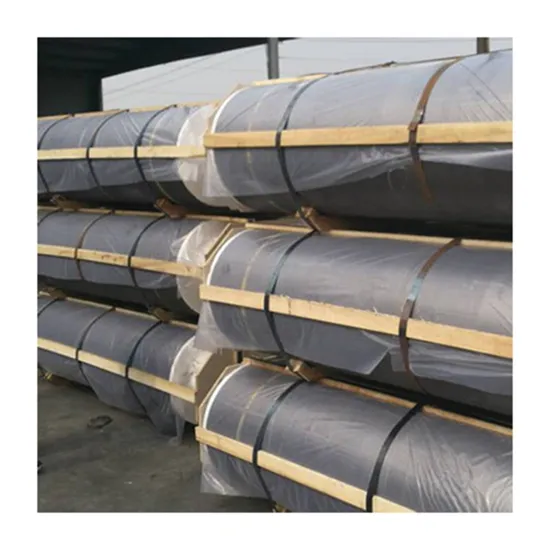
Diameter and length customization influence current capacity and furnace compatibility. Larger diameters carry more current but require more power to heat.
Coatings and Connectors
Specialized coatings and threaded joints facilitate easier installation, better electrical contact, and reduce oxidation.
Mini takeaway: The blend of raw materials, processing methods, and design intricacies defines electrode effectiveness and lifespan.
How Are Ultra High Power Graphite Electrodes Used Globally?
Their primary use is within electric arc furnaces across steel mills in China, India, Europe, and North America. Notably, China accounts for over 50% of global EAF steel production, driving massive demand for these electrodes.
- Steel Mills: Melting scrap steel efficiently.
- Ferroalloy Plants: Producing alloys critical for stainless steel and automotive industries.
- Recycling Facilities: Using electric arc furnaces for metal recycling.
Oddly enough, their importance even extends to remote industrial zones where mobile steelmaking units provide rapid infrastructure recovery after natural disasters. In such cases, high-quality electrodes reduce maintenance and downtime—key for quick rebuilding.
Mini takeaway: These electrodes are fundamental to global steel production, recycling, and emergency industrial initiatives.
Product Specifications at a Glance
| Specification | Typical Value | Unit |
|---|---|---|
| Diameter Range | 200 - 700 | mm |
| Current Carrying Capacity | 18,000 - 40,000 | Amperes |
| Resistivity | 6 - 8 | μΩ·m |
| Density | 1.75 - 1.80 | g/cm³ |
| Flexural Strength | > 20 | MPa |
Comparing Leading Ultra High Power Graphite Electrode Vendors
| Vendor | Material Purity | Production Capacity | Sustainability Initiatives | Price Range |
|---|---|---|---|---|
| Vendor A | Ultra High (≥99.8%) | 50,000 tons/year | Carbon neutral plants | $$$ |
| Vendor B | High (≥99.5%) | 30,000 tons/year | Recycling initiatives | $$ |
| Vendor C | Medium (≥99%) | 20,000 tons/year | Energy efficiency improvements | $ |
Advantages & Long-Term Value of Ultra High Power Graphite Electrodes
In real terms, using top-quality ultra high power graphite electrodes can:
- Enhance Energy Efficiency: Their low electrical resistance reduces energy losses, saving costs and lowering emissions.
- Increase Reliability: Durable electrodes minimize furnace downtime and maintenance—key for continuous operation.
- Promote Sustainability: Better electrodes help shift steelmaking towards greener methods, aligning with climate goals.
- Boost Economic Resilience: Stable steel supplies support construction, transportation, and manufacturing sectors.
- Build Trust & Safety: Reliable electrodes reduce electrical faults and safety incidents in high-voltage operations.
Many plant managers I’ve spoken with emphasize how electrode quality directly affects their operation’s bottom line and environmental footprint—there’s often an emotional connection to delivering robust, sustainable solutions to their communities.
Mini takeaway: Ultra high power graphite electrodes deliver both immediate operational gains and long-term social and environmental benefits.
Future Trends & Innovations in Graphite Electrode Technology
Exciting developments are underway: innovations in raw material sourcing, like bio-based cokes, offer greener alternatives. Digital monitoring of electrode wear through IoT and AI improves predictive maintenance — reducing unexpected costs. Moreover, automation in production enables more consistent quality. Policies pushing carbon neutrality encourage manufacturers to develop electrodes with longer lifespans and reduced carbon footprints.
Green energy integration is also relevant. For example, electrodes designed for renewable-powered electric arc furnaces can optimize fluctuating energy inputs—critical for future grids relying on solar or wind.
Mini takeaway: The future of ultra high power graphite electrodes is bright, driven by sustainability, digitalization, and innovation.
Challenges & How Industry Tackles Them
Despite advances, electrodes still face:
- Wear and Consumption: Thermal and chemical erosion shorten lifespan, increasing costs.
- Material Supply Constraints: Needle coke availability can be limited, driving prices up.
- Operational Variability: Fluctuating furnace conditions affect electrode performance.
Experts suggest diversified raw material sourcing, improved coating technologies, and real-time condition monitoring as effective solutions. Partnerships across suppliers, manufacturers, and operators are vital to share data and best practices.
Mini takeaway: Challenges remain, but ongoing R&D and collaboration are steadily improving electrode longevity and performance.
FAQ: Frequently Asked Questions About Ultra High Power Graphite Electrodes
Q1: Why are ultra high power graphite electrodes preferred over regular graphite electrodes?
A1: Ultra high power graphite electrodes offer greater current carrying capacity and durability, enabling electric arc furnaces to operate at higher power levels more efficiently and with less electrode wear. This translates to improved productivity and cost savings in heavy industries.
Q2: How long does a typical ultra high power electrode last in steel production?
A2: Lifespan can vary but typically ranges from 4 to 10 heats depending on operating conditions, electrode quality, and maintenance practices. Optimized use and monitoring can extend this significantly.
Q3: Are ultra high power graphite electrodes environmentally friendly?
A3: While electrodes themselves are made from carbon materials, their use in electric arc furnaces allows for recycling scrap steel and reduces reliance on blast furnaces, which emit more greenhouse gases. Moreover, newer production methods prioritize sustainability.
Q4: Can graphite electrodes be customized for specific furnaces?
A4: Yes, electrodes come in various diameters and lengths tailored to furnace size and power requirements, and coatings can be added to improve oxidation resistance or electrical contact.
Q5: Where can businesses source reliable ultra high power graphite electrodes?
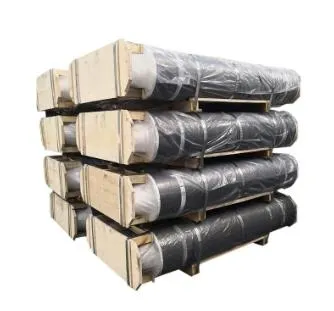
A5: Trusted suppliers with transparent material certifications and proven production standards offer the best reliability. For example, check out offerings from ultra high power graphite electrodes vendors who provide detailed specs and sustainability info.
Conclusion: Embracing the Backbone of Modern Steelmaking
In the grander scheme, ultra high power graphite electrodes might be unsung heroes, but their role is unmistakably foundational for modern industry’s growth and sustainability. Understanding their properties, applications, and challenges helps industry players make smarter choices that ripple out to social and environmental benefits.
If you’re in the market or simply curious, exploring the latest options and innovations in ultra high power graphite electrodes can unlock efficiency gains and sustainability breakthroughs. Don’t hesitate to visit our website for detailed product information and expert guidance.
Thanks for sticking with me through this deep dive—sometimes the small but mighty parts tell the biggest stories.
Keep in mind: The steel industry and electrode manufacturing are fields of continuous research. Some details, especially around emerging materials, may evolve as new breakthroughs occur.
Quick reflection: It feels rewarding to spotlight such a pivotal technology, often overlooked yet critical. Every time a furnace fires up efficiently, graphite electrodes make it possible.
References
 Pervious
 Next
Next