

- Englist



Graphite Fine Powder: Key Properties, Applications & Industry Insights

Understanding Graphite Fine Powder: A Small Yet Mighty Industrial Marvel
If someone mentioned “graphite fine powder” a decade ago, they might’ve got a confused look. Today, though, this unassuming black powder quietly underpins countless industries—everything from electric vehicles to advanced lubricants to aerospace components. Globally, it’s become a cornerstone material in the transition toward cleaner energy and smarter technologies, making it worth a closer look.
Graphite fine powder plays a crucial role in modern manufacturing and innovation. With rising demand fueled by electrification and green tech, understanding its properties and applications isn’t just for scientists or industrial engineers—it matters at every level, from policymakers down to product designers and even curious readers like yourself.
Mini takeaway: Graphite fine powder is a vital, versatile material quietly powering global technological shifts including sustainability and electric mobility.
The Global Context: Why Is Graphite Fine Powder Suddenly So Important?
Worldwide, graphite demand is skyrocketing. The UN’s recent industrial mineral reports (2023) point to a forecasted 700% increase in graphite consumption by 2040, largely driven by lithium-ion batteries.1 China currently dominates the graphite supply chain, but other regions like Africa, Canada, and Brazil are racing to meet this rising market.
However, meeting demand isn’t straightforward. Key challenges include consistent quality, ethical mining, and sustainable processing of graphite fine powder. Many industries are wrestling with these dilemmas because graphite quality directly impacts battery longevity, lubrication efficiency, and even aerospace safety.
Another twist: fine graphite powders enable more compact, high-performing products but require delicate handling and precise specifications—a tough balance in mass production. This makes innovations in powder refinement and application methods not just desirable but essential.
Mini takeaway: The soaring global demand for graphite fine powder, especially due to green tech, underscores the need for quality control and sustainability in its sourcing and use.
What Exactly Is Graphite Fine Powder?
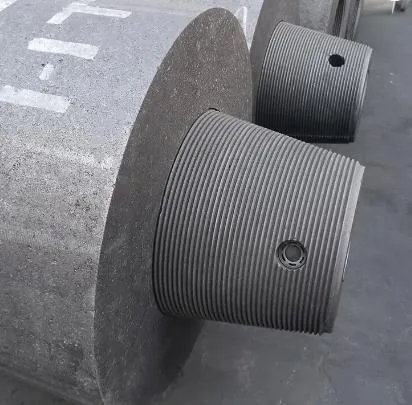
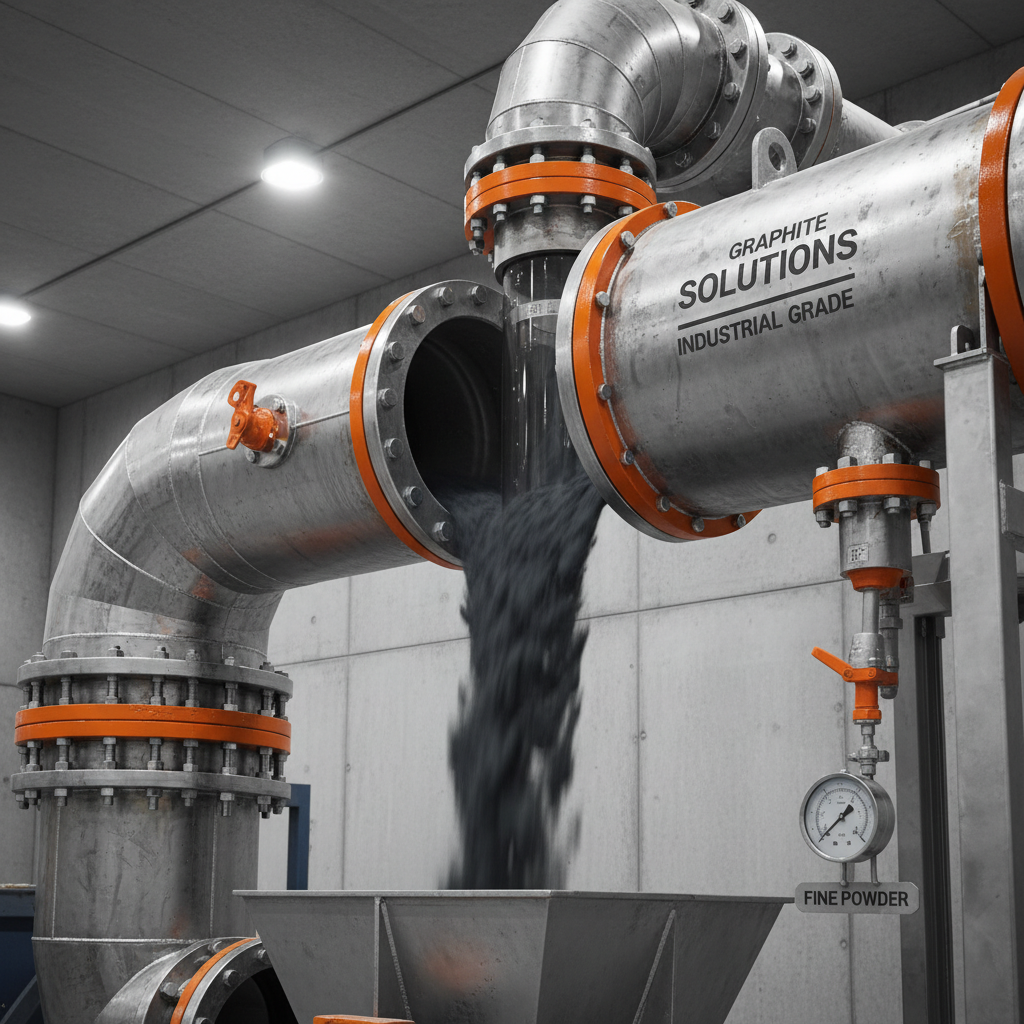
Simply put, graphite fine powder is finely crushed graphite—a carbon allotrope notable for its layered crystalline structure. Unlike larger graphite chunks, this powder consists of ultra-small particles, typically under 45 microns, that can easily integrate into advanced composites or act as a lubricating agent.
Graphite’s natural lubricity, combined with its excellent electrical and thermal conductivity, means this powder isn’t just “dust” but a functional ingredient essential in batteries, conductive coatings, brake linings, and more.
On a humanitarian note, graphite fine powder is also proving useful in remote zones by enabling the manufacture of robust, lightweight components close to the point of use—reducing logistics chain risks in fragile regions. So it's got a foot in cutting-edge tech and a helping hand in practical, on-the-ground solutions.
Core Characteristics that Define Graphite Fine Powder
1. Particle Size Distribution
The finer the powder, the greater the surface area—which can enhance reactivity or conductivity but also makes controlling dust important during handling. Industries often specify median particle sizes, e.g. 10-20 microns, to fine-tune product performance.
2. Purity Level
Highly purified graphite powders (above 99.5% carbon) are standard for battery production, while lower grades might be used for lubricants or refractory materials. It’s like choosing between fine wine and table wine—context matters.
3. Conductivity and Thermal Stability
Graphite’s layered structure facilitates electron flow and heat dissipation. In batteries or electronics, this boosts efficiency while preventing overheating. If your tech feels cooler to the touch, graphite might be at work.
4. Lubricating Properties
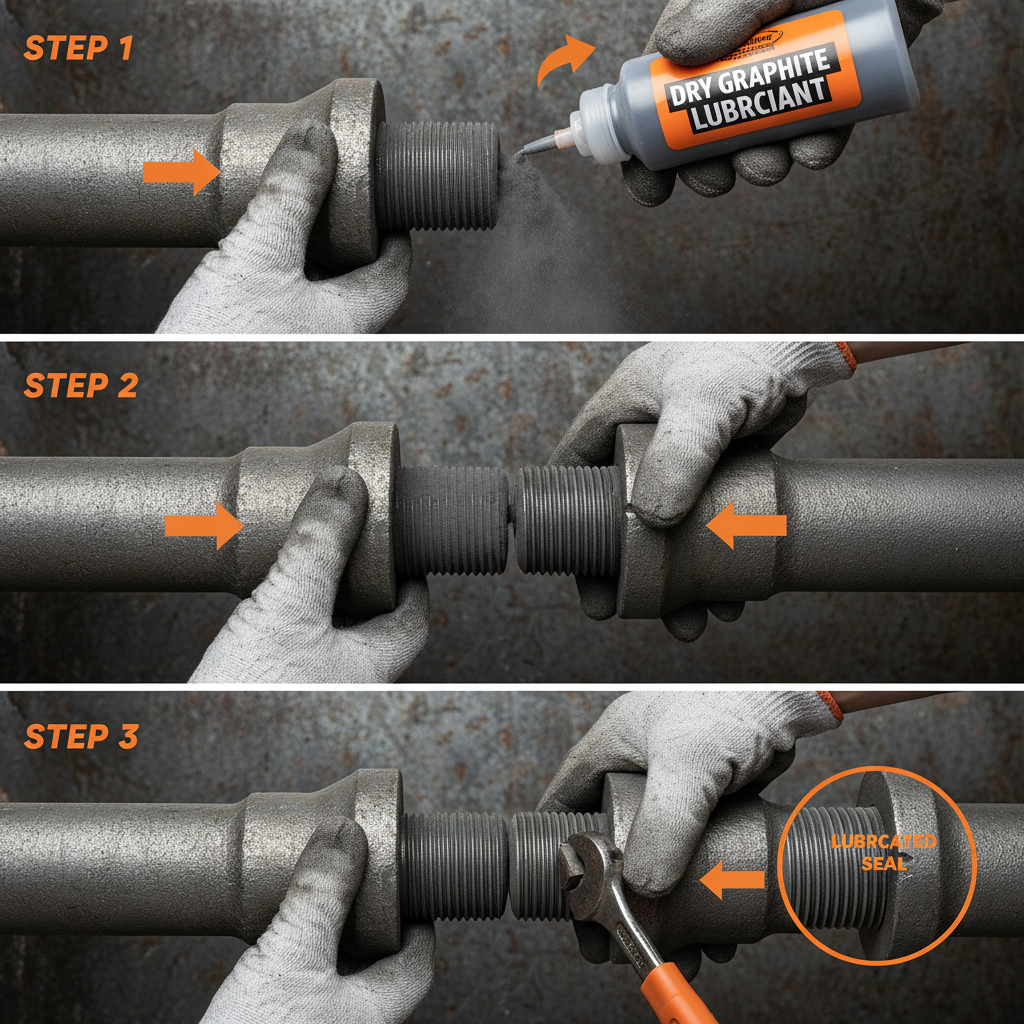
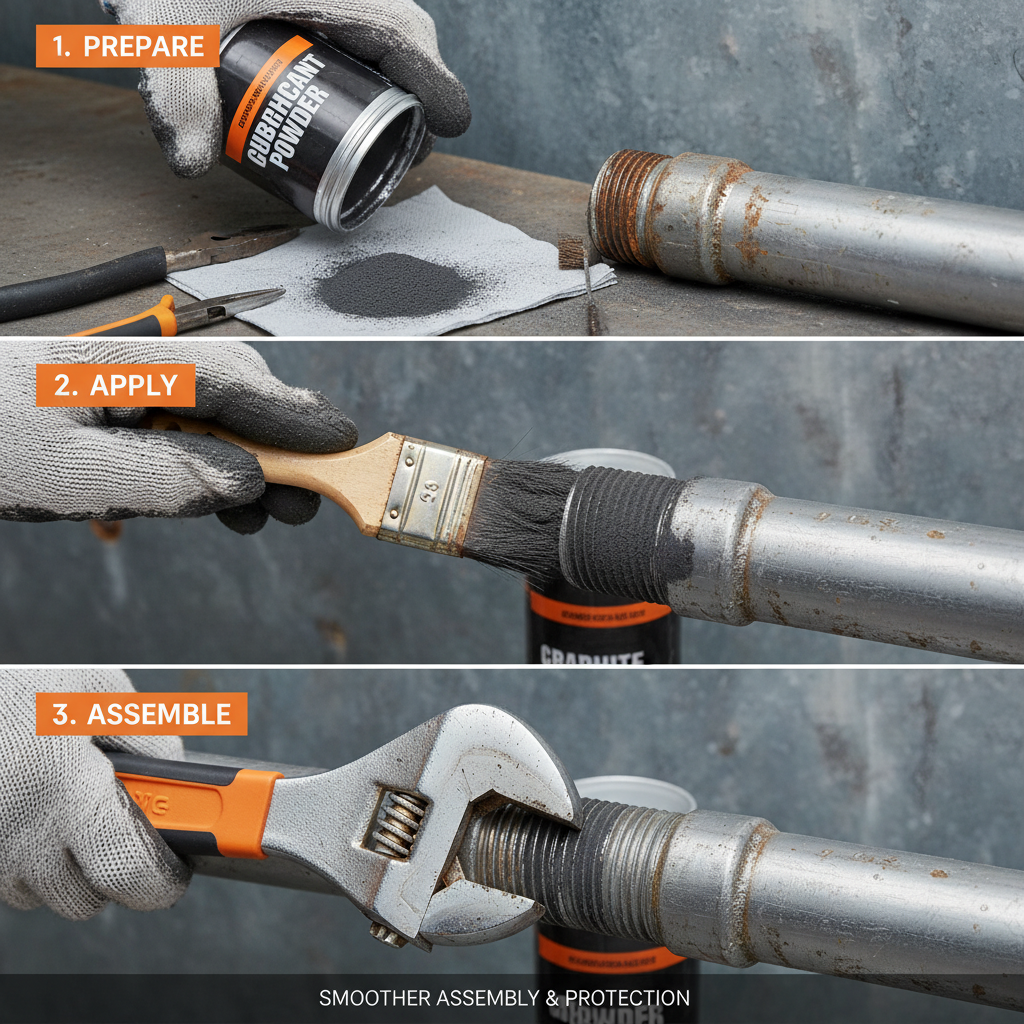
Because layers can slide over each other easily, graphite powder acts as an exceptional dry lubricant, especially at high temps where oils fail. This is why it shows up in automotive brake pads and aerospace components.
5. Economic Viability
Prices fluctuate with purity, particle size, and source. Competitive sourcing combined with effective processing can save industries significant costs. This translates directly into more affordable products for consumers.
Mini takeaway: Graphite fine powder’s particle size, purity, conductivity, lubricity, and cost combine to make it a highly adaptable material for a spectrum of industrial needs.
Where It’s Used: Real-Life Applications Around the Globe
- Energy Storage: In lithium-ion battery anodes, especially for electric vehicles, graphite fine powder forms the backbone of energy density.
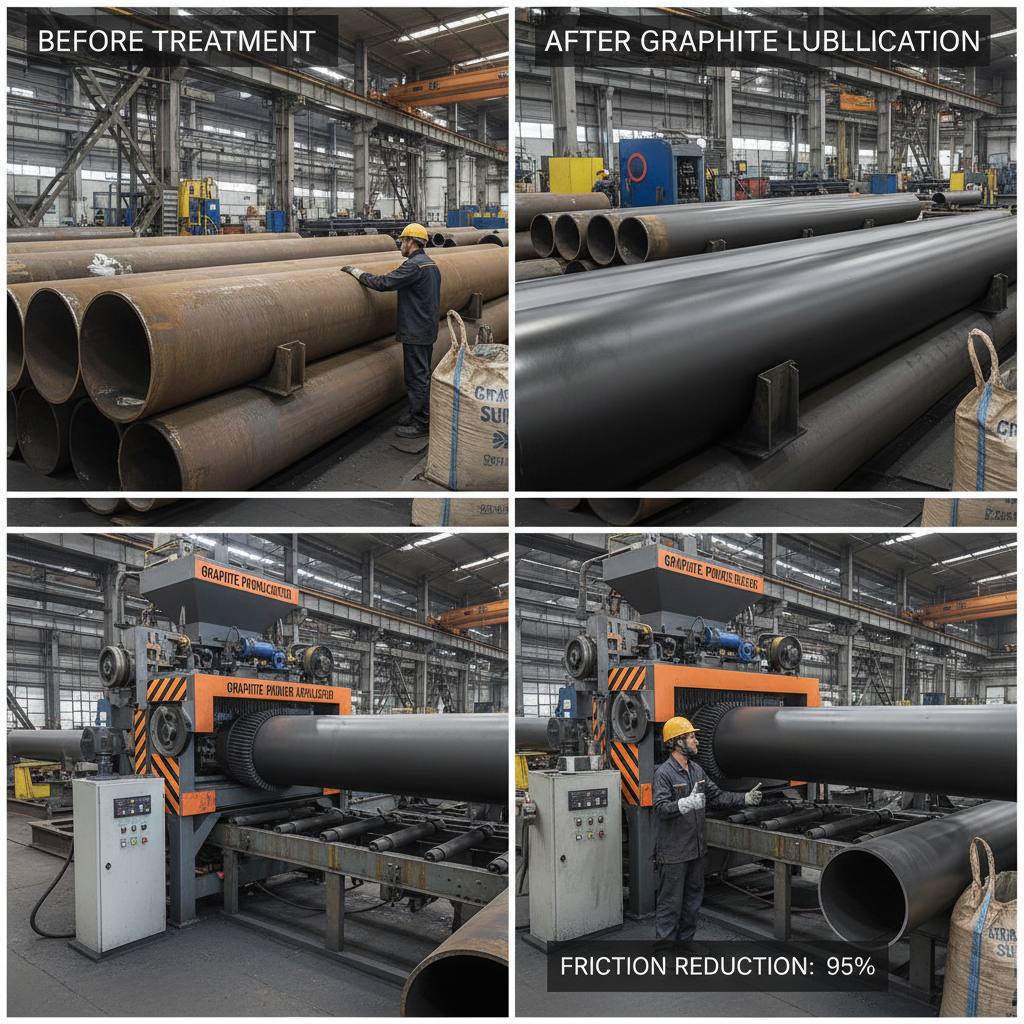
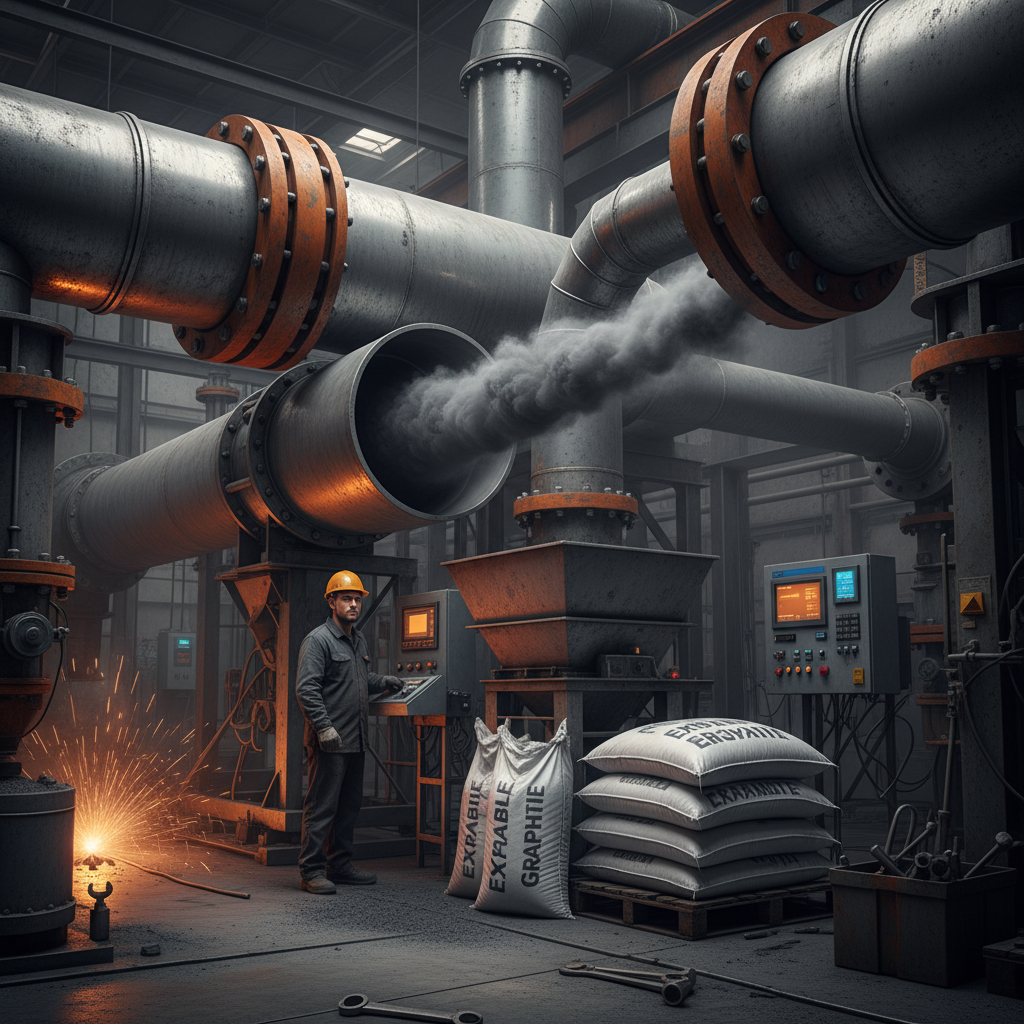
- Lubricants & Coatings: Metalworking industries use it to reduce friction in heavy machinery.
- Aerospace & Defense: Its heat resistance helps guard jet engines and missile components.
- Refractory Industries: Used in furnace linings and crucibles which need to withstand extreme heat.
- Medical Equipment: Incorporated in specialized electrodes and sensors.
Regions like Europe and North America rely on both domestic graphite processing and imports to fuel these sectors. Meanwhile, African nations with rich graphite deposits are building export markets, offering a win-win for global supply chains and local economies.
Side note: I once heard an engineer mention how in disaster-stricken areas where road access is tough, on-site production of graphite-enhanced components sped up relief operations. Small powders, big impacts.
Benefits and Why It Matters Long-Term
- Cost-Effective Manufacturing: Fine powders reduce material waste and energy demand in processes.
- Supporting Sustainability: Essential in clean energy tech, cutting reliance on fossil fuels.
- Longevity & Reliability: Enhances lifespan of batteries and mechanical parts.
- Social Impact: Developing graphite markets uplifts communities in resource-rich but economically challenged areas.
- Innovation Catalyst: Enables new composite materials and smart product designs.
There’s an emotional layer here, too—customers expect safe, durable products; industries want trustworthy suppliers. Graphite fine powder fits this mold as a reliable, future-proof material.
Looking Ahead: Future Innovations and Trends
Graphite fine powder’s future is tied to sustainability and digitization trends.
- Green Processing Techniques: Reducing environmental impact in graphite extraction and milling.
- Hybrid Materials: Combining graphite with graphene and silicon for superior battery anodes.
- Automation in Quality Control: AI-driven particle analysis ensures consistency.
- Recycling Initiatives: Recovering graphite from depleted batteries to close the loop.
These advances aren’t just buzzwords but active R&D areas. As industries push boundaries, graphite fine powder evolves along—with smarter specs and broader uses.
Overcoming Challenges in Graphite Fine Powder Usage
Of course, nothing’s perfect.
- Dust generation can pose respiratory hazards and complicate transport.
- Supply chain concentration risks create geopolitical vulnerabilities.
- Maintaining purity during processing demands tight controls and skilled labor.
Solutions include improved filtration, diversified sourcing strategies, and advanced milling technologies. Industry groups and international standards like ISO 14001 help companies meet environmental and quality benchmarks.
Product Specifications: An Example Profile of High-Quality Graphite Fine Powder
| Property | Specification | Typical Industrial Range |
|---|---|---|
| Particle Size (microns) | 15 - 25 | 10 - 45 |
| Purity (% Carbon) | ≥ 99.8% | 98 - 99.9% |
| Moisture Content (%) | ≤ 0.5% | 0.1 - 1.0% |
| Ash Content (%) | ≤ 0.2% | 0.05 - 0.5% |
| Bulk Density (g/cm³) | 0.6 - 0.8 | 0.5 - 0.9 |
Quick Vendor Comparison: Choosing the Right Supplier of Graphite Fine Powder
| Vendor | Purity Range | Particle Sizes | Sourcing Regions | Sustainability Practices | Lead Times |
|---|---|---|---|---|---|
| Global Graphite Inc. | 98.5% - 99.7% | 10-40 μm | China, Brazil | ISO 14001 Certified | 4-6 weeks |
| CarbonTech Solutions | 99.0% - 99.9% | 15-25 μm | Canada, Africa | Recycling Programs | 3-5 weeks |
| EcoCarbon Traders | 98.0% - 99.5% | 20-45 μm | Africa | Fair Trade Certified | 5-7 weeks |
Frequently Asked Questions About Graphite Fine Powder
Q: What makes graphite fine powder essential for lithium-ion batteries?
A: Graphite fine powder serves as the anode material because its layered crystalline structure allows lithium ions to insert and extract efficiently, improving battery capacity and charging speed. Purity and particle size directly affect battery cycle life and safety.
Q: How is graphite fine powder processed to ensure consistent quality?
A: Processing includes careful milling to reach target particle sizes, chemical purification to raise carbon content, and drying to reduce moisture. Analytical equipment measures these parameters continuously to maintain standards required by different industries.
Q: Can graphite fine powder be used in eco-friendly industrial applications?
A: Absolutely. Many companies now produce graphite powder through environmentally conscious mining and milling processes. Additionally, recycled graphite powders are gaining traction, greatly reducing carbon footprints.
Q: Is sourcing graphite fine powder from different regions a risk for manufacturers?
A: Yes, concentration of graphite mining in a few countries poses supply chain risks. Manufacturers mitigate this by diversifying suppliers and investing in local graphite production ecosystems.
Q: How can smaller businesses access high-grade graphite fine powder?
A: Some suppliers offer smaller batch sizes or partner to streamline import logistics. It's worth reaching out directly, especially to vendors who prioritize customer support and supply chain flexibility.
Conclusion: Why Graphite Fine Powder Deserves Your Attention
Graphite fine powder may appear humble—just a black dust—but its impact spans globally, quietly enabling clean technologies and enhancing industrial performance. As demand grows with electrification, sustainability, and innovation, understanding its nuances isn’t optional. It’s fundamental.
If your projects rely on top-quality graphite fine powder or you’re scouting for reliable suppliers, take a moment to explore your options—it could well shape the success of your next innovation.
Thanks for sticking with me through this graphite deep-dive. If you’re curious to learn more, the journey doesn’t end here…
References
- United Nations Industrial Minerals Report, 2023: un.org
- International Organization for Standardization (ISO), 2019 Standards on Graphite Powder
- World Bank Minerals Commodity Summaries, 2024
 Pervious
 Next
Next