

- Englist



Micronized Graphite: Properties, Applications & Global Industry Impact

Micronized Graphite: Why This Tiny Carbon Marvel Matters Globally
At first glance, graphite might seem like just the "lead" in your pencil, but micronized graphite tells a very different story—one that’s quietly reshaping industries and eco-solutions worldwide. Simply put, micronized graphite is graphite material ground into incredibly fine particles (“micronized”) that unlock remarkable properties: improved conductivity, lubrication, and heat resistance, just to name a few. This makes it crucial not only for high-tech manufacturing but also for sustainability efforts across sectors—from battery tech powering electric vehicles to industrial coatings that extend machinery life. Understanding micronized graphite means understanding a small but mighty material that’s quietly underpinning global progress and innovation.
Mini takeaway: Micronized graphite is more than powder; it’s a strategic material bridging advanced tech and sustainability worldwide.
Global Context: Why Industry and Environment Both Bet on Micronized Graphite
Globally, demand for materials that deliver both high performance and environmental benefits is surging. According to the International Energy Agency, the lithium-ion battery market is expected to grow at around 25% CAGR by 2030, and graphite plays a central role there — not just bulk graphite, but refined forms like micronized graphite that offer superior performance.
Industries from automotive manufacturing to aerospace and even construction are increasingly challenged to deliver reliability and sustainability simultaneously. Graphite’s natural abundance makes it attractive, but it’s the micronized variants that address modern technical challenges—like improved heat dissipation and superior electrical conductivity.
But there are problems too. One major challenge micronized graphite helps solve is reducing wear in machinery exposed to harsh environments (think mining or remote power plants). The fine particles form protective coatings or serve as additives that significantly cut down maintenance downtime. Plus, micronized graphite helps cut carbon footprints by extending equipment life and facilitating eco-friendly technologies.
Mini takeaway: Micronized graphite is a response to global industry demands for durable, efficient, and eco-smart materials.
What Exactly Is Micronized Graphite?
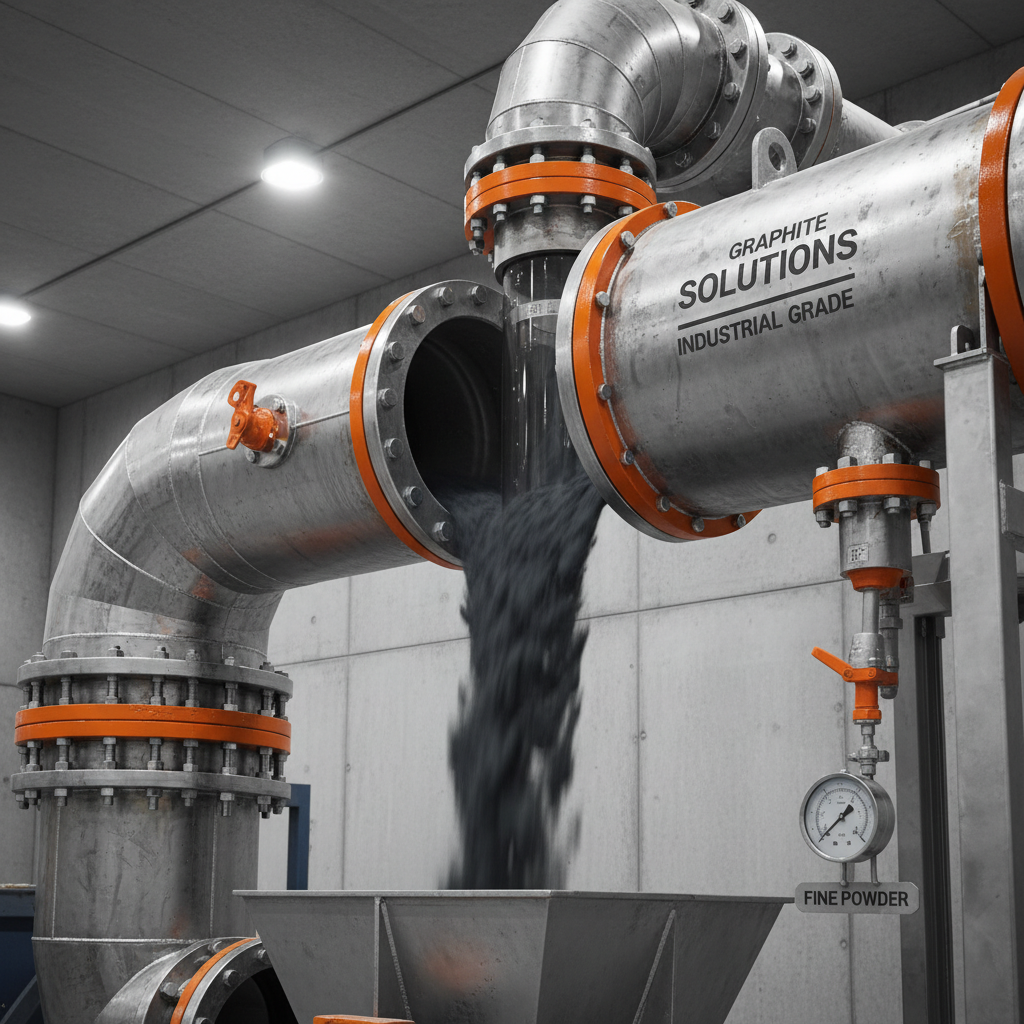
In plain terms, micronized graphite is graphite that’s been ground down into ultra-fine particles, typically under 75 microns in diameter. Why does that matter? Well, these tiny particles dramatically increase the surface area, which enhances the material’s lubricative and conductive properties. This transformation lets industries apply graphite in ways traditional forms simply can’t.
Beyond just an industrial ingredient, micronized graphite also links to humanitarian and environmental goals. For example, improved graphite additives can lead to longer-lasting batteries in renewable-energy setups, which in turn support reliable electricity delivery in underserved regions. Oddly enough, something microscopic can really create macro influence!
Mini takeaway: Micronized graphite’s fine particle size is key to unlocking advanced industrial and societal benefits.
Key Attributes Driving Micronized Graphite’s Value
Thermal Stability
One of graphite's standout traits is its ability to resist heat without degrading. Micronized graphite takes this further by enhancing heat transfer while withstanding temperatures often exceeding 3000°C in inert atmospheres. This makes it invaluable in high-temperature industrial processes, ranging from metallurgy to electronics.
Electrical Conductivity
Because graphite is a good conductor, micronized graphite improves electrical pathways in composites and batteries. For electric vehicle batteries, this means better charge capacity and faster performance—an advantage manufacturers can't ignore.
Lubrication
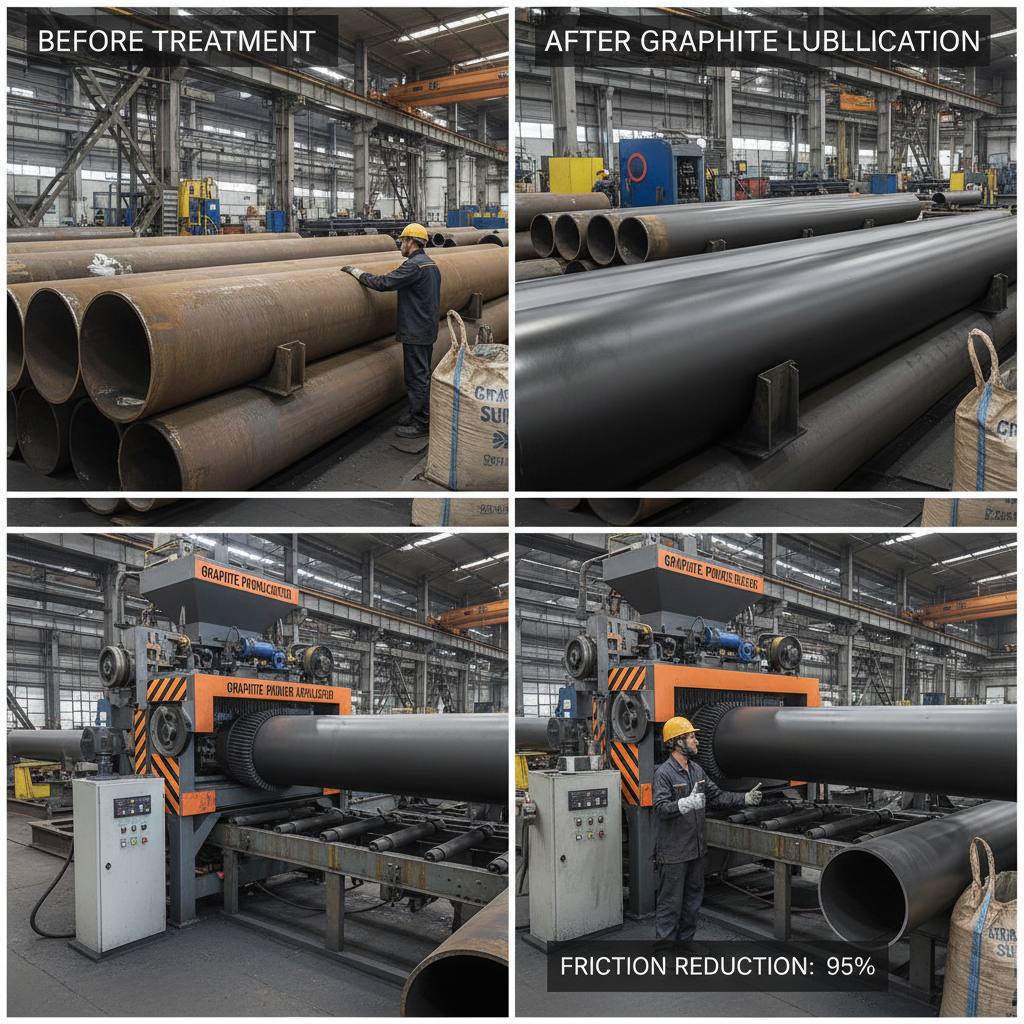
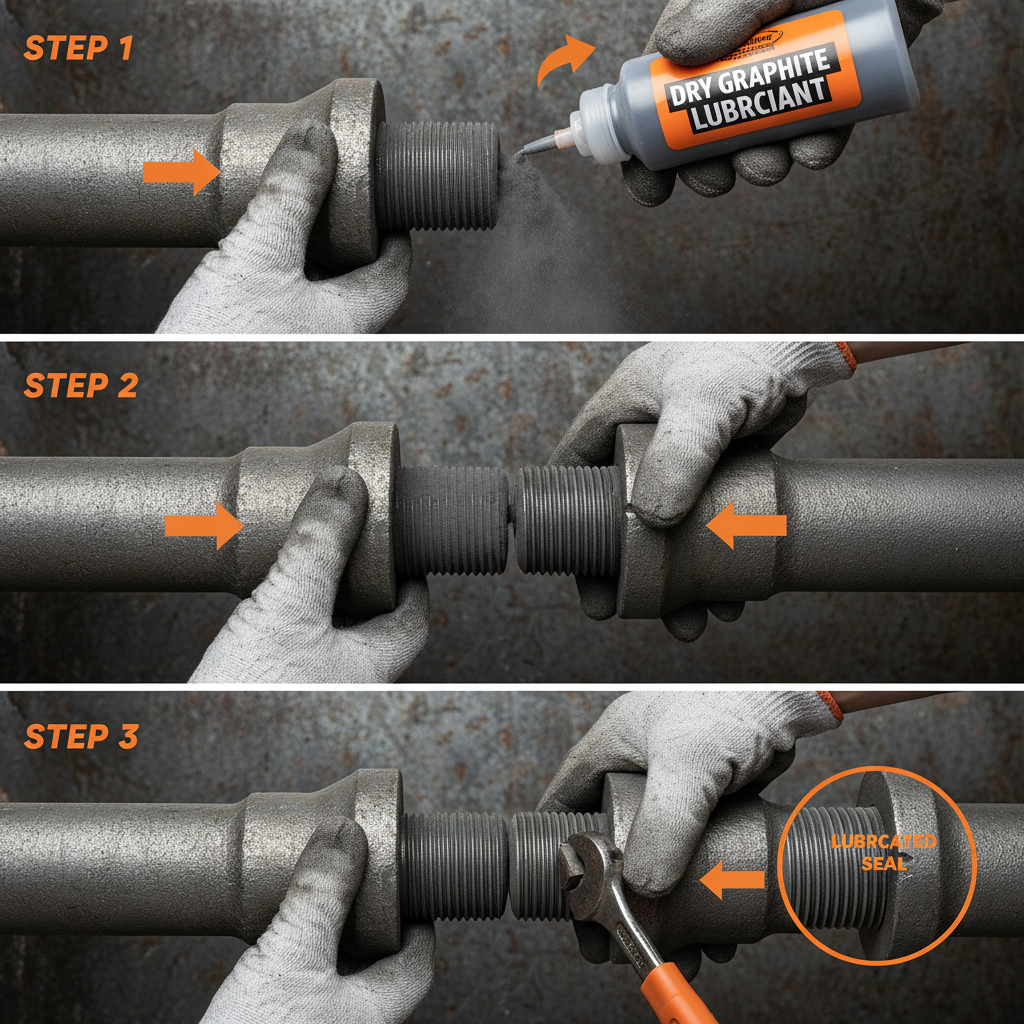
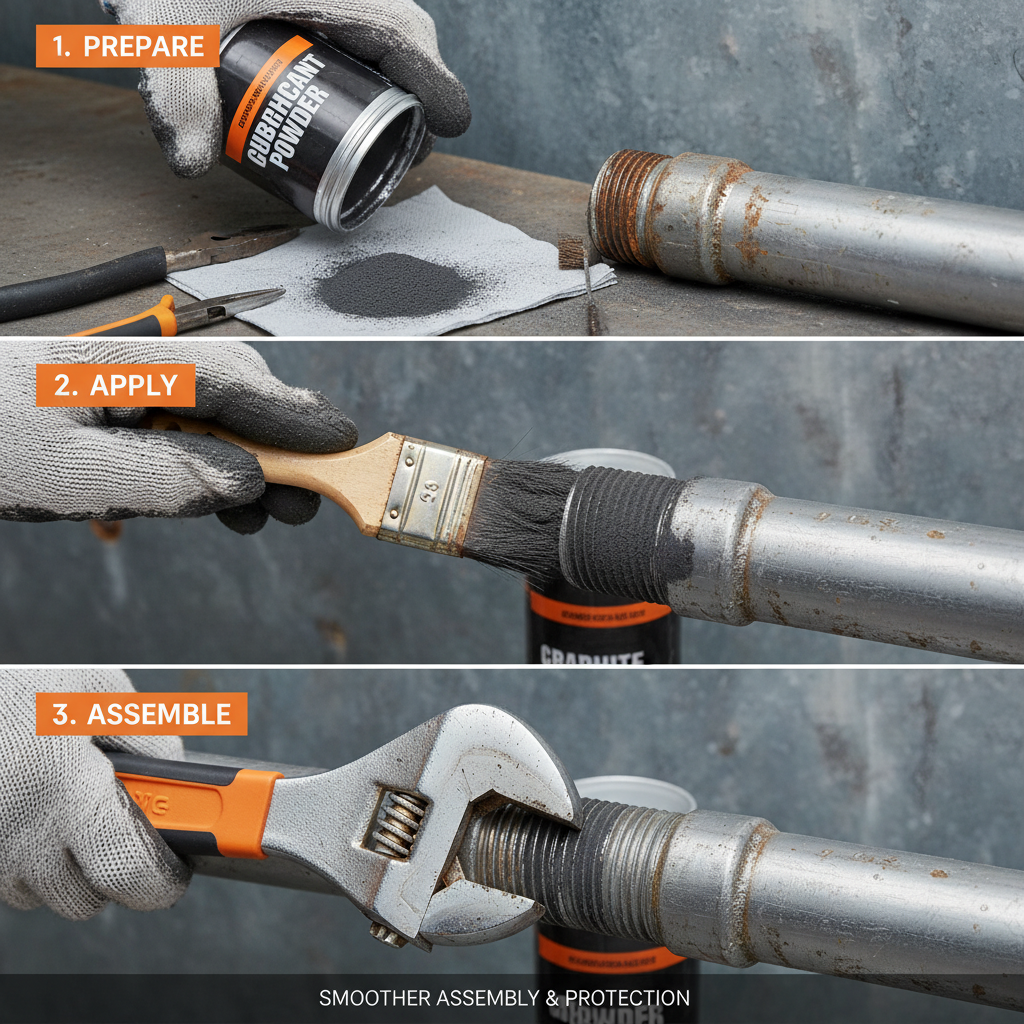
Traditional lubricants can break down or contaminate, but micronized graphite serves as a dry lubricant that works under extreme conditions without residue. This property helps reduce friction in moving parts, saving energy and minimizing wear.
Scalability and Cost Efficiency
Micronizing graphite is relatively cost-effective compared to synthetic alternatives, especially as graphite is abundant in places like China, Brazil, and Canada. This affordability translates into scalable production for industries big and small, supporting wide adoption.
Environmental Advantages
Micronized graphite enhances product lifespans and reduces waste, matching global sustainability goals. It also plays a crucial role in the circular economy by enabling longer life cycles in batteries and machinery.
Mini takeaway: The unique combination of heat resistance, conductivity, lubrication, and eco-friendly traits makes micronized graphite particularly versatile.
Global Applications: Where Micronized Graphite Truly Shines
The reach of micronized graphite spans continents and industries:
- Energy Storage: Lithium-ion batteries worldwide depend on micronized graphite as a key anode additive. Brands in Asia and Europe are racing to optimize graphite particle size to boost battery longevity and capacity.
- Automotive Manufacturing: In post-disaster relief operations and harsh terrain, vehicles with graphite-enhanced components sustain less wear, improving safety and lowering maintenance costs.
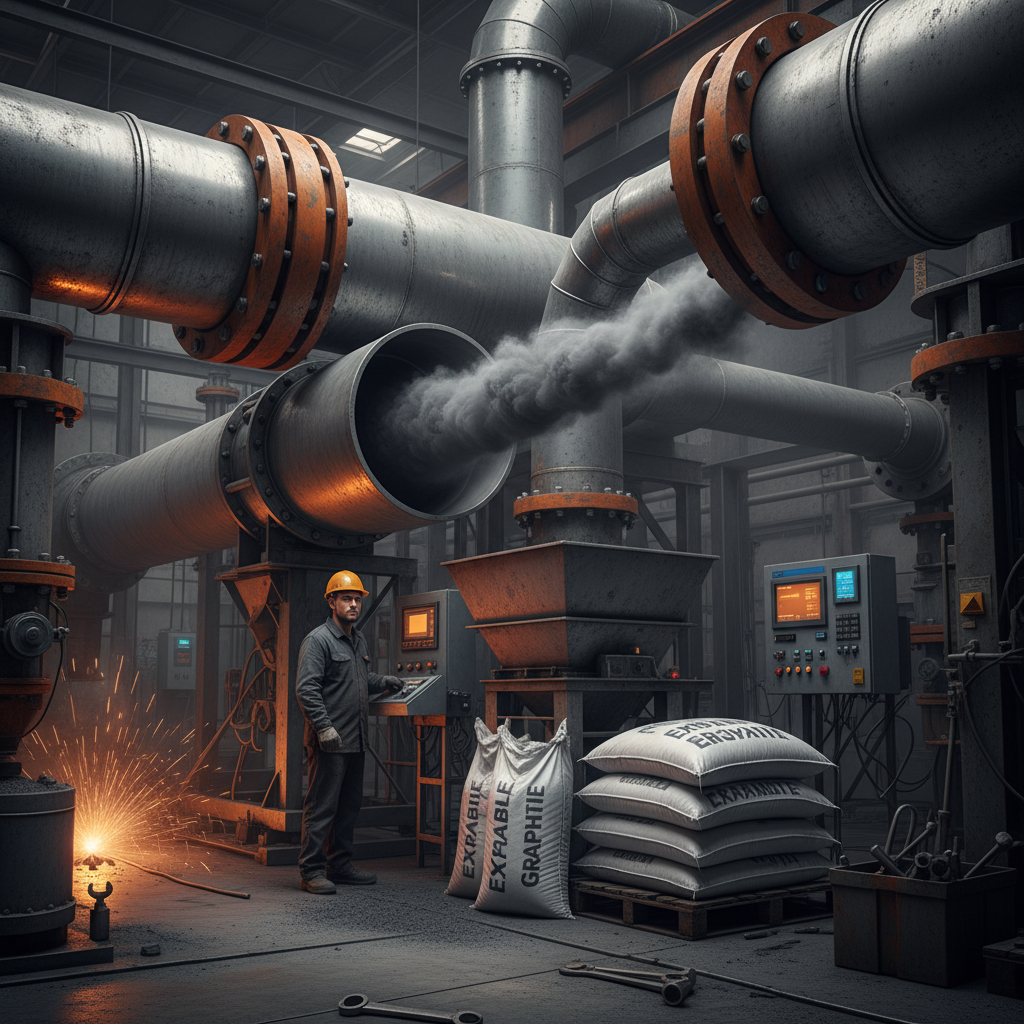
- Industrial Lubricants: Mining operations in Australia and Canada use micronized graphite-based lubricants to reduce equipment failures, even in dusty or wet environments.
- Coatings and Paints: Construction firms in Nordic countries apply micronized graphite-infused paints that resist corrosion and extreme cold, prolonging infrastructure integrity.
These use cases show not only practical value but also how different geographies adapt micronized graphite to their challenges.
Mini takeaway: From corrosive Arctic environments to tropical mining sites, micronized graphite adapts seamlessly, proving its global industrial worth.
Advantages and Long-Term Benefits of Micronized Graphite
Let's talk benefits beyond specs, because at the end of the day, these matter most:
- Cost Savings: By reducing equipment wear and improving efficiency, companies save big on repairs and downtime.
- Sustainability: Longer-lasting materials lower resource extraction pressure and reduce waste streams.
- Reliability/Trust: Knowing machinery and batteries are backed by proven materials inspires confidence among users, especially in critical sectors like aerospace and healthcare.
- Innovative Edge: Micronized graphite’s advances fuel new products, from flexible electronics to next-gen heat shields.
These benefits blend logic and emotion—smarter spending, less waste, and the peace of mind that comes from sturdy, cutting-edge materials.
What’s Next? Future Trends and Innovations in Micronized Graphite
The future of micronized graphite looks electric—quite literally. Breakthroughs in green energy storage, such as solid-state batteries, are driving demand for even finer, purer graphite powders. Digital transformation encourages smart manufacturing processes with tighter quality controls on particle size and distribution.
Automation also means better, more consistent micronization at scale, reducing costs. At the policy level, stricter eco-regulations push manufacturers to adopt graphite products that reduce their carbon footprints.
We're seeing experimental composites mixing micronized graphite with bio-based materials, hinting at a more circular product lifecycle. It’s exciting because it suggests a bright, sustainable horizon for both technology and environment.
Common Challenges and How Experts Are Tackling Them
Despite all its promise, micronized graphite isn’t a silver bullet. Here’s what professionals often face:
- Purity: Achieving consistent high purity remains tricky but vital. Impurities can impact performance in batteries and electronics.
- Distribution: Uniform particle size distribution is critical but hard to control, impacting product quality.
- Supply Chain: Geopolitical factors sometimes affect graphite sourcing, pushing brands to explore new deposits or synthetic routes.
Solutions include refined milling technologies, improved quality control using AI-driven sensors, and alternative sourcing strategies—including recycling graphite from used batteries.
Micronized Graphite FAQ
- What industries benefit most from micronized graphite?
- Micronized graphite is critical in battery manufacturing, automotive, aerospace, industrial lubricants, and coatings sectors where its heat resistance and conductivity boost performance.
- How does particle size affect graphite’s properties?
- Smaller, micronized particles increase surface area, enhancing conductivity and lubrication. Uniformity in size is vital for consistent application results.
- Is micronized graphite environmentally friendly?
- Yes, it supports sustainability by extending product lifespans and enabling more efficient energy storage, which helps reduce resource consumption.
- Can micronized graphite be used in renewable energy devices?
- Absolutely. It’s increasingly used in lithium-ion batteries and emerging solid-state batteries, key for solar and wind energy storage.
- Are there different grades of micronized graphite?
- Yes, grades vary by purity, particle size distribution, and intended industrial use, so it’s essential to choose one that fits your specific application.
Micronized Graphite: Product Specification Table
| Specification | Typical Range | Unit |
|---|---|---|
| Particle Size (median) | 5 - 75 | Microns (μm) |
| Purity (C content) | >99.5 | % |
| Surface Area | 10 - 20 | m²/g |
| Tap Density | 0.3 - 0.7 | g/cm³ |
| Thermal Stability | Up to 3000 | °C (in inert atmosphere) |
Vendor Comparison: Micronized Graphite Suppliers
| Vendor | Product Range | Price Range (USD/kg) | Global Reach | Certifications |
|---|---|---|---|---|
| GraphiTech Ltd. | 5 - 50 micron powders | $12 - $20 | North America, Europe | ISO 9001, REACH |
| CarbonElite Inc. | Custom micronization options | $15 - $25 | Asia, Australia | ISO 14001, UL |
| NanoPure Graphite | Ultra-fine powders 1-20 micron | $20 - $40 | Global | ISO 9001, RoHS |
Wrapping Up: The Tiny Carbon with Tremendous Impact
When you zoom out from the microscopic particles of micronized graphite, the big picture is clear: this fine-grained carbon is a foundational ingredient powering better batteries, tougher machines, and greener technology worldwide. It’s not just a matter of science—there’s innovation, sustainability, and economic sense wrapped up in this humble material.
If you’re intrigued and want to explore high-quality micronized graphite for your applications, visit us here at micronized graphite. Because sometimes it’s the smallest things that make the biggest difference.
References:
1. International Energy Agency (IEA) Reports on Battery Market Growth
2. ISO Technical Committee on Graphite Materials – ISO/TC 229
3. Wikipedia entry on Graphite (en.wikipedia.org/Graphite)
 Pervious
 Next
Next