

- Englist



Graphite Plates for Electrolysis: A Comprehensive Guide

Understanding Graphite Plates For Electrolysis: A Deep Dive
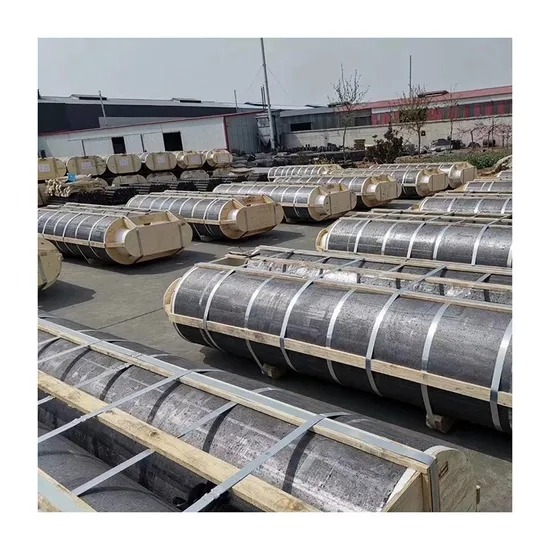
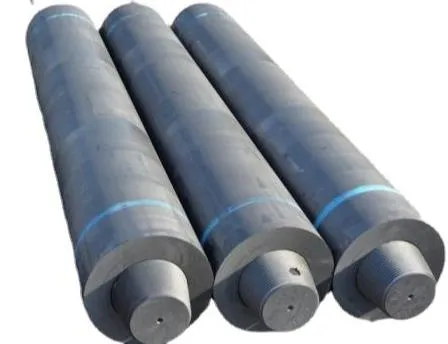
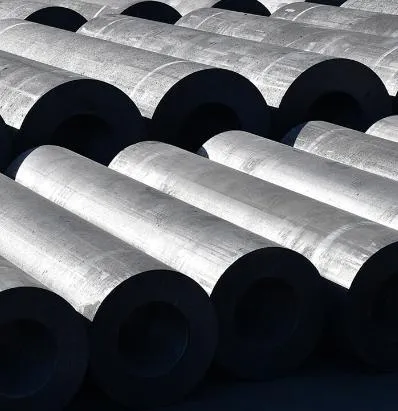
Graphite Plates For Electrolysis… it's a phrase that sounds very technical, and frankly, it is. But the core idea is pretty straightforward. We're talking about using graphite – that soft, grey material you probably know from pencils – as a crucial component in processes that use electricity to drive chemical reactions. Specifically, electrolysis. You know, splitting water into hydrogen and oxygen, or refining metals... these kinds of things. It’s a surprisingly old technology, electrolysis, but the materials science around how we do it is constantly evolving. And graphite plates, it turns out, are often at the heart of those improvements. I suppose many people don't realize just how critical these plates are to efficiency and longevity of these systems.
Table of Contents
- Graphite Plates For Electrolysis: The Basics
- Applications & Advantages
- Cost & Performance Considerations
- Looking Ahead: Sustainability & Trends
Graphite Plates For Electrolysis: The Basics
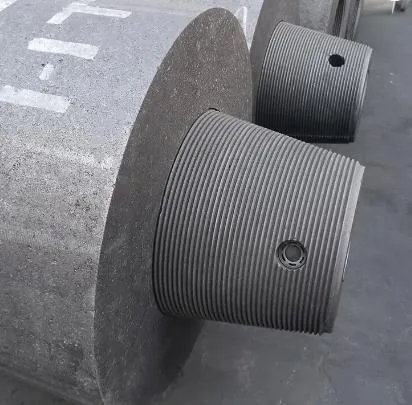
These plates aren’t just any graphite. They’re typically made from high-purity, fine-grained graphite, often with a specific density and porosity. What’s important is the material's ability to conduct electricity, resist corrosion in harsh electrolytic environments, and withstand mechanical stress. A lot of engineering goes into achieving the right balance. Here’s a look at some typical specifications. I’ve noticed, talking to engineers, that the grain size is often a surprisingly critical parameter – it affects everything from strength to the rate of gas bubble release during electrolysis. That's sort of counterintuitive, right?
| Specification | Typical Value | Unit |
|---|---|---|
| Purity | 99.9% | - |
| Density | 1.8 - 2.0 | g/cm³ |
| Porosity | - | |
| Compressive Strength | 50 - 100 | MPa |
Applications & Advantages
The applications are surprisingly broad. Hydrogen production (a big one, obviously, with the push for clean energy), chlor-alkali production (making chlorine and sodium hydroxide), metal refining… Even some specialized electroplating processes rely on these plates. The advantages? Corrosion resistance is huge. Graphite doesn’t corrode easily in those harsh chemical environments. High electrical conductivity minimizes energy loss. And, frankly, it's relatively affordable compared to some other materials that could theoretically do the job. Many engineers say that the lifespan is good, but it's very dependent on the specific electrolyte and operating conditions.
| Vendor | Material Purity | Customization Options | Price (per plate) |
|---|---|---|---|
| NL Graphite | 99.9% | Extensive | $50 - $200 |
| Poco Graphite | 99.5% | Limited | $75 - $250 |
| Toyo Tanso | 99.8% | Moderate | $60 - $220 |
Cost & Performance Considerations
The initial cost of graphite plates for electrolysis is, frankly, not the biggest expense. It’s the total cost of ownership – lifespan, maintenance, and energy efficiency. A higher-quality plate might cost more upfront, but it could last significantly longer, reducing downtime and replacement costs. I remember talking to a plant manager at a metal refining facility; he told me they switched to NL Graphite’s plates and saw a noticeable reduction in their energy bills, because of the better conductivity. He said, “It paid for itself in about six months.” I think that's a pretty good story. The maintenance is relatively simple – periodic cleaning to remove build-up is usually all that's needed.
Looking Ahead: Sustainability & Trends
The big trend, of course, is green hydrogen. As the world moves towards cleaner energy sources, demand for efficient electrolysis is going to skyrocket. And that means a greater focus on materials that can withstand the rigors of continuous operation and deliver high performance. There's also increasing pressure to source materials responsibly and minimize environmental impact. Graphite isn't a rare earth mineral, thankfully, but responsible sourcing is still important. Oddly enough, research is also going into coating graphite plates with other materials to further enhance their corrosion resistance and conductivity – it’s a constant process of optimization.
Frequently Asked Questions about Graphite Plates For Electrolysis
- What is Graphite Plates For Electrolysis and how does it work?
- Graphite plates for electrolysis are conductive components used in electrochemical cells. They facilitate the transfer of electrons during electrolysis, enabling chemical reactions like water splitting or metal refining. They serve as electrodes where oxidation and reduction take place.
- What are the main benefits of using Graphite Plates For Electrolysis in industrial applications?
- The primary benefits include excellent electrical conductivity, high corrosion resistance in harsh chemical environments, cost-effectiveness compared to alternative materials, and mechanical stability. These properties ensure efficient and durable operation of electrolysis processes.
- How does Graphite Plates For Electrolysis compare to traditional alternatives?
- Compared to materials like platinum or stainless steel, graphite offers a better balance of performance and cost. While platinum has superior conductivity, it's significantly more expensive. Stainless steel is less conductive and prone to corrosion in certain electrolytes. Graphite provides a reliable and economically viable solution.
- What industries can benefit most from Graphite Plates For Electrolysis implementation?
- Industries such as hydrogen production, chlor-alkali manufacturing, metal refining, and electroplating can greatly benefit. Additionally, emerging applications in energy storage and environmental remediation are increasingly utilizing graphite plate technology.
Conclusion
So, yeah. Graphite plates for electrolysis… they're not glamorous, but they're absolutely essential. The right plate, from the right supplier, can make a huge difference in efficiency and cost. Visit our website: https://www.nlgraphite.com to learn more.
 Pervious
 Next
Next