

- Englist



Graphite Powder: A Key Material Powering Modern Industry and Green Tech

What is Graphite Powder and Why Should You Care?
Graphite powder might sound like just another industrial material, but in reality, it’s quietly transforming multiple sectors worldwide. From improving battery technology to strengthening composite materials, this fine, carbon-based powder is a cornerstone of modern industry and innovation.
Understanding graphite powder isn’t just for chemists or engineers. Its impact stretches across green energy, electronics, and manufacturing — areas that literally shape our daily lives. Knowing about its benefits and uses can help businesses optimize production, governments craft sustainable policies, and customers appreciate the materials behind everyday products.
Briefly put: graphite powder is one of those unsung heroes powering future tech and helping solve present challenges.
The Global Story of Graphite Powder
Graphite production and demand have soared recently, tied to booming industries like electric vehicles (EVs), renewable energy, and advanced electronics. According to the International Organization for Standardization (ISO), natural graphite reserves are concentrated in just a few countries, including China, India, and Brazil, making supply and quality a strategic concern for manufacturers worldwide.
Moreover, the global push towards decarbonization means demand for graphite powder used in lithium-ion batteries could double (or more) in the next decade. This creates both opportunity and the challenge of sourcing sustainable, high-quality graphite without severe environmental harm.
Challenges like volatile pricing, environmental impact of mining, and material purity are front and center for players across this value chain.
Defining Graphite Powder: More Than Just Carbon
So, what exactly is graphite powder? At its simplest, it's finely powdered natural or synthetic graphite — essentially a stable form of carbon with a unique layered crystal structure that lends itself to excellent electrical and thermal conductivity.
It's these properties that make graphite powder indispensable, for example, in electrodes, lubricants, and battery anodes. Frankly, you might find this humble powder hidden inside your smartphone battery or in the electric motor of a car quietly ferrying you down the road.
In humanitarian contexts, graphite powder’s thermal properties even aid in creating safer, long-lasting energy storage systems crucial for remote clinics or emergency shelters.
Core Aspects That Shape Graphite Powder’s Utility
1. Electrical Conductivity
Graphite powder is electrically conductive — one of its standout features. This makes it essential in manufacturing electrodes for batteries and fuel cells, where efficient electron transfer is vital.
2. Thermal Stability
The powder handles high temperatures without degrading, allowing it to perform in industrial furnaces, brake linings, and high-temperature lubricants.
3. Lubrication Properties
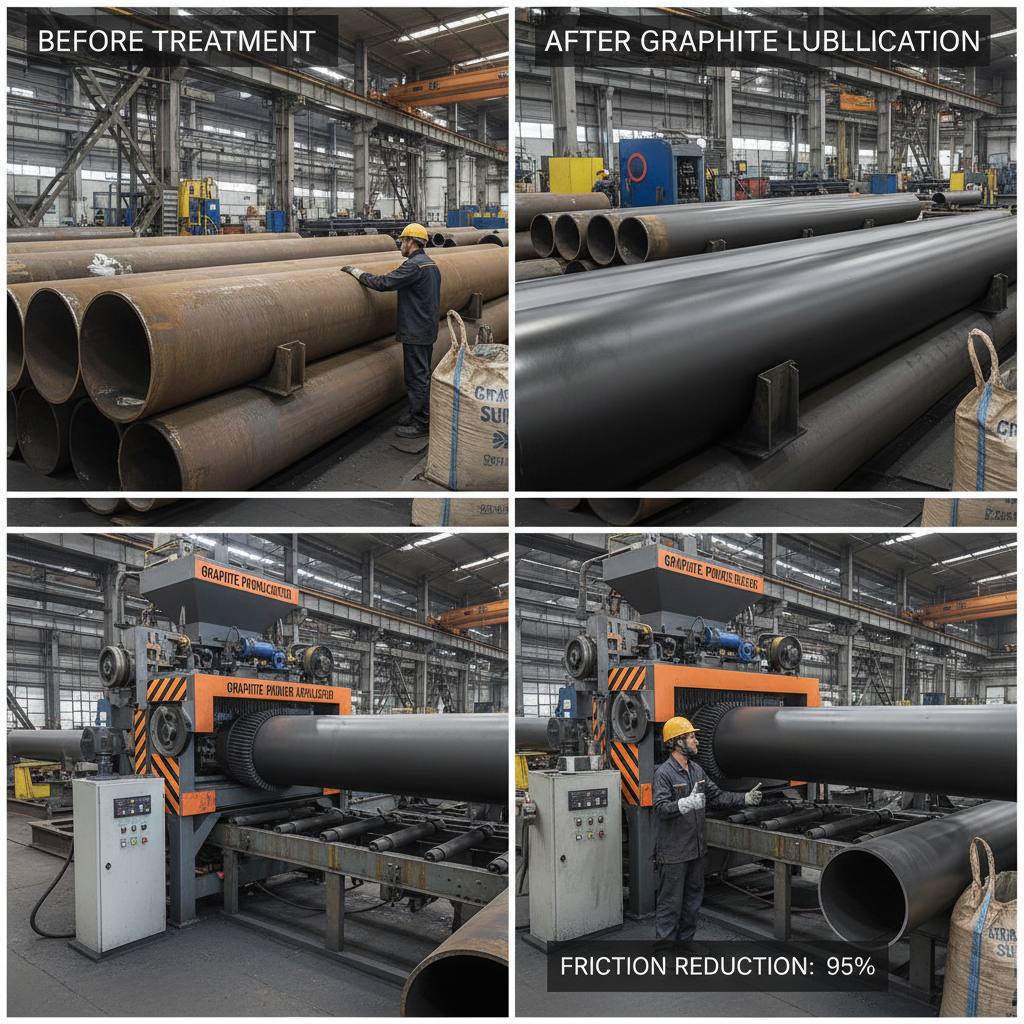
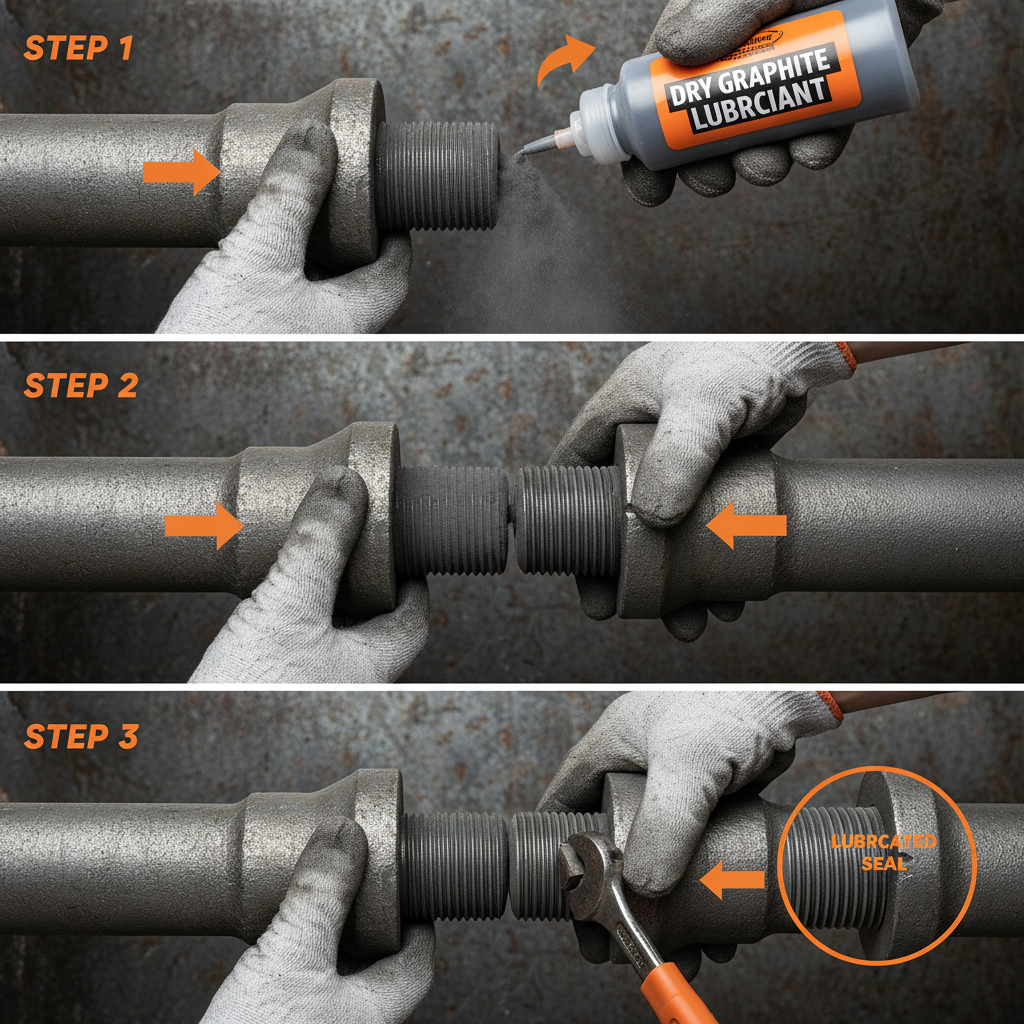
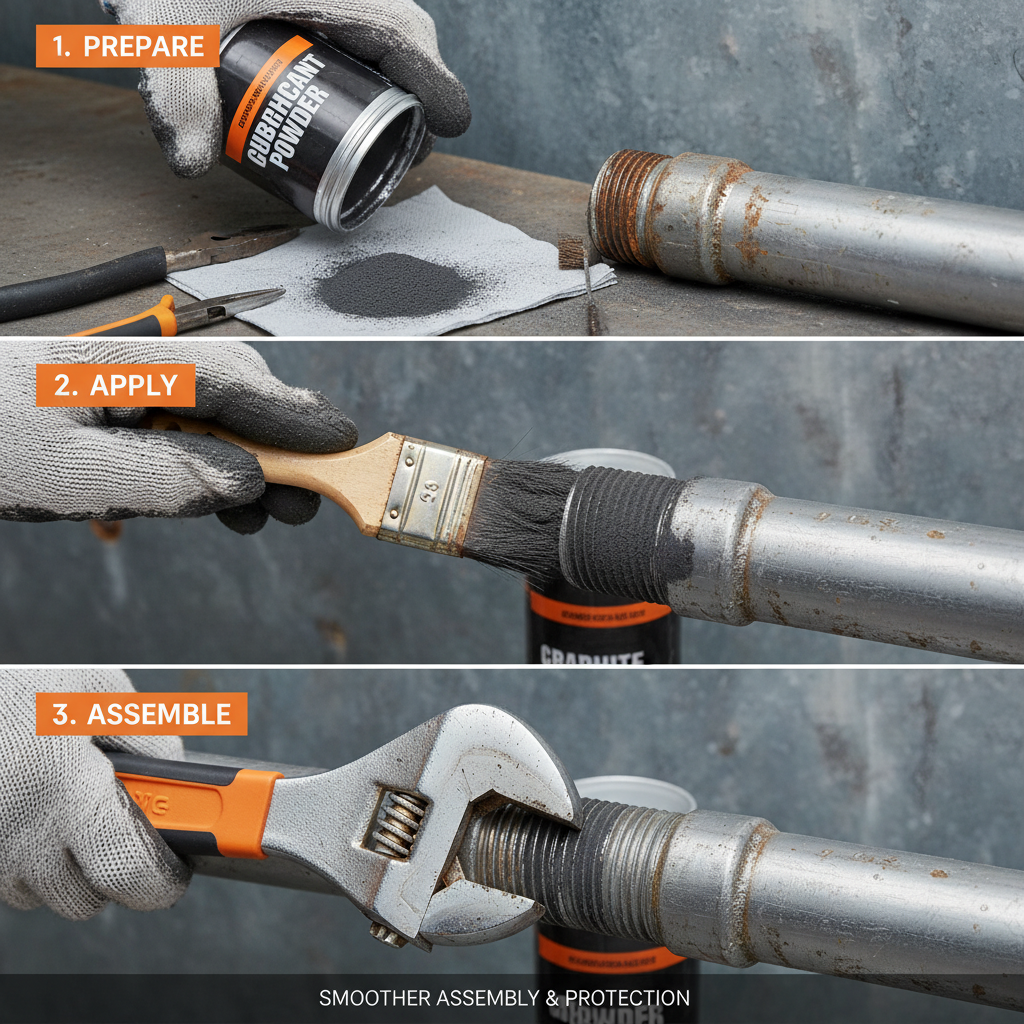
Due to its layered crystal structure, graphite powder acts as a dry lubricant, especially useful where oil-based lubricants could fail, like in dusty or high-heat environments.
4. Purity & Particle Size
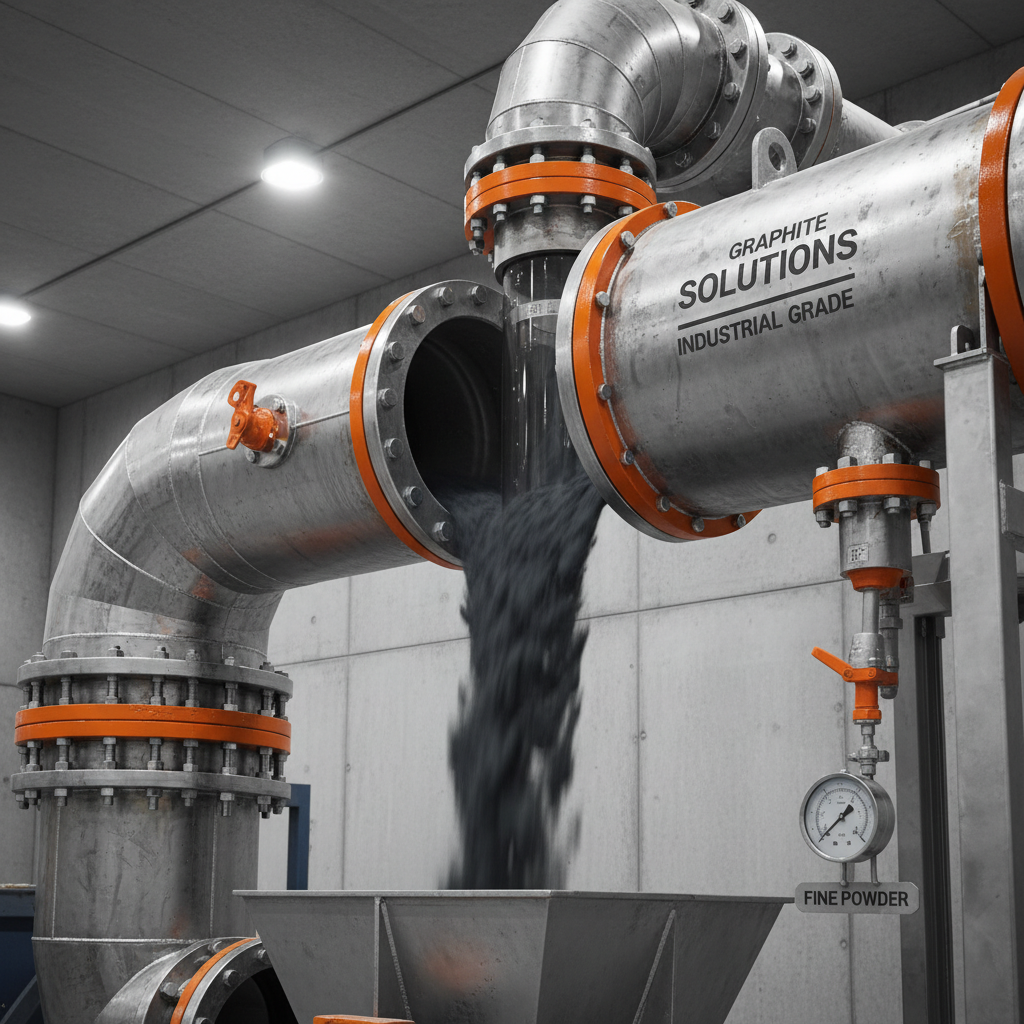
Quality of graphite powder hinges on particle size uniformity and chemical purity. Fine powders yield better performance in batteries; impurities can cause defects or reduced lifespan.
5. Scalability & Sourcing
Natural graphite mining dominates the supply, but synthetic graphite powder can be produced with tailored properties, albeit at a higher cost — an important consideration for large-scale manufacturing.
Where Graphite Powder Comes to Life: Global Uses & Examples
- Electric Vehicles (EVs): Graphite powder is a critical component in lithium-ion battery anodes powering EVs worldwide, notably in China, the USA, and Europe.
- Steel Industry: Used as a refractory material for linings in steel furnaces in India and Brazil, helping withstand extreme heat cycles.
- Lubricants & Coatings: Lubricant producers in Germany and Japan integrate graphite powder into dry coolant and anti-wear coatings.
- Post-Disaster Energy Solutions: NGOs deploy graphite-infused batteries and solar panels in remote clinics post-natural disasters in Southeast Asia, improving energy resilience.
Case in point: a South African mining firm recently switched to synthetic graphite powder for their operations’ electrical contacts, reporting a 15% cut in downtime due to increased material lifespan.
Why Graphite Powder Is More Than a Commodity
On paper, graphite powder might look like just another mineral product. But it carries meaningful advantages if you look deeper.
- Cost-efficiency: Especially with natural graphite, it offers a balance of performance and price hard to beat.
- Sustainability: New mining standards and recycling of graphite from used batteries are improving environmental profiles.
- Social impact: It supports cleaner tech and more reliable energy hardware, enhancing community health and safety worldwide.
- Reliability: Its stability under extreme conditions lends trustworthiness to critical systems.
There’s an emotional side too: knowing clean energy batteries rely on this humble powder can make you appreciate the tech ecosystem’s nuanced elegance.
Looking Ahead: Innovations and Trends in Graphite Powder Use
The future looks bright — or rather, graphite-black. Advances center on improving powder purity and tailoring particle sizes for next-gen battery tech, including solid-state batteries promising safer, more energy-dense storage. Researchers are experimenting with graphite powder composites for flexible electronics and thermally conductive polymers.
Green energy policies worldwide are pushing recyclers to develop tech reclaiming graphite from spent batteries, reducing mining impacts. Meanwhile, automation in material processing means scalable, customized graphite powders with consistent quality might soon become the norm.
Facing the Music: Challenges and How to Solve Them
Here’s the rub: graphite powder’s supply chain is heavily dependent on geopolitically sensitive countries, and mining can damage fragile ecosystems. Plus, synthetic alternatives remain pricey, and quality inconsistency can be a headache for manufacturers.
Solutions include:
- Investing in recycling and urban mining to cut dependence on raw graphite.
- Applying strict quality control standards and ISO certifications throughout production.
- Collaborating internationally to diversify supply and ensure ethical sourcing.
Many companies are keenly aware and actively innovating to tackle these issues — a good sign for those worried about long-term sustainability.
Product Specification Table: A Typical High-Purity Synthetic Graphite Powder
| Property | Specification |
|---|---|
| Purity (C basis) | 99.9% |
| Particle Size (D50) | 10 microns |
| Specific Surface Area | 5 m²/g |
| Bulk Density | 0.6 g/cm³ |
| Moisture Content |
Vendor Comparison: Choosing the Right Graphite Powder Supplier
| Feature | Supplier A | Supplier B | Supplier C |
|---|---|---|---|
| Product Purity | 99.9% | 98.5% | 99.7% |
| Particle Size Range | 5–15 µm | 10–20 µm | 3–12 µm |
| Sustainability Certifications | ISO 14001 | None | ISO 9001 & ISO 14001 |
| Price per Kg | $12.50 | $10.00 | $13.20 |
| Delivery Time | 2 weeks | 4 weeks | 3 weeks |
FAQ: Common Questions About Graphite Powder
Q1: What makes graphite powder essential for lithium-ion batteries?
A1: Graphite powder is used in the battery anode because of its excellent electrical conductivity and stability, which allow it to store and release lithium ions efficiently. This means longer battery life, faster charging, and improved safety. Without high-quality graphite powder, battery performance would suffer significantly.
Q2: Can graphite powder be recycled or reused?
A2: Yes, recycling graphite powder from used batteries is becoming increasingly feasible. Technologies exist to extract graphite during battery recycling processes, helping reduce mining demand and environmental impact. While still developing, this loop is vital for a sustainable supply chain.
Q3: How pure does graphite powder need to be for industrial applications?
A3: Purity levels typically exceed 99% carbon for demanding uses like batteries or electronic components. Impurities can lead to reduced conductivity or premature failure. Less critical uses, such as lubricants, may tolerate slightly lower purity but still require reliable quality control.
Q4: Where can I source high-quality graphite powder?
A4: Numerous suppliers specialize in graphite powder worldwide. Choosing suppliers certified for quality and sustainability, such as those with ISO 9001 or ISO 14001, is recommended. Specific sourcing depends on region, application, and supply reliability.
Q5: Is synthetic graphite powder better than natural?
A5: It depends. Synthetic graphite powder offers tailored purity and particle sizes, typically for high-tech or specialty applications, but at a higher price. Natural graphite powder is more cost-effective and widely used in bulk. The choice hinges on the specific requirements of your application.
Wrapping Up: Why Graphite Powder Matters Now and Tomorrow
Graphite powder may not be a headline material, but dive into its story and you find a material central to today’s energy and industrial revolutions. Its unique properties combined with advances in processing make it indispensable and ever-more accessible. For manufacturers and innovators, the ability to source reliable, pure graphite powder can mean the difference between good and great products.
Interested? Don’t just take this article’s word for it — explore more at https://www.nlgraphite.com and see how graphite powder can fuel your innovation journey.
References
 Pervious
 Next
Next