

- Englist



Comprehensive Guide to Graphite Powder 200 Mesh: Applications, Specifications & Trends

Understanding Graphite Powder 200 Mesh: Why Precision Matters Globally
Graphite powder 200 mesh—sounds specific, right? Well, this finely milled material plays a surprisingly huge role in everything from advanced electronics to steel manufacturing worldwide. To put it simply: knowing what makes graphite powder at this mesh size special can help industries optimize performance and reduce costs. Plus, given global pushes toward cleaner tech and smarter manufacturing, understanding graphite powder 200 mesh isn’t just geek talk—it’s a key to unlocking innovation and sustainability on a large scale.
The Global Stage: Why Graphite Powder 200 Mesh Is More Relevant Than Ever
Look around: energy storage, aerospace, manufacturing—graphite powder at 200 mesh keeps popping up. According to the International Organization for Standardization (ISO), consistency in powder size affects everything from conductivity to chemical reactivity. The challenge? Different industries demand this powder with a precise particle size to meet product standards, aiming for efficiency without wastage. The World Bank reports increasing demand for materials that support electric vehicle batteries and lubrication technologies, both of which rely heavily on graphite. Here, uniformity—like that offered by 200 mesh grades—is a game changer. In other words, fine-grained control means better outcomes across the board.
Mini takeaway:
- Graphite powder 200 mesh is pivotal due to precise particle size impacting quality and performance.
- Industries worldwide depend on this for advancing clean energy and manufacturing.
What Exactly Is Graphite Powder 200 Mesh?
Without diving too far down the technical rabbit hole, “200 mesh” refers to how fine the graphite particles are. Mesh size measures the number of holes per inch in a screen used during powder sorting. For graphite powder 200 mesh, particles pass through a screen with 200 holes per inch, so the powder is extremely fine—around 74 microns or less.
Why does this matter? Fine graphite powders blend better, conduct electricity consistently, and create smoother lubricating films. In humanitarian or industrial scenarios, this means materials that don’t clog, distribute evenly, or degrade equipment less often. So, it’s not just trivia: it’s the backbone of reliable product flow in modern production lines and even critical tech.
Mini takeaway:
- “200 mesh” indicates fine particle size (~74 microns), essential for uniformity.
- This fineness directly impacts usability in electronics, lubrication, and metallurgy.
Key Factors Behind Quality Graphite Powder 200 Mesh
Purity and Consistency
Graphite often contains impurities like silica or metal oxides, which can compromise performance. A top-quality 200 mesh powder maintains exceptional purity—think 99% or higher carbon content—ensuring the particles keep their conductive and thermal properties intact. Consistent particle size distribution prevents clumping and guarantees even application.
Particle Morphology
The shape and surface texture of graphite flakes affect how they slide and bond in mixes. Flakes pulverized into a 200 mesh powder with slight plate-like structure offer optimal lubricity and conductivity, compared to irregular chunks.
Scalability of Production
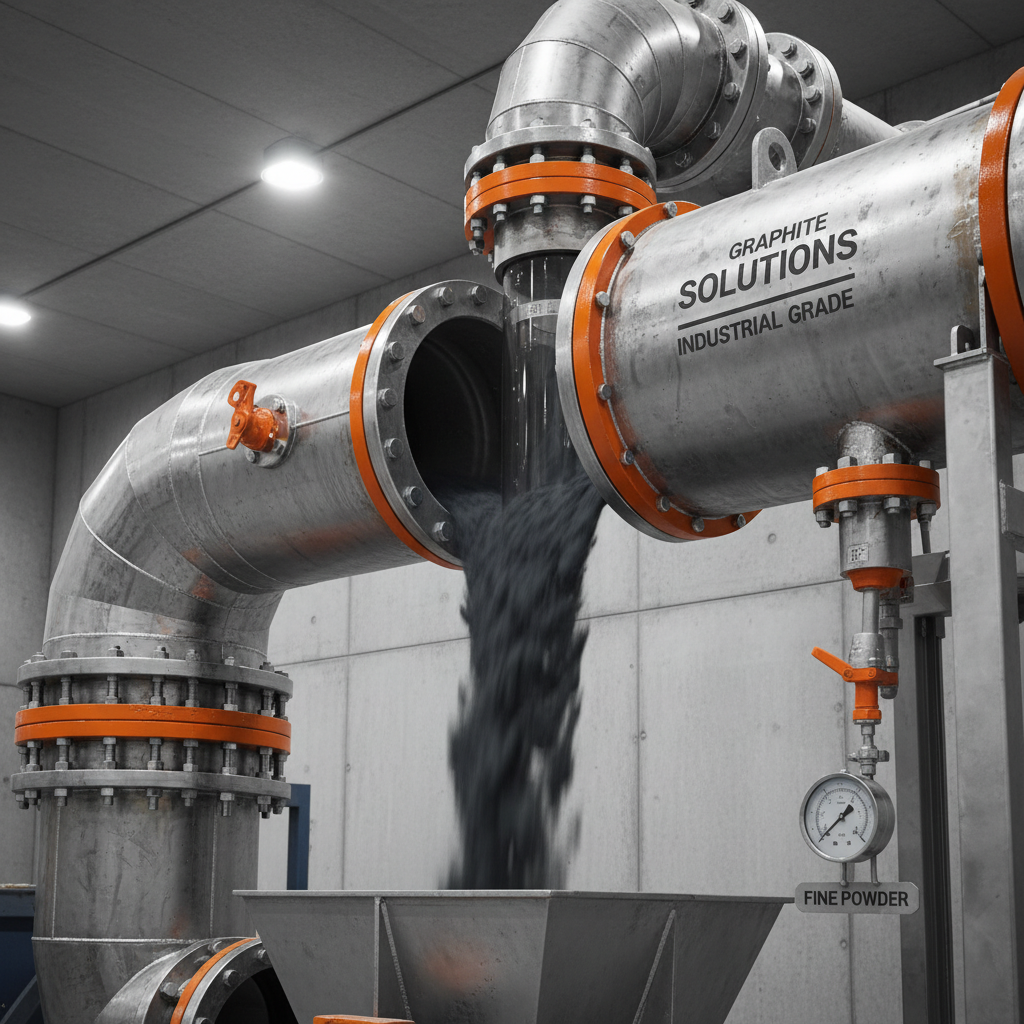
Meeting demand means producing significant volumes of this fine powder without quality drop-off. Advances in milling technologies—like jet milling and ball milling—allow manufacturers to scale up with precision. This balance is vital for industries like electric vehicle battery manufacturing, where tons of uniform graphite powder must be fed into production.
Cost Efficiency
Fine graphite powders aren't cheap, but manufacturers balance costs with yield and purity. Using sustainably sourced ore and optimizing milling processes can reduce expenses without compromising quality.
Environmental Impact
With growing focus on greener processes, producing graphite powder with minimal waste and energy use is becoming a benchmark. Some producers even recycle graphite from battery scrap or employ closed-loop milling processes to reduce the footprint.
Mini takeaway:
- Purity and consistent particle size enable superior product performance.
- Production scalability and environmental concerns are shaping market trends.
Real-World Applications: Where Does Graphite Powder 200 Mesh Shine?
Despite sounding niche, graphite powder 200 mesh is surprisingly versatile:
- Battery Manufacturing: Lithium-ion battery anodes need graphite with consistent particle sizes for uniformity and performance. Industry hubs in China, South Korea, and the US rely heavily on precisely milled powders.
- Steelmaking: Graphite powder improves carbon content and quality in steel—regions like Germany and Japan efficiently integrate 200 mesh graphite for high-strength alloys.
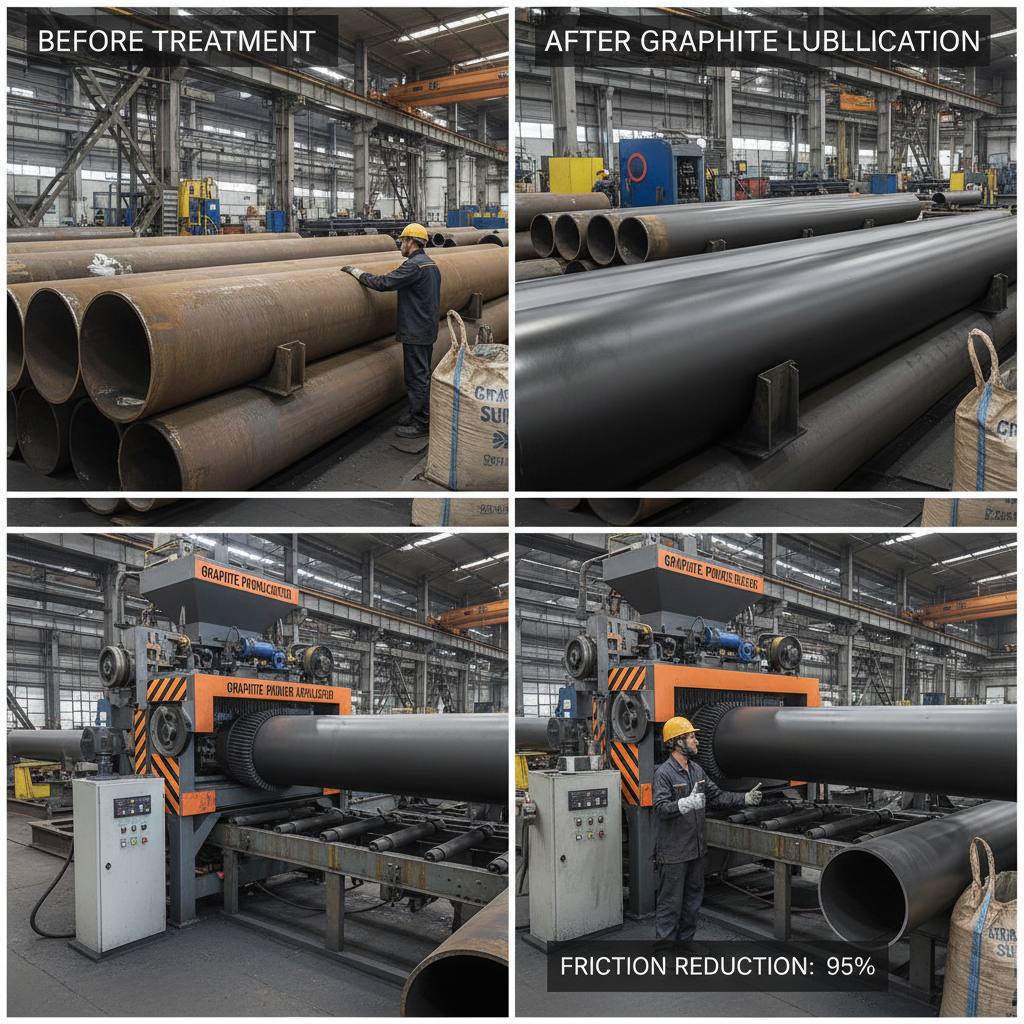
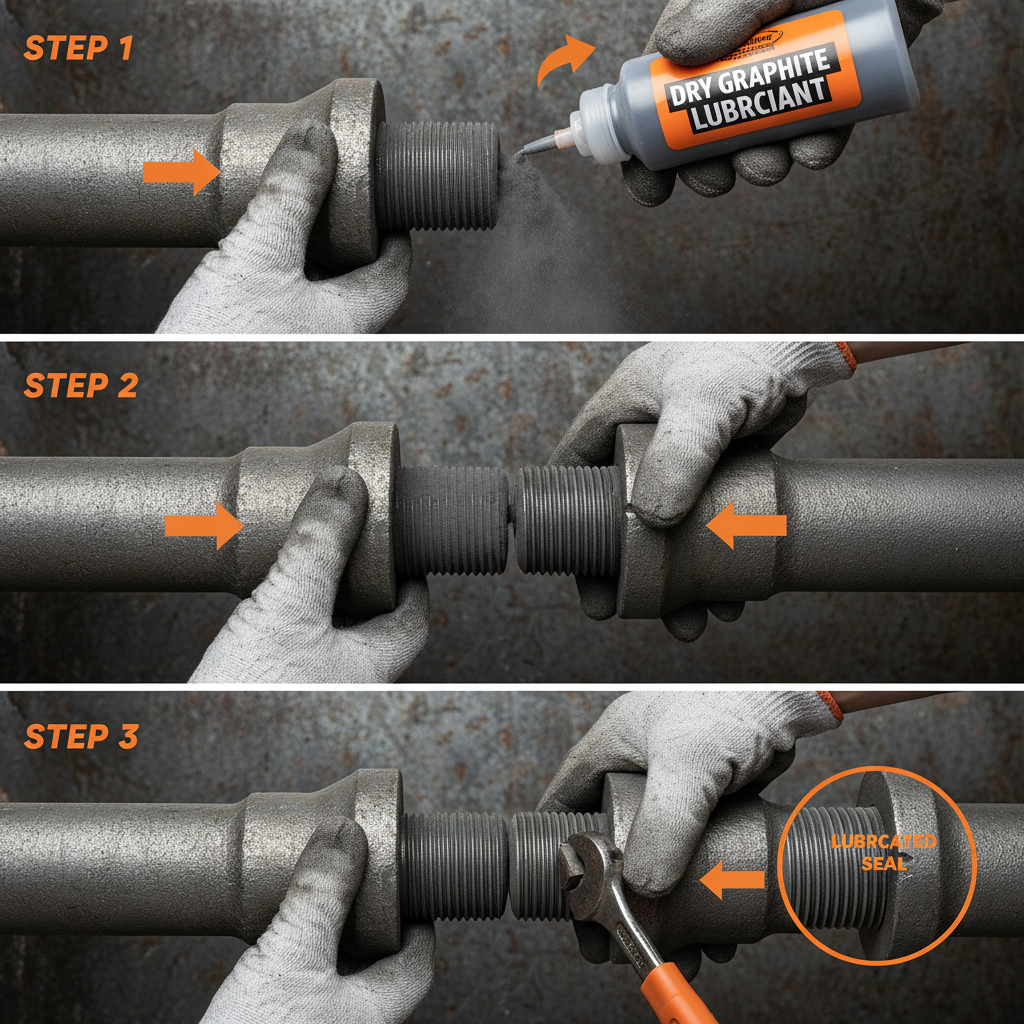
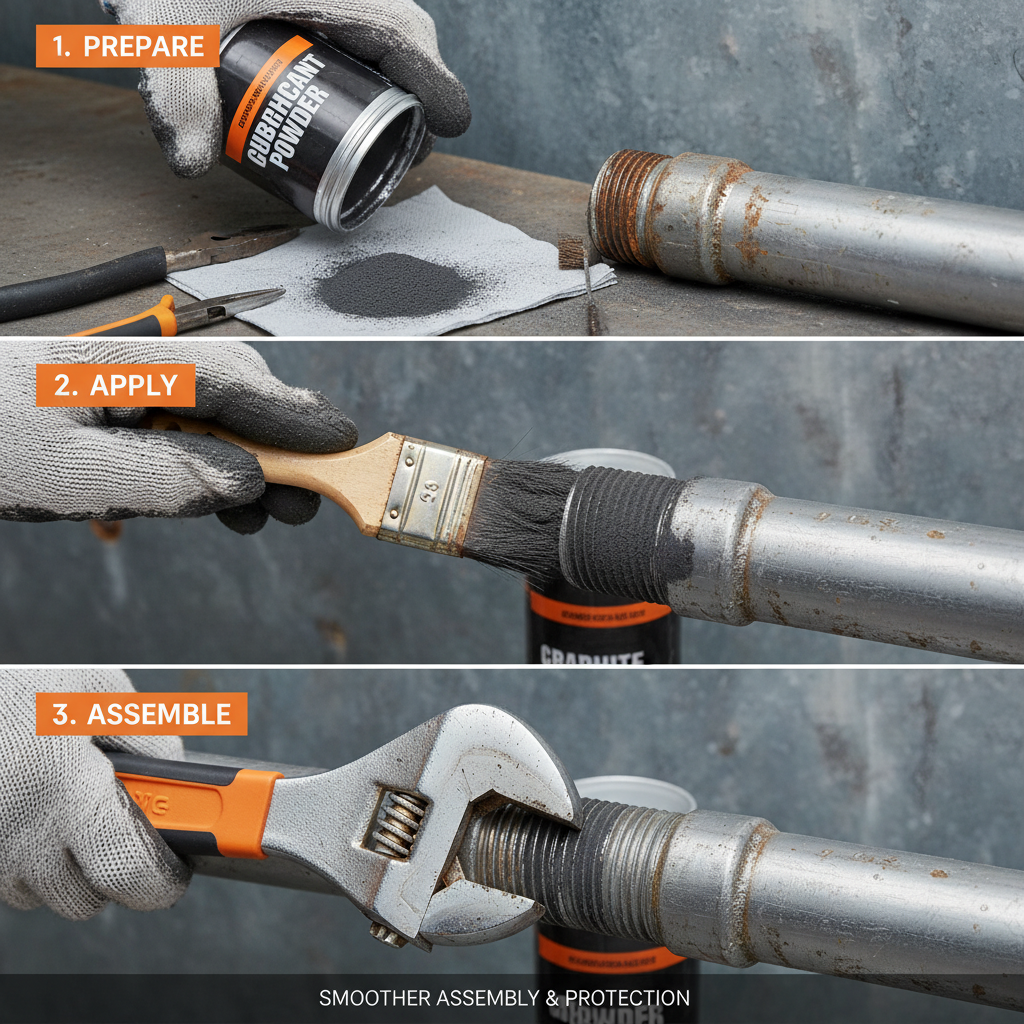
- Lubricants: Fine graphite powder provides dry lubrication in heavy machinery, especially in mining operations in Australia and Brazil.
- Resistors and Electronics: The electrical conductivity enhancements using this powder are central to advanced resistor manufacturing, critical for telecommunication and aerospace sectors.
Oddly enough, some humanitarian initiatives use graphite powder in disaster zones for rebuilding or maintaining machinery reliably, where replacing parts is tough. It’s a small but meaningful footprint.
Mini takeaway:
- Graphite powder 200 mesh fuels batteries, steel quality, lubricants, and electronics worldwide.
- Its reliability extends unexpectedly even to remote or tough industrial settings.
Product Specifications at a Glance
| Specification | Standard Range | Typical Value |
|---|---|---|
| Particle Size (Mesh) | 200 mesh | ~74 microns max |
| Carbon Content | ≥ 99% | 99.5% |
| Moisture | ≤ 1% | 0.8% |
| Ash Content | ≤ 0.5% | 0.3% |
| Bulk Density | 0.4–0.6 g/cm³ | 0.5 g/cm³ |
Vendor Comparison: Choosing the Right Graphite Powder 200 Mesh Supplier
| Supplier | Purity (%) | Lead Times (Days) | Sustainability Initiatives | Pricing (USD/kg) |
|---|---|---|---|---|
| GraphiTech Inc. | 99.8 | 7–10 | Recycling + Low Emission Milling | $30 |
| PureCarbon Ltd. | 99.5 | 5–8 | Renewable Energy Usage | $28 |
| EcoGraphite Solutions | 99.2 | 10–12 | Closed-Loop System + Waste Minimization | $32 |
How Graphite Powder 200 Mesh Delivers Tangible Benefits
In real terms, using high-quality graphite powder with this mesh size offers industries:
- Cost savings: Uniform particle size means less material waste, fewer defects, and efficient mixing—all lowering production costs.
- Eco-friendly production: Less powder dust means lower emissions and healthier workplaces.
- Longevity and reliability: Finished products last longer and require fewer repairs thanks to the consistency of graphite powders.
- Social impact: Reliable machinery and advancements in clean energy contribute to community welfare and job creation.
And, honestly, there’s a sense of pride many manufacturers have when using refined materials like this—they’re not just making stuff; they’re part of a bigger innovation story.
Looking Ahead: Innovations Shaping Graphite Powder 200 Mesh
The future of graphite powder production is quite exciting, with trends such as:
- Green synthesis: Using biomass precursors and reducing carbon footprints.
- Nanotechnology incorporation: Tailoring powder sizes to nanoscale for next-gen batteries.
- Automation in quality control: AI-driven particle assessment ensures unmatched uniformity.
- Integration into digital manufacturing: Customized powders for 3D printing conductive parts.
Facing Challenges—And Their Solutions
Of course, producing and using 200 mesh graphite powder isn’t without hurdles:
- Dust hazards: Fine powders can be airborne and pose health risks. Solution: Advanced filtration and worker safety protocols.
- Supply chain fluctuations: Mineral sourcing can be unpredictable. Solution: Developing alternative synthetic graphite options.
- Cost volatility: Price swings tied to raw material availability. Solution: Long-term contracts and recycling initiatives.
FAQ: Common Questions About Graphite Powder 200 Mesh
- What does "200 mesh" mean in graphite powder specifications?
- 200 mesh indicates the particles have passed through a sieve with 200 holes per inch, meaning the powder is very fine—generally under 74 microns. This fine sizing is crucial for applications needing uniformity and smooth texture.
- How does graphite powder 200 mesh improve battery performance?
- The consistent particle size ensures even packing and conductivity in battery anodes, enabling more efficient charge cycles and longer battery life.
- Can graphite powder 200 mesh be used for industrial lubricants?
- Absolutely. Its fine, plate-like particles reduce friction effectively, leading to smoother operations and reduced wear in heavy machinery.
- Is the production of graphite powder 200 mesh environmentally sustainable?
- Many modern manufacturers focus on eco-friendly methods, including recycling graphite materials and employing energy-efficient milling, minimizing environmental impact.
Final Thoughts: Why Graphite Powder 200 Mesh Matters Long-Term
For anyone involved in manufacturing, energy, or materials science, understanding and sourcing quality graphite powder 200 mesh is a cornerstone for future-ready products. Its fine, consistent nature unlocks innovation across sectors—from battery tech to steel production—while aligning with global sustainability goals.
If you’re looking to explore or stock high-quality graphite powders that meet rigorous industry demands, visit our website for comprehensive options and expert guidance.
Quick recap:
- Precisely sized graphite powder shapes diverse industries worldwide.
- Production quality and sustainability are becoming key differentiators.
- Ongoing innovations promise even greater versatility and eco-friendliness.
References & Further Reading
 Pervious
 Next
Next