

- Englist



Graphite Powder for Foundry: Essential Guide for Quality Casting & Sustainability

Understanding Graphite Powder for Foundry: A Global Overview
Graphite powder for foundry isn’t just some niche material confined to obscure corners of industry. In fact, it plays a silent yet indispensable role in metal casting worldwide. Whether it’s improving mold quality or enhancing thermal stability, knowing about graphite powder for foundry helps manufacturers optimize product durability and lower costs. Given the growing demand for high-strength and precision metal components globally, this fine material stands at the crossroads of tradition and tomorrow’s tech.
The Global Context: Why Graphite Powder for Foundry Matters
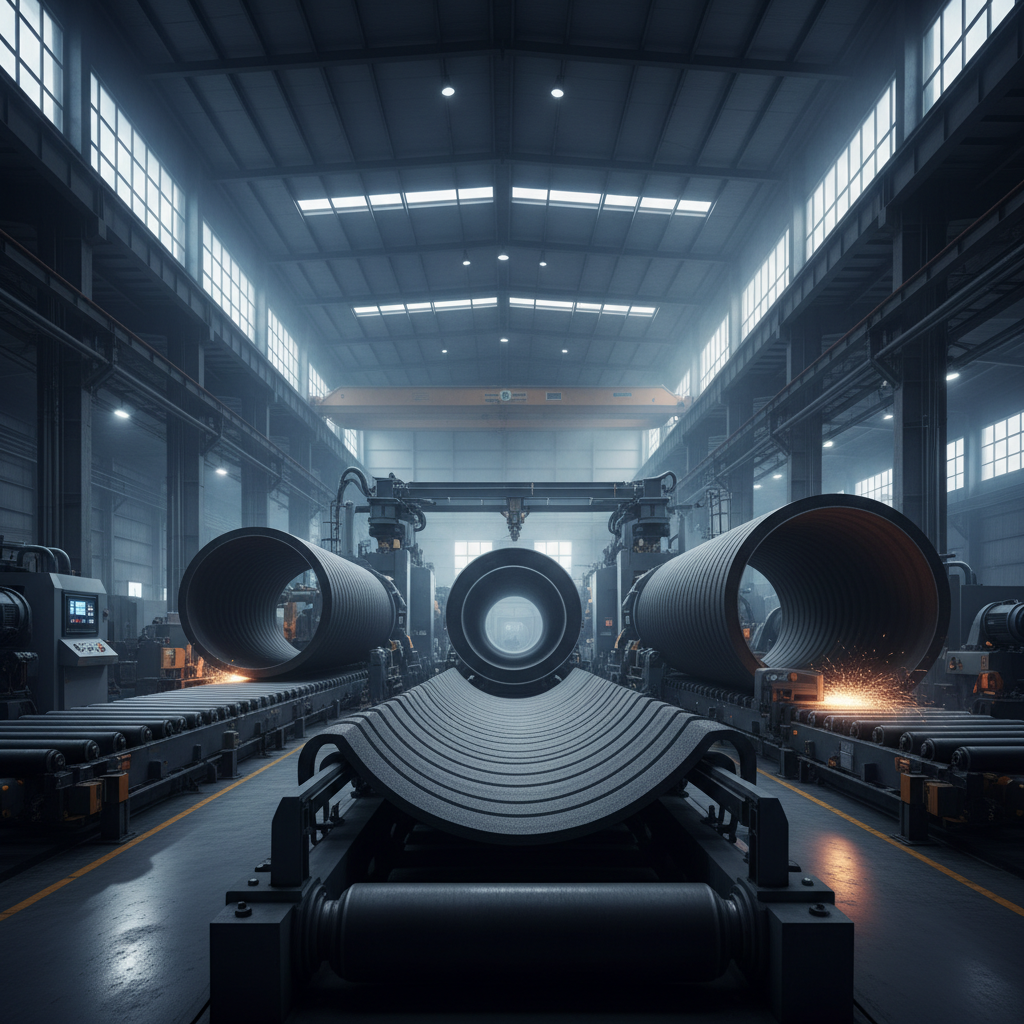
On a global scale, the foundry industry is a massive ecosystem. According to ISO standards and market reports, the metal casting market is expected to reach USD 100 billion+ by 2030, driven by automotive, aerospace, and energy sectors. Here, graphite powder often becomes a vital agent for improving molds and cores, tackling issues like thermal expansion and surface finish. However, challenges persist — efficiency, sustainability, and cost reduction are often in debate, and the high-quality graphite input can be the difference maker.
Interestingly, foundry operations in countries like China, India, and the US illustrate different approaches to using graphite powder, emphasizing how accessibility and tech adoption vary regionally.
Mini Takeaway:
Graphite powder's importance in foundry is underscored by its potential to meet rising industrial demands while addressing cost and quality challenges globally.
What Exactly Is Graphite Powder for Foundry?
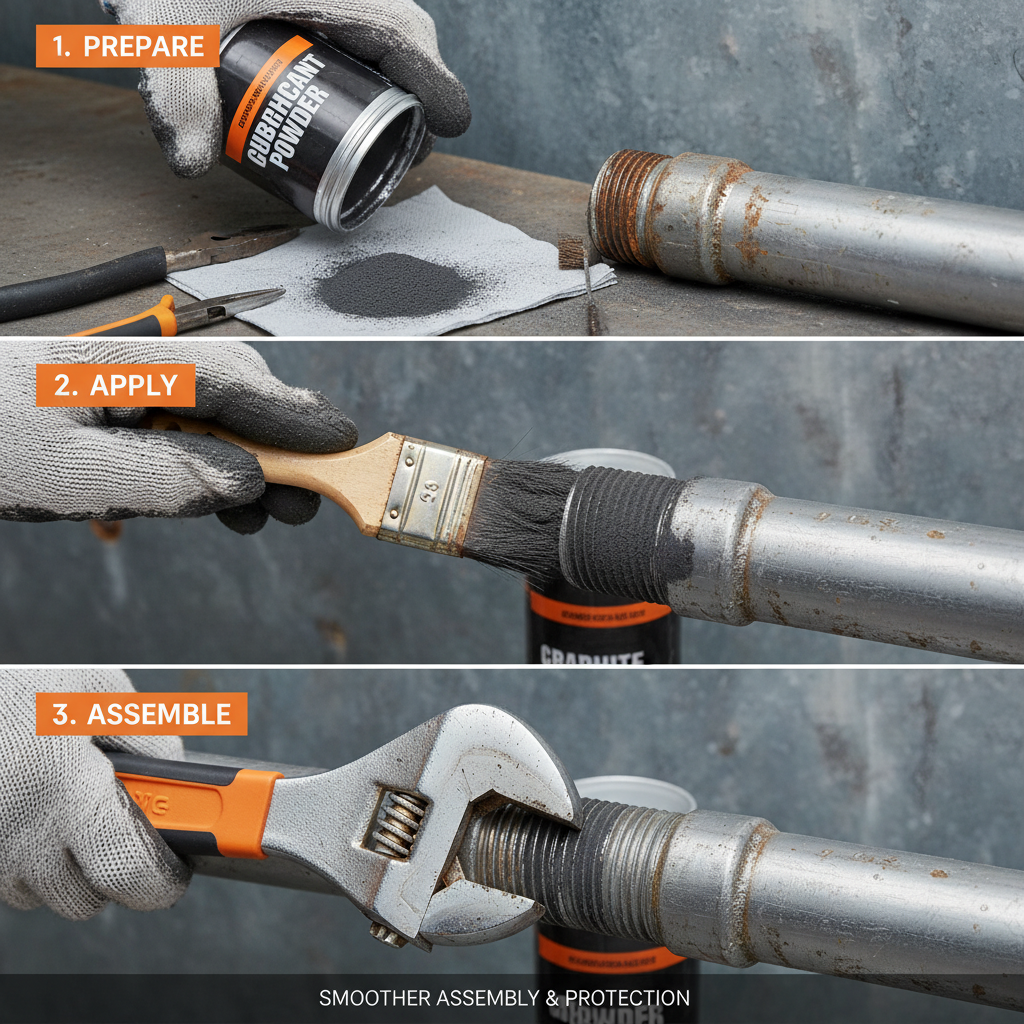
Simply put, graphite powder for foundry is a fine-grained carbon material specially processed to enhance foundry processes. It’s primarily used as a lubricant and protective agent in molds and cores, preventing molten metals from sticking and ensuring smooth casting surfaces. Also known as refractory graphite powder, it withstands extremely high temperatures without degrading.
Its natural combination of high thermal conductivity and chemical inertness makes it a cornerstone in manufacturing components that range from engine blocks to complex aerospace parts.
Mini Takeaway:
Graphite powder acts like a silent helper in foundries — making sure molds last longer, metals cool better, and castings come out flawless.
Core Features That Define Graphite Powder for Foundry
1. Thermal Stability
Graphite’s ability to resist extremely high temperatures without chemical breakdown is crucial. This means molds coated or mixed with graphite powder can handle molten metals safely.
2. Lubrication Properties
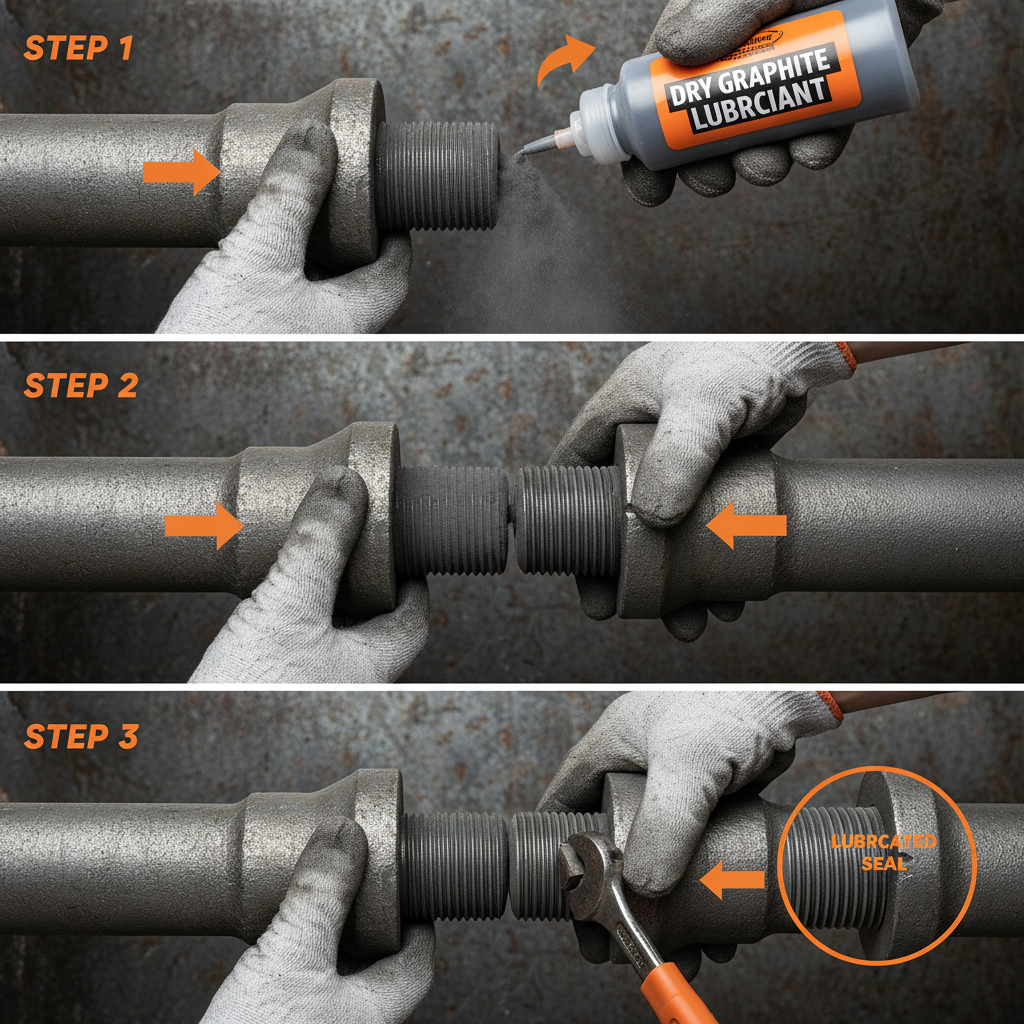
It reduces friction inside the mold, preventing the metal from sticking. This not only improves surface finish but also speeds up casting turnaround.
3. Purity Level
High purity graphite powder limits contaminations that could weaken metal castings. Foundries often seek 99%+ purity powders for critical applications.
4. Particle Size Distribution
Fine, consistent granules ensure even coating and minimize defects in the casting surface.
5. Cost Efficiency
Though high-grade graphite powder commands a price, its reuse potential and casting yield improvements often justify the investment.
| Property | Typical Value | Notes |
|---|---|---|
| Purity | ≥ 99% | Measured as fixed carbon |
| Particle Size | 5 - 50 microns | Uniform particle distribution preferred |
| Moisture Content | ≤ 0.5% | Ensures flow properties |
| pH Level | 6 - 7.5 | Neutral to slightly acidic |
| Bulk Density | 0.4 - 0.7 g/cm³ | Varies based on processing |
Mini Takeaway:
The right graphite powder carefully balances purity, stability, and particle size to meet foundry demands.
Worldwide Applications and Industry Use Cases
Foundries across Asia, Europe, and North America employ graphite powder to boost casting quality significantly. In automotive hubs like Detroit and Stuttgart, manufacturers use high-grade graphite powder to achieve precise engine parts with tight tolerances. Meanwhile, booming industrial zones in India view graphite powder as a cost-saving ally for rapid production cycles.
Even in remote mining towns, foundries rely on graphite powder to maintain mold integrity when producing heavy machinery parts under challenging conditions. Humanitarian sectors sometimes tap into graphite as part of rapid manufacturing, for example creating durable metal frames for deployable shelters.
Mini Takeaway:
Graphite powder adaptation in diverse contexts proves it’s no one-trick pony but a versatile tool for quality and efficiency.
The Advantages of Using Graphite Powder for Foundry
- Improved Surface Finish: Reduces imperfections and yields smoother castings.
- Cost Savings: Less rejected castings and longer mold life mean fewer wastes.
- Environmentally Friendly: Enables lower energy use during cooling due to thermal conductivity.
- Operational Reliability: Enables safer molten metal handling with consistent results.
- Enhanced Innovation: Facilitates complex mold designs and advanced alloys.
Mini Takeaway:
Beyond technical perks, graphite powder contributes to sustainable, trustworthy, and innovative foundry practice.
Looking Ahead: Trends in Graphite Powder for Foundry
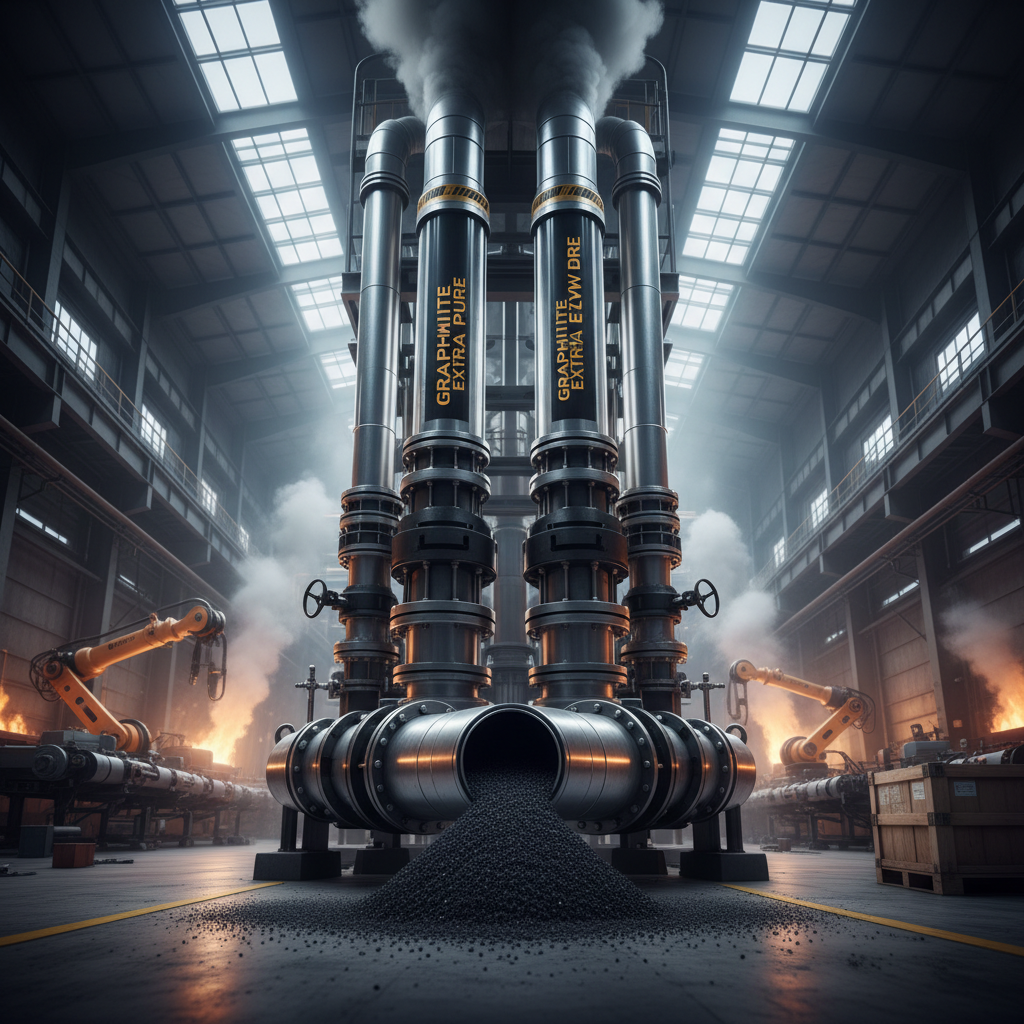
What caught my eye lately is the push towards more sustainable graphite sourcing and production — some providers are developing “green graphite” foundry powders from recycled graphite or bio-based carbon sources. Plus, automation is creeping in; robots applying graphite coatings ensure precision while lowering waste. There’s also growing interest in nanographite powders to further improve heat dissipation properties.
Policymakers are gradually tightening emissions from foundries, nudging manufacturers to adopt cleaner materials like graphite powder that supports energy-efficient operations.
Mini Takeaway:
The future of graphite powder blends sustainability, digital tech, and material science breakthroughs.
Challenges with Graphite Powder and How to Address Them
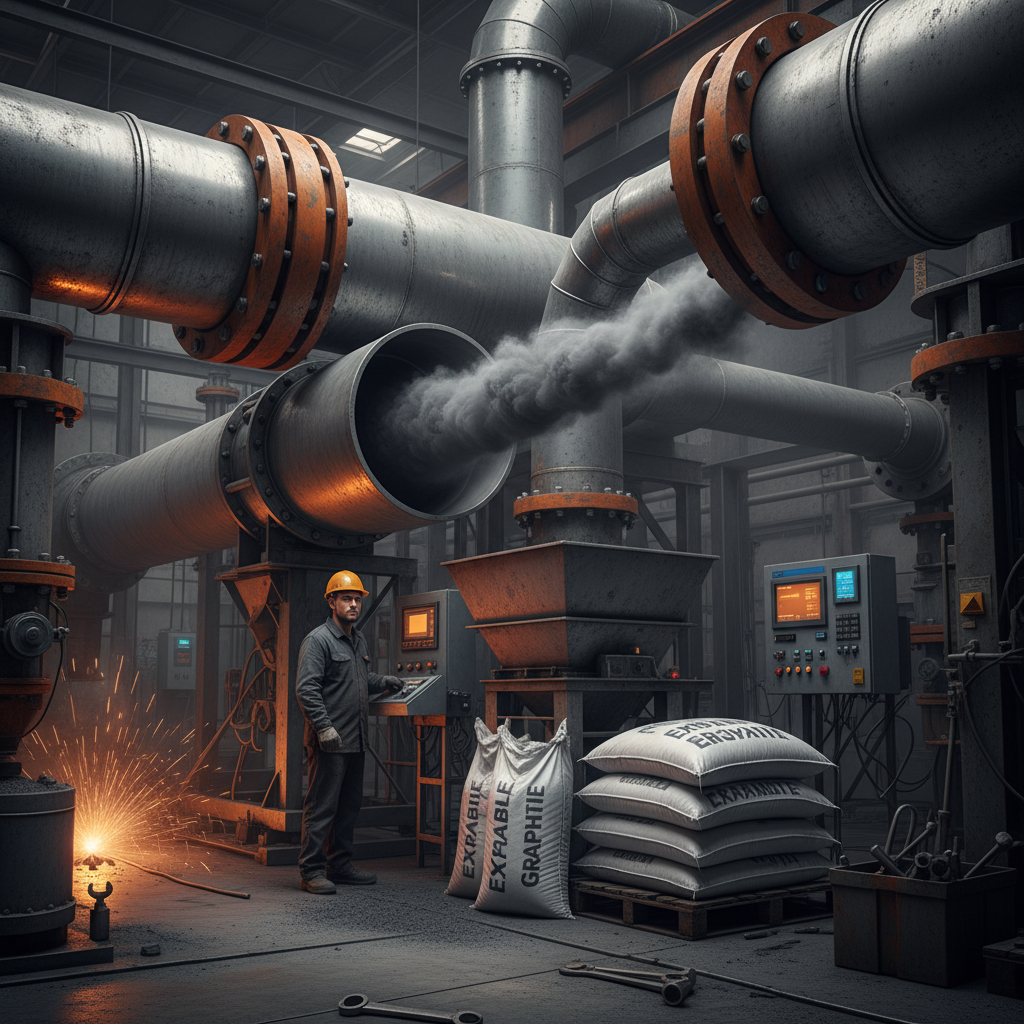
Not everything is rosy. Sourcing high-purity graphite can be tricky and price-sensitive. Plus, inconsistent particle sizes in some batches occasionally cause casting flaws. Some foundries struggle to train workers on handling fine powders safely due to inhalation risks.
Solutions? Many experts recommend partnering with trusted suppliers, investing in rigorous quality controls, and embracing personal protective equipment (PPE) protocols. Advances in powder processing have also shrunk inconsistencies significantly.
Mini Takeaway:
Challenges around purity, safety, and consistency are real but manageable with smart quality and safety practices.
Frequently Asked Questions About Graphite Powder for Foundry
-
What is the main benefit of using graphite powder in metal casting?
Graphite powder greatly improves mold lubrication, reducing sticking and enhancing surface finish, which results in more precise and defect-free castings.
-
Can graphite powder be reused in foundry applications?
Yes, in many cases graphite powder can be reclaimed from used molds and recycled, though repeated reuse may affect purity and performance.
-
Is graphite powder safe to handle in industrial settings?
Handling graphite powder requires safety precautions such as masks and ventilation to reduce inhalation risks, but with proper procedures, it’s safe.
-
How does particle size affect graphite powder performance?
Smaller, uniform particle sizes ensure even coating and smoother metal finishes, whereas uneven granules can cause defects or inconsistent thermal performance.
-
Where can I buy high-quality graphite powder for foundry?
Trusted suppliers with certifications and consistent testing data are the best choice—check out our recommended vendor listings below or visit graphite powder for foundry specialists.
Vendor Comparison: Choosing Your Graphite Powder Partner
| Vendor | Purity (%) | Particle Size (microns) | Sustainability Practices | Price Range (per kg) | Global Reach |
|---|---|---|---|---|---|
| NL Graphite Co. | 99.8 | 5 - 45 | Recycled sourcing, low emissions | $12 - $18 | Worldwide |
| GraphiTech Industries | 99.5 | 10 - 50 | Standard sourcing | $10 - $15 | North America, Europe |
| CarbonPure Ltd. | >99.9 | 3 - 40 | Bio-based raw materials | $15 - $22 | Asia, Europe |
Conclusion and Next Steps
To sum it all up, graphite powder for foundry is far more than just a raw material — it’s a catalyst for enhanced performance, sustainability, and innovation in metal casting worldwide. Selecting the right graphite powder affects everything from product quality to operational costs and environmental impact. As the industry moves towards greener and smarter solutions, understanding and investing in high-quality graphite powders becomes not just prudent but essential.
If you want to explore more about how quality graphite powder for foundry can transform your foundry operations, visit our website and see what the future holds today.
References & Further Reading:
 Pervious
 Next
Next