

- Englist



Graphite Powders for Industrial Use – Quality, Purity & Applications

Graphite Powders: The Unsung Hero of Industrial Applications
Having spent a good chunk of my career in the industrial equipment sector, I can say: graphite powders often don’t get the spotlight they deserve. Yet, when you look closer, they quietly make a big difference across countless applications — from lubricants to conductive components. Frankly, their unique composition and adaptability make them an engineer’s secret weapon.
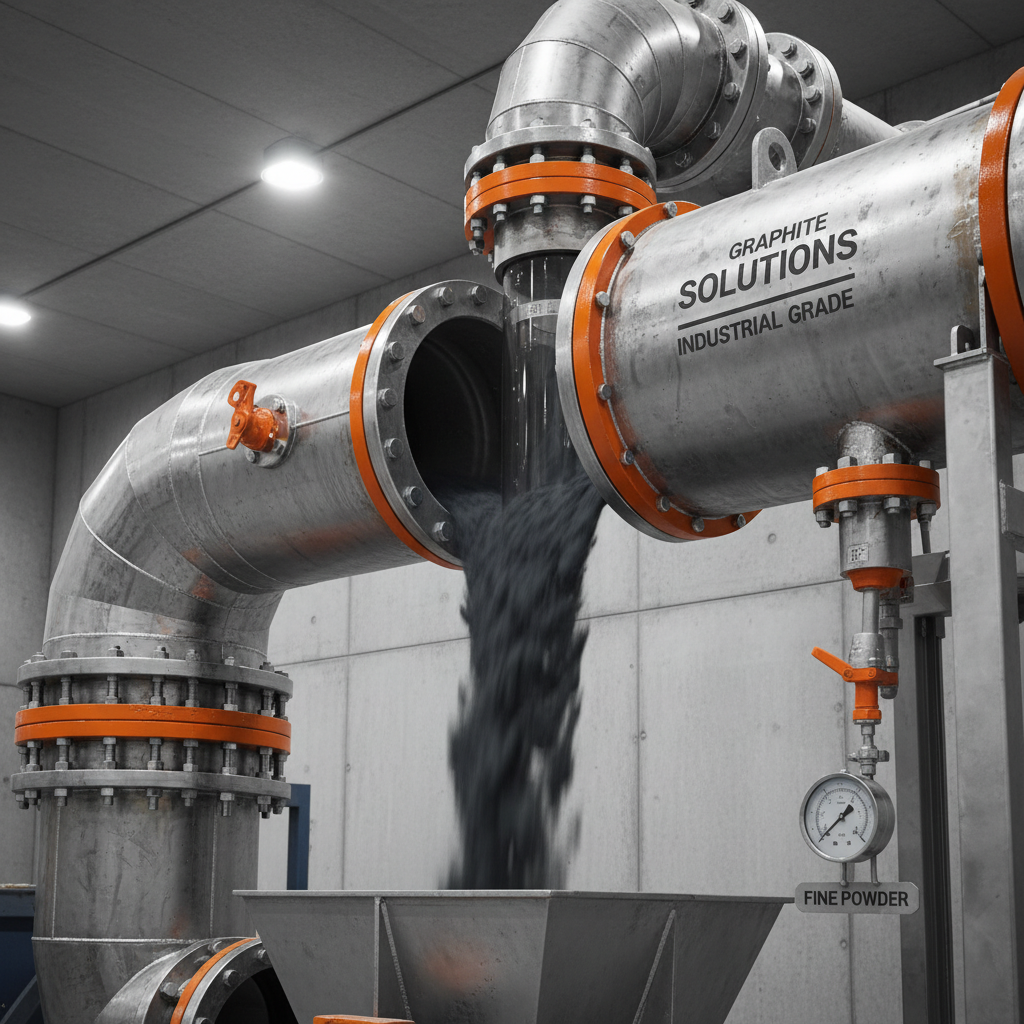
Graphite powder is essentially finely ground graphite flakes. The material itself is naturally brilliant at withstanding high temperatures and resisting corrosion. Oddly enough, these powders have been mined and refined for ages, but modern processing and graphite powders offer tailored particle sizes and purities few would have dreamed of decades ago.
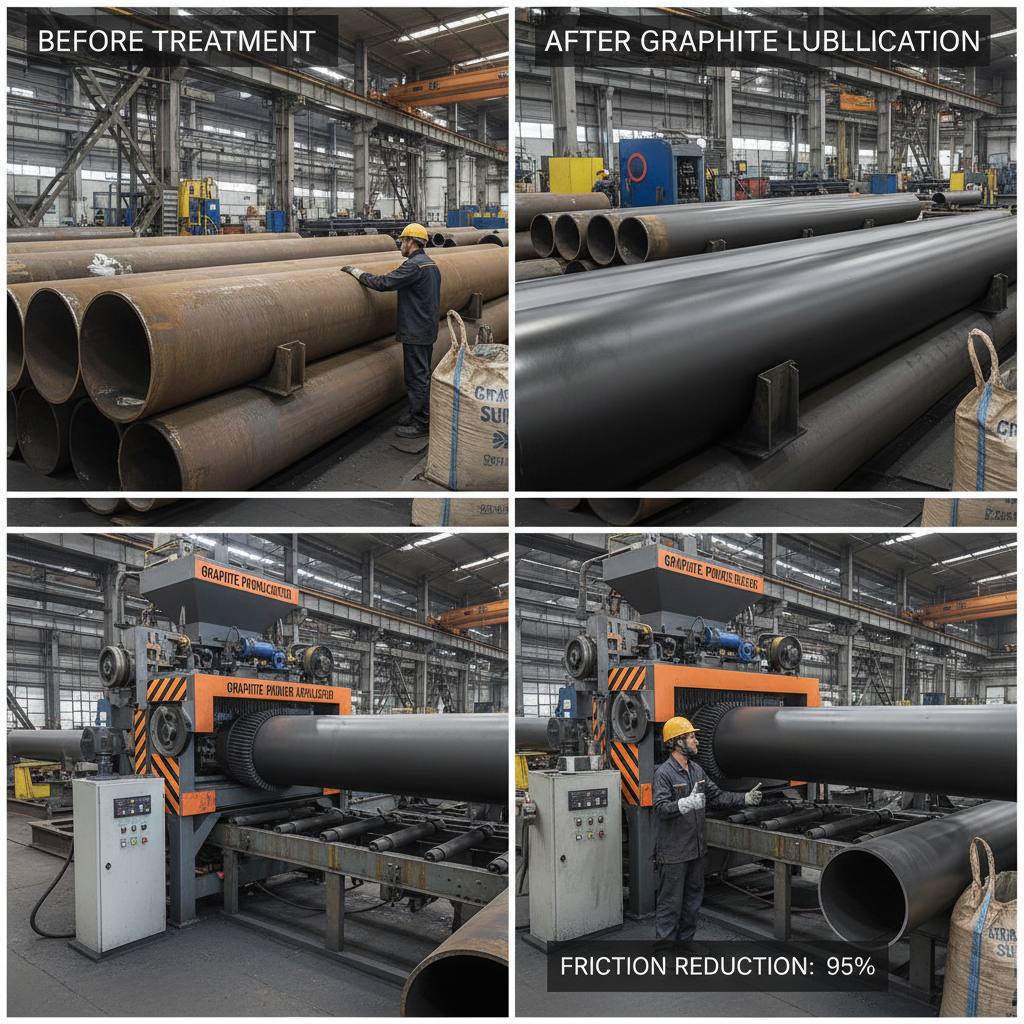
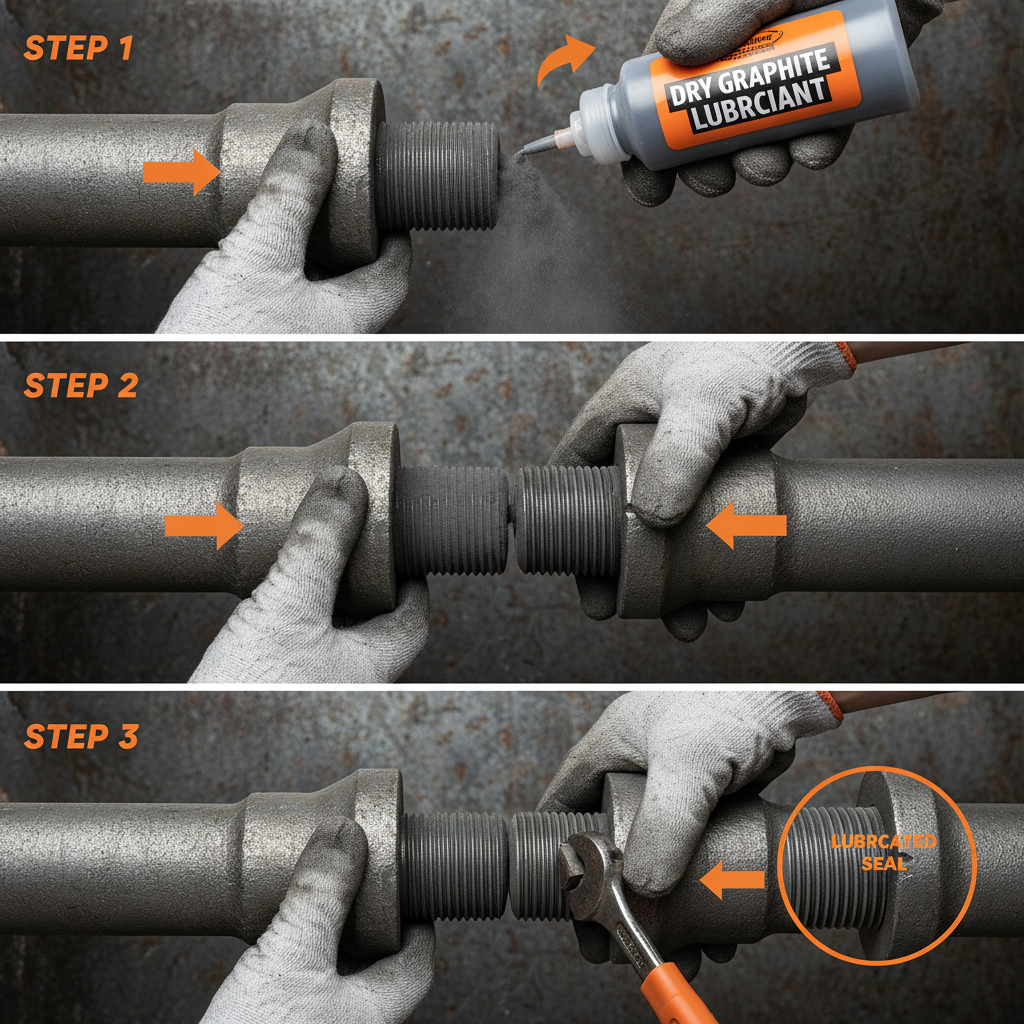
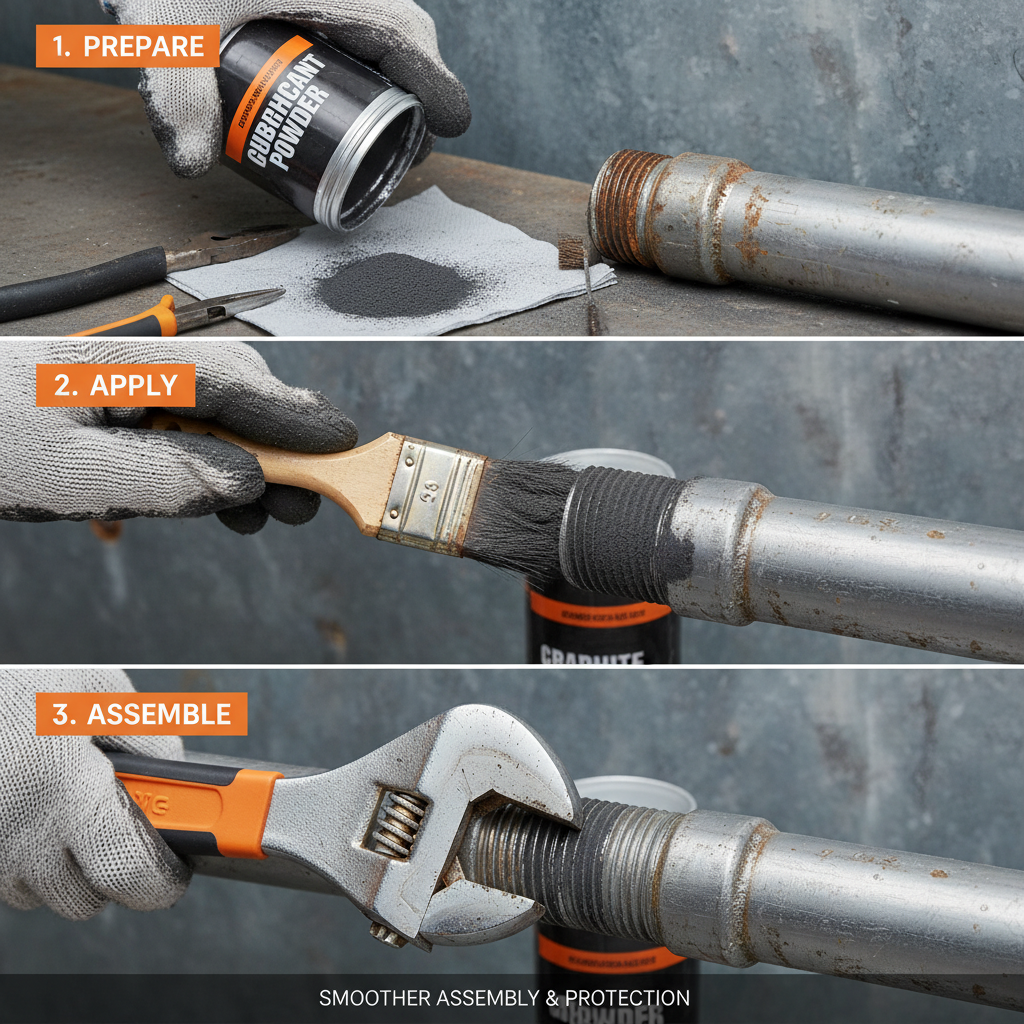
In real terms, graphite powders bring exceptional dry lubrication properties. Unlike wet lubricants, they don’t evaporate or freeze, making them invaluable in extreme environments, say aerospace or heavy machinery. Personal anecdote: We had a customer running turbines in a desert environment. The graphite powder-based lubrication system reduced downtime dramatically — the particles just kept working.
Why Particle Size and Purity Matter
Not all graphite powders are created equal. Particle size affects everything from flowability to surface area, which in turn impacts conductivity and lubrication. Purity is equally crucial; impurities can cause unwanted chemical reactions, especially in high-heat or electrical applications. I’ve noticed many engineers swear by powders with purities above 99.9% for sensitive tasks.
Here’s a handy product spec snapshot to keep in mind:
| Specification | Typical Value |
|---|---|
| Particle Size (µm) | 1 - 50 |
| Purity (%) | 99.9+ |
| Bulk Density (g/cm³) | 0.7 - 1.1 |
| Ash Content (%) | Below 0.05 |
| Resistivity (µΩ·m) | 12 - 35 |
Now, speaking of vendors, it’s a bit of a jungle out there. I’ve worked with all sorts — from global giants to niche suppliers specializing in custom blends. The difference often comes down to control over sourcing and processing technology. For instance, having consistent particle calibration means your product behaves predictably in industrial processes.
| Vendor | Particle Size Range (µm) | Purity (%) | Customization Options | Lead Time (days) |
|---|---|---|---|---|
| NLG Graphite | 1 - 50 | 99.9+ | Particle size, purity, packaging | 14 |
| Global Carbons | 5 - 70 | 99.5 | Limited | 21 |
| PowderTech Inc. | 2 - 40 | 99.8 | Custom blends | 30 |
Customization can be a game-changer — if you ask me — especially when you’re integrating graphite powders into composites or electronic components. Some customers I worked with initially struggled with off-the-shelf products, but once they switched to tailored sizes and purities, their production consistency improved noticeably.
In terms of trends, the push towards electric vehicles and renewable energy is boosting demand for high-quality graphite powders, mainly because of the material’s efficiency in battery anodes and conductive additives. It feels like the market is expanding in ways that only seasoned professionals really appreciate: subtle shifts here, large leaps there.
To sum it up, graphite powders might seem straightforward, but their impact is profound. Choosing the right powder requires considering specs, supplier reliability, and sometimes a bit of trial and error. I suppose that’s part of the fun — and the challenge.
Quick takeaway: When it comes to graphite powders, precision matters more than ever — quality always wins in the end.
References
- Industry Handbook on Industrial Lubricants and Powders, 2022 Edition
- NLG Graphite Technical Data Sheets and Quality Reports
- “Graphite Applications in Modern Industry,” Materials Science Journal, 2023
 Pervious
 Next
Next