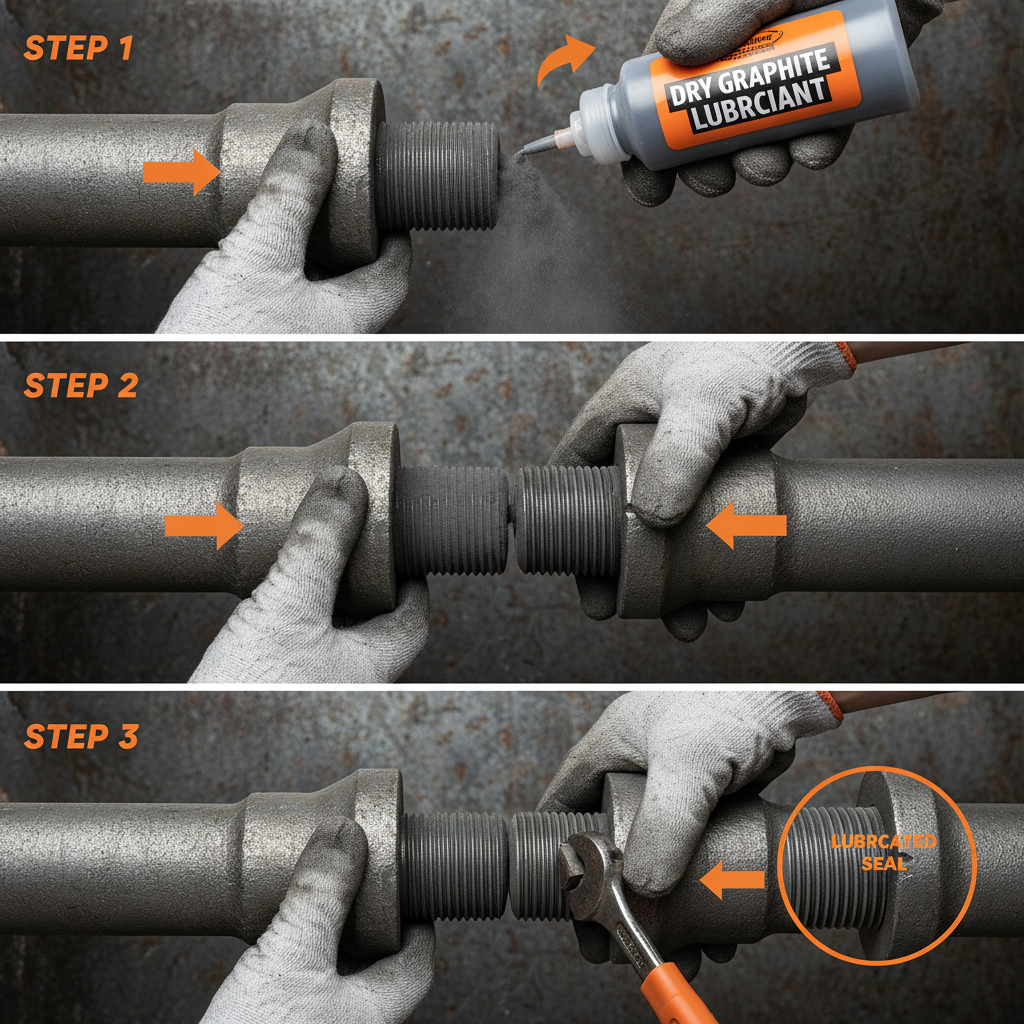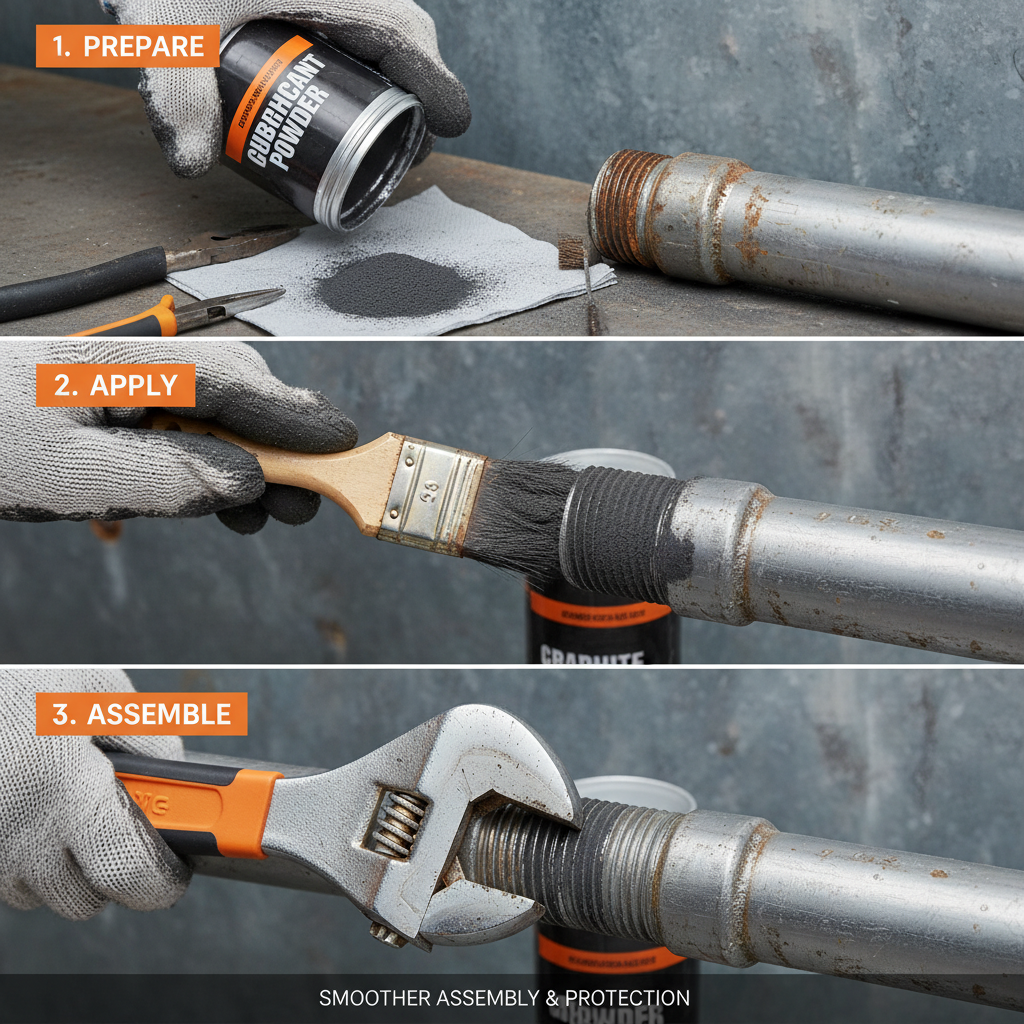


- Englist



Premium Graphite Powder 200 Mesh for Industrial Applications | NLGraphite

Understanding graphite powder 200 mesh: What Every Industrial Pro Needs to Know
Having spent a good chunk of my career deeply embedded in the industrial equipment world, I’ve come to appreciate the subtleties that make materials like graphite powder absolutely indispensable in certain applications. Now, if you’re dealing with graphite powder 200 mesh, you probably already know it’s a bit of a workhorse in sectors ranging from lubricants to batteries. But what you might not realize is just how much the 200 mesh specification matters — it’s about particle size, surface area, and ultimately, performance.
Graphite powder’s 200 mesh grade means the particles pass through a screen with 200 openings per inch. That results in a fine powder, roughly around 74 microns in size. The fine particle size helps in applications requiring smooth, even coatings or enhanced electrical conductivity. Frankly, I’ve noticed suppliers vary quite a bit in consistency, so it’s important to scrutinize specs closely before committing.
Oddly enough, while graphite’s basic chemistry hasn’t changed in ages, advances in refining and milling have elevated product quality. In real terms, that means more uniform particle size, less contamination, and better performance in demanding environments. Many engineers I talk to swear by high-purity 200 mesh graphite, especially when working on seals or electrodes.
Key Specifications of Graphite Powder 200 Mesh
| Property | Typical Value | Units |
|---|---|---|
| Mesh Size | 200 | - |
| Particle Size (Avg.) | ~74 | microns |
| Purity | >99.5% | carbon content |
| Moisture Content | % | |
| Specific Surface Area | 8–12 | m²/g |
What I find intriguing is how this powder, simple as it may seem, fits seamlessly in tough industrial processes. A manufacturer I worked with recently switched from a coarser grade to the 200 mesh graphite powder for their high-temp mechanical seals, and they reported noticeably longer seal life and reduced maintenance downtime. That kind of improvement, even if subtle, translates to real savings.
Vendor Comparison: Choosing the Right Graphite Powder
| Feature | NLGraphite | Vendor B | Vendor C |
|---|---|---|---|
| Particle Uniformity | Excellent | Good | Fair |
| Purity (%) | >99.5 | 99.0 | 98.7 |
| Lead Time | 2 weeks | 3 weeks | 4 weeks |
| Customer Support | Excellent | Moderate | Limited |
| Price (per kg) | $15.50 | $14.30 | $13.80 |
When selecting a supplier, it’s tempting to just go for the lowest price, but I’d caution you to consider consistency and service. NLGraphite, for example, has proven reliable in delivering a consistently high-grade 200 mesh powder with excellent particle uniformity — no small feat given the milling process variance. Their quick lead times and hands-on customer support helped us troubleshoot application nuances faster than expected.
Customization options are another interesting aspect. Some vendors offer tailored blends or surface treatments to suit special applications like conductive inks or thermal management systems. From experience, it pays off to discuss your exact requirements; manufacturers tend to be more flexible than you might guess.
Before wrapping up, one small anecdote: A longtime client in the automotive brake industry once told me that switching to a premium graphite powder 200 mesh variant literally “smoothed the friction profile” of their product, reducing noise and wear in ways they hadn’t thought possible with cheaper powders. It just goes to show that sometimes, the devil really is in the details.
In summary, graphite powder 200 mesh might seem like a simple commodity at first glance. But in the real-world grind of industrial production, particle size, purity, and vendor reliability can make all the difference. Choosing the right product isn’t just about ticking specs boxes, but about understanding how the powder fits into your process — in a way, it’s an art as well as a science.
If you want to dive deeper, check out NLGraphite for detailed product guides and reliable supply — I’ve got to say, they’ve earned respect in this space over the years.
A bit more reading for the curious:
- "Graphite Material Properties" - Industrial Minerals Journal, 2022
- "Advances in Carbon Powder Milling" - Journal of Material Science, 2023
- "Applications of Fine Graphite Powders in Manufacturing" - Engineering Today, 2021
 Pervious
 Next
Next