

- Englist



Graphite Rod Material: Durable, High-Performance Solutions for Industry | NL Graphite

Graphite Rod Material is a key solution in the industry, specifically within sectors demanding durability and precision under harsh conditions. This article explores how NL Graphite supports professionals with durable, high-performance products, and explains why this product is an ideal choice for businesses in these sectors.
Table of Contents
- Graphite Rod Material Overview
- Benefits & Use Cases of Graphite Rod Material
- Cost, Maintenance & User Experience
- Sustainability & Market Trends
Graphite Rod Material Overview
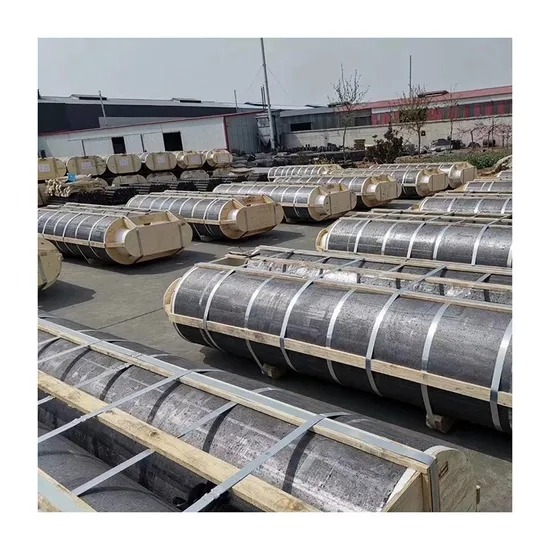
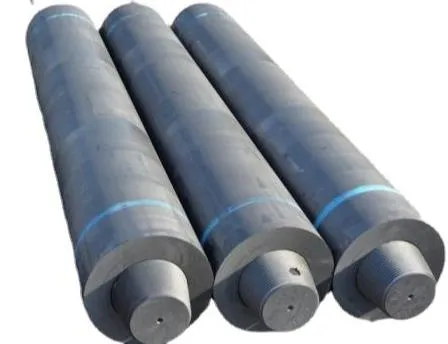
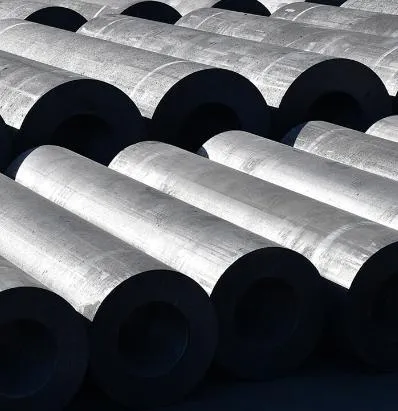
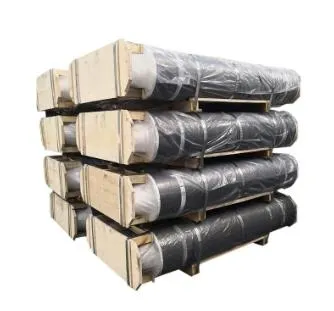
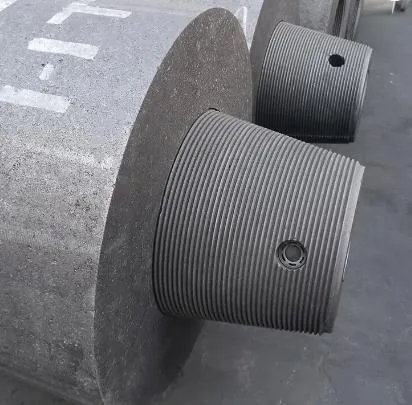
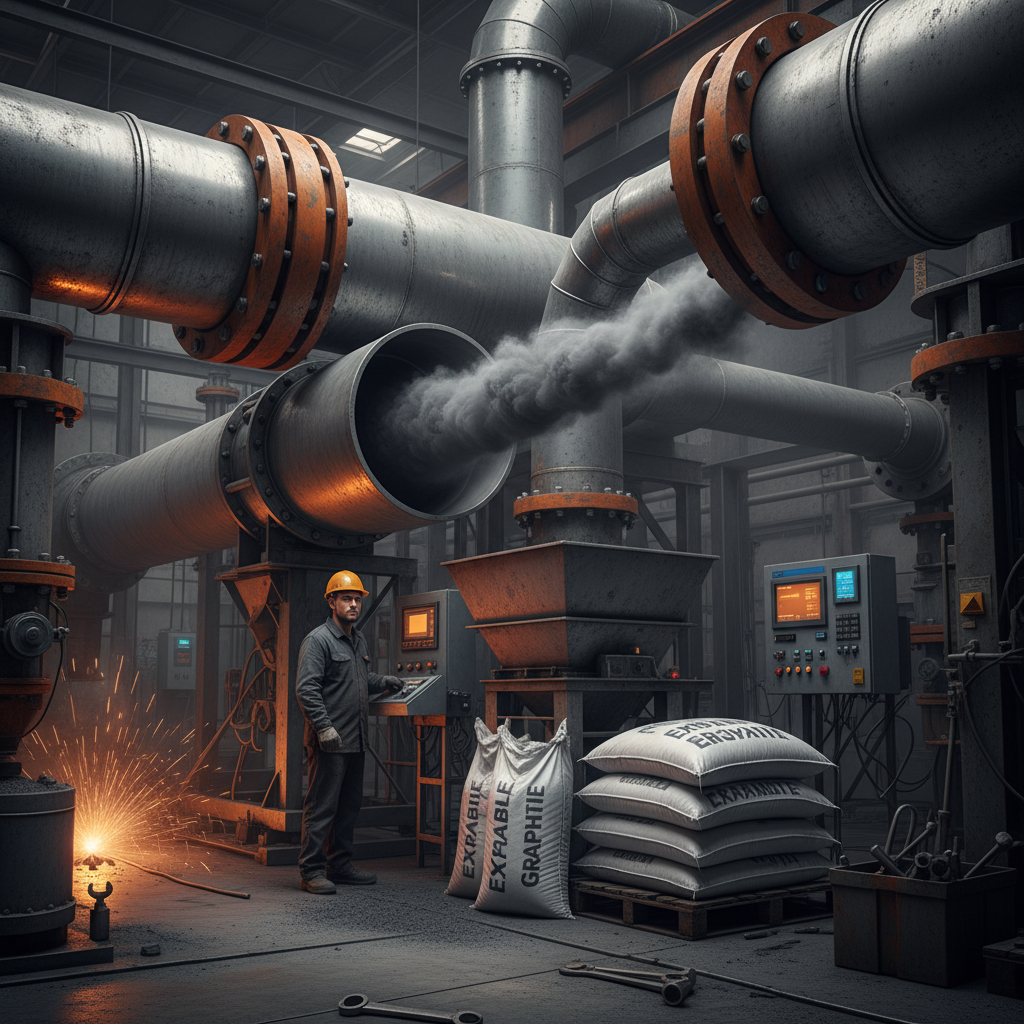
At its core, graphite rod material is a form of carbon known for its remarkable thermal stability, electrical conductivity, and resistance to corrosion. It’s quite a versatile product and an essential component in industries where heat tolerance and mechanical strength can’t be compromised—think aerospace, chemical processing, and electric vehicle manufacturing. Frankly, you don’t want an inferior graphite rod ticking inside your machinery under extreme pressure.
Technically, these rods are manufactured by baking carbon-based precursors at extremely high temperatures, unleashing a crystalline structure that lends them their signature properties. NL Graphite, for example, customizes rods ranging from 6mm to over 150mm in diameter, catering to bespoke industrial demands. There’s an understated elegance in how these rods perform – high thermal shock resistance combined with low friction coefficients. It's no wonder engineers rely heavily on this material for precision applications.
| Property | Value / Range | Unit |
|---|---|---|
| Purity | ≥ 98% | % |
| Tensile Strength | 25 – 45 | MPa |
| Thermal Conductivity | 90 – 190 | W/m·K |
| Max Operating Temperature | 3000 | °C |
Benefits & Use Cases of Graphite Rod Material
The practical benefits of graphite rod material are compelling. It’s lightweight yet remarkably strong, making it ideal for manufacturing heating elements, electrodes, mechanical seals, and even components in nuclear reactors. I’ve often heard engineers praise its chemical inertness – it doesn’t react easily, which is a massive advantage in corrosive environments.
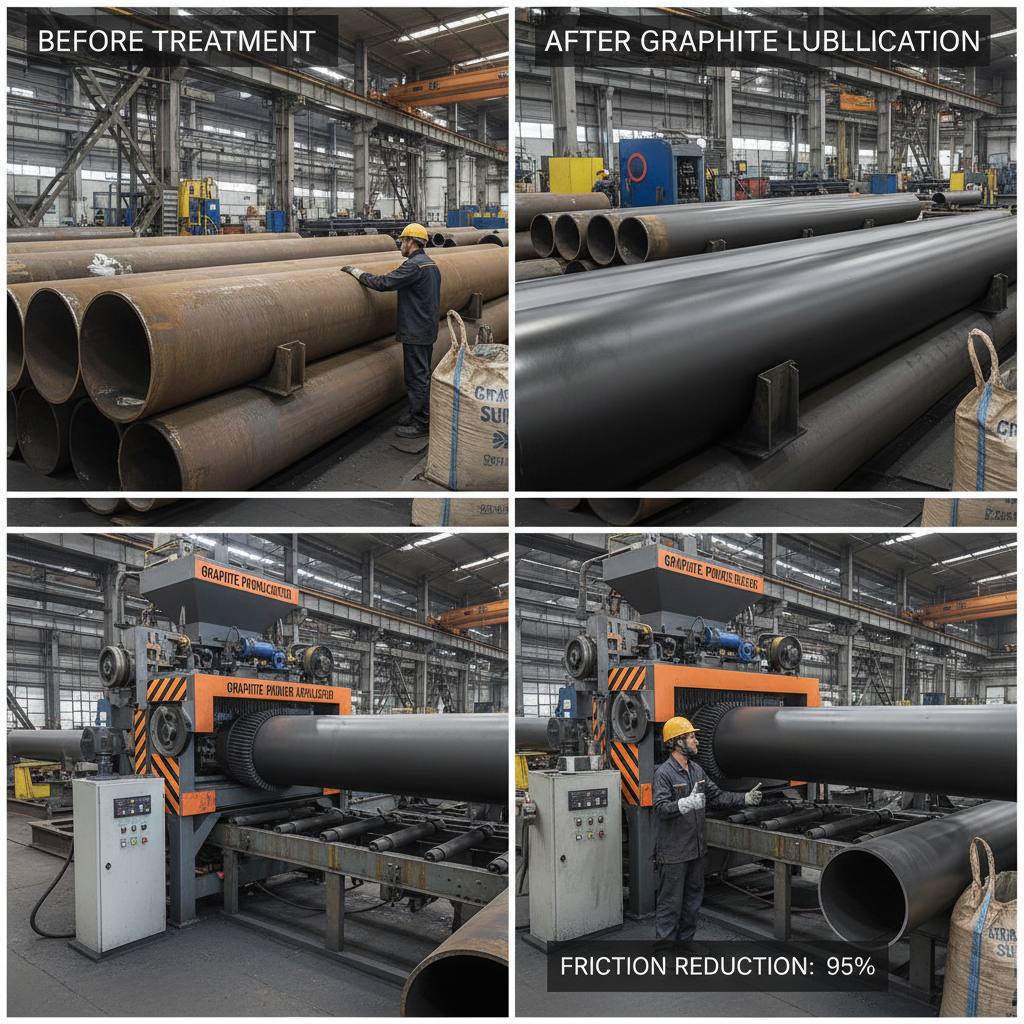
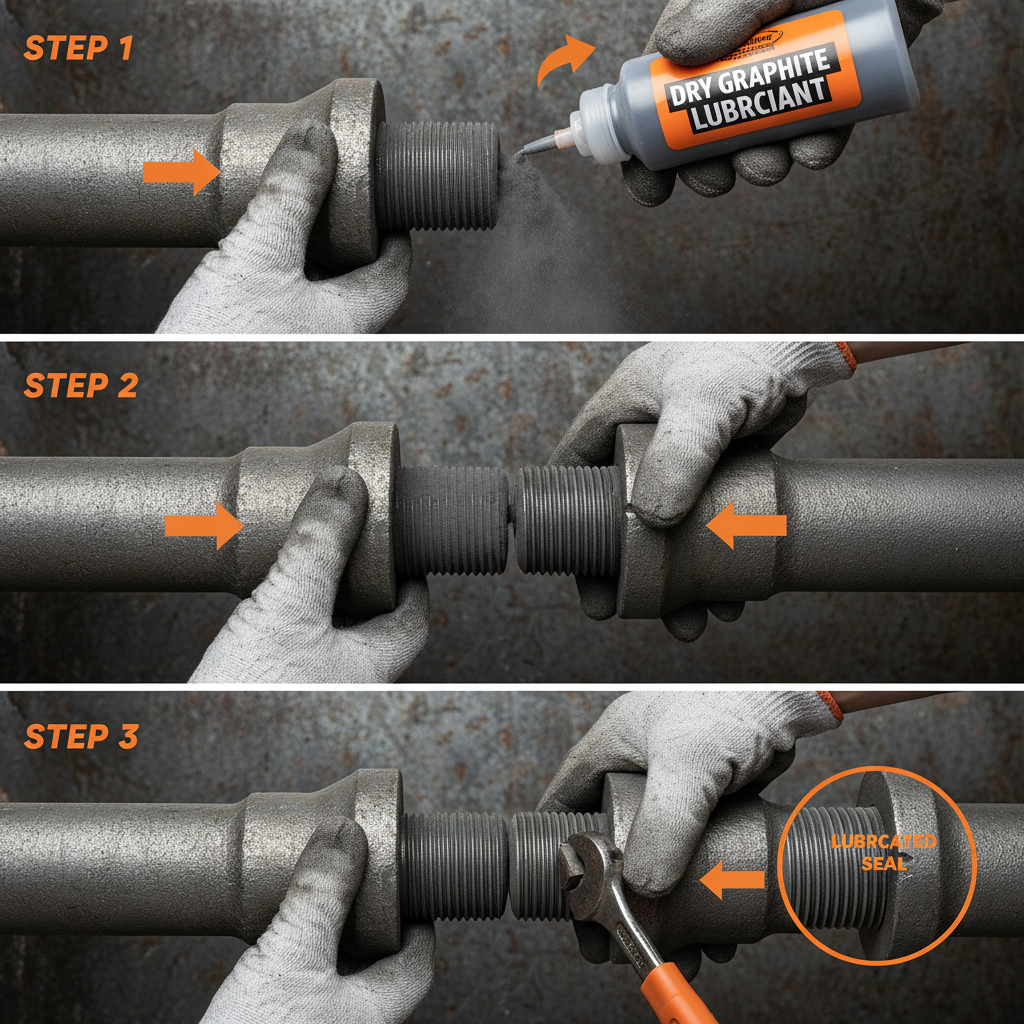
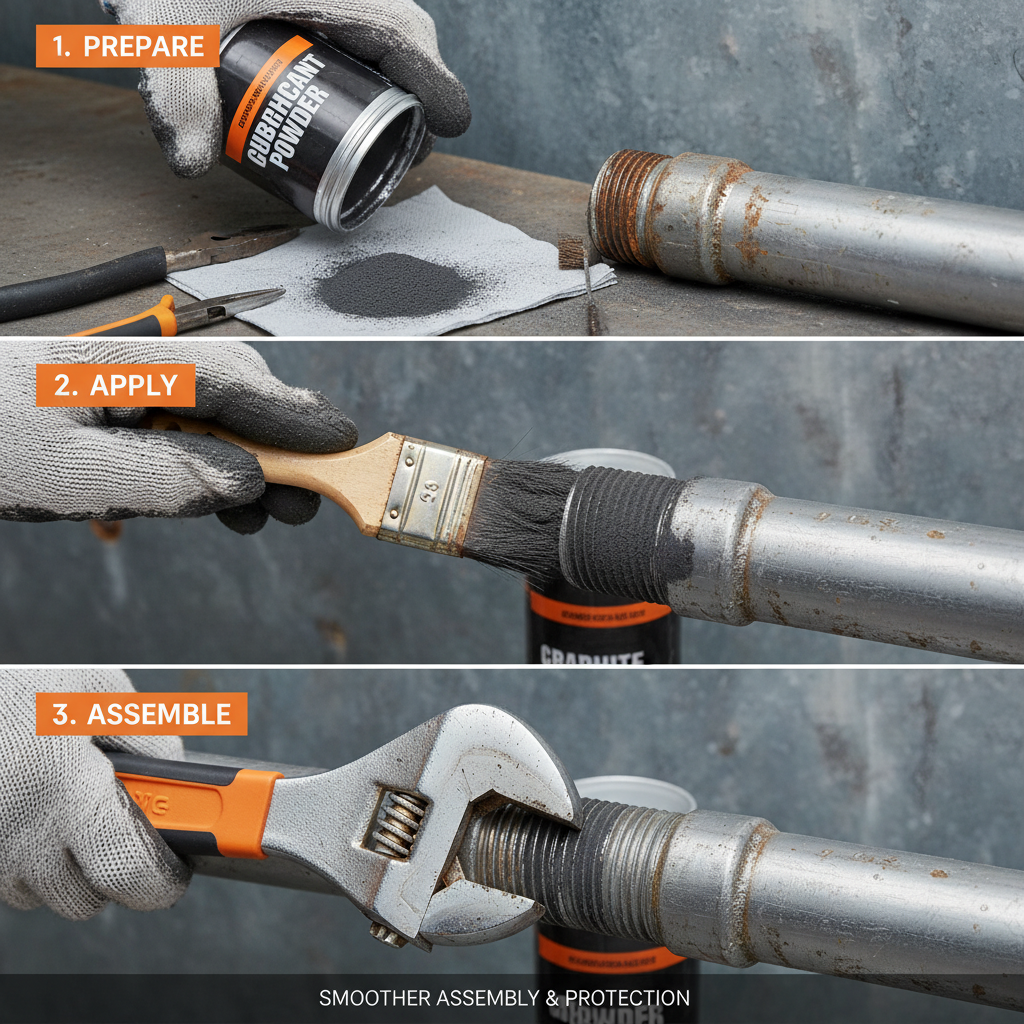
Take the battery sector, for example. Graphite rods serve as anodes in lithium-ion batteries where durability and conductivity are crucial. Oddly enough, this humble-looking rod quietly plays a vital role powering everything from electric cars to portable gadgets. Its self-lubricating property also means it reduces wear and tear on moving parts, extending maintenance cycles.
| Vendor | Product Range | Customization | Lead Time | Price Competitiveness |
|---|---|---|---|---|
| NL Graphite | 6 - 150 mm diameters | High | 2-4 weeks | Competitive |
| Competitor A | 10 - 120 mm diameters | Moderate | 3-6 weeks | Above average |
| Competitor B | 8 - 100 mm diameters | Low | 1-3 weeks | High |
Cost, Maintenance & User Experience
Cost-wise, graphite rods might initially seem a bit pricier than some metal alternatives. But when you factor in total cost of ownership — including durability, lower maintenance, and longer lifespan — the ROI becomes quite clear. In real terms, many industrial users notice that equipment downtime decreases and replacement frequency drops, yielding unmistakable savings. A few customers I spoke to noted that switching to premium graphite rods solved recurring corrosion issues almost overnight.
Maintenance is comparatively straightforward, too. These rods are often self-lubricating and resist chemical attacks, so operators spend less time on upkeep and more on optimizing production. You know, the kind of efficiency gains that aren’t always obvious until you see the data. In fact, NL Graphite's clients report excellent user satisfaction due to consistent product quality and responsive support — factors often overlooked but crucial when supply chains stretch thin.
Sustainability & Market Trends
Sustainability, in today's industrial landscape, isn’t optional — it’s fundamental. Graphite rod material fits well into this narrative since it can be produced with relatively low environmental impact compared to some mined metals. Advances in manufacturing allow for better recycling and reduced energy consumption, which NL Graphite and others actively pursue.
Market-wise, demand for graphite rods is expected to grow as electric vehicles and renewable energy sectors expand. This trend means cutting-edge, sustainable sourcing paired with reliable supply chains will be the name of the game. For businesses considering future-proof investments, embracing high-grade graphite materials seems a savvy move — maybe more so than some initially imagine.
Frequently Asked Questions about Graphite Rod Material
- What is Graphite Rod Material and how does it work?
- Graphite rod material is a carbon-based rod boasting excellent conductivity, thermal resistance, and strength. It works by leveraging graphite’s crystalline structure to withstand harsh conditions, making it a reliable component in electrical, mechanical, and chemical applications.
- What are the main benefits of using Graphite Rod Material in industrial applications?
- The key benefits include high durability, corrosion resistance, excellent heat tolerance, and electrical conductivity. These features translate to longer equipment life, reduced maintenance costs, and enhanced performance.
- How does Graphite Rod Material compare to traditional alternatives?
- Compared to metals or ceramic rods, graphite rods often offer lighter weight, better thermal shock resistance, and lower friction. They can handle chemical exposure without rapid degradation, which many traditional materials cannot match.
- What industries can benefit most from Graphite Rod Material implementation?
- Primary industries include chemical processing, electronics manufacturing, aerospace, energy storage, and metallurgy. Each sector utilizes graphite rods for their unique properties in extreme environments.
Conclusion on Graphite Rod Material from china
To sum it up, graphite rod material is quietly powering forward many industrial innovations thanks to its reliability and unique properties. It might not be flashy, but its role is undeniably vital wherever tough, conductive, and heat-resistant materials are required. For decision makers aiming for dependable supply and technical excellence, checking out NL Graphite could be a smart step toward success.
Quick reflection: In an era focused on sustainability and efficiency, graphite rods offer a pragmatic blend of performance and responsible manufacturing. Keeping an eye on evolving materials like this feels like good business sense — but also a bit exciting if you’re into how things really get made.
- NL Graphite product page: https://www.nlgraphite.com
- "Graphite Materials in Industry," Journal of Carbon Science, 2023
- "Sustainability Trends in Materials Manufacturing," Industrial Materials Review, 2024
 Pervious
 Next
Next