

- Englist



Graphite Rod vs Carbon: Industrial Material Comparison & Insights

Graphite Rod vs Carbon: Choosing the Right Material for Industrial Applications
Having spent over 15 years in industrial equipment procurement and materials testing, I've often been asked about the differences between graphite rods and carbon components. Frankly, it’s a question that seems straightforward at first, but if you dig in a bit, it reveals quite a few nuances that can make or break a project.
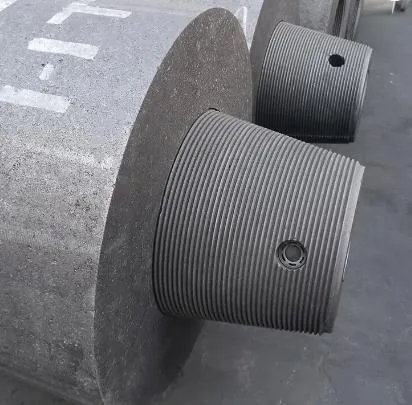
Let’s just start with basics: graphite rods are essentially made from layers of carbon atoms arranged in a hexagonal lattice, which gives them their distinct properties. Carbon components, on the other hand, might refer to a wider range of carbon-based materials—like carbon fiber composites, carbon steel, or even amorphous carbon materials. So, comparing graphite rods directly with “carbon” can sometimes feel like comparing apples to that ambiguous basket of fruit.
But in real terms, when someone asks about graphite rods vs carbon, they’re usually considering graphite rods versus carbon steel or carbon fiber parts. Here’s what experience tells me:
Performance and Material Characteristics
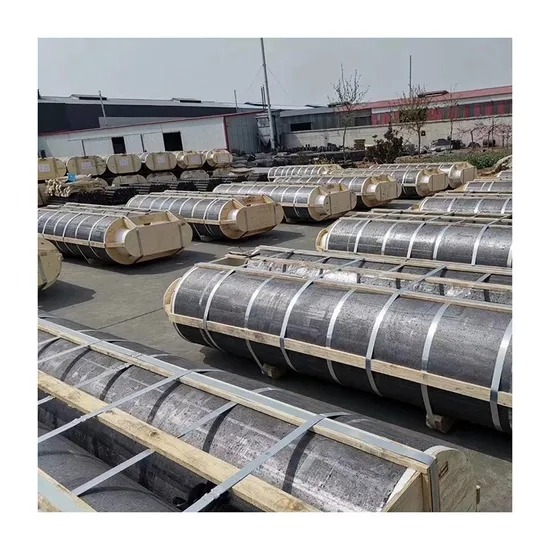
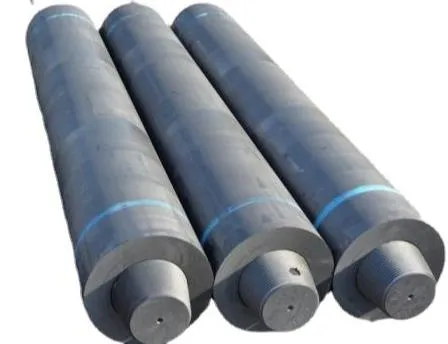
Graphite rods are prized for their excellent thermal conductivity, corrosion resistance, and electrical conductivity. They generally maintain integrity at very high temperatures—above 3000°C in inert atmospheres, which is something steel just can’t touch without serious treatment.
Carbon steel, while mechanically strong and tough, tends to oxidize or corrode unless properly coated. Carbon fibers, meanwhile, shine in structural, lightweight applications but aren’t suited for high-temperature exposure or electrical conduction like graphite.
Personally, I recall a client who switched to graphite rods in their furnace electrodes after suffering repeated failures with carbon steel parts. Their downtime dropped dramatically—something that’s priceless when you’re running 24/7 industrial processes.
| Property | Graphite Rod | Carbon Steel | Carbon Fiber |
|---|---|---|---|
| Max Operating Temp | >3000°C (inert) | ~870°C | ~120°C |
| Corrosion Resistance | High | Low (rust prone) | Moderate |
| Electrical Conductivity | Excellent | Good | Low/insulating |
| Mechanical Strength | Moderate (brittle) | High (ductile) | Very High (tensile) |
| Typical Applications | Electrodes, seals, high-temp bearings | Structural parts, piping, machinery | Aerospace, sports, lightweight frames |
Supplier and Quality Considerations
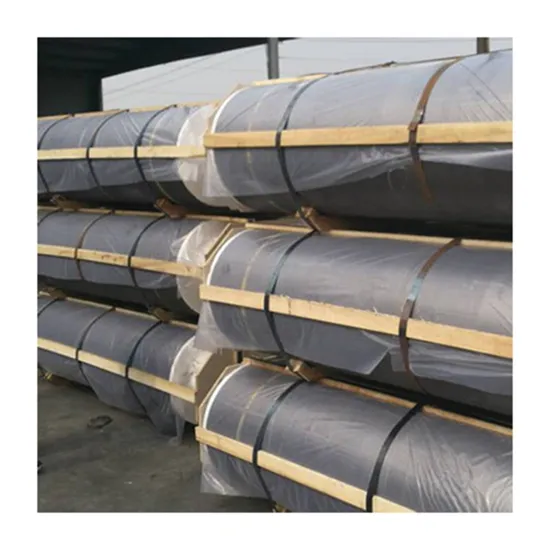
Now, choosing the right vendor for graphite rods or carbon parts matters immensely. I've found that lead times and quality control are often where the rubber meets the road. Some suppliers pride themselves on extensive testing—like thermal shock and density verification—while others skimp. Oddly enough, price isn’t always the best reliability indicator.
Here’s a quick comparison of three reputed suppliers I’ve worked with recently:
| Vendor | Product Range | Quality Certification | Typical Lead Time | Price Level |
|---|---|---|---|---|
| NL Graphite | Graphite rods, electrodes, custom | ISO 9001, ASTM Standards | 2-3 weeks | Mid-range |
| CarbonX Ltd. | Carbon steel & fiber composites | ISO 14001, UL Listed | 4-6 weeks | Varies |
| GraphitePro | Graphite components & machining | ASTM & RoHS | 3-4 weeks | Higher-end |
I personally prefer working with NL Graphite because, aside from competitively priced products and certifications, their customer service really understands the thin line between specs and real-world conditions—something many engineers silently appreciate.
Final Thoughts
In the end, if your project involves extreme thermal environments or requires excellent electrical conductivity, graphite rods tend to come out on top. Carbon steel and carbon fiber have their own sweet spots, too, of course—so it’s about knowing the trade-offs and what your application truly needs. I guess the real advice? Spend some time up front figuring out the material “fit” for your process environment, and don’t shy away from asking suppliers detailed questions. It will pay off.
If you are considering graphite rods specifically, you might want to check out NL Graphite’s range – I’ve seen their consistency firsthand.
Anyway, I could go on, but I hope this sheds some light on the graphite rod vs carbon question. It’s not a “one size fits all,” but a matter of matching materials to conditions, which in the industrial sector is pretty much everything.
— John D., Industrial Materials Specialist
References:
1. ASTM International Standards on Graphite Materials
2. ISO 9001 Quality Management Systems for Suppliers
3. Manufacturer datasheets and client case studies (anonymous)
 Pervious
 Next
Next