


- Englist

Phone:
tel:+8615511858977

Email:
info@nalaibio.com

Graphite Rod Material: Essential Insights, Uses, and Industry Trends

Understanding Graphite Rod Material: Why It Matters Today
Graphite rod material might not top your casual reading list, but it plays a surprisingly pivotal role in modern industry. From electric arc furnaces in steelmaking to battery anodes and even aerospace tech, this unassuming carbon compound is quietly holding a lot of weight. Globally, demand for graphite has surged, driven by the push towards greener energy, advanced manufacturing, and next-gen electronics. So understanding the nuances of graphite rod material isn’t just a super niche engineering topic—it’s a window into how industries are evolving worldwide. Think about it: The UN reports rapid urbanization and industrial growth in developing countries, which means more infrastructure, more factories, more energy needs. Graphite rods, prized for their conductivity and thermal resistance, are fundamental to many of these processes. Grasping their properties and applications helps businesses optimize performance, reduce costs, and comply with increasingly strict environmental standards. Mini takeaway: Graphite rods are tiny silent heroes in global manufacturing and energy solutions, underpinning massive sectors as they innovate and grow.Global Context: Why Graphite Rod Material is More Relevant Than Ever
On a global scale, the graphite market is witnessing steady growth—a compound annual growth rate of roughly 4-5% according to various industry sources like ISO and the World Bank. Why? Well, the rise of electric vehicles (EVs), renewable energy, and industrial automation demands robust materials that can endure harsh conditions while maintaining performance. Graphite rods serve essential roles in electric arc furnaces, batteries, nuclear reactors, and even in environmental tech like water filtration units. But the challenge remains: sourcing sustainable, high-quality graphite that meets strict purity and durability standards without overly high costs. For example, many Asian countries are major graphite producers, but concerns over environmental impact and geopolitical dependencies are pushing new exploration and synthetic alternatives in Europe and North America. Simply put, “graphite rod material” sits at the intersection of technical need and shifting global priorities. Mini takeaway: The global push for green energy and technological advancement is fueling new demand and innovation in graphite rod materials, even as supply chain challenges loom.What Is Graphite Rod Material Anyway?
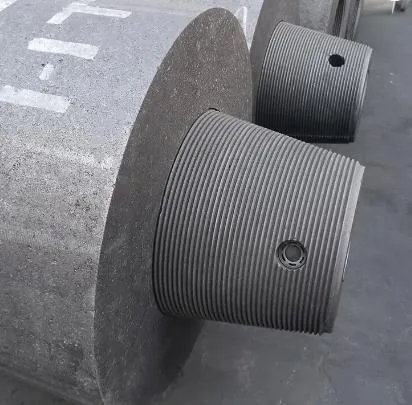
Put simply, graphite rod material is a form of carbon fabricated into cylindrical rods, prized for its exceptional electrical conductivity, thermal stability, and chemical inertness. Unlike regular carbon, graphite has a unique layered atomic structure allowing electrons to move freely, making it an excellent conductor. These rods are integral to numerous industrial processes. You might find them acting as electrodes in electric arc furnaces for steel refining, or as part of battery components in lithium-ion cells. Their high melting point and resistance to corrosion mean they withstand tough environments where metals would falter. In humanitarian terms, stable access to materials like graphite rods indirectly supports cleaner energy tech and efficient manufacturing, which are vital in improving living standards and enabling sustainable development worldwide. Mini takeaway: Graphite rods are specialized carbon materials whose structure grants unique electrical and thermal benefits critical for modern tech and industry.Core Characteristics of Graphite Rod Material
Electrical Conductivity
High conductivity makes graphite rods the preferred choice for electrodes and electronic components. This property ensures efficient current flow with minimal loss, essential in applications like arc welding or battery anodes.Durability and Thermal Resistance
Graphite’s stability at temperatures often exceeding 3000°C means it thrives where metals melt or degrade. This durability is why industries trust graphite rods in steelmaking furnaces or high-temp reactors.Chemical Inertness
Graphite resists most acids and caustics, allowing use in aggressive chemical environments without corrosion. This toughness extends rod longevity and improves process reliability.Cost Efficiency
Though not the cheapest carbon form, graphite rods strike a good balance between performance and price. Synthetic options improve purity and supply control, offering industrial users flexible cost/benefit ratios.Scalability & Customization
Producers can shape graphite rods in various sizes and grades to meet different applications—from tiny precision parts in electronics to massive electrodes for heavy industry. Mini takeaway: These characteristics define why graphite rods remain indispensable across sectors that demand conductivity, resilience, and flexibility.Real-World Uses and Who Benefits Most
Graphite rods power diverse global industries: - Steel and Metal Production: Electric arc furnaces use massive graphite electrodes to melt scrap steel efficiently. Regions like China, India, and the EU depend heavily on quality graphite rods to sustain their steel sectors. - Battery Technology: With EV demand rising, graphite rods form parts of anodes in lithium-ion batteries, especially in Japan, South Korea, and the US. - Nuclear Industry: Due to its neutron moderation and heat resistance, graphite rods help maintain nuclear reactor stability in countries like Russia and France. - Environmental Applications: Water treatment plants and chemical factories in Australia and Canada harness graphite’s inertness for filtration and electrochemical processes. - Post-Disaster Relief & Remote Works: In places where electricity infrastructure is limited or unstable, graphite rod-based systems assist in portable and reliable power generation, enabling critical communication and recovery efforts. Mini takeaway: Graphite rod materials are foundational in industry hubs worldwide, spanning traditional heavy manufacturing to cutting-edge energy and environmental tech.Advantages and Long-Term Benefits of Graphite Rod Material
Industry experts often highlight several tangible benefits: - Sustainability: Graphite can be recycled from used electrodes, reducing environmental harm and landfill accumulation. - Cost Savings: Lower maintenance and replacement costs due to rod durability make processes more economically viable. - Reliability: Stable performance under extreme conditions builds trust in critical manufacturing operations. - Social Impact: Cleaner, quieter, and more efficient energy solutions arising from graphite-based tech contribute directly to safer, more dignified working conditions. - Innovation Enablement: Cutting-edge fields like aerospace and green tech rely on graphite’s unique material traits to push innovation boundaries. On an emotional level, companies feel confident investing in graphite rods because they underpin safe and stable operations in environments where failure can mean thousands, even millions, lost. Mini takeaway: Graphite rods are more than just materials; they’re cornerstones of economic efficiency, environmental stewardship, and technological progress.Looking Ahead: Trends and Innovations Impacting Graphite Rod Material
The future of graphite rods is exciting and a tad complex: - Green Energy Push: Synthetic graphite production is evolving to reduce energy consumption and emissions, aligned with global carbon neutrality goals. - Advanced Coatings: New surface treatments improve rod lifetime and conductivity further—some research even explores graphene-enhanced rods. - Manufacturing Automation: Robotics in graphite rod shaping and quality control promise tighter tolerances and faster delivery. - Digital Quality Assurance: IoT-enabled sensors now track rod performance in real time, allowing predictive maintenance and reducing downtime. - Recycling & Circular Economy: New methods for graphite recovery and purification support full lifecycle management of graphite electrodes/products. In other words, graphite rod materials aren’t static—they evolve with the industries they serve. Mini takeaway: Innovations in production, monitoring, and recycling promise smarter, greener graphite rods that meet tomorrow’s demands.Challenges and How Industry Addresses Them
No material is perfect. Graphite rods face a few obstacles: - Supply Chain Sensitivity: Dependence on natural graphite mines in geopolitically unstable regions can disrupt supply. - Quality Variation: Inconsistent rod density or porosity affects electrode performance, risking process inefficiency. - Environmental Concerns: Traditional production of synthetic graphite is energy-intensive and can have a heavy carbon footprint. Experts suggest diversified sourcing, investment in synthetic technologies, and improved processing standards to address these. Meanwhile, collaboration between suppliers and end-users ensures tailored rods meet exact specs—a kind of ongoing fine-tuning. Mini takeaway: Challenges persist, but ongoing innovation and strategic approaches steadily build resilience in graphite rod supply and quality.FAQ: Practical Questions about Graphite Rod Material
Q: What makes graphite rods preferable over metal electrodes in electric arc furnaces?A: Graphite rods tolerate much higher temperatures without melting and offer excellent electrical conductivity. Metal electrodes would degrade quickly under the extreme heat and chemical conditions inside arc furnaces, while graphite rods maintain performance and longevity. Q: How long do graphite rods typically last in industrial operations?
A: Lifespan varies by application but generally ranges from several weeks to a few months of continuous use. Factors like operating temperature, current load, and maintenance impact longevity. Advances in synthetic graphite and coatings continuously extend service life. Q: Can graphite rods be recycled after use?
A: Yes, electrode scrap can be collected, crushed, and purified to produce recycled graphite. This process helps reduce raw material demand and environmental footprint while preserving performance standards when properly processed. Q: Are synthetic graphite rods more reliable than natural ones?
A: Synthetic rods typically have more consistent quality, higher purity, and customizable properties, making them favorable for high-precision or critical applications. However, natural graphite rods remain cost-effective for many uses. Q: How do companies source graphite rods internationally?
A: Most importers rely on specialized graphite manufacturers or distributors that comply with trade regulations and international quality certifications. Strong supplier relationships and robust logistics are vital for timely deliveries.
Conclusion: Charting the Future with Graphite Rod Material
Graphite rods are quietly shaping the backbone of industries adapting to a green and digitally-focused future. Their unique properties make them indispensable in steelmaking, energy storage, nuclear applications, and more. While challenges around supply and sustainability exist, innovations in synthetic production and recycling promise to keep graphite rods at the forefront of industrial progress. If you want to explore quality graphite rod material that meets evolving industrial standards, visit us — let’s talk about how these materials can power your project forward. ---| Parameter | Typical Range | Unit | Notes |
|---|---|---|---|
| Purity | > 99.5% | % | Higher purity improves conductivity |
| Density | 1.6 - 1.9 | g/cm³ | Varies by production method |
| Electrical Resistivity | 10 - 15 | μΩ·m | Lower is better |
| Flexural Strength | 30 - 50 | MPa | Higher strength equals better durability |
| Operating Temp. | Up to 3000 | °C | Max temperature tolerance |
| Vendor | Product Purity | Customization Options | Global Reach | Sustainability Initiatives |
|---|---|---|---|---|
| GraphiTech Corp. | > 99.7% | Custom sizes & grades | North America, Europe, Asia | Recycled graphite program |
| CarbonPlus Ltd. | > 99.4% | Standard product line | Europe, Asia | Energy-efficient synthesis |
| NL Graphite | > 99.6% | Full customization & consulting | Global | Circular economy initiatives |
References
 Pervious
 Next
Next
Related Products
Related News
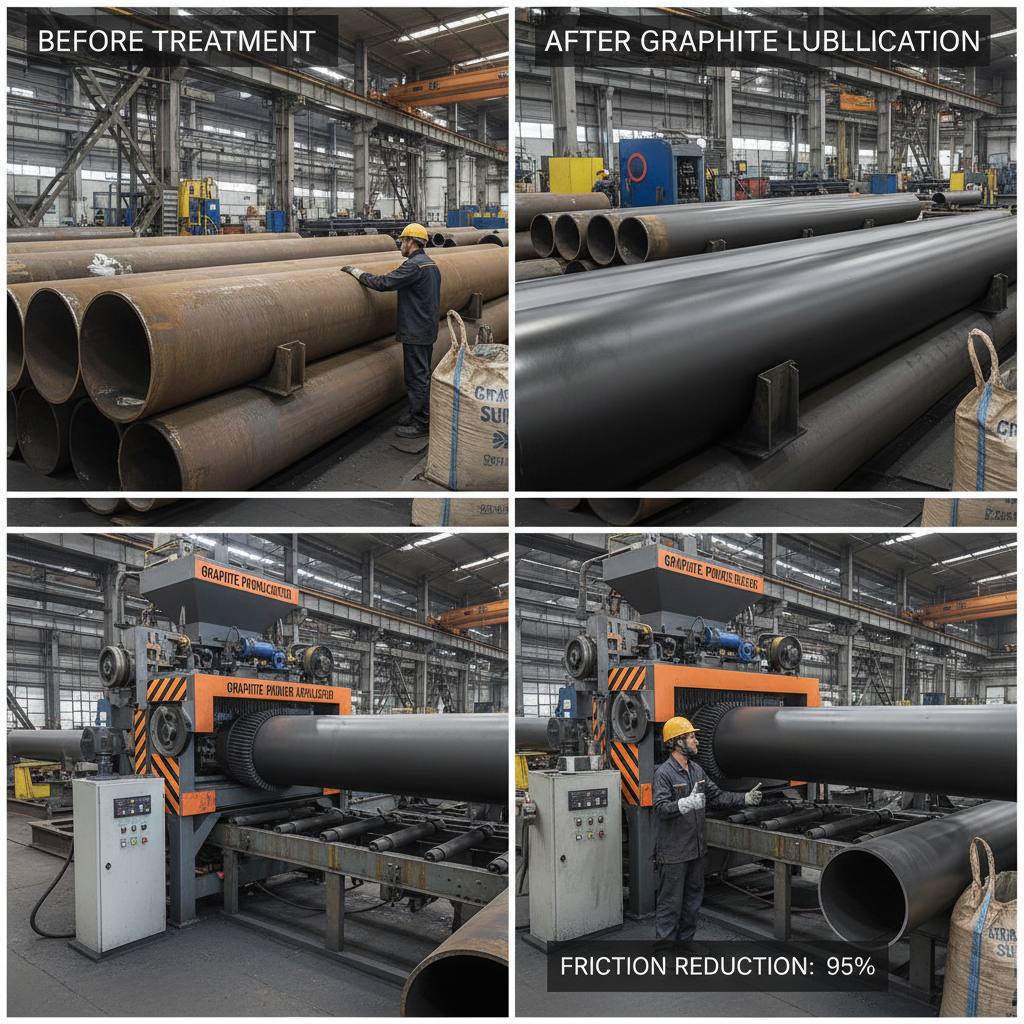
Professional Graphite Powder Supplier for Industrial Excellence
In the modern industrial landscape, the quality of raw materials often dictates the success of the final product. For sectors ranging from lubrication and metallurgy to battery technology, partnering with a reliable graphite powder supplier is not just a procurement choice, but a strategic advantage. High-purity graphite powder provides essential properties such as superior electrical conductivity, thermal stability, and an incredibly low coefficient of friction. However, with numerous options in the global market, distinguishing a premium supplier from a mediocre one requires a deep understanding of material grades and quality control standards.
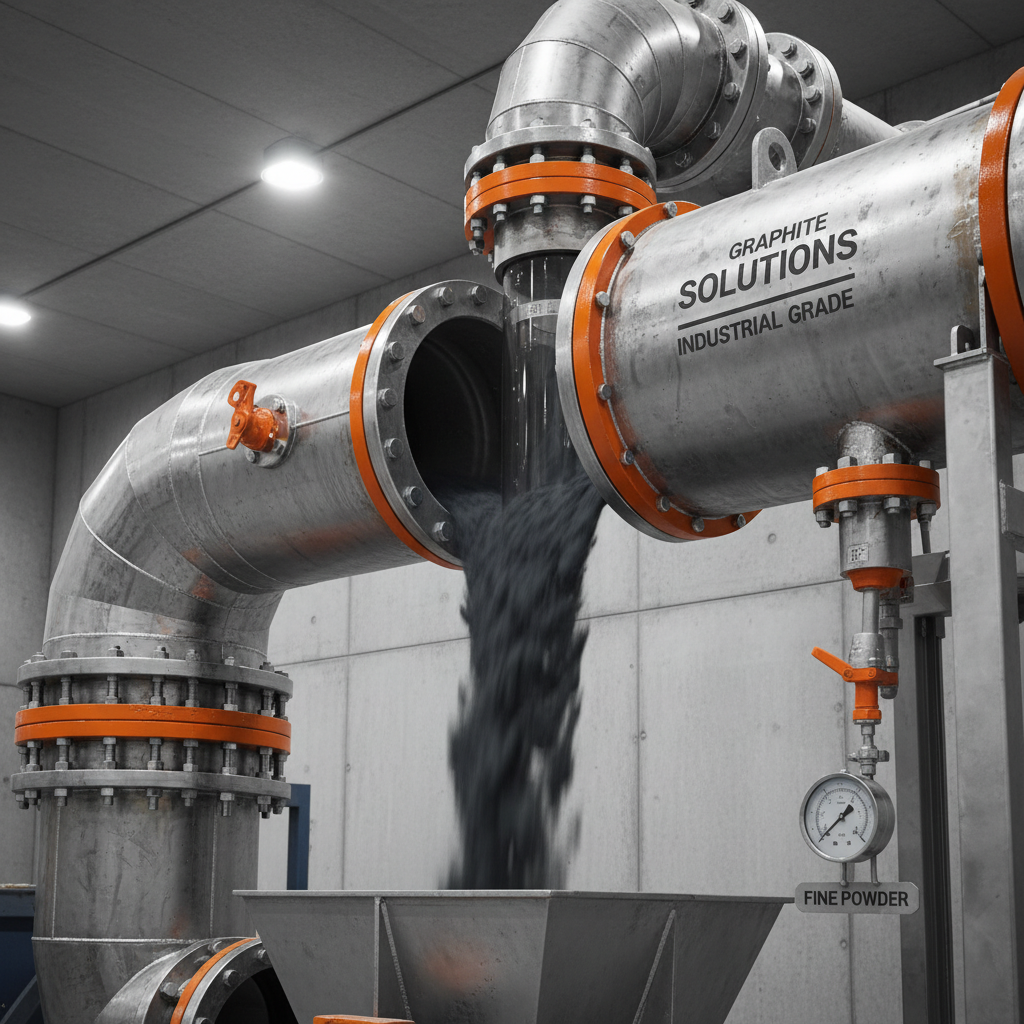
Reliable Graphite Powder Manufacturer for Industrial Applications
In the modern industrial landscape, the quality of raw materials can make or break the efficiency of a production line. Finding a reliable graphite powder manufacturer is essential for businesses requiring high-performance lubricants, conductive additives, or heat-resistant materials. Graphite powder, known for its exceptional lubricity and thermal conductivity, serves as a cornerstone in everything from automotive parts to advanced electronics. Selecting a partner who understands the nuance of particle size distribution and purity levels ensures that your end product meets rigorous international standards. In this guide, we will explore the critical factors to consider when sourcing graphite

High Performance Lubrication Guide for Micronized Graphite
In the world of industrial materials, precision is everything. micronized graphite represents the pinnacle of carbon engineering, offering an ultra-fine powder form of graphite that provides exceptional lubricating and conductive properties. Unlike standard graphite, the micronized version is processed to achieve a specific, consistent particle size, making it indispensable for high-tech applications where friction reduction and thermal management are critical. Whether you are formulating advanced lubricants or enhancing composite materials, understanding the nuances of this material is key to optimizing your product's performance. In this guide, we will explore the technical advantages and diverse industrial applications of this versatile material.

Industrial Applications and Properties of graphite fine powder
In the world of industrial materials, graphite fine powder serves as a cornerstone for innovation across countless sectors. Known for its exceptional electrical conductivity, thermal stability, and self-lubricating properties, this versatile carbon material is essential for everything from high-tech batteries to heavy-duty machinery. Understanding the nuances of particle size, purity, and grade is critical for engineers and procurement specialists aiming to optimize performance in their final products. In this comprehensive guide, we will explore the technical advantages and diverse industrial roles of this remarkable powder.
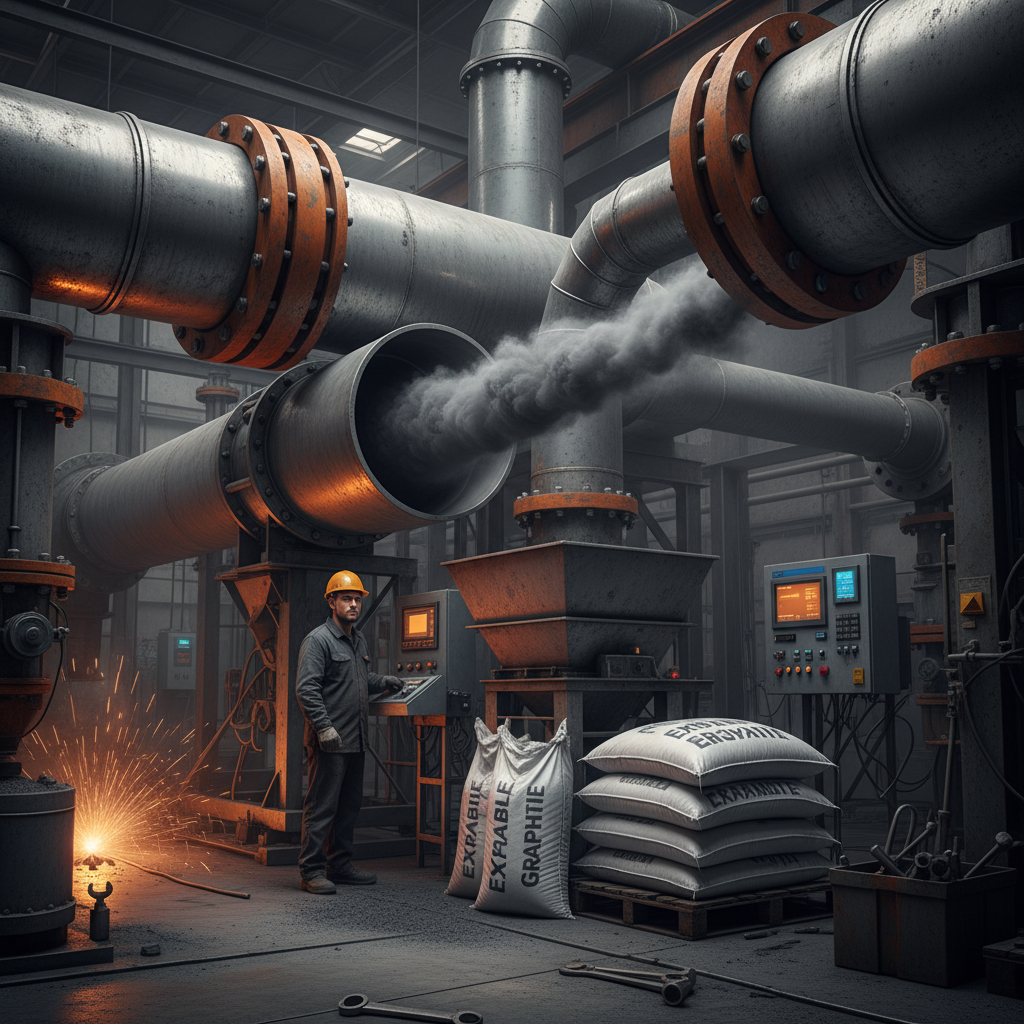
Expandable Graphite Powder Properties and Industrial Applications
In the realm of advanced material science, expandable graphite powder has emerged as a revolutionary additive for thermal management and fire safety. Known for its unique ability to expand significantly when exposed to heat, this material transforms from a dense powder into a voluminous, porous structure known as worm-like graphite. This expansion creates an insulating layer that protects underlying substrates from extreme temperatures. Whether you are developing next-generation flame retardants or high-performance thermal interface materials, understanding the nuances of this material is essential for achieving optimal industrial results.
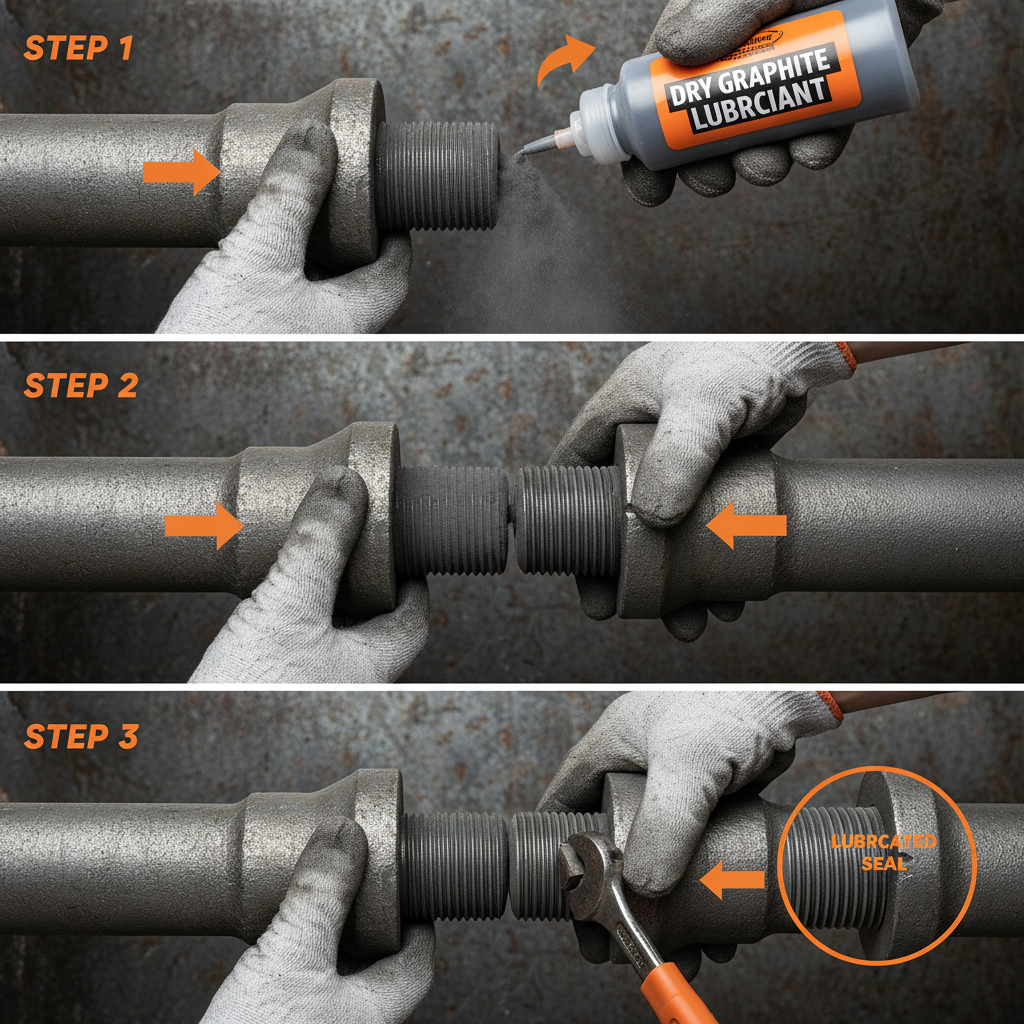
Industrial Guide to High Performance dry graphite lubricant powder
In the world of high-performance machinery and precision engineering, reducing friction is the key to longevity and efficiency. dry graphite lubricant powder has emerged as a superior alternative to traditional oil-based lubricants, especially in environments where cleanliness and extreme temperature resistance are critical. Unlike wet lubricants, dry graphite creates a stable, low-friction film that doesn't attract dust or debris. This article explores the technical advantages, versatile applications, and strategic benefits of integrating high-purity graphite powders into your maintenance routine to ensure seamless operation and reduced downtime.
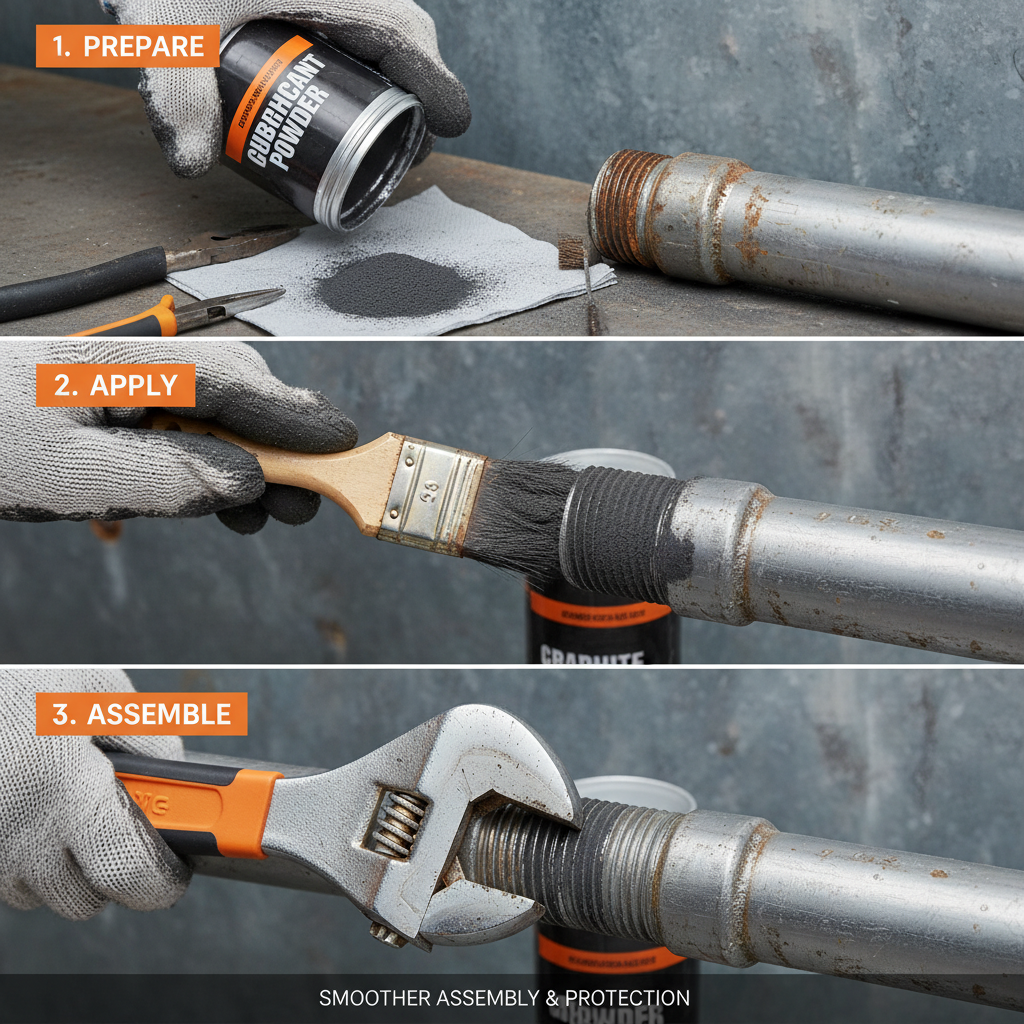
Industrial Efficiency Guide for Graphite Lubricant Powder Use
In the world of industrial maintenance and high-performance machinery, reducing friction is the key to longevity and operational efficiency. graphite lubricant powder has emerged as a superior dry lubrication solution, offering unmatched stability in environments where traditional oils and greases fail. Whether you are dealing with extreme temperatures or vacuum conditions, this specialized powder provides a sleek, protective layer that prevents wear and tear. In this comprehensive guide, we will explore why graphite is the gold standard for dry lubrication and how to choose the right grade for your specific industrial application.

Expanded Graphite Properties Applications and Industrial Guide
In the realm of advanced materials, expanded graphite has emerged as a versatile powerhouse, offering unparalleled thermal and electrical properties. Through a process of intercalation and thermal expansion, natural graphite is transformed into a worm-like structure with a significantly increased surface area and lower density. This unique morphology makes it indispensable in industries ranging from energy storage to fire protection. Whether you are looking to improve heat dissipation in electronics or enhance the safety of architectural coatings, understanding the nuances of this material is key to optimizing your product's performance. In this guide, we will explore why this material is becoming the gold standard



Social Media
Copyright © 2026 Shijiazhuang nalai biotechnology Co., Ltd All Rights Reserved. Sitemap | Privacy Policy | Top Blog | Global Service


