


- Englist

Phone:
tel:+8615511858977

Email:
info@nalaibio.com

Graphite Sheet - High Thermal Conductivity & EMI Shielding

If you’ve ever chased hotspots in a thin device or fought thermal fade in a power module, you’ve probably landed on a graphite sheet at some point. I certainly have—more times than I can count. And lately, China’s “Thermal Conductive Graphite Paper” lines have been getting seriously competitive, both on performance and MOQ flexibility.
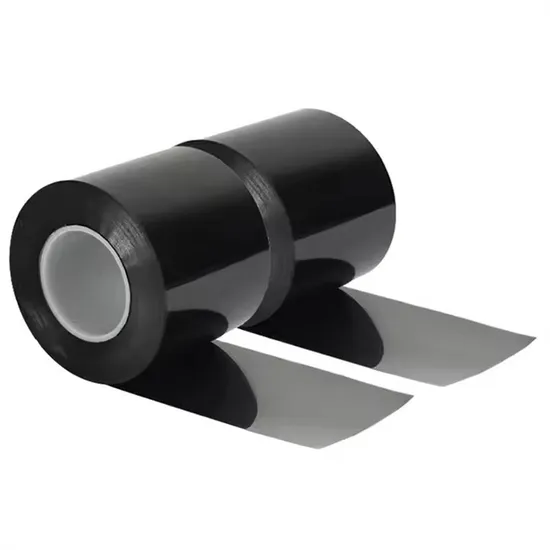
- EV battery and BMS packs use it for planar heat spreading and as a layer in friction materials. To be honest, adoption here is moving faster than many predicted.
- LED and server OEMs are replacing copper foils to save weight while keeping skin temperatures in check.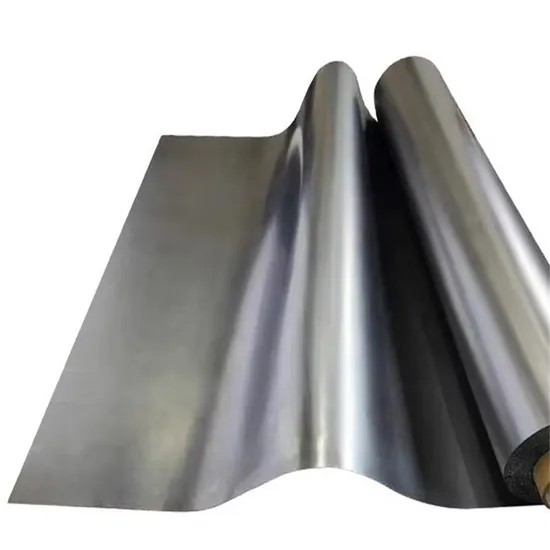
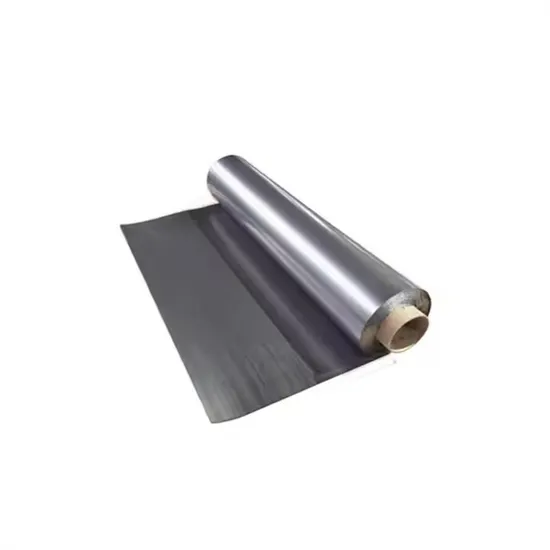

- Notebooks/VR headsets (weight-sensitive)
- LED modules, telecom base stations, servers
- EV battery, BMS, and—as a surprise to some—friction materials in braking systems Advantages: ultra-high in-plane k, low density, easy to die-cut, conforms to uneven surfaces. Watchouts: edge brittleness, conductive dust during converting, and the usual anisotropy (don’t expect miracles through thickness).
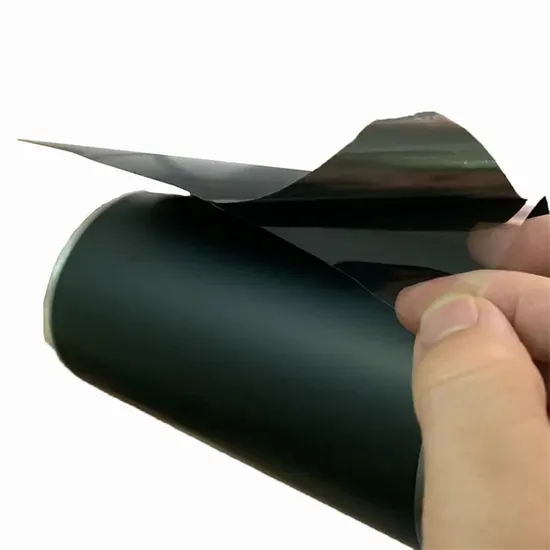
- PSA options: acrylic (UL 94 V-0 stack possible), silicone for rework
- Carriers: PET/PI/Al foils; anti-scratch films for assembly
- Pre-laminated thermal pads where a hybrid stack is needed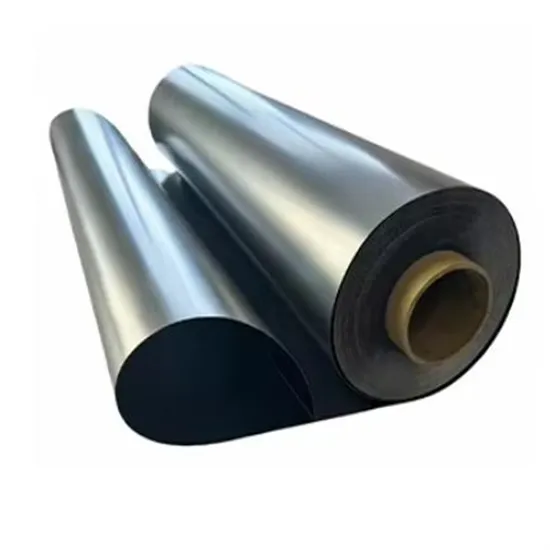
- EV module: adding a 0.1 mm layer spread heat from FETs, dropping hotspot ΔT by ≈9°C; no penalty on pack mass budget. One Shenzhen ODM told us, “Install was painless—dust control mattered more than alignment.”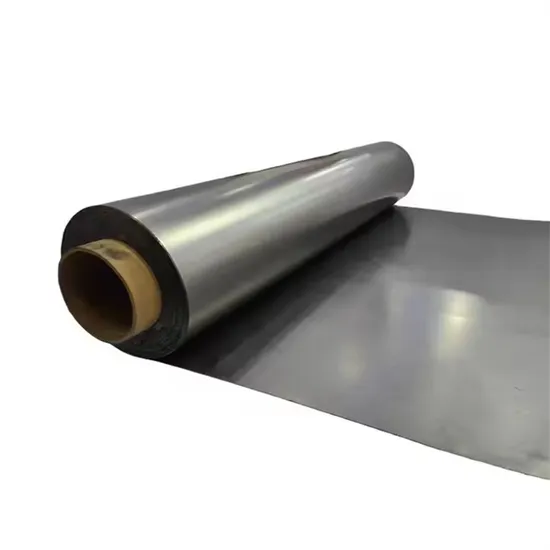
- EMI shielding: 40–80 dB @ 1 MHz–10 GHz per ASTM D4935 (sample dependent)
- Environmental: RoHS (2011/65/EU), REACH (EC 1907/2006), ISO 9001; UL 94 V-0 achievable for certain laminated stacks
- Reliability: 85°C/85%RH 1000 h shrinkage graphite sheet from Hebei is a very sane default—especially if you need fast-turn customization.
Origin note: this series ships out of Qiujing yiyuan, No. 189, East 2nd Ring North Road, Chang’an District, Shijiazhuang, Hebei. Not a glamorous address, but the output is tidy.
What’s trending (and why it matters)
- Foldables and ultra-slim laptops need anisotropic heat spreaders that flatten peaks without adding mass. graphite sheet hits that sweet spot.- EV battery and BMS packs use it for planar heat spreading and as a layer in friction materials. To be honest, adoption here is moving faster than many predicted.
- LED and server OEMs are replacing copper foils to save weight while keeping skin temperatures in check.
Product snapshot: Thermal Conductive Graphite Paper in China
Application Areas: Electron industry, friction materials, heat conduction. Feature: high thermal conductivity. Customization: available (die-cut, adhesive, carrier films, odd shapes—yes, even those “banana” folds for hinge zones).| Property | Typical value (≈) | Test standard | Notes |
|---|---|---|---|
| In-plane thermal conductivity | 800–1600 W/m·K | ASTM D5470 / ISO 22007-2 | Real-world use may vary with stackup |
| Through-plane thermal conductivity | 8–15 W/m·K | ASTM D5470 | Highly anisotropic by design |
| Thickness | 0.025–0.50 mm | Caliper | Custom gauges on request |
| Density | 1.0–1.4 g/cm³ | ASTM D792 | Low mass vs. copper |
| Tensile strength | 5–12 MPa | ASTM F152 | Flexible but not indestructible |
| Temperature range | -40 to 400°C (air); up to 3000°C (inert) | — | Adhesives may limit rating |
How it’s made (short version)
Natural flake graphite → chemical intercalation → rapid thermal expansion → calendering into graphite sheet → optional lamination with PET/PI/Al foils → PSA application → precision die-cut. QC typically runs thermal conductivity (D5470), EMI shielding (ASTM D4935), thickness/flatness, and 85/85 aging. Service life in electronics: around 5–10 years at 60–80°C, depending on humidity and adhesive system.
Where it’s used
- Phones, tablets, foldables (hotspot flattening under SoC/PMIC)- Notebooks/VR headsets (weight-sensitive)
- LED modules, telecom base stations, servers
- EV battery, BMS, and—as a surprise to some—friction materials in braking systems Advantages: ultra-high in-plane k, low density, easy to die-cut, conforms to uneven surfaces. Watchouts: edge brittleness, conductive dust during converting, and the usual anisotropy (don’t expect miracles through thickness).
| Vendor | In-plane k (≈) | Min thick | Certs | Lead time | Notes |
|---|---|---|---|---|---|
| NL Graphite (China) | 1000–1600 W/m·K | 0.025 mm | ISO 9001, RoHS, REACH | 2–4 weeks | Strong on customization |
| Brand J (Japan) | 1200–1700 W/m·K | 0.020 mm | ISO 14001, RoHS | 4–6 weeks | Premium pricing |
| Brand K (Korea) | 900–1400 W/m·K | 0.030 mm | RoHS, REACH | 3–5 weeks | Good cost/performance |
Customization and integration
- Die-cutting with ±0.1 mm tolerance, kiss-cut on liner- PSA options: acrylic (UL 94 V-0 stack possible), silicone for rework
- Carriers: PET/PI/Al foils; anti-scratch films for assembly
- Pre-laminated thermal pads where a hybrid stack is needed
Field notes and quick case studies
- Smartphone OEM: swapping copper for graphite sheet reduced peak skin temperature by 12°C in a 5-minute 4K recording test; weight down ~18%.- EV module: adding a 0.1 mm layer spread heat from FETs, dropping hotspot ΔT by ≈9°C; no penalty on pack mass budget. One Shenzhen ODM told us, “Install was painless—dust control mattered more than alignment.”
Compliance and test data
- Thermal: ASTM D5470 / ISO 22007-2 (laser flash) reports provided- EMI shielding: 40–80 dB @ 1 MHz–10 GHz per ASTM D4935 (sample dependent)
- Environmental: RoHS (2011/65/EU), REACH (EC 1907/2006), ISO 9001; UL 94 V-0 achievable for certain laminated stacks
- Reliability: 85°C/85%RH 1000 h shrinkage graphite sheet from Hebei is a very sane default—especially if you need fast-turn customization.
Authoritative citations
- ASTM D5470: Standard Test Method for Thermal Transmission Properties of Thermally Conductive Materials.
- ISO 22007-2: Plastics — Determination of thermal conductivity and diffusivity — Part 2: Transient plane heat source method.
- ASTM D4935: Standard Test Method for Measuring the Electromagnetic Shielding Effectiveness of Planar Materials.
- EU RoHS Directive 2011/65/EU and REACH Regulation (EC) No 1907/2006.
- UL 94: Tests for Flammability of Plastic Materials for Parts in Devices and Appliances.
 Pervious
 Next
Next
Related Products
Related News
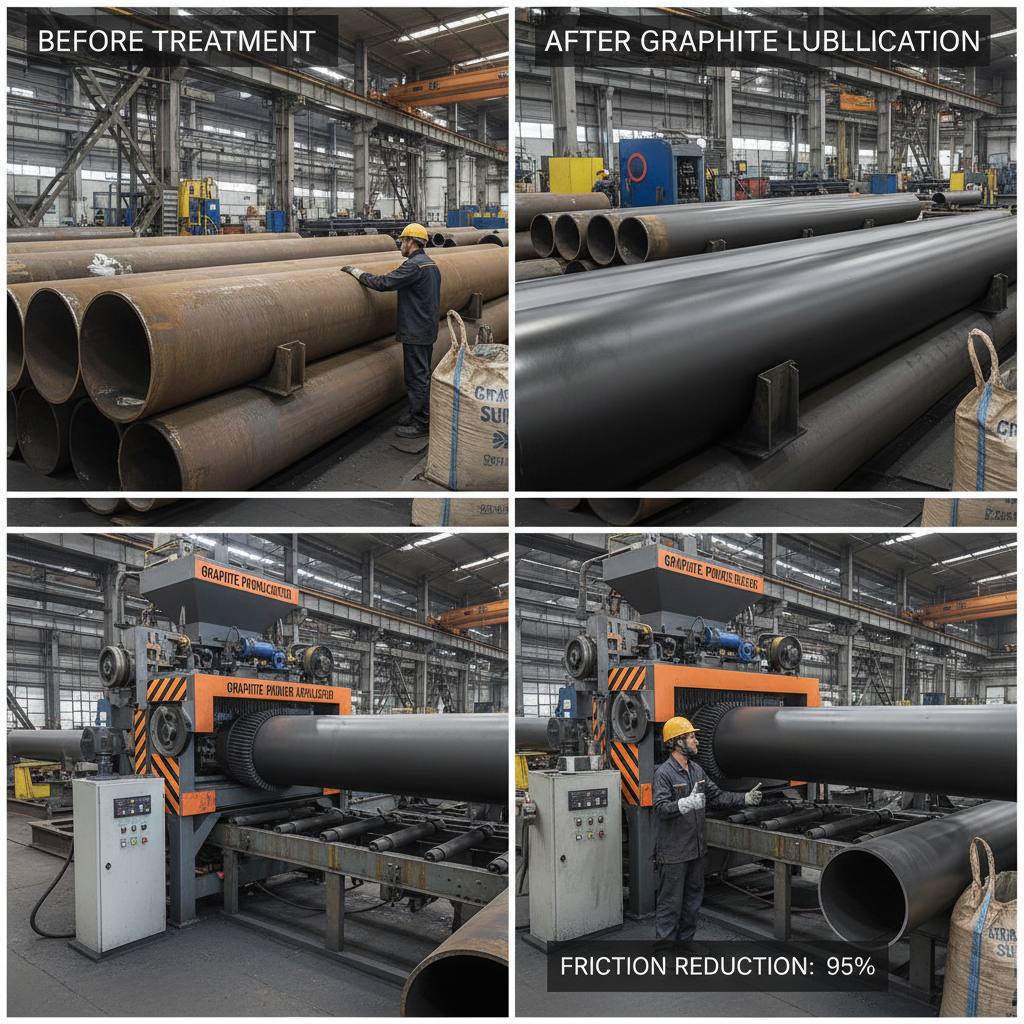
Professional Graphite Powder Supplier for Industrial Excellence
In the modern industrial landscape, the quality of raw materials often dictates the success of the final product. For sectors ranging from lubrication and metallurgy to battery technology, partnering with a reliable graphite powder supplier is not just a procurement choice, but a strategic advantage. High-purity graphite powder provides essential properties such as superior electrical conductivity, thermal stability, and an incredibly low coefficient of friction. However, with numerous options in the global market, distinguishing a premium supplier from a mediocre one requires a deep understanding of material grades and quality control standards.
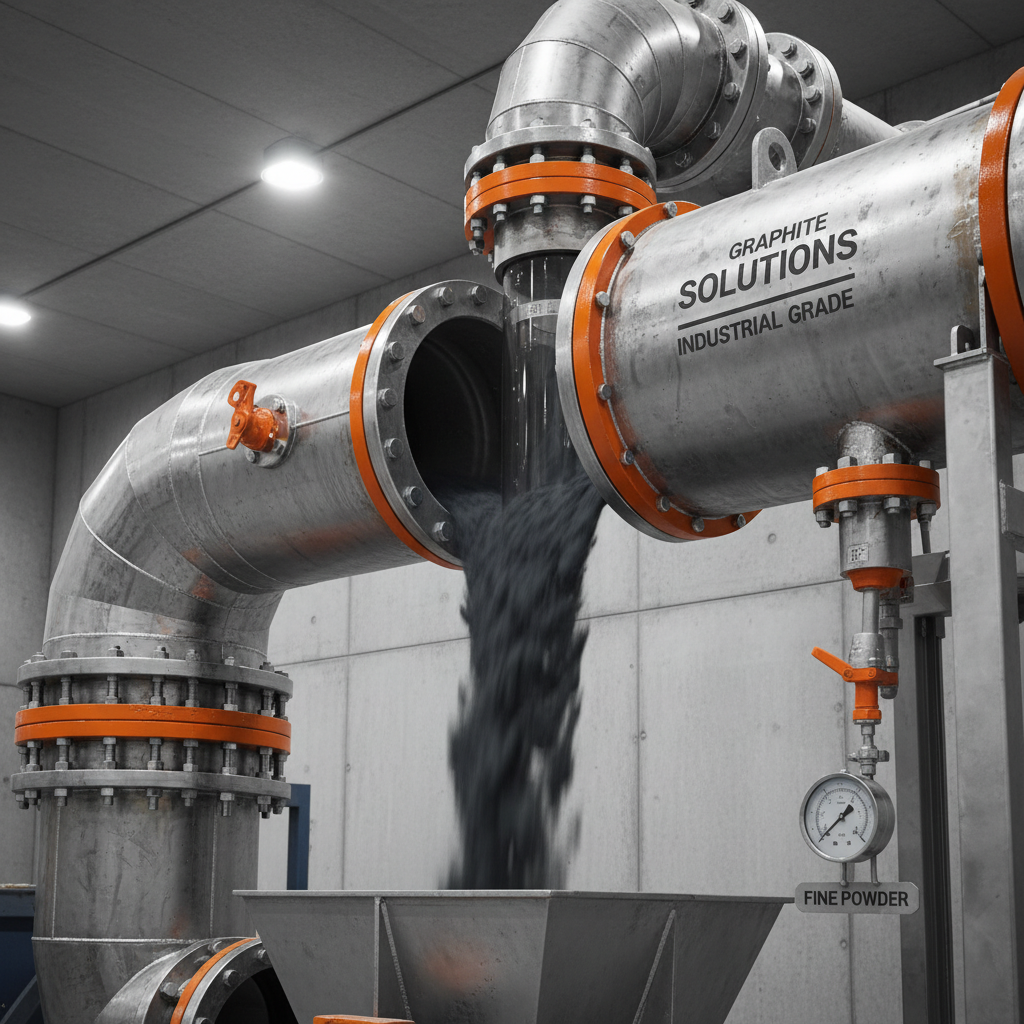
Reliable Graphite Powder Manufacturer for Industrial Applications
In the modern industrial landscape, the quality of raw materials can make or break the efficiency of a production line. Finding a reliable graphite powder manufacturer is essential for businesses requiring high-performance lubricants, conductive additives, or heat-resistant materials. Graphite powder, known for its exceptional lubricity and thermal conductivity, serves as a cornerstone in everything from automotive parts to advanced electronics. Selecting a partner who understands the nuance of particle size distribution and purity levels ensures that your end product meets rigorous international standards. In this guide, we will explore the critical factors to consider when sourcing graphite

High Performance Lubrication Guide for Micronized Graphite
In the world of industrial materials, precision is everything. micronized graphite represents the pinnacle of carbon engineering, offering an ultra-fine powder form of graphite that provides exceptional lubricating and conductive properties. Unlike standard graphite, the micronized version is processed to achieve a specific, consistent particle size, making it indispensable for high-tech applications where friction reduction and thermal management are critical. Whether you are formulating advanced lubricants or enhancing composite materials, understanding the nuances of this material is key to optimizing your product's performance. In this guide, we will explore the technical advantages and diverse industrial applications of this versatile material.

Industrial Applications and Properties of graphite fine powder
In the world of industrial materials, graphite fine powder serves as a cornerstone for innovation across countless sectors. Known for its exceptional electrical conductivity, thermal stability, and self-lubricating properties, this versatile carbon material is essential for everything from high-tech batteries to heavy-duty machinery. Understanding the nuances of particle size, purity, and grade is critical for engineers and procurement specialists aiming to optimize performance in their final products. In this comprehensive guide, we will explore the technical advantages and diverse industrial roles of this remarkable powder.

Expandable Graphite Powder Properties and Industrial Applications
In the realm of advanced material science, expandable graphite powder has emerged as a revolutionary additive for thermal management and fire safety. Known for its unique ability to expand significantly when exposed to heat, this material transforms from a dense powder into a voluminous, porous structure known as worm-like graphite. This expansion creates an insulating layer that protects underlying substrates from extreme temperatures. Whether you are developing next-generation flame retardants or high-performance thermal interface materials, understanding the nuances of this material is essential for achieving optimal industrial results.
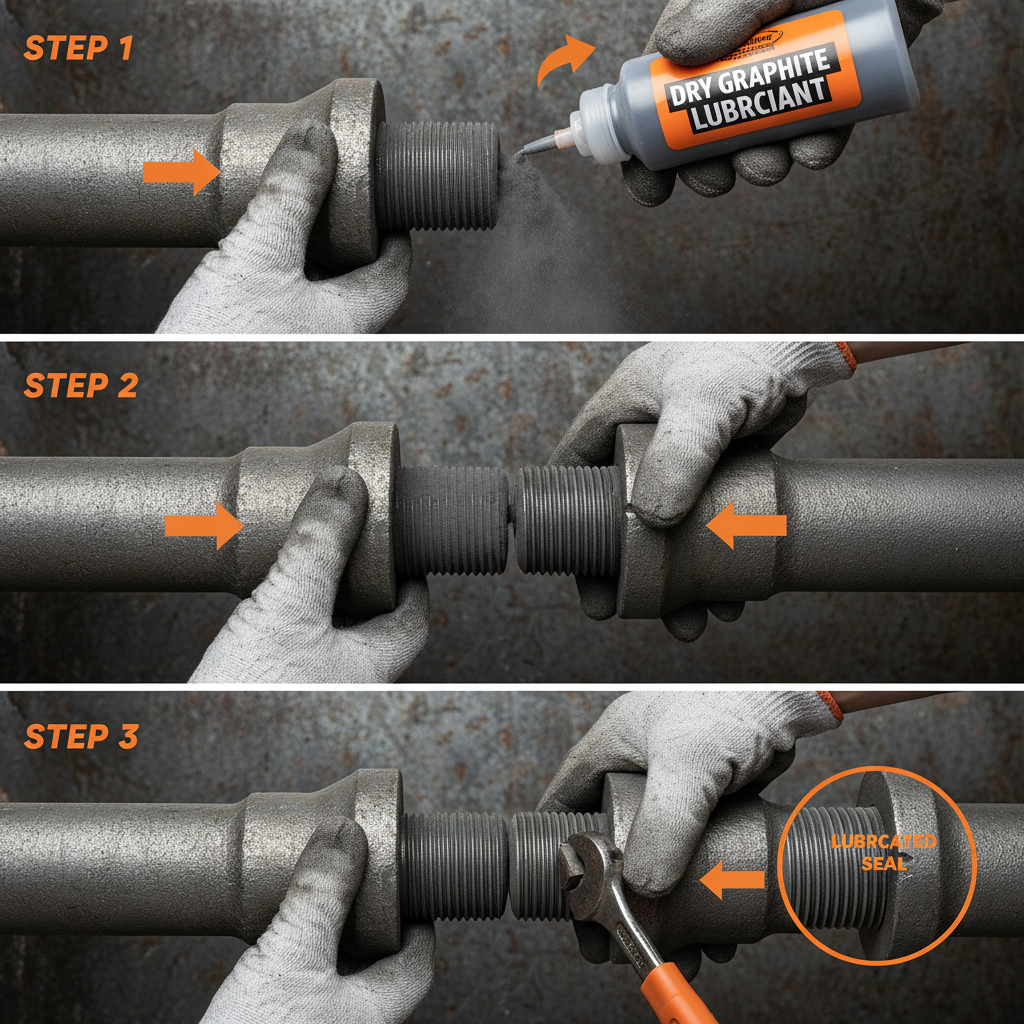
Industrial Guide to High Performance dry graphite lubricant powder
In the world of high-performance machinery and precision engineering, reducing friction is the key to longevity and efficiency. dry graphite lubricant powder has emerged as a superior alternative to traditional oil-based lubricants, especially in environments where cleanliness and extreme temperature resistance are critical. Unlike wet lubricants, dry graphite creates a stable, low-friction film that doesn't attract dust or debris. This article explores the technical advantages, versatile applications, and strategic benefits of integrating high-purity graphite powders into your maintenance routine to ensure seamless operation and reduced downtime.
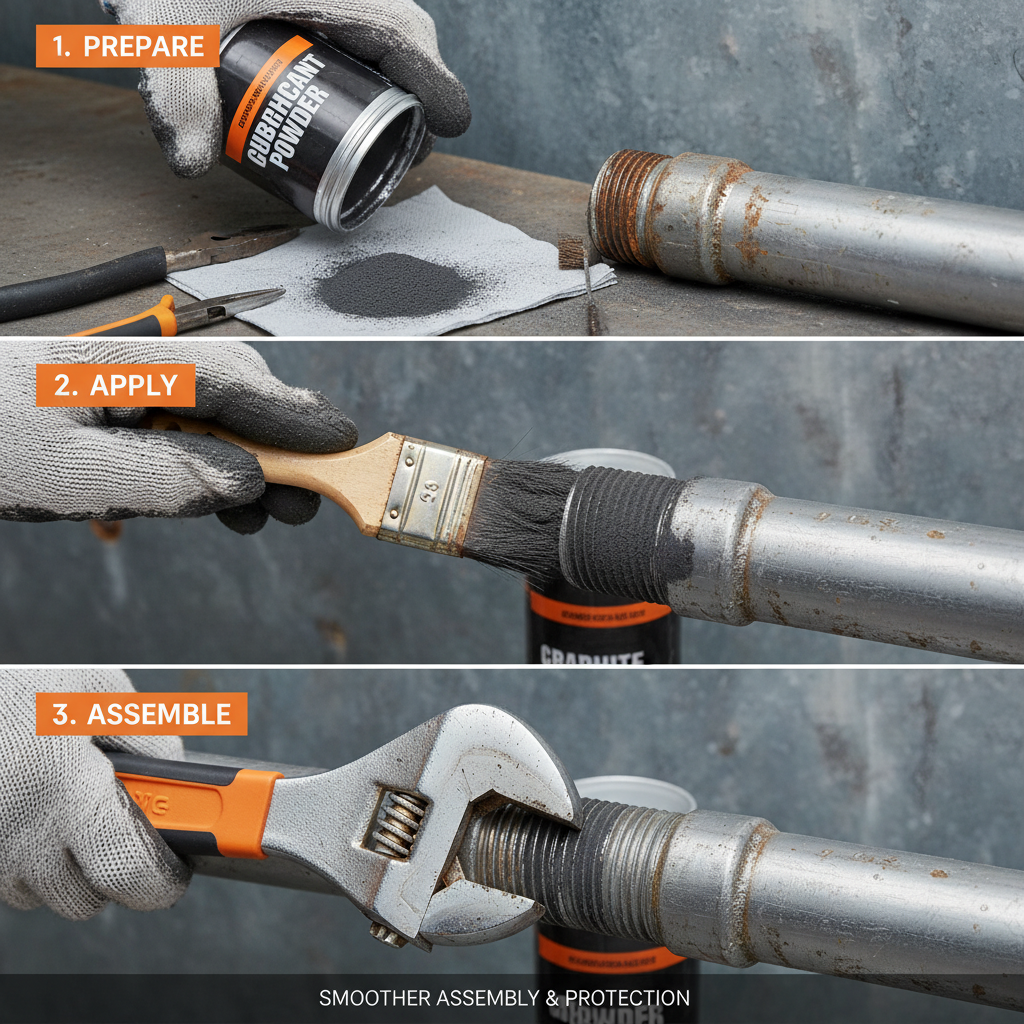
Industrial Efficiency Guide for Graphite Lubricant Powder Use
In the world of industrial maintenance and high-performance machinery, reducing friction is the key to longevity and operational efficiency. graphite lubricant powder has emerged as a superior dry lubrication solution, offering unmatched stability in environments where traditional oils and greases fail. Whether you are dealing with extreme temperatures or vacuum conditions, this specialized powder provides a sleek, protective layer that prevents wear and tear. In this comprehensive guide, we will explore why graphite is the gold standard for dry lubrication and how to choose the right grade for your specific industrial application.

Expanded Graphite Properties Applications and Industrial Guide
In the realm of advanced materials, expanded graphite has emerged as a versatile powerhouse, offering unparalleled thermal and electrical properties. Through a process of intercalation and thermal expansion, natural graphite is transformed into a worm-like structure with a significantly increased surface area and lower density. This unique morphology makes it indispensable in industries ranging from energy storage to fire protection. Whether you are looking to improve heat dissipation in electronics or enhance the safety of architectural coatings, understanding the nuances of this material is key to optimizing your product's performance. In this guide, we will explore why this material is becoming the gold standard



Social Media
Copyright © 2026 Shijiazhuang nalai biotechnology Co., Ltd All Rights Reserved. Sitemap | Privacy Policy | Top Blog | Global Service


