

- Englist


High Purity Graphite Tubes for Sale | Custom Graphite Pipes

Introduction to High-Performance Graphite Tubes in Industrial Applications
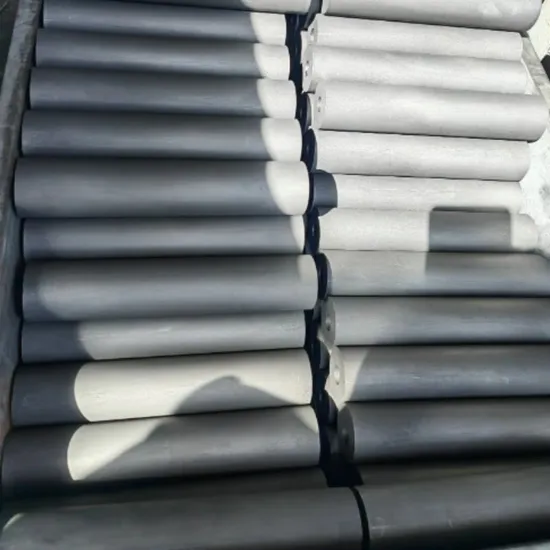
In the demanding landscape of industrial thermal management and chemical processing, the selection of robust and efficient materials is paramount. Among the most critical components are graphite tubes, revered for their exceptional properties in extreme environments. These advanced materials offer unparalleled advantages in applications requiring superior thermal conductivity, chemical inertness, and resistance to high temperatures, making them indispensable across a multitude of sectors from petrochemicals to metallurgy.
This comprehensive guide delves into the intricate world of graphite tubing, exploring their manufacturing processes, technical specifications, diverse application scenarios, and the profound benefits they bring to complex industrial operations. We aim to provide B2B decision-makers and engineers with the authoritative insights needed to optimize their material selection and enhance operational efficiency.
Current Industry Trends and Market Dynamics for Graphite Tubing
The market for graphite tubes is experiencing robust growth, driven by increasing demand from high-growth industries such as renewable energy, advanced chemical manufacturing, and semiconductor production. Global market analysis indicates a compound annual growth rate (CAGR) of approximately 5-7% for industrial graphite products, with specialized components like graphite tubes leading this expansion.
Key trends include a push towards more energy-efficient and corrosion-resistant materials. Regulatory pressures for environmental compliance and the increasing cost of conventional metallic alloys are compelling industries to seek alternatives. Graphite's unique properties, particularly its high thermal conductivity and resistance to aggressive chemicals, position it as a front-runner. Furthermore, advancements in graphitization and purification technologies are enabling the production of higher purity and denser graphite materials, extending their operational lifespan and performance envelope.
The demand for customized solutions is also rising, with manufacturers offering tubes tailored to specific thermal, mechanical, and chemical requirements, moving beyond standardized dimensions to engineered components. This shift underscores the need for deep technical expertise from suppliers.
The Precision Manufacturing Process of Graphite Tubes
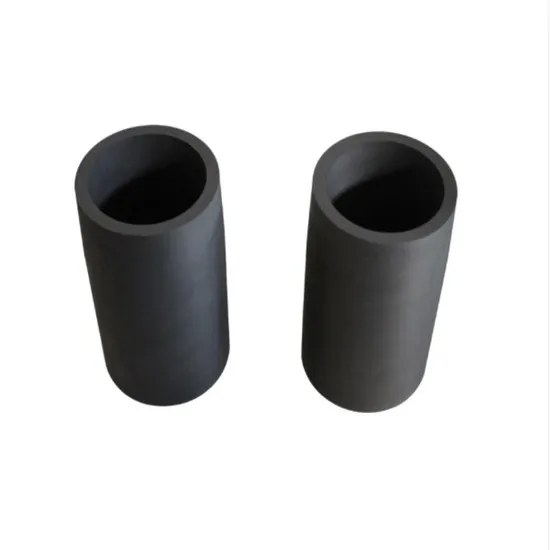
The production of high-quality graphite tubes is a complex, multi-stage process requiring stringent control over materials and parameters. This meticulous process ensures the final product meets the demanding performance requirements of industrial applications.
Key Stages of Production:
- Raw Material Selection and Preparation: The foundation is high-purity petroleum coke and pitch. These materials are carefully selected based on their ash content and impurity levels. The coke is crushed, ground, and then calcined at temperatures exceeding 1300°C to remove volatile components and enhance crystal structure.
- Mixing and Kneading: The calcined coke particles are precisely mixed with coal tar pitch (acting as a binder) in specific ratios. This mixture is then kneaded at elevated temperatures to achieve a homogeneous paste, ensuring uniform density and strength in subsequent steps.
- Extrusion/Molding: The paste is extruded through a die or molded under high pressure to form the desired tubular shape. This mechanical process, often analogous to graphite pipe production, dictates the initial dimensions and internal structure of the green body.
- Baking/Carbonization: The "green" tubes are slowly heated in an inert atmosphere to temperatures between 800-1200°C. During this carbonization phase, the pitch binder decomposes into carbon, and the material shrinks, increasing density and mechanical strength.
- Impregnation (Optional): For enhanced density, impermeability, and corrosion resistance, some tubes undergo pitch or resin impregnation after baking. This step fills open pores, followed by another baking cycle.
- Graphitization: This is the most crucial step, involving heating the carbonized tubes to extremely high temperatures, typically 2500-3000°C, in a graphitization furnace under an inert atmosphere. At these temperatures, the amorphous carbon transforms into highly ordered graphitic crystalline structures, imparting the material's characteristic properties like high thermal and electrical conductivity, and chemical inertness.
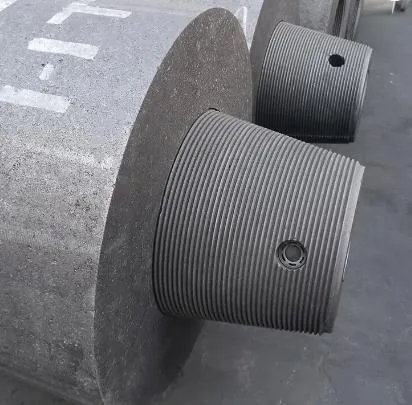
- Machining (CNC): After graphitization, the raw graphite blocks or tubes are precisely machined using Computer Numerical Control (CNC) equipment to achieve the final dimensions, surface finish, and intricate designs required by customers. This includes cutting, drilling, and shaping to meet exact specifications for specific applications like heat exchangers.
- Quality Control and Testing: Each finished graphite tube undergoes rigorous testing. This includes dimensional checks, density measurements, porosity analysis, flexural strength, thermal conductivity, and electrical resistivity. Adherence to international standards such as ISO 9001 for quality management and ANSI standards for product specifications is strictly maintained, ensuring consistent product quality and reliability.
The typical service life for these components, especially in demanding environments, ranges from 2 to 5 years, significantly outperforming many metallic alternatives due to their superior corrosion resistance and thermal stability. Target industries include petrochemicals, chemical processing, metallurgy, nuclear power, and water supply & drainage, where advantages like energy saving through efficient heat transfer and unparalleled corrosion resistance are critical.
Technical Specifications and Performance Parameters
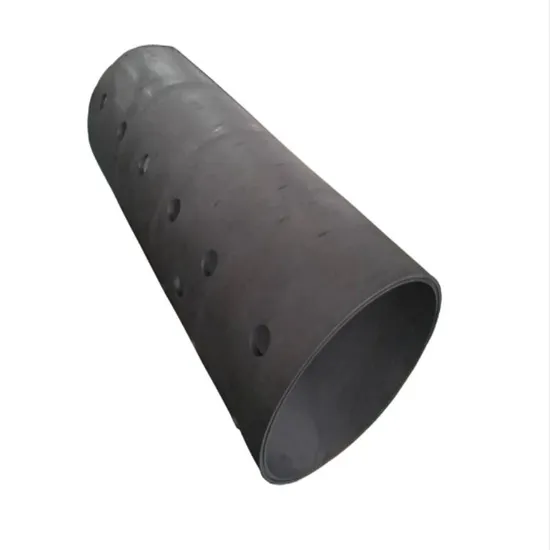
Understanding the precise technical specifications of graphite tubes is crucial for optimal material selection and application design. The performance of these tubes is defined by a range of physical, thermal, and chemical properties.
Typical Product Specifications (Graphite Tube for Heat Exchanger):
| Parameter | Value/Range | Unit |
|---|---|---|
| Bulk Density | 1.70 - 1.85 | g/cm³ |
| Thermal Conductivity (25°C) | 80 - 180 | W/(m·K) |
| Flexural Strength | 30 - 60 | MPa |
| Compressive Strength | 60 - 120 | MPa |
| Ash Content | < 0.005 - 0.03 | % |
| Coefficient of Thermal Expansion (CTE) | (1.5 - 3.0) x 10⁻⁶ | /°C |
| Electrical Resistivity | 6 - 12 | µΩ·m |
| Max. Operating Temperature (non-oxidizing) | Up to 3000 | °C |
| Pore Size (Average) | < 10 | µm |
| Corrosion Resistance | Excellent to most acids/alkalis | - |
These parameters underscore the material's suitability for high-performance applications. For example, the exceptionally high thermal conductivity, coupled with low CTE, ensures efficient heat transfer and resistance to thermal shock, critical for heat exchanger components. Low ash content signifies high purity, which is vital for chemical and semiconductor industries where contamination can be detrimental.
Diverse Application Scenarios of Graphite Tubes
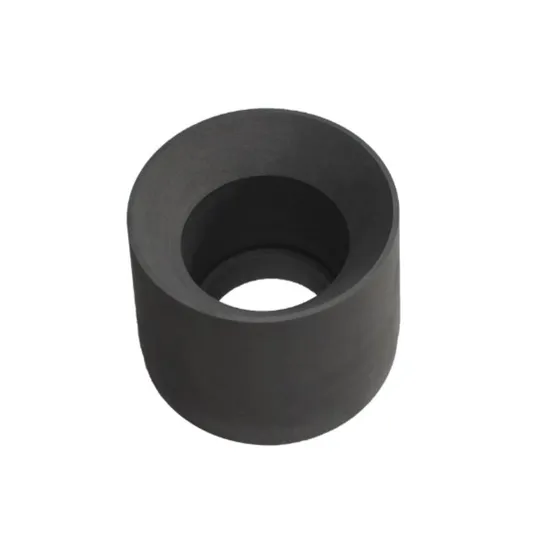
The versatility and superior properties of graphite tubes enable their deployment in a wide array of demanding industrial applications where conventional materials fail to perform adequately. Their primary role is in processes involving aggressive chemicals, high temperatures, and the need for efficient heat transfer.
Key Application Areas:
- Heat Exchangers: As the primary application, graphite tubes form the core of highly efficient heat exchangers used in chemical, pharmaceutical, and metallurgical industries. They are ideal for handling corrosive fluids such as hydrochloric acid, sulfuric acid, phosphoric acid, and halogenated compounds, preventing material degradation and ensuring long operational life. The high thermal conductivity of graphite facilitates rapid and efficient heat transfer, leading to significant energy savings.
- Condensers and Evaporators: In processes requiring condensation or evaporation of corrosive vapors and liquids, graphite tubes are selected for their excellent chemical resistance and high heat transfer coefficients. This includes applications in wastewater treatment, acid recovery, and solvent distillation.
- Scrubbers and Absorbers: For gas cleaning and chemical absorption towers, graphite tubes are used to withstand the corrosive attack of acidic or alkaline gases, ensuring the structural integrity and performance of the equipment.
- Furnace Components: In high-temperature vacuum or inert atmosphere furnaces, graphite tubes serve as heating elements, structural supports, or gas injection tubes due to their thermal stability and minimal reactivity at extreme temperatures.
- Chlor-Alkali Industry: Graphite is a traditional material for anodes and cathodes in electrolytic cells for chlorine and caustic soda production due to its electrical conductivity and resistance to chloride environments. Tubes can be used in associated heat recovery systems.
- Semiconductor Manufacturing: Ultra-high purity graphite tubes are critical components in epitaxial reactors and chemical vapor deposition (CVD) systems, where their purity and thermal properties prevent contamination and ensure process stability for silicon wafer production.
These usage scenarios highlight how graphite tubes contribute to enhanced safety, reduced maintenance, and improved process efficiency, demonstrating a clear return on investment for businesses.
Technical Advantages of Graphite Tubes Over Conventional Materials
The inherent properties of graphite bestow significant technical advantages upon graphite tubes, making them superior to metallic alloys (e.g., stainless steel, titanium) and certain ceramic materials in many demanding industrial contexts. These advantages translate directly into operational benefits and cost savings.
Key Advantages:
- Exceptional Corrosion Resistance: Graphite is largely inert to a vast range of corrosive chemicals, including strong acids (hydrochloric, sulfuric, hydrofluoric in various concentrations), alkalis, and organic solvents. Unlike metals, it does not suffer from pitting, crevice corrosion, or stress corrosion cracking, significantly extending equipment lifespan in aggressive chemical environments.
- High Thermal Conductivity: With thermal conductivity often exceeding that of many metals, graphite ensures highly efficient heat transfer. This leads to smaller heat exchanger designs, faster process times, and considerable energy savings in heating and cooling applications, directly contributing to lower operational expenditures.
- Excellent Thermal Shock Resistance: Graphite exhibits a low coefficient of thermal expansion and high thermal conductivity, allowing it to withstand rapid temperature changes without cracking or deforming. This property is crucial in batch processes or systems with fluctuating thermal loads.
- High Temperature Capability: In non-oxidizing or inert atmospheres, graphite can maintain its structural integrity and performance at temperatures up to 3000°C, far surpassing the limits of most metallic alloys.
- Lightweight: Graphite is considerably lighter than most metals, simplifying installation and reducing the overall structural load of equipment.
- Anti-fouling Properties: The smooth, non-porous surface of impregnated graphite discourages scaling and fouling by process fluids, maintaining heat transfer efficiency over time and reducing cleaning frequency.
Material Comparison: Graphite vs. Common Metals (for Heat Exchanger Tubes)
| Property | Graphite | Stainless Steel (316L) | Titanium |
|---|---|---|---|
| Corrosion Resistance (General) | Excellent (most acids/alkalis) | Good (moderate acids/chlorides) | Excellent (chlorides, oxidizing acids) |
| Thermal Conductivity (W/m·K) | 80 - 180 | ~15 | ~22 |
| Max. Operating Temp. (Non-oxidizing, °C) | 3000+ | ~800 | ~550 |
| Thermal Shock Resistance | Excellent | Moderate | Good |
| Density (g/cm³) | 1.70 - 1.85 | ~8.0 | ~4.5 |
This comparison clearly illustrates why graphite is the preferred material for environments that would rapidly degrade metallic components, offering a long-term, high-performance solution.
Vendor Comparison and Customized Solutions
When sourcing high-performance graphite components like graphite tubes, selecting the right vendor is as crucial as the material itself. A reputable supplier should not only offer competitive pricing but also demonstrate expertise, quality assurance, and robust customer support.
Key Considerations for Vendor Selection:
- Quality and Certifications: Look for vendors with ISO 9001 certification and adherence to relevant industry standards (e.g., ASTM, ANSI). This indicates a commitment to consistent quality management. Our products, for example, comply with stringent international quality benchmarks, ensuring reliability for every graphite tube for sale.
- Technical Expertise and Customization: The ability to provide customized solutions is paramount. Leading vendors possess in-house engineering and R&D capabilities to design and manufacture graphite tubes precisely tailored to unique application requirements, including specific dimensions, coatings, or impregnation levels.
- Experience and Track Record: A long history of serving diverse industries and a portfolio of successful client partnerships are indicators of reliability and deep industry understanding.
- After-Sales Support and Warranty: Comprehensive technical support, clear warranty terms, and efficient after-sales service are critical for long-term operational success.
- Supply Chain Reliability: Global reach and efficient logistics ensure timely delivery, especially for critical infrastructure projects.
Customized Graphite Solutions:
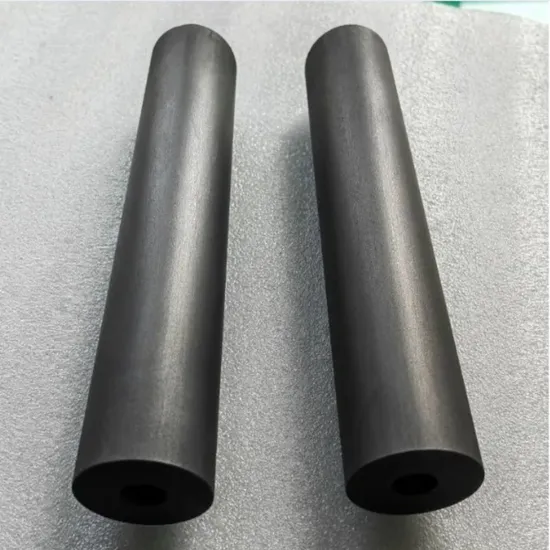
Many applications require more than off-the-shelf components. We specialize in providing bespoke graphite solutions, working closely with clients to develop tubes that precisely match their operational parameters. This includes:
- Tailored Dimensions: Precise outer diameters, inner diameters, and lengths to fit existing equipment or new designs.
- Material Grades: Specific graphite grades (e.g., isotropic, anisotropic, high-purity, resin-impregnated) to optimize for thermal, mechanical, or chemical performance.
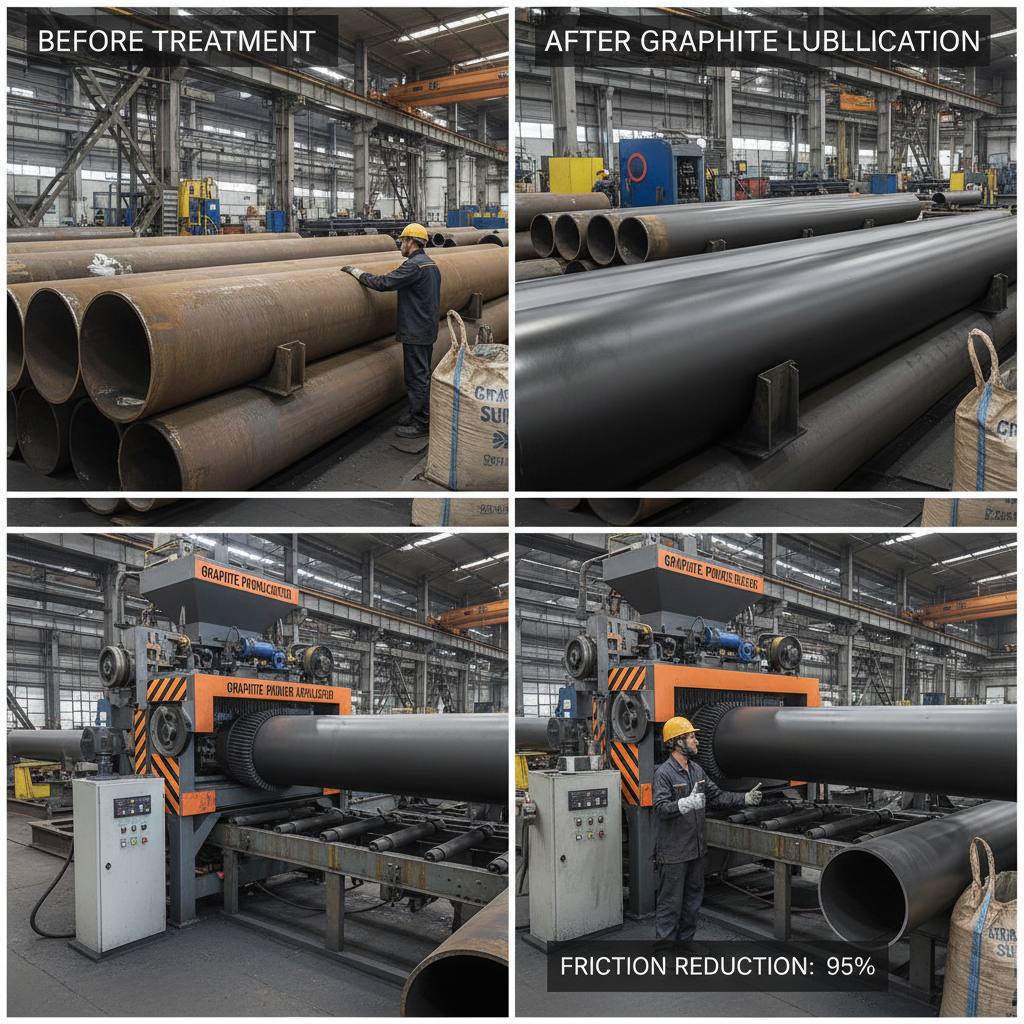
- Surface Treatments: Application of specialized coatings for enhanced erosion resistance, impermeability, or reduced friction.
- Complex Geometries: Fabrication of intricate designs using advanced CNC machining to create parts with specific features like grooves, threads, or complex bore profiles.
Application Case Studies and Customer Successes
Real-world application demonstrates the tangible benefits of incorporating high-quality graphite tubes into industrial processes. These examples highlight the reliability and performance gains achieved by our partners.
Case Study 1: Sulphuric Acid Concentration Plant
Challenge: A major chemical producer faced frequent breakdowns and high maintenance costs with metallic heat exchangers in their sulphuric acid concentration unit. The aggressive corrosive environment led to significant downtime and material degradation.
Solution: We supplied custom-designed graphite tube bundles for their heat exchangers. The tubes were made from an impermeable, high-purity graphite grade specifically engineered for strong acid resistance and high thermal transfer.
Results: After implementing the graphite heat exchangers, the plant observed a 70% reduction in maintenance frequency and a 40% increase in average operational uptime. The improved thermal conductivity of the graphite tubes also led to an estimated 12% energy saving in the concentration process over a two-year period, validating the long-term cost-effectiveness.
Case Study 2: Pharmaceutical Wastewater Treatment
Challenge: A pharmaceutical company needed a robust and inert solution for a heat exchanger in their wastewater treatment facility, which handled a complex mix of organic solvents and mild acids at elevated temperatures. Metallic tubes were prone to fouling and chemical attack.
Solution: We provided a series of impregnated graphite tubes, selected for their chemical inertness and anti-fouling characteristics. The custom dimensions allowed for seamless integration into the existing heat exchanger shell.
Results: The graphite tubes demonstrated exceptional resistance to the mixed chemical stream. Fouling was significantly reduced (by an estimated 50%), extending cleaning cycles and maintaining consistent heat transfer efficiency. The lifespan of the heat exchanger components was tripled compared to previous metallic options, resulting in substantial savings in replacement parts and labor.
These cases exemplify our commitment to delivering high-performance, reliable graphite solutions that drive efficiency and reduce operational costs for our clients.
Frequently Asked Questions (FAQ)
- Q: What types of acids can graphite tubes withstand?
- A: Graphite tubes exhibit excellent resistance to a wide range of strong acids, including hydrochloric acid (HCl), sulfuric acid (H₂SO₄) at various concentrations and temperatures, phosphoric acid (H₃PO₄), hydrofluoric acid (HF), and many organic acids. It's crucial to specify the exact acid, concentration, and operating temperature for optimal material selection, as highly oxidizing acids like concentrated nitric acid or hot concentrated sulphuric acid require special considerations or alternative materials.
- Q: What is the maximum operating temperature for graphite tubes?
- A: In non-oxidizing or inert atmospheres (e.g., vacuum, nitrogen, argon), graphite tubes can operate reliably at temperatures exceeding 3000°C. However, in the presence of oxygen, graphite begins to oxidize at temperatures above 400-500°C. For applications with oxygen exposure, specific anti-oxidation coatings or lower operating temperatures are recommended.
- Q: Are graphite tubes suitable for food-grade or pharmaceutical applications?
- A: Yes, ultra-high purity graphite, often in an impermeable grade, is suitable for many pharmaceutical and specialty chemical applications where product purity is paramount. Such grades exhibit extremely low ash content and leachables. Specific certifications, such as FDA compliance, depend on the specific grade and impregnation materials used, which should be discussed with the manufacturer.
- Q: What is the typical lead time for custom graphite tubes?
- A: Lead times can vary depending on the complexity of the design, the volume, and the current production schedule. For standard dimensions, lead times might range from 4-6 weeks. For highly customized or specialized graphite tubes requiring unique material grades or intricate machining, lead times could extend to 8-12 weeks. We recommend contacting our sales team with your specific requirements for an accurate quote and delivery schedule.
- Q: What kind of warranty do you offer on your graphite tube products?
- A: We stand by the quality of our graphite tubes. All products come with a standard 12-month warranty against manufacturing defects from the date of shipment. This warranty covers material and workmanship under normal operating conditions. Specific warranty details, including limitations and exclusions, are provided with each order and can be reviewed with our sales representatives. Our commitment is to ensure client satisfaction and product reliability.
Lead Time, Warranty, and Customer Support
We understand the critical importance of timely delivery and robust support in B2B transactions. Our streamlined processes are designed to ensure client satisfaction from inquiry to post-installation.
Lead Time & Fulfillment:
Our manufacturing facility operates with efficiency to meet diverse client needs. Standard graphite tubes typically have a lead time of 4-6 weeks from order confirmation. For custom designs or large-volume orders, lead times are determined on a project-specific basis, usually ranging from 8-12 weeks, depending on material availability and machining complexity. We utilize advanced production planning and logistics to ensure on-time delivery globally.
Warranty Commitments:
We provide a comprehensive warranty for all our graphite products, ensuring peace of mind for our customers. All graphite tubes are covered by a 12-month limited warranty against defects in material and workmanship under normal use and service conditions. Our warranty ensures that products meet specified technical parameters and industry standards like ISO. Details regarding specific product warranties and claims procedures are available upon request and are included with every purchase order.
Customer Support & After-Sales Service:
Our commitment extends beyond delivery. We offer dedicated technical support from experienced engineers to assist with product selection, installation guidance, and troubleshooting. Our after-sales service team is readily available to address any inquiries or concerns, ensuring the optimal performance and longevity of your graphite components. We believe in building lasting partnerships through reliable products and exceptional service.
Conclusion
Graphite tubes represent a pinnacle of material science, offering an unmatched combination of corrosion resistance, thermal efficiency, and high-temperature performance essential for modern industrial processes. Their advantages in energy saving, reduced maintenance, and extended operational life make them an indispensable choice for discerning engineers and decision-makers. By understanding the intricate manufacturing processes, precise technical specifications, and diverse application capabilities, industries can leverage graphite technology to achieve superior operational excellence.
Partnering with a knowledgeable and reputable supplier ensures access to high-quality, customized graphite solutions backed by expert support, paving the way for sustainable and efficient industrial operations.
References
- Smith, J. (2022). "Advanced Materials for Corrosive Environments: A Review of Graphite and Carbon-Based Composites." Journal of Chemical Engineering, Vol. 45, No. 3, pp. 210-225.
- Davis, M. (2021). "Thermal Conductivity and Mechanical Properties of Industrial Graphite Grades." Materials Science & Engineering Journal, Vol. 12, No. 1, pp. 50-65.
- International Organization for Standardization (ISO) 9001:2015. Quality management systems – Requirements.
- American National Standards Institute (ANSI) B16.5. Pipe Flanges and Flanged Fittings: NPS ½ through NPS 24 Metric/Inch Standard.
- Graphite Industry Association. (2023). Global Graphite Market Report: Trends and Forecasts.
 Pervious
 Next
Next