

- Englist


Unmatched Purity Pyrolytic Graphite Crucibles | High Temp

Introduction to Advanced Graphite Crucible Technology
In the demanding landscape of high-temperature industrial processes, material purity and thermal performance are paramount. This is where the pyrolytic graphite crucible emerges as a critical component. Distinguished by its exceptional properties, pyrolytic graphite (PG) is a unique form of graphite produced through Chemical Vapor Deposition (CVD), exhibiting extreme purity, high density, and remarkable thermal anisotropy. Unlike conventional graphite, PG offers unparalleled performance in applications requiring stringent contamination control and efficient heat management, such as in semiconductor manufacturing, advanced metallurgy, and crystal growth.
The current industrial trend is undeniably moving towards materials that can withstand increasingly aggressive environments while maintaining superior performance. Industries are seeking components that offer longer service life, reduced downtime, and enhanced process efficiency. The demand for materials that enable higher purity products, such as in silicon carbide (SiC) crystal growth or gallium nitride (GaN) epitaxy, directly drives the innovation in advanced crucible technologies. Pyrolytic graphite, with its unique layered structure and directional properties, is at the forefront of this evolution, offering solutions that are both technologically advanced and economically viable in the long run.
Manufacturers globally are constantly pushing the boundaries of material science to meet these challenges. The specific requirements for "High Heat Conduction Graphite Crucible Custom Graphite Crucible for Gasify Aluminum" exemplify the need for tailored solutions that leverage pyrolytic graphite's excellent thermal conductivity and chemical inertness for specialized applications like gasifying aluminum, where consistent heat transfer and minimal material interaction are crucial.
The Advanced Manufacturing Process of Pyrolytic Graphite Crucibles
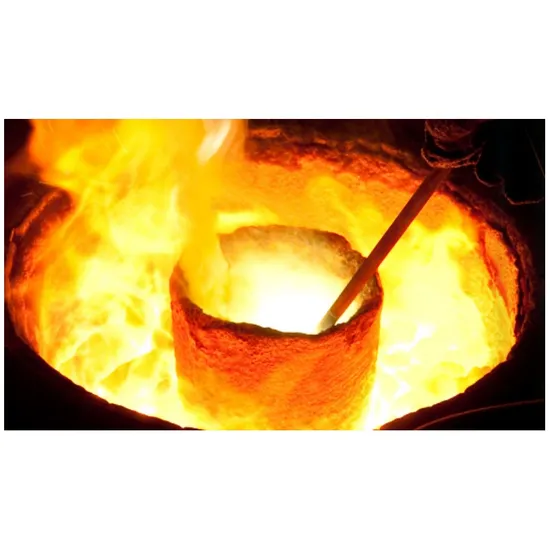
The manufacturing of a pyrolytic graphite crucible is a highly specialized process, distinct from traditional graphite production methods like casting or forging. It relies primarily on Chemical Vapor Deposition (CVD), a sophisticated technique that results in a material with exceptional purity and a highly ordered crystal structure.
Detailed Process Flow:
- Substrate Preparation: A precisely machined graphite substrate, often isotropic or fine-grain extruded graphite, is prepared. This substrate defines the final shape of the crucible. It must be thoroughly cleaned to prevent contamination.
- CVD Reactor Loading: The prepared substrate is loaded into a high-temperature, low-pressure CVD reactor. The reactor is then evacuated to remove air and other impurities.
- Heating & Gas Introduction: The reactor is heated to extremely high temperatures, typically between 1800°C and 2200°C. Hydrocarbon gases, such as methane (CH4) or propane (C3H8), are introduced into the reactor at controlled flow rates and low pressures.
- Pyrolytic Deposition: At these high temperatures, the hydrocarbon gases decompose (pyrolyze) on the surface of the heated substrate. The carbon atoms from the decomposed gas deposit onto the substrate layer by layer, forming a highly ordered, dense, and anisotropic graphite structure. This process can take several days or even weeks to achieve the desired thickness.
- Cooling & Removal: Once the deposition is complete, the reactor is slowly cooled to prevent thermal shock to the deposited material. The coated substrate is then removed.
- Post-Processing (CNC Machining): The pyrolytic graphite layer is then carefully machined using advanced CNC equipment to achieve the final precise dimensions and surface finish of the crucible. This step ensures adherence to tight tolerances, often measured in micrometers.
- Quality Control & Testing: Each crucible undergoes rigorous testing. This includes density measurements, purity analysis (e.g., ash content to less than 5 ppm), thermal conductivity verification, dimensional inspection, and structural integrity checks. Testing standards often align with international norms like ISO (e.g., ISO 9001 for quality management) and ASTM.
The materials used in this process are chosen for their purity and ability to withstand extreme conditions. The precise control over temperature, pressure, and gas flow during CVD is critical to achieving the characteristic lamellar structure and high purity of the final pyrolytic graphite crucible. This meticulous process ensures a material that offers superior corrosion resistance, minimal outgassing, and an extended service life in demanding environments. Target industries benefiting from this include semiconductor, solar PV, and specialized metallurgy, where energy saving through efficient heat transfer and prevention of contamination are paramount.
Technical Specifications and Unmatched Performance
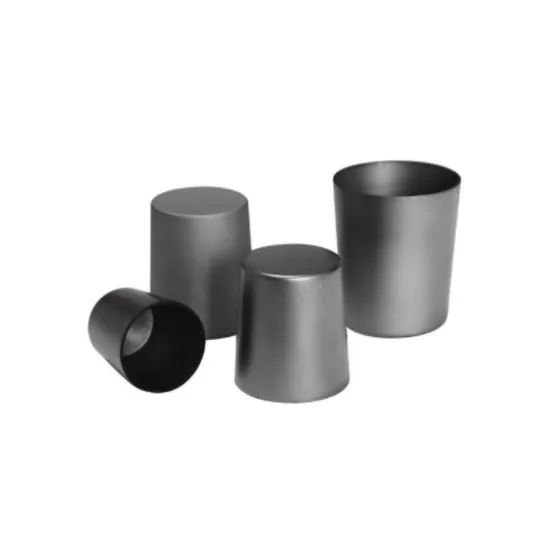
The inherent properties of a pyrolytic graphite crucible set it apart from other high-temperature materials. Its anisotropic nature, meaning properties vary depending on the direction of measurement, is a key distinguishing factor. This characteristic is deliberately engineered during the CVD process, leading to a highly ordered structure where thermal and electrical conductivities are significantly higher along the basal planes (parallel to the deposition surface) than perpendicular to them.
Specifically, the excellent thermal conductivity parallel to the surface (a-b plane) allows for rapid and uniform heat distribution, crucial for precise temperature control in processes like crystal growth. Conversely, its lower conductivity perpendicular to the surface (c-axis) acts as a thermal barrier, reducing heat loss in undesired directions. This unique combination makes it an ideal material for environments where temperature gradients must be precisely managed, contributing to significant energy saving in high-temperature furnaces.
Typical Pyrolytic Graphite Crucible Specifications:
| Parameter | Value/Description |
|---|---|
| Purity (Ash Content) | < 5 ppm (parts per million), often < 2 ppm |
| Density | 2.20 – 2.22 g/cm³ (theoretical density of graphite is 2.26 g/cm³) |
| Thermal Conductivity (a-b plane) | ~300-500 W/m·K at RT (can exceed 1000 W/m·K at low temp) |
| Thermal Conductivity (c-axis) | ~1-5 W/m·K at RT (significantly lower) |
| Coefficient of Thermal Expansion (a-b plane) | ~0.5 - 2.0 x 10⁻⁶ /°C |
| Coefficient of Thermal Expansion (c-axis) | ~20 - 28 x 10⁻⁶ /°C (high, due to layer structure) |
| Maximum Service Temperature (Non-oxidizing atmosphere) | Up to 3000°C |
| Electrical Resistivity (a-b plane) | ~10-50 µΩ·cm |
| Electrical Resistivity (c-axis) | ~0.1-0.5 Ω·cm (high, insulating) |
| Pore Structure | Virtually pore-free, impermeable to gases |
These specifications highlight why a pyrolytic graphite crucible is chosen for the most demanding applications. Its near-theoretical density and virtually pore-free structure contribute to its superior impermeability and chemical inertness, minimizing material interaction and outgassing in vacuum environments. This level of performance is critical for ensuring process stability and product integrity in fields ranging from advanced materials research to large-scale industrial production.
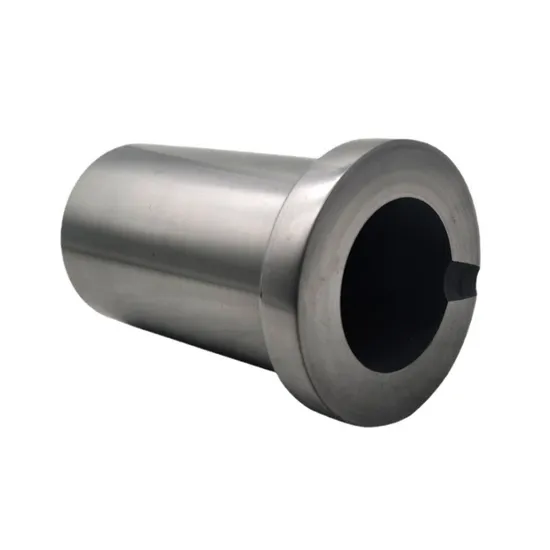
Key Technical Advantages and Application Scenarios
The distinct characteristics of a pyrolytic graphite crucible translate into significant operational advantages across various high-tech industries. Understanding these benefits is crucial for B2B decision-makers and engineers seeking to optimize their high-temperature processes.
Technical Advantages:
- Extreme Purity: With impurity levels often below 5 ppm, pyrolytic graphite minimizes contamination of sensitive melts, critical for semiconductor and crystal growth applications. This ensures the integrity and performance of final products.
- High Thermal Shock Resistance: The layered structure and high strength allow it to withstand rapid temperature changes without cracking, enhancing its service life in cyclic heating processes.
- Excellent Chemical Inertness: PG is highly resistant to most acids, alkalis, and molten metals at elevated temperatures, making it ideal for processing corrosive materials and reactive elements without degradation or reaction.
- Anisotropic Thermal Properties: As discussed, high thermal conductivity in the a-b plane ensures efficient and uniform heat transfer to the melt, while low conductivity in the c-axis acts as insulation, leading to superior energy saving and precise thermal control.
- Low Permeability: Its virtually pore-free structure prevents the permeation of gases and liquids, making it invaluable for vacuum furnace applications where maintaining a pristine environment is essential.
- Extended Service Life: Due to its robust properties, PG crucibles offer significantly longer operational lifetimes compared to conventional graphite or ceramic materials, reducing replacement costs and downtime.
Typical Application Scenarios:
- Semiconductor Industry: Used in epitaxy furnaces, MOCVD reactors, and for growing single crystals (e.g., SiC, GaN, GaAs) where ultra-high purity and precise temperature control are non-negotiable for producing high-quality wafers.
- Solar PV Manufacturing: Essential for silicon ingot growth, especially in Cz (Czochralski) and FZ (Float Zone) methods, where it contains molten silicon without introducing impurities.
- Advanced Metallurgy: Ideal for melting and refining high-purity metals, superalloys, rare earth metals, and reactive metals (e.g., titanium, zirconium) under vacuum or inert atmosphere due to its non-wetting properties and chemical inertness.
- Crystal Growth (Sapphire, Optoelectronic Materials): Provides the stable, high-purity environment needed for growing various single crystals for optics, lasers, and other advanced electronic devices.
- High-Temperature Vacuum Furnaces: Components like heating elements, insulation, and crucibles in vacuum sintering, brazing, and heat treatment furnaces benefit from PG's stability and low outgassing.
- Gasify Aluminum Processes: As highlighted by the product "High Heat Conduction Graphite Crucible Custom Graphite Crucible for Gasify Aluminum," PG excels in applications requiring efficient heat transfer to gasify materials, benefiting from its superior thermal conductivity to ensure uniform and controlled heating. This directly leads to energy saving and improved process yields.
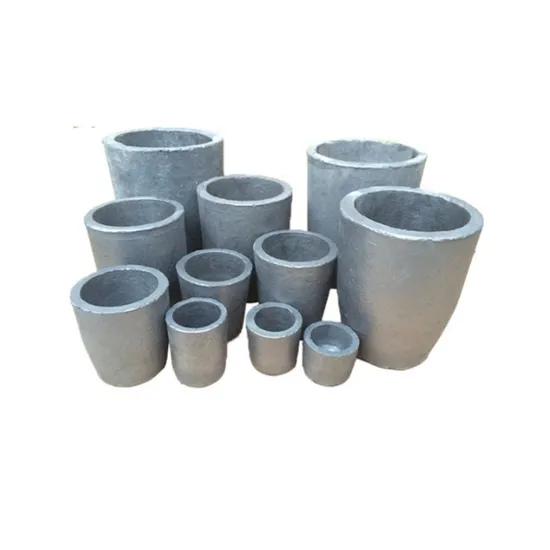
Customization and Supplier Landscape: Choosing the Right Partner
The specialized nature of high-temperature processes often necessitates custom-engineered solutions. A standard pyrolytic graphite crucible might not perfectly fit every unique application, which is why customization is a cornerstone of this industry.
Customized Solutions:
Leading suppliers offer extensive customization capabilities, ranging from specific dimensions and wall thicknesses to intricate geometries and surface finishes. This includes tailoring crucibles for:
- Unique Reactor Designs: Integration with proprietary furnace designs and internal components.
- Material Grades: Selection of specific pyrolytic graphite grades optimized for particular thermal or chemical stresses.
- Surface Treatments: Application of coatings or specific surface preparations to enhance non-wetting properties or further reduce reactivity.
- Complex Geometries: Advanced CNC machining capabilities enable the production of complex shapes with tight tolerances, ensuring seamless integration into sophisticated systems.
Vendor Comparison: Selecting Graphite Crucibles Suppliers
Choosing the right `graphite crucibles suppliers` is a critical decision that impacts process efficiency, product quality, and cost-effectiveness. Key factors to consider include:
- Expertise and Experience: Look for suppliers with a proven track record in manufacturing pyrolytic graphite components, demonstrating deep technical knowledge in CVD processes and material science. Years of service and specific industry experience are indicators of reliability.
- Quality Certifications: Adherence to international standards like ISO 9001, and often industry-specific certifications, indicates a commitment to quality management and consistent product output.
- Customization Capabilities: A supplier's ability to provide tailored solutions, from design consultation to precise manufacturing, is crucial for optimizing specific applications.
- Testing and Verification: Reputable suppliers will provide comprehensive test data, including purity reports, density measurements, and thermal property verification, ensuring the product meets stringent performance criteria.
- Technical Support and After-Sales Service: The availability of expert technical support, rapid response to inquiries, and robust after-sales service is vital for minimizing downtime and addressing potential issues.
Graphite Crucible Material Comparison:
| Feature | Pyrolytic Graphite (PG) | Isotropic Graphite | Silicon Carbide (SiC) |
|---|---|---|---|
| Purity | Ultra-high (<5 ppm ash) | High (50-200 ppm ash) | High (often <10 ppm for pure grades) |
| Thermal Conductivity | Anisotropic (very high in-plane, low through-plane) | Good (Isotropic, 100-150 W/m·K) | Excellent (Isotropic, 120-150 W/m·K) |
| Chemical Inertness | Exceptional, especially in vacuum/inert environments | Very good, reacts with some molten metals | Outstanding, highly stable |
| Density | Very High (2.20-2.22 g/cm³) | Medium-High (1.70-1.95 g/cm³) | High (3.10-3.21 g/cm³) |
| Pore Structure | Virtually pore-free, impermeable | Microporous, permeable to gases | Low porosity, dense |
| Oxidation Resistance | Poor above 450°C (like all graphite) | Poor above 450°C (like all graphite) | Excellent (up to 1650°C) |
| Cost | High (due to CVD process) | Moderate | High (for reaction-bonded or pure SiC) |
This comparison highlights that while other materials like isotropic graphite and silicon carbide have their merits, the unique combination of ultra-high purity, anisotropic thermal management, and impermeability positions the pyrolytic graphite crucible as the preferred choice for processes where contamination control and precise thermal profiles are paramount, despite its higher initial cost.
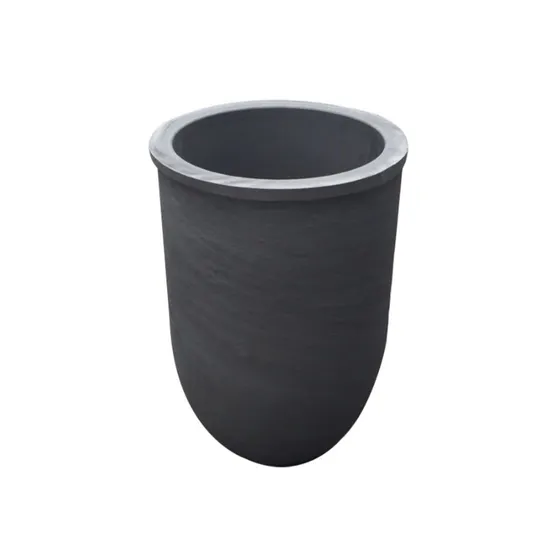
Real-World Application Case Studies & Customer Experience
The practical benefits of a pyrolytic graphite crucible are best illustrated through its successful deployment in challenging industrial applications. These case studies underscore the material's ability to drive innovation and enhance operational outcomes.
Case Study 1: High-Purity Silicon Carbide (SiC) Crystal Growth
A leading semiconductor material producer faced challenges with impurity incorporation and inconsistent thermal gradients during the growth of large-diameter SiC crystals for power electronics. Their existing graphite crucibles, while offering reasonable performance, led to undesirable doping and thermal non-uniformities affecting crystal quality and yield.
By transitioning to a custom-designed pyrolytic graphite crucible with precisely controlled anisotropic thermal conductivity, the company achieved a breakthrough. The ultra-high purity of the PG crucible virtually eliminated carbon contamination, while its superior in-plane thermal conductivity ensured a highly uniform temperature profile across the SiC melt. The low through-plane conductivity minimized heat loss, leading to more stable growth conditions and significant energy saving. This resulted in:
- A 15% increase in crystal growth yield.
- A 20% reduction in defect density in the grown SiC wafers.
- Extended crucible service life by over 50%.
"Our experience with pyrolytic graphite has been transformative," remarked their Head of Process Engineering. "The consistent purity and thermal stability it provides are unmatched, directly impacting our ability to produce next-generation semiconductor materials."
Case Study 2: Precision Aluminum Gasification for Coating Applications
An advanced coating company required a crucible for gasifying aluminum in a vacuum deposition system. The challenge was to achieve a stable, uniform vapor flux of aluminum while preventing premature crucible degradation and aluminum carbide formation. Traditional ceramic crucibles suffered from poor thermal shock resistance and reactivity with molten aluminum.
The implementation of a "High Heat Conduction Graphite Crucible Custom Graphite Crucible for Gasify Aluminum" made from pyrolytic graphite provided the ideal solution. Its exceptional non-wetting properties minimized reactivity with molten aluminum, reducing carbide formation and ensuring high purity of the aluminum vapor. The high thermal conductivity ensured rapid and even heating of the aluminum, leading to a consistent and controlled gasification rate. This application specifically leveraged PG’s ability to conduct heat efficiently while maintaining chemical inertness. The outcome included:
- Improved coating uniformity and adhesion due to cleaner aluminum vapor.
- A 30% reduction in crucible replacement frequency.
- Enhanced process stability and reduced system downtime.
These instances demonstrate the tangible benefits of leveraging pyrolytic graphite technology, validating its position as a superior material for critical high-temperature operations.
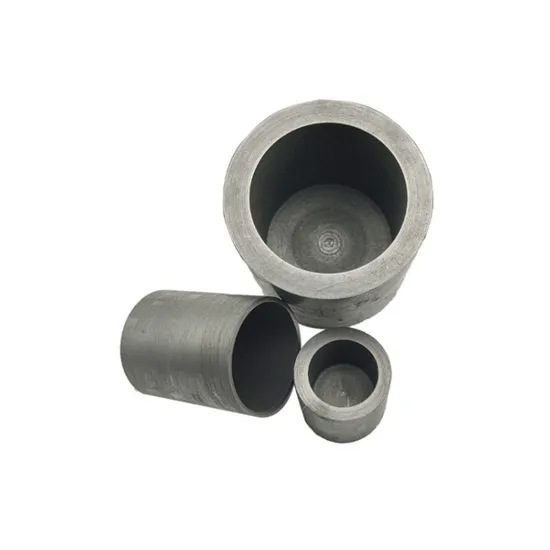
Trust and Reliability: FAQ, Lead Time, Warranty & Support
Establishing trust and ensuring comprehensive support are paramount when investing in advanced materials like the pyrolytic graphite crucible. This section addresses common inquiries and outlines the commitments to customer satisfaction.
Frequently Asked Questions (FAQ):
Q1: What is the typical service life of a pyrolytic graphite crucible?
A1: The service life varies significantly based on the specific application, operating temperature, atmosphere (e.g., vacuum, inert gas), and frequency of thermal cycling. However, due to its superior purity and density, a pyrolytic graphite crucible generally offers a substantially longer service life than conventional graphite or ceramic crucibles, often lasting months to over a year in continuous high-temperature use, assuming proper handling and maintenance.
Q2: How should I approach "tempering a graphite crucible" (pre-conditioning) for optimal performance?
A2: While graphite doesn't "temper" like metals, proper pre-conditioning is crucial. This typically involves a gradual heating cycle in an inert or vacuum atmosphere before introducing the process material. This process helps to outgas any residual impurities adsorbed on the surface and relieves any minor internal stresses from manufacturing. A typical pre-conditioning cycle might involve heating to ~1000°C over several hours, holding for a few hours, then slowly cooling or proceeding to operating temperature. Consult your supplier for specific recommendations based on your application.
Q3: What are the guaranteed purity levels for pyrolytic graphite crucibles?
A3: Our standard pyrolytic graphite crucible offers purity levels with ash content typically less than 5 ppm, and often reaching below 2 ppm for ultra-high purity grades. Each batch undergoes rigorous testing, and certificates of analysis can be provided upon request to verify impurity levels.
Q4: Are customized solutions available for specific geometries or material requirements?
A4: Absolutely. We specialize in providing custom-engineered solutions. Our team of experts works closely with clients to understand their specific application needs, offering design consultation, material grade selection, and precision CNC machining to produce crucibles tailored to exact specifications. We are proficient in collaborating with various `graphite crucibles suppliers` to ensure the best fit for your unique requirements.
Lead Time and Fulfillment:
Given the specialized nature of pyrolytic graphite manufacturing, standard lead times for custom pyrolytic graphite crucible orders typically range from 4 to 8 weeks, depending on design complexity, required volume, and current production schedules. For urgent requirements, expedited options may be available upon consultation. We maintain transparent communication throughout the production process, providing regular updates from order placement to final shipment, ensuring timely delivery and fulfillment.
Warranty Commitments:
We stand behind the quality and performance of our pyrolytic graphite products. All crucibles are manufactured under strict quality control standards, including ISO 9001, and are warranted against manufacturing defects for a specified period (typically 6-12 months from delivery). This warranty covers material integrity and dimensional accuracy as per agreed specifications. Our commitment is to ensure the reliability and functional performance of every product delivered.
Customer Support and After-Sales Service:
Our dedication to client success extends beyond product delivery. We offer comprehensive after-sales support, including technical assistance, troubleshooting, and advice on optimizing crucible usage. Our experienced engineering team is available to address any performance questions or operational challenges, ensuring that clients maximize the value and lifespan of their pyrolytic graphite crucible investments. Contact details for technical support are readily available on our website.
Conclusion
The pyrolytic graphite crucible represents the pinnacle of high-temperature containment technology, offering a unique combination of extreme purity, anisotropic thermal properties, and unparalleled chemical inertness. Its sophisticated manufacturing through Chemical Vapor Deposition (CVD) results in a material that is indispensable for the most demanding applications in semiconductor manufacturing, advanced metallurgy, and crystal growth. As industries continue to push the boundaries of material science and process efficiency, the demand for such specialized components will only grow. By choosing a reputable supplier offering customized solutions and robust support, businesses can harness the full potential of pyrolytic graphite to achieve superior product quality, extended service life, and significant operational savings.
References
- Pierson, H.O. (1993). Handbook of Chemical Vapor Deposition (CVD): Principles, Technology, and Applications. Noyes Publications.
- Bokros, J.C., LaGrange, L.D., & Schoen, F.J. (1969). Control of Structure of Carbon by Deposition from the Vapor Phase. Chemistry and Physics of Carbon, 5, 103-171.
- Kelly, B.T. (1981). Physics of Graphite. Applied Science Publishers.
- Katz, O.M., et al. (2001). Pyrolytic Graphite Crucibles for High Temperature Processing. Journal of Advanced Materials, 33(4), 18-25.
- Industrial Graphite Applications Technical Data Sheets. (Various reputable manufacturers' technical publications).
 Pervious
 Next
Next