

- Englist


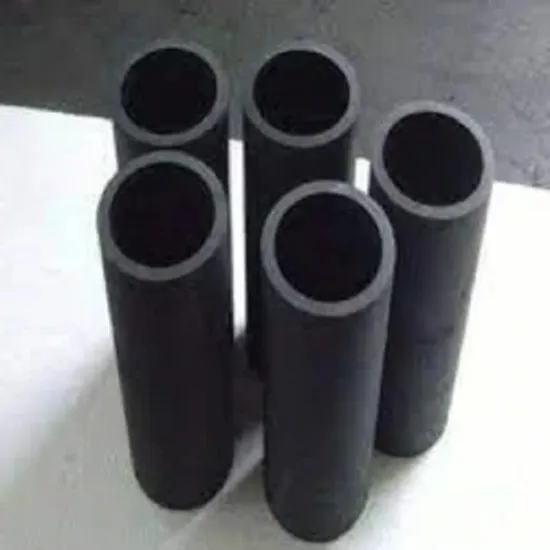
High-Quality Graphite Tubes for Sale | Precision & Durability

Understanding High-Performance Graphite Tubes in Industrial Applications
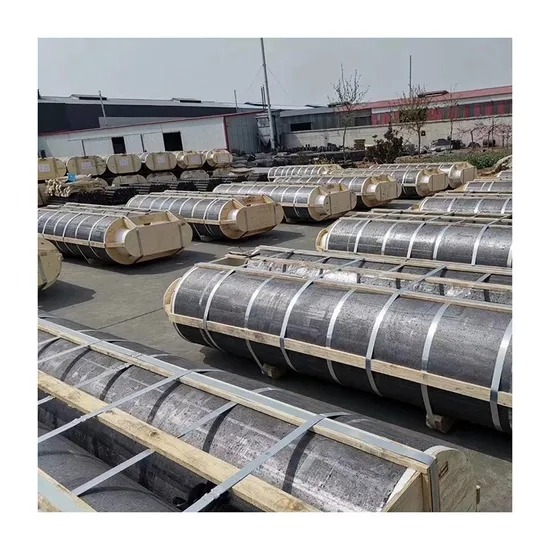
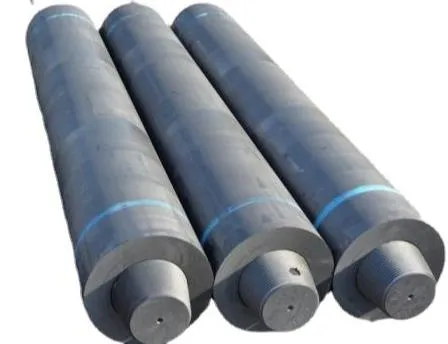
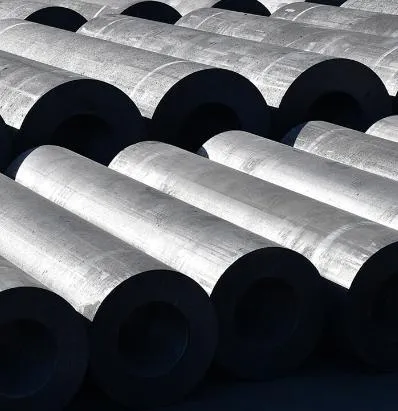
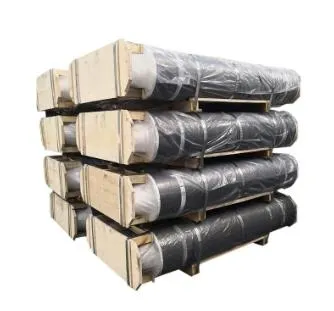
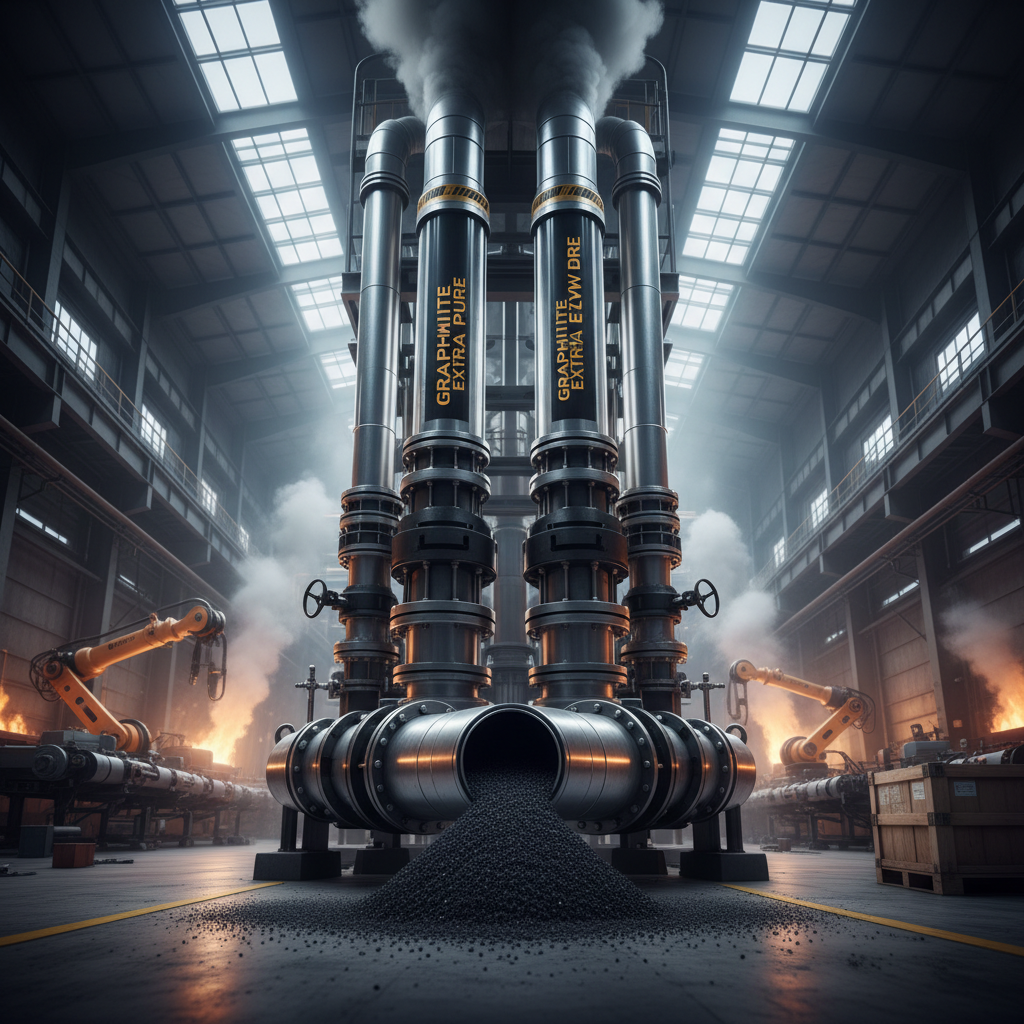
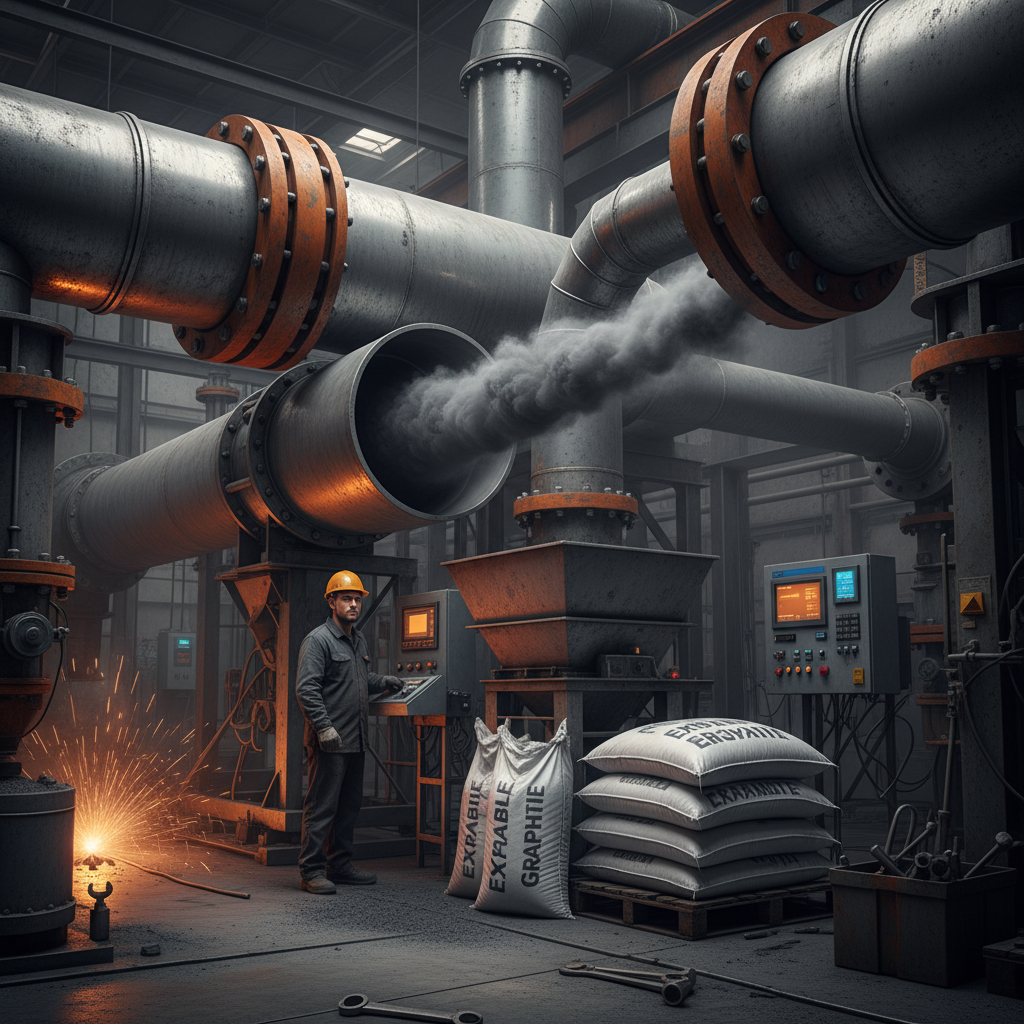
In demanding industrial environments, the selection of materials is paramount to operational efficiency, longevity, and cost-effectiveness. Among the most critical components for high-temperature and corrosive applications are graphite tubes. For businesses seeking reliable and high-performance solutions, understanding the nuances of graphite tubes for sale is essential. These specialized components, often referred to as graphite pipes, carbon graphite tubes, or graphite die tubes, offer an unparalleled combination of thermal stability, chemical inertness, and mechanical strength, making them indispensable across various sectors.
Our focus today is on providing a comprehensive overview for B2B decision-makers and technical engineers, delving into the intricacies of these advanced materials, their manufacturing processes, and their transformative impact on industrial operations.
Industry Trends and Market Dynamics for Graphite Tubes
The market for industrial graphite products, particularly graphite tubes, is experiencing sustained growth driven by increasing demands in high-tech manufacturing, renewable energy, and advanced metallurgical processes. Key trends include:
- Electrification and Green Technologies: The shift towards electric vehicles, solar power, and energy storage systems heavily relies on graphite components for battery anodes, fuel cells, and heat exchangers. This drives significant demand for specialized graphite products.
- Advanced Material Science: Continuous innovation in graphite composite materials and purification techniques is expanding the performance envelope of graphite tubes, allowing them to withstand even more extreme conditions.
- Automation in Manufacturing: Precision machining of graphite, often utilizing CNC technology, ensures tighter tolerances and more complex geometries, catering to the exacting requirements of modern industrial applications.
- Demand from Emerging Economies: Rapid industrialization in regions like Asia-Pacific is fueling the need for robust industrial materials, including high-quality graphite tube for sale.
These trends highlight the critical role of graphite as a strategic material, prompting manufacturers to invest in R&D and advanced production capabilities to meet evolving industry needs.
The Manufacturing Process of Graphite Tubes
The production of high-quality graphite tubes is a multi-stage, technically sophisticated process that ensures the final product meets stringent performance requirements. It typically involves the following key steps:
1. Raw Material Selection and Preparation
The foundation of any quality graphite product lies in its raw materials. High-purity petroleum coke or coal-tar pitch, sometimes blended with natural graphite, are meticulously selected. These carbonaceous materials undergo calcination at high temperatures (1200-1300°C) to remove volatile components and improve crystallinity, ensuring thermal stability. The calcined coke is then crushed, ground, and screened to achieve precise particle size distribution, critical for uniform density and mechanical properties.
2. Mixing and Kneading
The prepared carbon aggregates are mixed with a binding agent, typically coal-tar pitch, in heated mixers. This process, known as kneading, ensures thorough wetting of the carbon particles by the binder, forming a homogeneous paste. The precise ratio of aggregates to binder, along with mixing temperature and duration, is crucial for the final product's strength and density.
3. Forming (Extrusion or Molding)
The paste is then formed into green bodies, often using extrusion for tubes. In the extrusion process, the paste is forced through a die to create the desired tubular shape and dimensions. For larger or more complex shapes, molding (e.g., iso-static pressing) might be employed. This stage dictates the initial structural integrity and macroscopic uniformity of the graphite tube.
4. Baking/Carbonization
The green tubes are carefully loaded into baking furnaces and slowly heated to temperatures between 800°C and 1200°C over several weeks. During this carbonization process, the binding pitch decomposes into elemental carbon and volatile components. The carbon residue binds the coke particles, increasing the material's mechanical strength and electrical conductivity, while reducing porosity. Controlled heating rates prevent cracking due to gas evolution.
5. Impregnation (Optional)
To further enhance density, strength, and impermeability, baked tubes may undergo impregnation with pitch or synthetic resins. This involves immersing the tubes in liquid impregnants under vacuum, followed by another baking cycle to carbonize the impregnant within the pores. Multiple impregnation cycles can lead to ultra-dense graphite.
6. Graphitization
This is the most critical stage, transforming amorphous carbon into crystalline graphite. Tubes are loaded into Acheson furnaces or lengthwise graphitization furnaces and heated to extremely high temperatures (2500°C to 3000°C) in an inert atmosphere. At these temperatures, the carbon atoms reorganize into a highly ordered hexagonal layered structure characteristic of graphite, imparting superior thermal and electrical conductivity, improved corrosion resistance, and lower thermal expansion.
7. Machining and Finishing
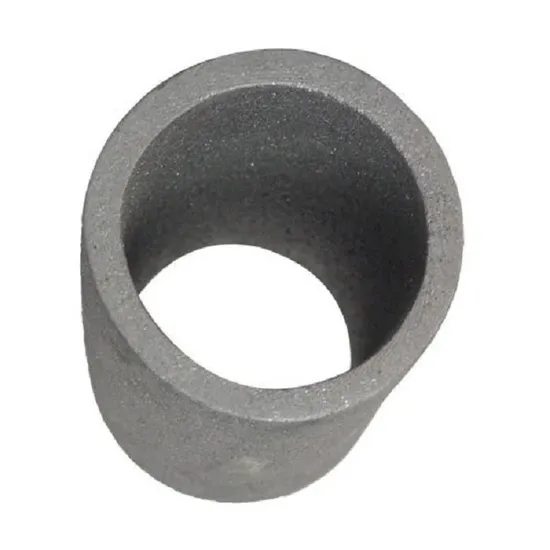
After graphitization, the tubes undergo precision CNC machining to achieve the exact dimensions, surface finish, and intricate features required by clients. This can include turning, boring, grinding, and milling. Adherence to standards like ISO 9001 and ANSI specifications for dimensional tolerance and material properties is verified. Our internal testing procedures include density checks, electrical resistivity measurements, thermal conductivity analysis, and flexural strength tests, ensuring every batch of graphite tubes for sale meets the highest performance criteria.
8. Quality Control and Certification
Throughout the entire process, rigorous quality control checks are performed. Final products are inspected for dimensional accuracy, material purity, and structural integrity. Certifications such as ISO 9001:2015 ensure that manufacturing processes consistently meet international quality management standards, providing assurance of product reliability and performance.
Technical Specifications and Advantages
The unique properties of graphite make it an ideal material for a wide array of high-performance applications. Here are key technical specifications and the advantages they confer:
Key Material Properties of Graphite Tubes:
- Exceptional Thermal Resistance: Graphite maintains its structural integrity and strength even at extreme temperatures, often exceeding 2500°C in non-oxidizing atmospheres.
- High Thermal Conductivity: With thermal conductivity comparable to metals like copper, graphite facilitates efficient heat transfer, crucial for heat exchangers and furnace components.
- Excellent Electrical Conductivity: Its conductive properties make it suitable for electrodes, heating elements, and current-carrying components.
- Chemical Inertness: Graphite is highly resistant to most acids, alkalis, and corrosive gases, even at elevated temperatures, which is critical in chemical processing and metallurgy.
- Low Coefficient of Thermal Expansion (CTE): Its low CTE minimizes thermal stress and deformation, ensuring dimensional stability under rapid temperature fluctuations.
- Good Machinability: Graphite can be precisely machined into complex shapes and tight tolerances using conventional and CNC methods.
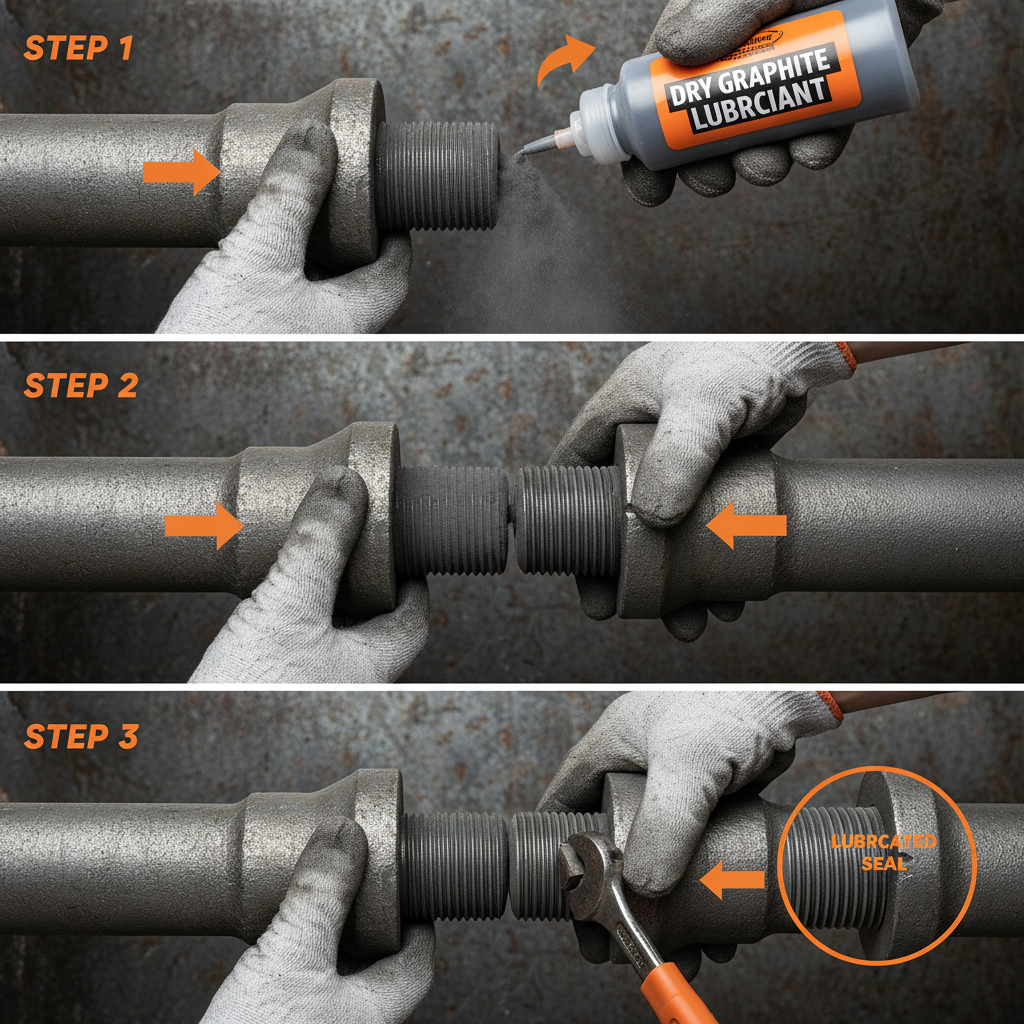
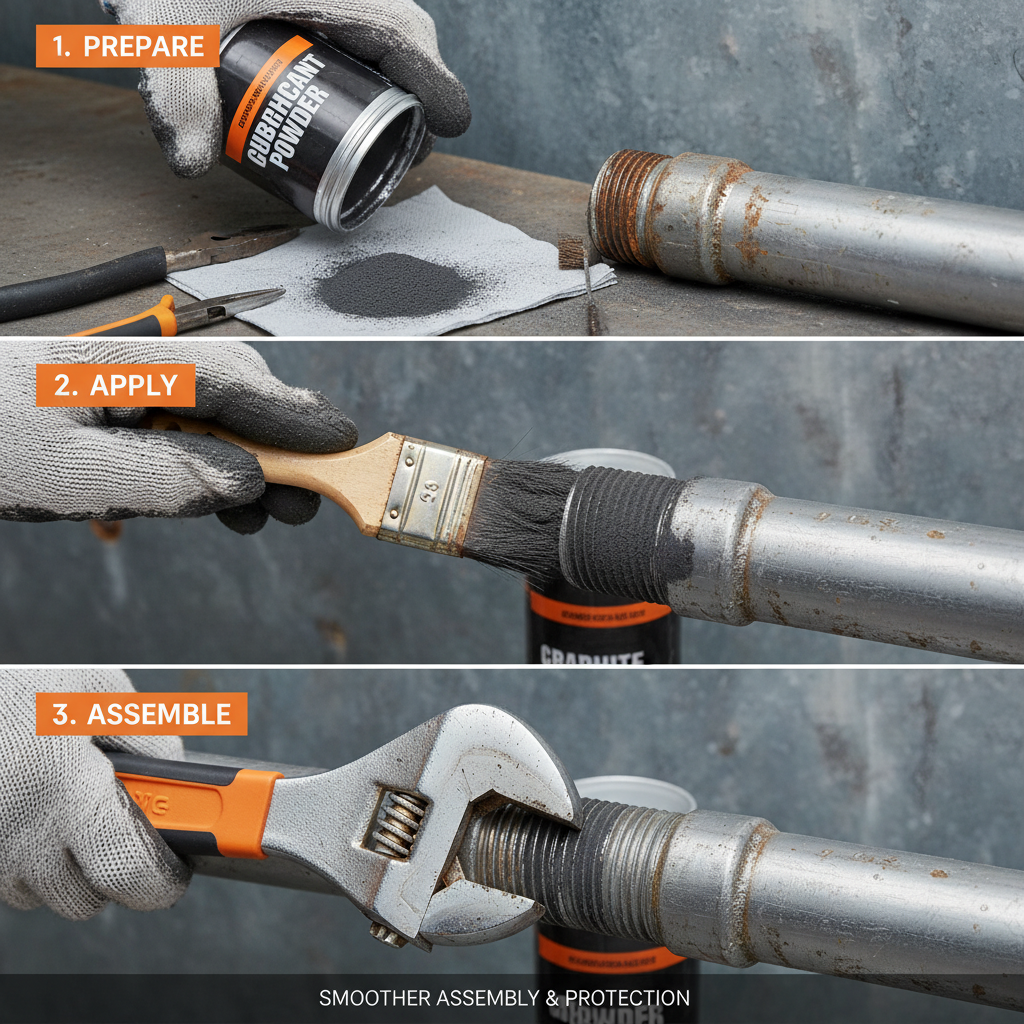
- Self-Lubricating Properties: The layered structure of graphite provides natural lubricity, reducing friction and wear in certain applications.
Product Specification Table: High-Purity Graphite Tube (Typical Values)
| Parameter | Unit | Typical Value (Grade A) | Typical Value (Grade B) |
|---|---|---|---|
| Bulk Density | g/cm³ | 1.85 - 1.95 | 1.78 - 1.85 |
| Compressive Strength | MPa | 50 - 70 | 40 - 55 |
| Flexural Strength | MPa | 25 - 40 | 20 - 30 |
| Shore Hardness | HSD | 60 - 75 | 50 - 65 |
| Ash Content | ppm | < 50 | < 100 |
| Specific Electrical Resistivity (RT) | µΩ·m | 8 - 12 | 10 - 15 |
| Thermal Conductivity (RT) | W/(m·K) | 120 - 180 | 100 - 150 |
| Max Operating Temp (Non-oxidizing) | °C | 2800 | 2500 |
These specifications underscore why graphite tubes are favored in environments where conventional materials fail, offering enhanced operational reliability and extended service life.
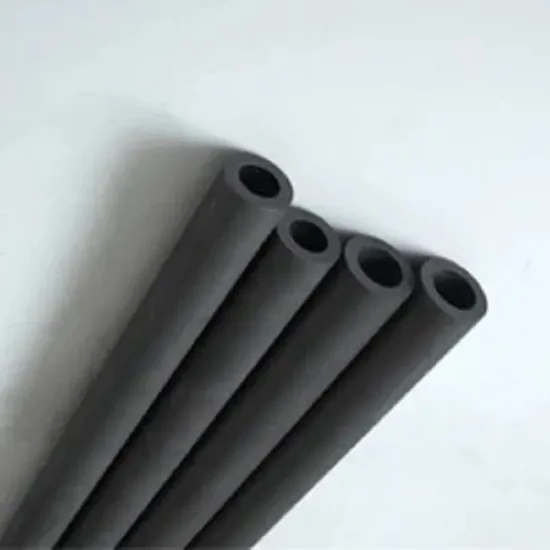
Application Scenarios and Target Industries
The versatility of graphite tubes makes them indispensable across a diverse range of critical industrial applications. Their unique properties enable significant advantages such as energy saving, superior corrosion resistance, and prolonged operational life.
Target Industries:
- Petrochemical and Chemical Processing: Used in heat exchangers, distillation columns, and reactors where high temperatures and corrosive chemicals (e.g., strong acids like sulfuric, phosphoric, or hydrofluoric acid) demand chemically inert and robust materials. Graphite tubes facilitate energy saving through efficient heat transfer.
- Metallurgy and Foundry: Essential for vacuum furnaces, induction furnaces, and continuous casting dies (graphite die tubes). Their high thermal shock resistance and non-wetting properties with molten metals (e.g., aluminum, copper, precious metals) prevent adhesion and ensure smooth casting processes.
- Semiconductor Manufacturing: Critical for producing high-purity silicon crystals and other semiconductor materials, where ultra-pure graphite crucibles and heating elements prevent contamination.
- Aerospace and Defense: Employed in components requiring lightweight, high-temperature resistance, and structural integrity.
- Nuclear Energy: Used as moderators and reflectors in nuclear reactors due to their neutron moderation properties and high-temperature performance.
- Water Supply & Drainage / Environmental: In specialized filtration and treatment systems, particularly those involving corrosive or high-temperature effluents, where their chemical resistance is crucial for system longevity.
Typical Application Scenarios:
- Heat Exchangers: Graphite tubes form the core of heat exchangers in corrosive environments, efficiently transferring heat without degradation, leading to significant energy saving and reduced maintenance.
- Resistance Heating Elements: Their excellent electrical conductivity and high temperature stability make them ideal for heating elements in industrial furnaces, enabling precise temperature control and long service life.
- Protection Tubes: Used to shield thermocouples and other sensors in high-temperature, corrosive atmospheres, extending the life of sensitive instrumentation.
- Continuous Casting Dies: As graphite die tube components, they are critical in continuous casting of non-ferrous metals, ensuring smooth operation and high-quality finished products.
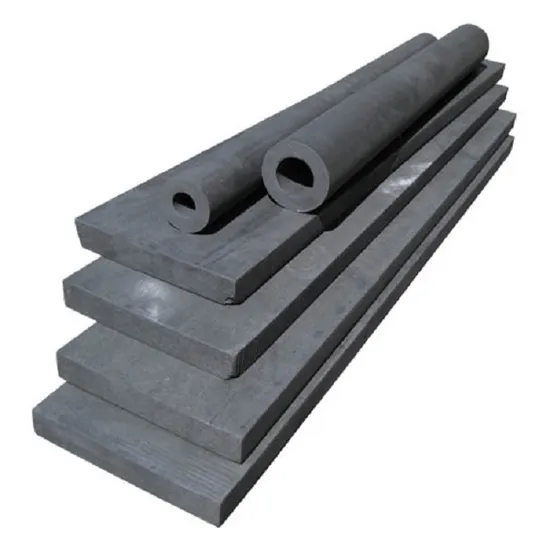
Vendor Comparison and Customization Options
When considering graphite tubes for sale, evaluating potential vendors is crucial. Key differentiators often include material purity, manufacturing precision, customization capabilities, and post-sales support.
Vendor Comparison Considerations:
| Feature | Leading Manufacturer (e.g., NL Graphite) | Standard Supplier |
|---|---|---|
| Material Purity (Ash Content) | < 50 ppm (often as low as 5 ppm for specialty grades) | < 100-300 ppm |
| Dimensional Tolerance | ±0.05 mm to ±0.1 mm, depending on size and complexity | ±0.2 mm to ±0.5 mm |
| Surface Finish (Ra value) | < 3.2 µm (highly polished surfaces available) | < 6.3 µm |
| Lead Time for Custom Orders | Typically 2-4 weeks (expedited options available) | 4-8 weeks or longer |
| Certifications | ISO 9001:2015, full material traceability | Varies, often basic quality control |
| Technical Support | Dedicated engineering support, application consulting | Limited to product catalog information |
Customized Solutions:
Recognizing that off-the-shelf solutions rarely fit every unique industrial requirement, leading manufacturers offer extensive customization. This includes:
- Material Grades: Selection of specific graphite grades (e.g., fine grain, medium grain, extruded, molded, iso-statically pressed) with tailored properties such as ultra-high purity, enhanced strength, or specific electrical resistivity.
- Dimensions and Geometry: Precision machining to exact outer diameters, inner diameters, lengths, and wall thicknesses. Complex internal or external geometries can be achieved via advanced CNC machining.
- Surface Treatments: Application of coatings (e.g., pyrolytic graphite, silicon carbide) to improve oxidation resistance, hardness, or prevent specific chemical reactions in hostile environments.
- Tolerances: Capability to meet extremely tight dimensional tolerances for critical applications in semiconductor or aerospace industries.
- Assembly and Fabrication: Providing finished assemblies, including joining graphite tubes with other components or materials, streamlining customer integration.
Our commitment to delivering highly specialized graphite tubes for sale ensures that clients receive components perfectly optimized for their specific operational challenges.
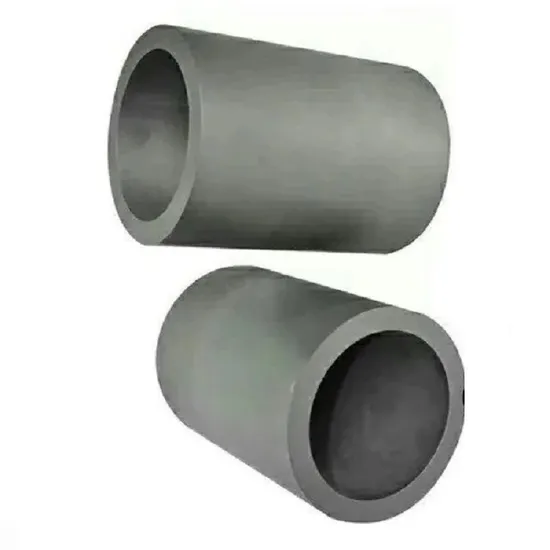
Application Case Studies and Customer Feedback
Real-world application demonstrates the tangible benefits of high-quality graphite tubes. Our company, with over 20 years of expertise in graphite manufacturing, has partnered with numerous industry leaders to deliver bespoke solutions.
Case Study 1: Heat Exchanger Upgrade in Chemical Processing
"A major chemical producer faced recurring failures in their steel heat exchangers due to severe corrosion from hot phosphoric acid. Traditional materials lasted only 6-8 months, leading to significant downtime and replacement costs. We engineered custom-fabricated graphite tubes from an impermeable grade, replacing the metallic components. Post-installation, the graphite heat exchanger has operated flawlessly for over 3 years without any signs of degradation, drastically reducing maintenance and improving plant uptime. The client reported a 40% reduction in replacement costs and a significant boost in operational efficiency."
Case Study 2: Optimized Continuous Casting for Non-Ferrous Alloys
"A foundry specializing in brass and bronze alloys struggled with consistency and surface finish in their continuous casting process, often experiencing molten metal sticking to the steel dies. After consulting with our engineers, they implemented our precision-machined graphite die tube inserts. The non-wetting property and thermal stability of graphite eliminated sticking, resulting in superior surface finish and a 15% increase in casting speed. The client praised the exceptional durability and consistent performance of our graphite components."
These examples highlight our company's commitment to delivering authoritative solutions and our proven experience in solving complex industrial challenges through expert application of graphite technology.
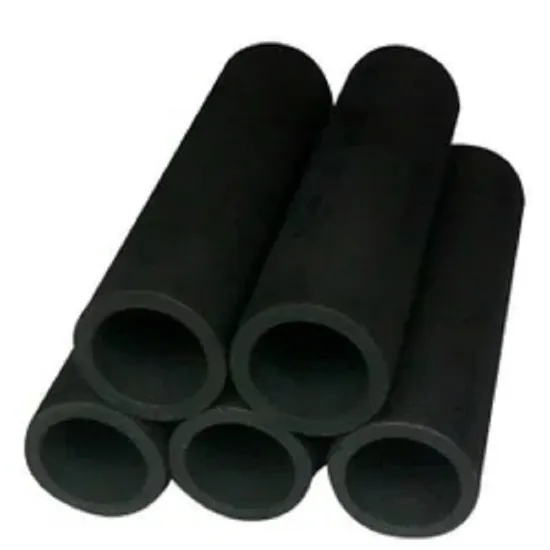
Trustworthiness: FAQ, Lead Time, Warranty, and Support
At NL Graphite, we prioritize transparency and customer satisfaction. This section addresses common inquiries and outlines our commitment to service.
Frequently Asked Questions (FAQ):
- Q: What is the typical service life of your graphite tubes?
A: The service life varies significantly depending on the specific application, operating temperature, chemical environment, and mechanical stresses. However, our high-purity, dense graphite tubes are engineered for exceptional longevity, often outperforming metallic alternatives by factors of 3-5x or more in harsh conditions. Regular maintenance and adherence to operating guidelines extend service life. - Q: Can you provide ultra-high purity graphite tubes for semiconductor applications?
A: Absolutely. We offer specialized purification processes, including halogen purification at high temperatures, to achieve ash content levels below 5 ppm, meeting the stringent requirements for semiconductor and other ultra-sensitive applications. - Q: How do I specify the correct graphite grade for my application?
A: Our team of experienced engineers is available for consultation. We work closely with clients to understand their operational parameters (temperature, pressure, chemical exposure, mechanical loads) to recommend the optimal graphite grade and design for their specific needs.
Lead Time and Fulfillment:
Standard lead times for readily available dimensions of graphite tubes typically range from 1-2 weeks. For custom-machined or specialized graphite tubes, lead times are generally 2-4 weeks, depending on complexity and material availability. We employ efficient production scheduling and maintain strategic inventory levels to ensure timely delivery. Expedited options are available for urgent requirements.
Warranty Commitments:
NL Graphite stands behind the quality of its products. All graphite tubes for sale are manufactured under strict ISO 9001:2015 certified quality management systems and are warranted against manufacturing defects for a period of 12 months from the date of shipment. We ensure that our products meet or exceed the agreed-upon technical specifications and performance criteria.
Customer Support and After-Sales Service:
Our commitment extends beyond delivery. We provide comprehensive after-sales support, including:
- Technical Assistance: Our engineering team is available to assist with installation guidelines, troubleshooting, and optimization of graphite components in your processes.
- Application Reviews: Periodic reviews to ensure continued optimal performance and explore opportunities for further process improvement.
- Replacement and Spares: Streamlined ordering process for replacement parts and spares to minimize any potential downtime.
This holistic approach guarantees that our clients receive not just products, but complete, reliable solutions backed by expert support.
Conclusion
The advanced properties of graphite make graphite tubes an indispensable material for industries operating under extreme conditions. From the precise control of their manufacturing process to their critical roles in petrochemical, metallurgical, and semiconductor applications, these components offer unparalleled performance, durability, and cost-effectiveness. By choosing a reputable supplier offering tailored solutions and robust support, businesses can leverage the full potential of graphite technology to enhance their operational efficiency and competitive advantage.
We encourage B2B decision-makers and engineers to explore how our specialized graphite tubes can address their specific industrial challenges and contribute to long-term success.
References
- International Organization for Standardization (ISO). ISO 9001:2015 Quality management systems — Requirements.
- American National Standards Institute (ANSI). Various material and dimensional standards.
- Pierson, H. O. (1993). Handbook of Carbon, Graphite, Diamonds and Fullerenes: Properties, Processing and Applications. Noyes Publications.
- Kelly, B. T. (1981). Physics of Graphite. Applied Science Publishers.
- Materials Science and Engineering: An Introduction, William D. Callister, Jr., David G. Rethwisch.
 Pervious
 Next
Next