

- Englist



Need a cellulose acetate tow manufacturer with ISO quality?

Inside the supply chain: cellulose acetate tow for high-performance filter rods
If you work in filtration or tobacco OEM, you’ve probably noticed how the market has shifted—tight tolerance demands, greener chemistries, and shorter lead times. I spent a week touring a plant in Hebei and came back convinced that picking the right cellulose acetate tow manufacturer can quietly make or break your yield rates.
Product snapshot
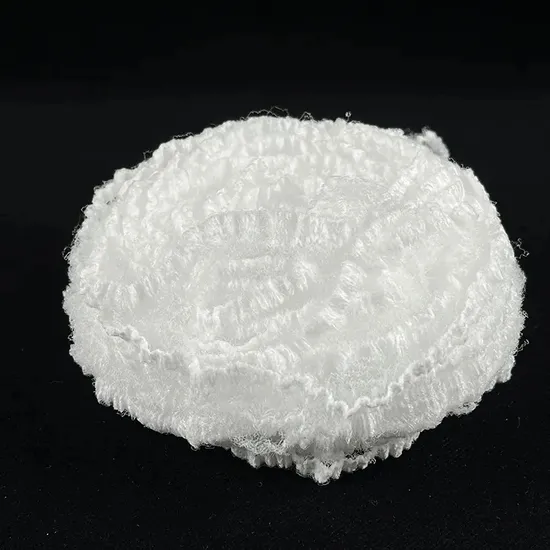
Product: Hot Sell for Filter Rods Cellulose Acetate 100% Tow (CAS 9004-35-7; Formula ≈ (C6H7O2(OH)3)n). Customization available. Origin: Qiujing Yiyuan, No. 189, East 2nd Ring North Rd, Chang'an District, Shijiazhuang, Hebei Province.
| Spec | Typical Range (≈, real-world may vary) |
|---|---|
| Denier per filament (dpf) | 2.5–3.6 dpf |
| Total tow denier | 30,000–60,000 |
| Crimp count | 35–45 per 25 mm |
| Moisture | 6–8% |
| Compatible plasticizer | Triacetin (TA), others on request |
| Filter pressure drop (rod, 7.8–8.2 mm) | 80–140 Pa/cm (ISO 6565) |
| Shelf life | ≈24 months sealed; 20–25°C; RH 50–65% |
Process flow (how it’s really made)
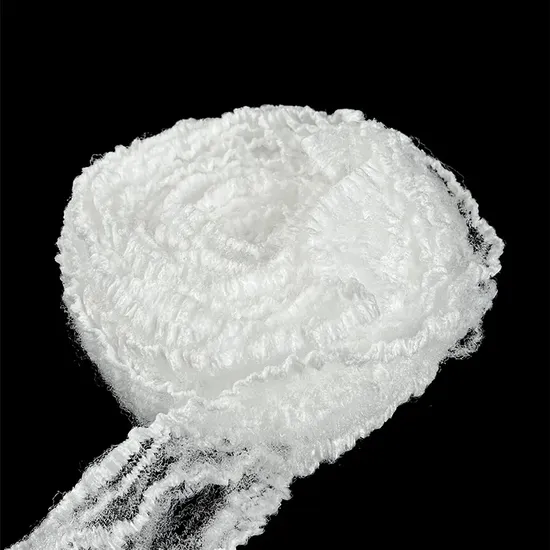
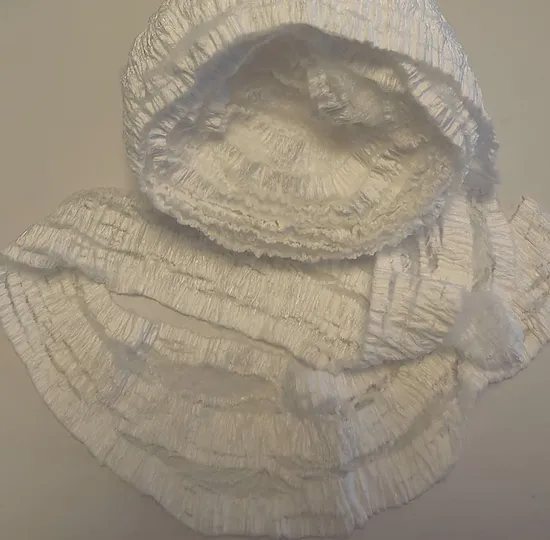
Materials: purified cellulose → acetylation → cellulose acetate flakes (CAS 9004-35-7). Methods: dry spinning into multifilament tow, crimping for bulk, banding, baling. In rod-making, the tow opens, plasticizer (usually triacetin) is applied, paper wrapped, cut. Testing hits ISO 1973 (linear density), ISO 5079 (single-fiber strength), and ISO 6565 (pressure drop for rods). To be honest, the crimp uniformity and moisture control are where many plants win or lose uptime.
Applications and industries
- Filter rods for tobacco and reduced-risk formats (consistent PD is crucial).
- Specialty filtration: lab sticks, air sampling tips, niche liquid filtration where acetyl content matters.
- Personal care: applicators, swabs (select grades).
Many customers say switching to tighter dpf spread stabilized pressure drop by ≈5–8% across shifts—small on paper, big in scrap reduction.
Why this supplier stands out
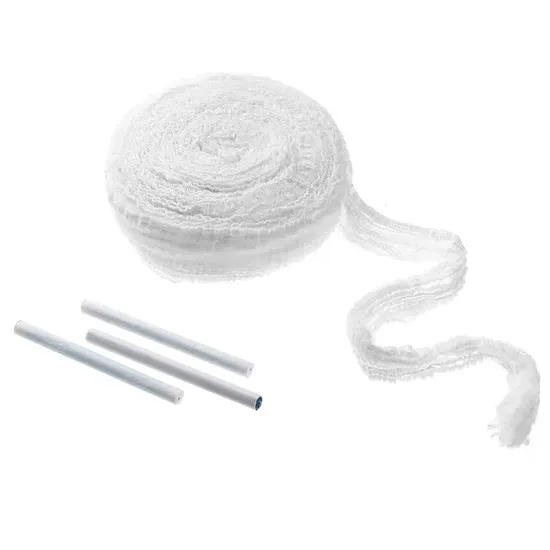
- Customization: denier, crimp, acetyl content, plasticizer affinity.
- Certifications: ISO 9001 quality, ISO 14001 environmental; REACH-ready documentation.
- Traceability: bale-level QC with retained samples; data packs on request.
| Vendor | Denier Range | Lead Time | Certs | Notes |
|---|---|---|---|---|
| Hebei supplier (this product) | 30k–60k total | 2–4 weeks | ISO 9001/14001 | Agile customization; strong PD stability |
| EU supplier A | 40k–60k | 4–8 weeks | ISO 9001/14001 | Premium pricing; robust QA |
| Regional trader B | Varies | In stock/spot | Mixed | Check provenance; test batches |
Case study (quick take)
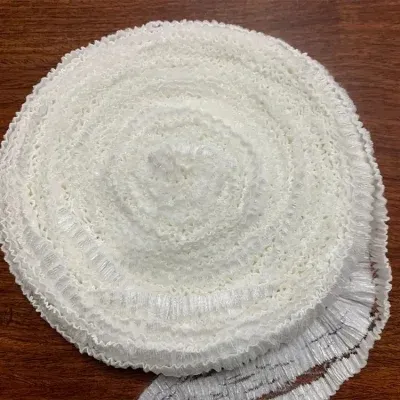
A mid-size rod plant in Southeast Asia switched to this tow with a slightly lower dpf and tighter crimp window. Over 90 days, scrap from PD out-of-spec dropped 11.6%, and rod weight SD tightened from 0.018 g to 0.014 g (ISO 6565 conditions, same paper and TA rate). Operators said, “less fiddling with oil rate,” which, frankly, is what you want on night shifts.
Ordering, testing, and support
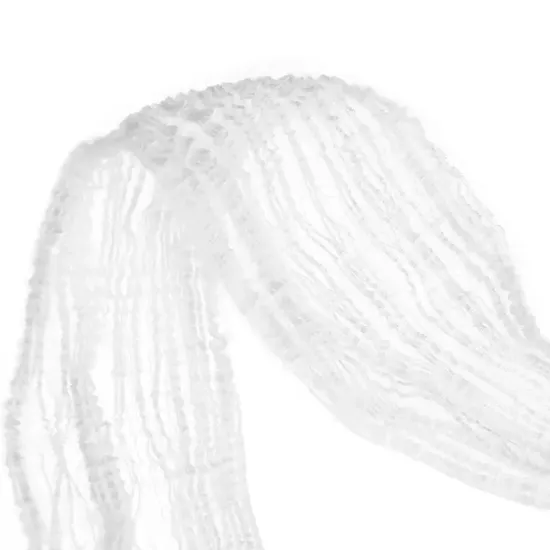
MOQ is flexible; samples available. Routine tests include ISO 1973 linear density, ISO 5079 fiber strength, and ISO 6565 rod pressure drop. Documentation: COA, MSDS, and REACH statements. Storage: keep sealed, temper for 24 h before running. If you’re scouting a cellulose acetate tow manufacturer for Q4 ramp-up, lock in specs early—acetyl content and crimp are the levers you’ll tune most.
References
- ISO 6565: Tobacco and tobacco products — Draw resistance of cigarettes and pressure drop of filter rods.
- ISO 1973: Textile fibres — Determination of linear density — Gravimetric method.
- ISO 5079: Textile fibres — Determination of breaking force and elongation at break of individual fibres.
- CAS Registry 9004-35-7 — Cellulose acetate, chemical identity and nomenclature.
 Pervious
 Next
Next