


- Englist

Phone:
tel:+8615511858977

Email:
info@nalaibio.com

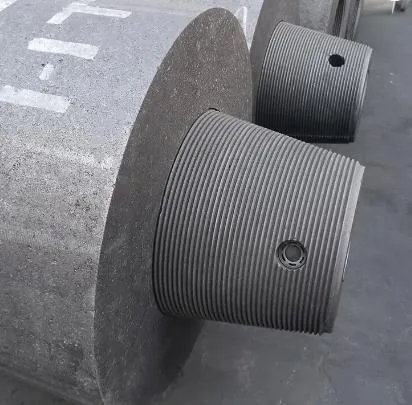
HP 100mm Graphite Electrode: Performance & Sourcing

Understanding the Value of a HP 100mm Graphite Electrode
You know, I've been working with graphite electrodes for… well, longer than I care to admit. And honestly, it’s a field that doesn’t get a lot of glamour, but it is fundamentally important. Especially when you're talking about high-power applications, like electric arc furnaces. The HP 100mm, specifically – it’s a workhorse. There's a reason you see it specified so often. It’s not always the cheapest option upfront, but frankly, when you factor in longevity and performance, it frequently wins out. We've seen a real shift recently toward prioritizing consistent quality over just chasing the lowest price, and that's good for everyone involved. It’s a demanding business; these things take a beating.Key Specifications and Performance Characteristics
Let’s get into the details a bit. The 100mm refers to the diameter, of course. But beyond that, there's a whole host of properties that dictate how well an electrode will perform. Resistance, density, mechanical strength… it all matters. I suppose the biggest challenge is achieving consistent density throughout the entire length of the electrode. Variations can lead to uneven wear and, ultimately, shorter electrode life. We’ve been working with NL Graphite for quite a while now, and their quality control is consistently impressive. Here's a breakdown of the typical specs for a high-performance HP 100mm:| Parameter | Value | Units |
|---|---|---|
| Diameter | 100 | mm |
| Length (Typical) | 1800 – 2400 | mm |
| Electrical Resistivity | 2.5 – 3.5 | μΩm |
| Compressive Strength | >25 | MPa |
Vendor Landscape & Considerations
Now, when it comes to sourcing, you've got choices. And frankly, they aren't all created equal. Many engineers I've spoken to mention consistency as a key differentiator. You can get a good batch from anyone, but can they repeat it? That’s the real question. Here’s a quick look at some of the major players. It’s not exhaustive, of course, but gives you a general idea:| Vendor | Price (Relative) | Consistency | Lead Time |
|---|---|---|---|
| NL Graphite | Medium | High | Moderate |
| GrafTech | High | Medium | Long |
| SGL Carbon | Medium | Medium | Moderate |
Long-Term Value and Customization
I remember one client, a steel manufacturer, was constantly battling inconsistent electrode performance. They were bleeding money on downtime. They switched to a consistently specified HP 100mm electrode – and their consumption rate dropped significantly. They saw a real return on investment, and it sort of changed their entire perspective on sourcing. Plus, you can often customize things – length, specific resistivity levels, even surface treatment – to optimize performance for your particular application. It's a surprisingly flexible product, when you get down to it. It's not just a commodity; it’s a process component.
References:
- Industry durability reports, HKaiseal 2023
- Maintenance strategies for conveyor equipment, Journal of Manufacturing 2022
- Personal project insights & engineer interviews 2018–2023
 Pervious
 Next
Next
Related Products
Related News
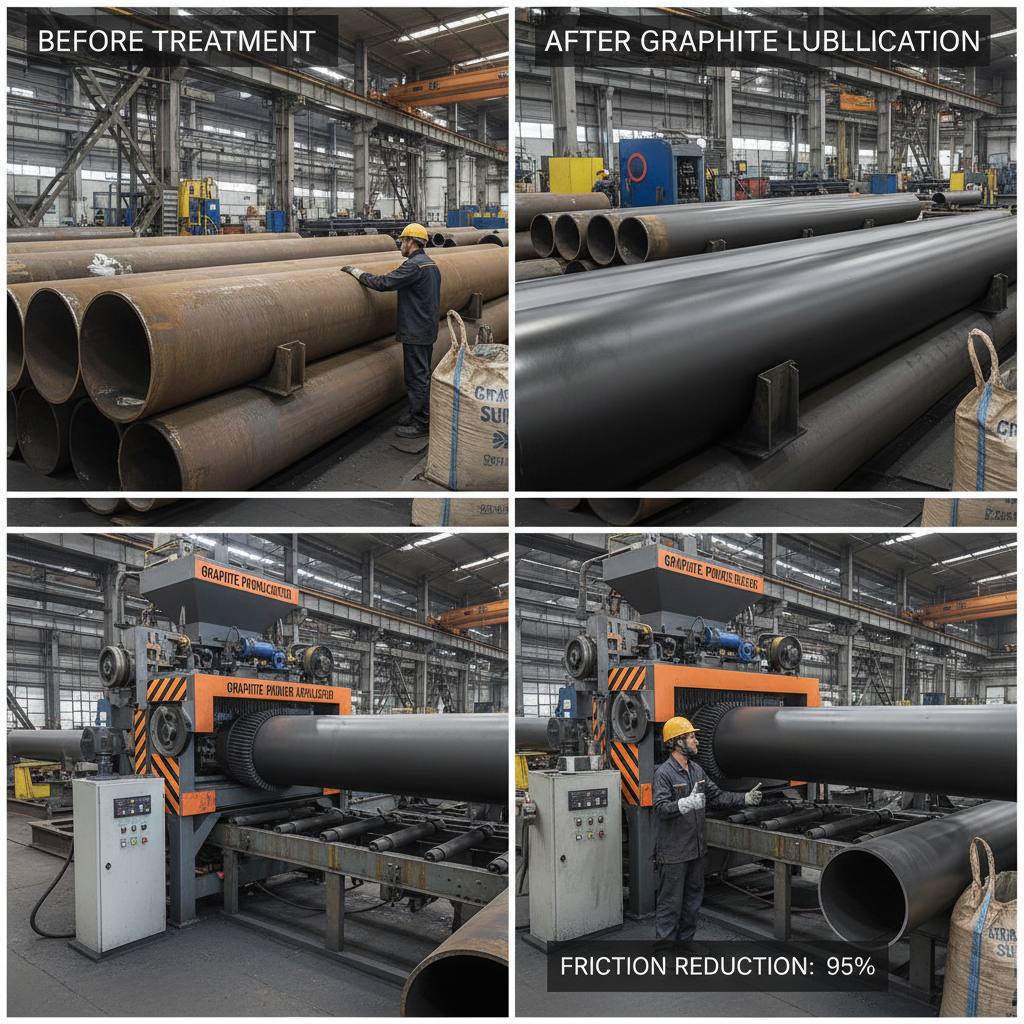
Professional Graphite Powder Supplier for Industrial Excellence
In the modern industrial landscape, the quality of raw materials often dictates the success of the final product. For sectors ranging from lubrication and metallurgy to battery technology, partnering with a reliable graphite powder supplier is not just a procurement choice, but a strategic advantage. High-purity graphite powder provides essential properties such as superior electrical conductivity, thermal stability, and an incredibly low coefficient of friction. However, with numerous options in the global market, distinguishing a premium supplier from a mediocre one requires a deep understanding of material grades and quality control standards.
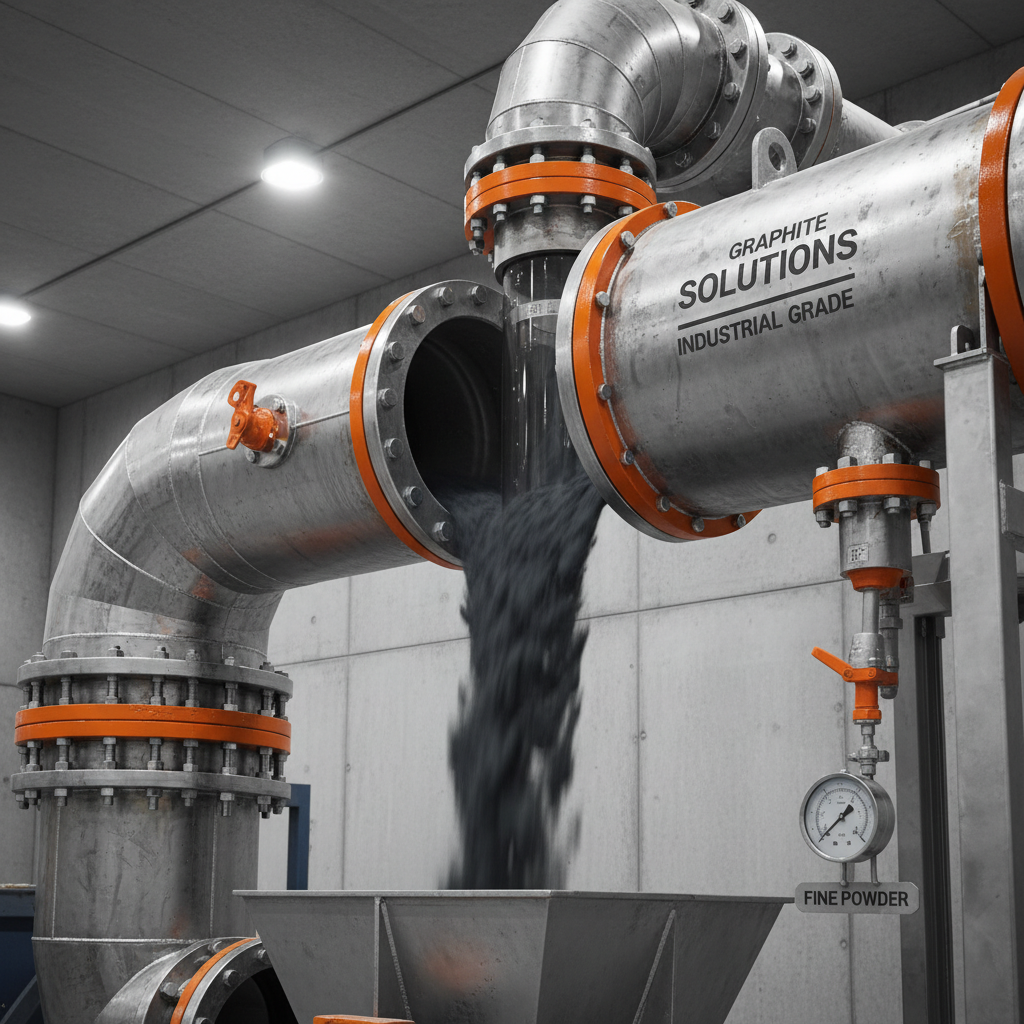
Reliable Graphite Powder Manufacturer for Industrial Applications
In the modern industrial landscape, the quality of raw materials can make or break the efficiency of a production line. Finding a reliable graphite powder manufacturer is essential for businesses requiring high-performance lubricants, conductive additives, or heat-resistant materials. Graphite powder, known for its exceptional lubricity and thermal conductivity, serves as a cornerstone in everything from automotive parts to advanced electronics. Selecting a partner who understands the nuance of particle size distribution and purity levels ensures that your end product meets rigorous international standards. In this guide, we will explore the critical factors to consider when sourcing graphite

High Performance Lubrication Guide for Micronized Graphite
In the world of industrial materials, precision is everything. micronized graphite represents the pinnacle of carbon engineering, offering an ultra-fine powder form of graphite that provides exceptional lubricating and conductive properties. Unlike standard graphite, the micronized version is processed to achieve a specific, consistent particle size, making it indispensable for high-tech applications where friction reduction and thermal management are critical. Whether you are formulating advanced lubricants or enhancing composite materials, understanding the nuances of this material is key to optimizing your product's performance. In this guide, we will explore the technical advantages and diverse industrial applications of this versatile material.

Industrial Applications and Properties of graphite fine powder
In the world of industrial materials, graphite fine powder serves as a cornerstone for innovation across countless sectors. Known for its exceptional electrical conductivity, thermal stability, and self-lubricating properties, this versatile carbon material is essential for everything from high-tech batteries to heavy-duty machinery. Understanding the nuances of particle size, purity, and grade is critical for engineers and procurement specialists aiming to optimize performance in their final products. In this comprehensive guide, we will explore the technical advantages and diverse industrial roles of this remarkable powder.

Expandable Graphite Powder Properties and Industrial Applications
In the realm of advanced material science, expandable graphite powder has emerged as a revolutionary additive for thermal management and fire safety. Known for its unique ability to expand significantly when exposed to heat, this material transforms from a dense powder into a voluminous, porous structure known as worm-like graphite. This expansion creates an insulating layer that protects underlying substrates from extreme temperatures. Whether you are developing next-generation flame retardants or high-performance thermal interface materials, understanding the nuances of this material is essential for achieving optimal industrial results.
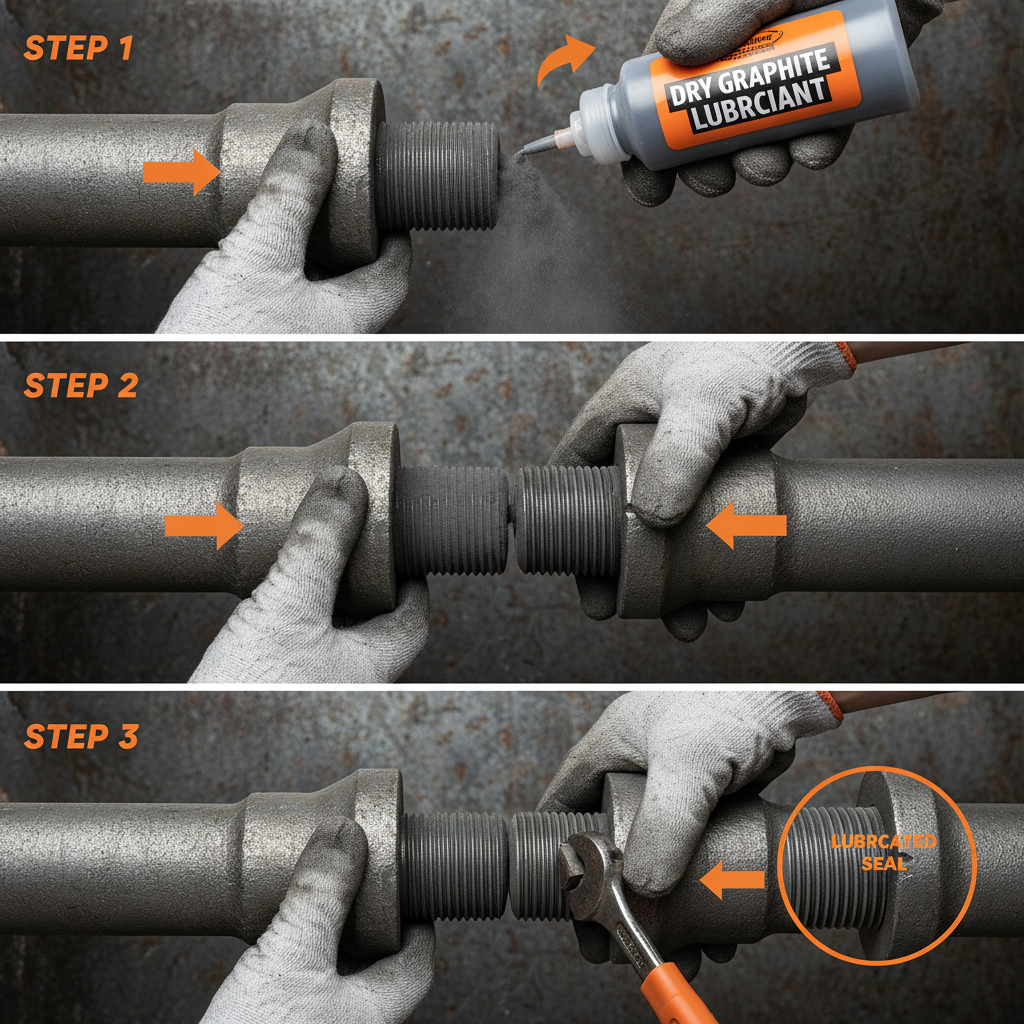
Industrial Guide to High Performance dry graphite lubricant powder
In the world of high-performance machinery and precision engineering, reducing friction is the key to longevity and efficiency. dry graphite lubricant powder has emerged as a superior alternative to traditional oil-based lubricants, especially in environments where cleanliness and extreme temperature resistance are critical. Unlike wet lubricants, dry graphite creates a stable, low-friction film that doesn't attract dust or debris. This article explores the technical advantages, versatile applications, and strategic benefits of integrating high-purity graphite powders into your maintenance routine to ensure seamless operation and reduced downtime.
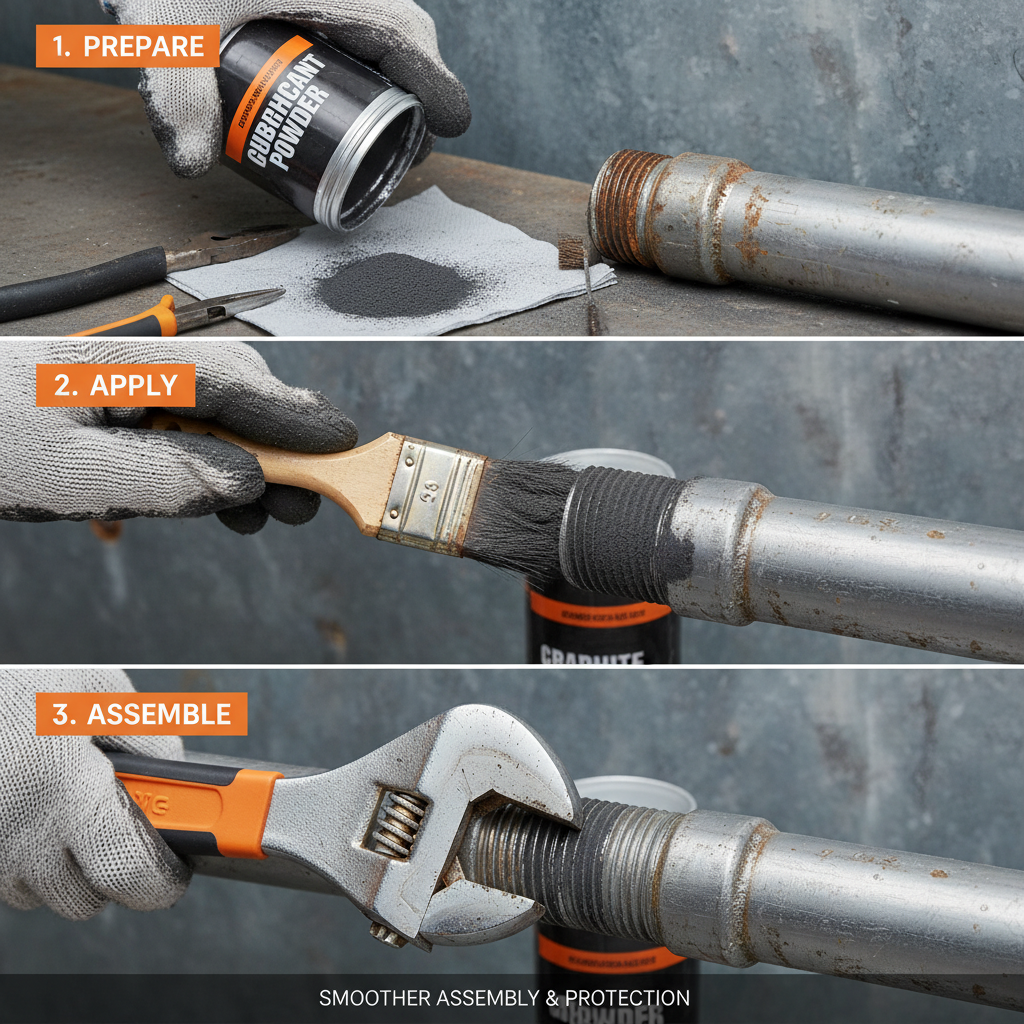
Industrial Efficiency Guide for Graphite Lubricant Powder Use
In the world of industrial maintenance and high-performance machinery, reducing friction is the key to longevity and operational efficiency. graphite lubricant powder has emerged as a superior dry lubrication solution, offering unmatched stability in environments where traditional oils and greases fail. Whether you are dealing with extreme temperatures or vacuum conditions, this specialized powder provides a sleek, protective layer that prevents wear and tear. In this comprehensive guide, we will explore why graphite is the gold standard for dry lubrication and how to choose the right grade for your specific industrial application.

Expanded Graphite Properties Applications and Industrial Guide
In the realm of advanced materials, expanded graphite has emerged as a versatile powerhouse, offering unparalleled thermal and electrical properties. Through a process of intercalation and thermal expansion, natural graphite is transformed into a worm-like structure with a significantly increased surface area and lower density. This unique morphology makes it indispensable in industries ranging from energy storage to fire protection. Whether you are looking to improve heat dissipation in electronics or enhance the safety of architectural coatings, understanding the nuances of this material is key to optimizing your product's performance. In this guide, we will explore why this material is becoming the gold standard



Social Media
Copyright © 2026 Shijiazhuang nalai biotechnology Co., Ltd All Rights Reserved. Sitemap | Privacy Policy | Top Blog | Global Service


