

- Englist



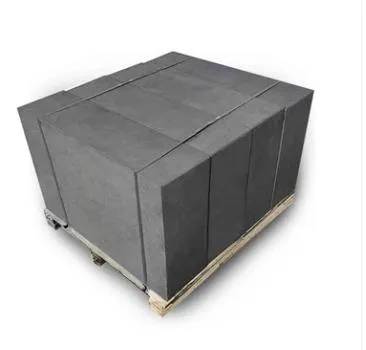
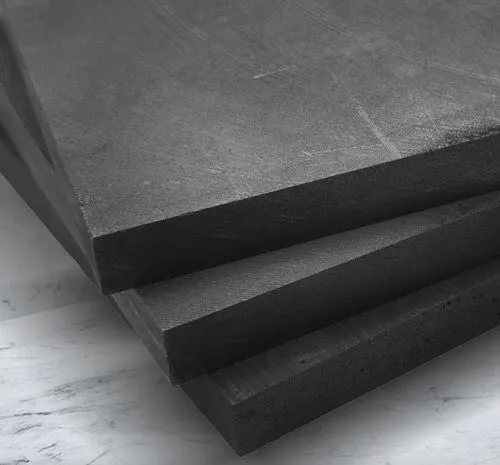
Isostatic Graphite Block – High Purity, Fine Grain, OEM

Manufacturers for Germany and Japan Isostatic Pressing Graphite Block: Field Notes from the Shop Floor
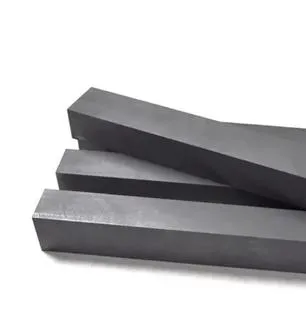
If you’ve ever machined an isostatic graphite block, you know the feeling: clean chips, consistent grain, and fewer surprises during EDM. I’ve seen a lot of carbon grades over the years; this one—made in Shijiazhuang, Hebei—keeps popping up in talks with toolmakers and furnace techs. To be honest, the buzz is warranted.
What’s trending (and why people care)
Across the chemical, electroplating, metallurgical, papermaking, and petrochemical sectors, engineers are swapping conventional carbon for isostatic graphite block because of uniform density and fine grain. Actually, many customers say the real win is process stability—fewer rejects in coating lines and steadier tooling wear in high-temp fixtures.
Process flow (real-world version)
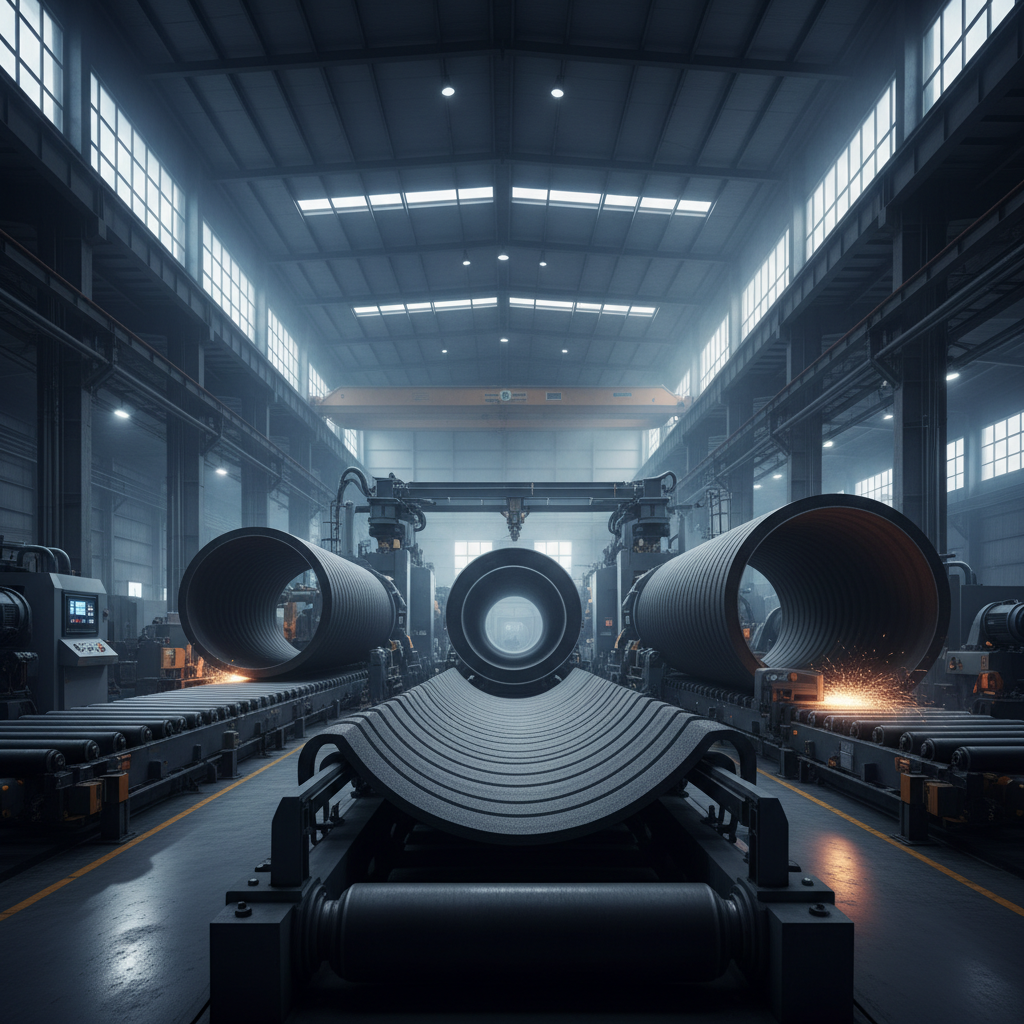
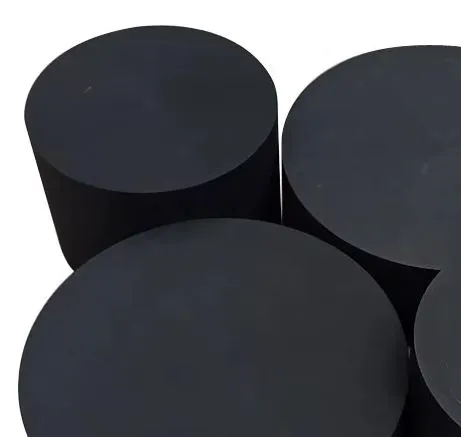
Materials: petroleum coke + pitch binder (medium-carbon class, vendor’s terminology). Methods: micronizing → cold isostatic pressing (≈100–200 MPa) → baking (≈900°C) → optional pitch impregnation → graphitization (≈2800–3000°C) → purification (low ash) → CNC finishing.
Testing: density and porosity mapping; flexural per ASTM C749; compressive per ASTM C695; resistivity per ASTM C611; ash/impurity checks; dimensional QC. Service life? In furnace trays/jigs, I’ve seen ≈1,500–2,500 hours; in EDM electrodes, throughput often improves 10–25% vs. coarse-grain grades. Real-world use may vary, of course.
Specifications at a glance
| Property | Typical | Range (≈) | Test Standard |
|---|---|---|---|
| Bulk density | 1.82 g/cm³ | 1.78–1.90 g/cm³ | Internal method; correlated to ASTM practice |
| Average grain size | ≤10 μm | 5–15 μm | Microscopy |
| Flexural strength | 45 MPa | 35–60 MPa | ASTM C749 |
| Compressive strength | 110 MPa | 90–130 MPa | ASTM C695 |
| Electrical resistivity | 12 μΩ·m | 10–15 μΩ·m | ASTM C611 |
| CTE (25–100°C) | 4.2 μm/m·K | 3.5–4.8 μm/m·K | Dilatometers |
| Fixed carbon | ≈99.5% | 99.0–99.7% | Combustion analysis |
Note: Vendor classifies this as Medium-Carbon; real-world results depend on machining, heat load, and environment.
Applications and advantages
- EDM electrodes and precision jigs: stable wear, clean edges.
- High-temp furnace fixtures: trays, supports, susceptors—excellent thermal shock resistance.
- Electroplating/chemical cells: corrosion resistance with predictable resistivity.
- Pulp/paper and petrochemical: sliding parts and seals where self-lubrication matters.
Customization is available (dimensions, porosity, impregnation). Honestly, that’s where this isostatic graphite block earns its keep—tight tolerances and repeatability save downstream headaches.
Vendor comparison (snapshot)
| Vendor | Density (≈) | Grain | Certs | Lead time | Customization |
|---|---|---|---|---|---|
| NL Graphite (Shijiazhuang, Hebei) | 1.78–1.90 g/cm³ | Fine (≤10 μm) | ISO 9001; RoHS/REACH friendly | 2–5 weeks | High (CNC, impregnation) |
| Generic Import A | 1.70–1.85 | Fine/Medium | ISO 9001 (claim) | 4–8 weeks | Moderate |
| Local Vendor B | 1.65–1.80 | Medium | Varies | 1–6 weeks | Limited |
Data reflects typical observations; verify with your RFQ and lot-specific COAs.
Field feedback and a quick case
A plating plant in NRW swapped to this isostatic graphite block for anode components; cell voltage stabilized and maintenance intervals stretched from weekly to biweekly—small change, big uptime. Similarly, a precision EDM shop in Osaka reported smoother surface finish (Ra drop ≈10–15%) with no extra burn passes. Surprisingly, both cited easier inventory planning as a major benefit.
Origin and compliance
Made in Qiujing Yiyuan, No. 189, East 2nd Ring North Road, Chang'an District, Shijiazhuang, Hebei Province. Vendor indicates ISO 9001 quality management, RoHS and REACH-conscious material controls. Always request the latest certificates per lot.
Buying tips
- Specify grain size, density, and resistivity targets, plus acceptable ranges.
- Ask for ASTM C749/C695/C611 test reports and ash analysis.
- For aggressive chemistries, consider impregnation options.
- Lock in tolerances and flatness right in the PO—saves rework.
Citations
 Pervious
 Next
Next