

- Englist


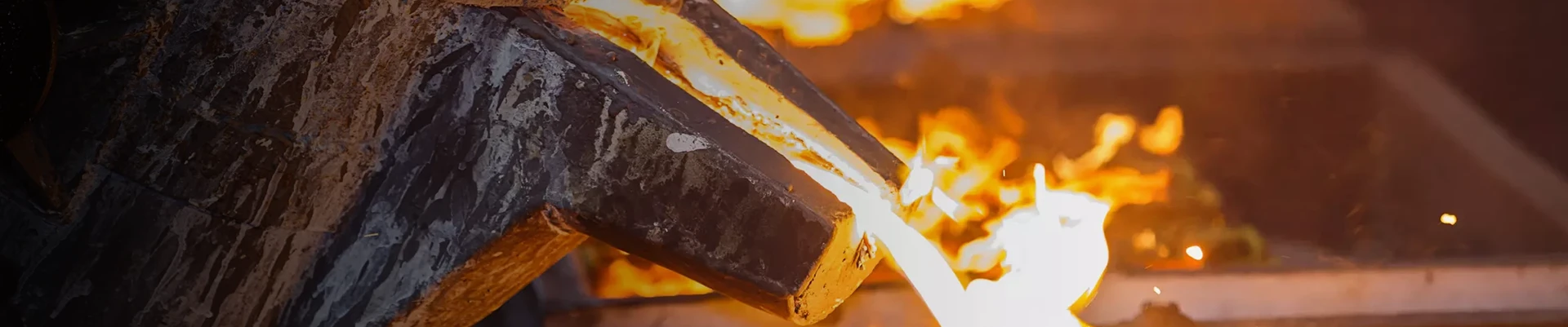
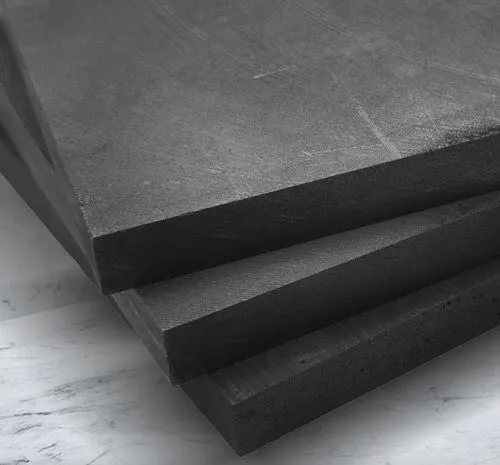
Isostatic Graphite Block | High Density, Low Porosity

Why manufacturers in Germany and Japan keep asking for the isostatic graphite block
If you work around EDM, hot zones, or electrolyzers, you already know: not all graphite is created equal. The demand curve for isostatic graphite block has bent upward the last few years—quietly, steadily—driven by tighter tolerances, cleaner chemistries, and the unglamorous need for longer service life. I’ve toured shops from Bavaria to Osaka where engineers swear by it; to be honest, I used to think it was hype. It isn’t.
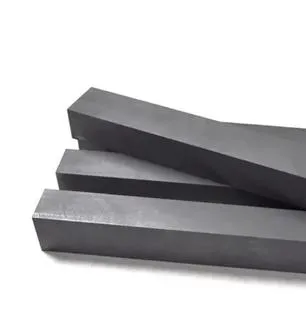
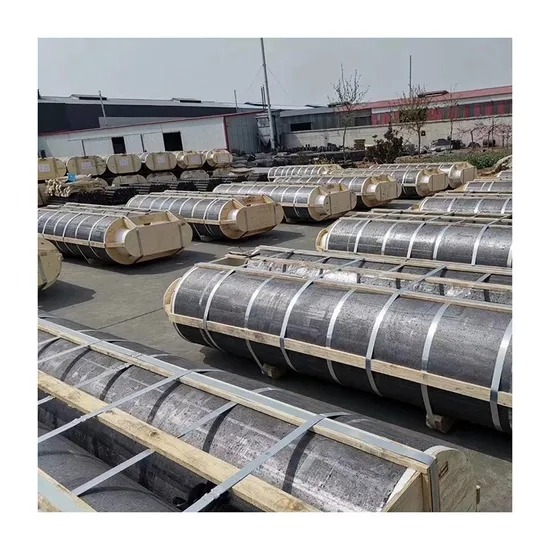
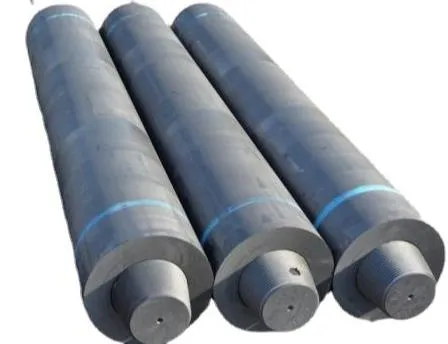
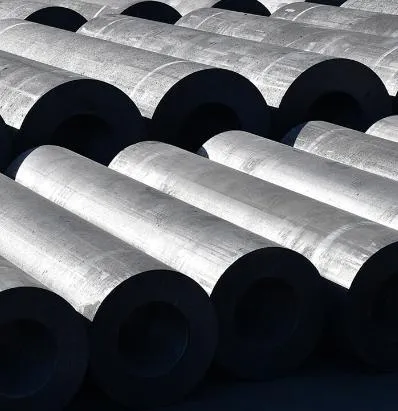
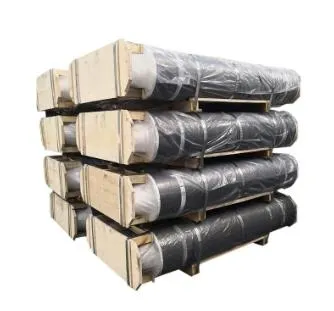
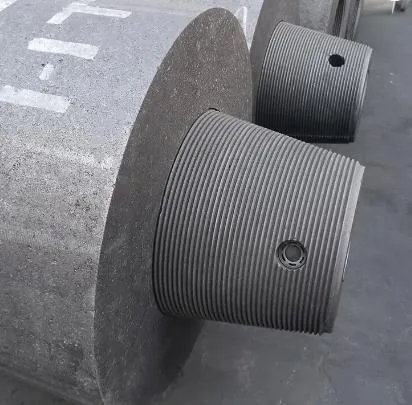
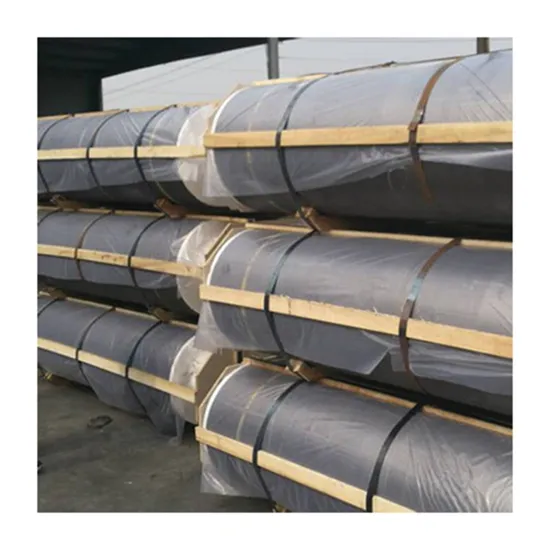
Product snapshot: Manufacturers for Germany and Japan Isostatic Pressing Graphite Block
Origin: Qiujing yiyuan, No. 189, East 2nd Ring North Road, Chang'an District, Shijiazhuang, Hebei Province. Customization: available (machining, purification, coatings). Applications: chemical, electroplating, metallurgical, papermaking, petrochemical. Carbon content: medium-carbon by default, high-purity options on request.
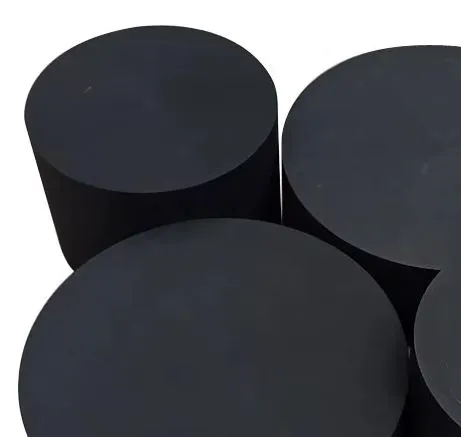
Typical specifications
| Property | Typical value (≈) | Test standard |
|---|---|---|
| Bulk density | 1.80–1.90 g/cm³ | ASTM C559 |
| Grain size | 10–20 μm | Microscopy |
| Flexural strength | 35–60 MPa | ASTM C651 |
| Compressive strength | 90–130 MPa | ASTM C695 |
| Electrical resistivity | 8–12 μΩ·m | ASTM C611 |
| CTE (RT–1000°C) | 3.0–4.5 μm/m·K | ASTM E831 |
| Ash content | ≤0.5% standard; ≤0.05% on request | ISO/ASTM methods |
| Max use temp | Up to 3000°C (inert/vacuum); limit in air ≈450–600°C | Application dependent |
Typical values; real‑world use may vary by grade, geometry, and environment.
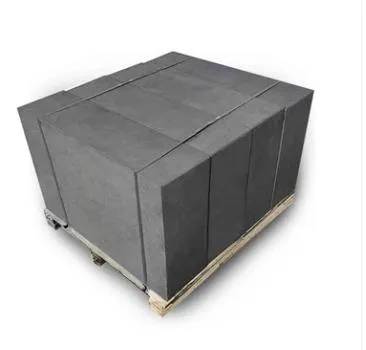
Process flow (what actually matters)
Feedstocks: premium calcined petroleum coke + pitch binder. Mixing under vacuum, then cold isostatic pressing at ≈100–200 MPa for uniform density. Baking at 800–1000°C, optional pitch impregnation, then graphitization at ≈2800–3000°C. Precision machining (typ. ±0.02–0.05 mm). QC includes density (ASTM C559), resistivity (ASTM C611), flexural/compressive strength (ASTM C651/C695), and ash analysis. Service life? In vacuum furnaces, I often hear “hundreds of thermal cycles,” especially with anti-oxidation coatings.
Where it shines
-
- EDM electrodes for fine detail and predictable wear
- Crucibles, susceptors, and trays for non‑ferrous casting and sintering
- Electroplating/anodizing anodes and current distributors (stable resistivity)
- Chemical and petrochemical seals, sliders, and corrosion‑resistant fixtures
- Papermaking dryer section components where thermal shock is a risk
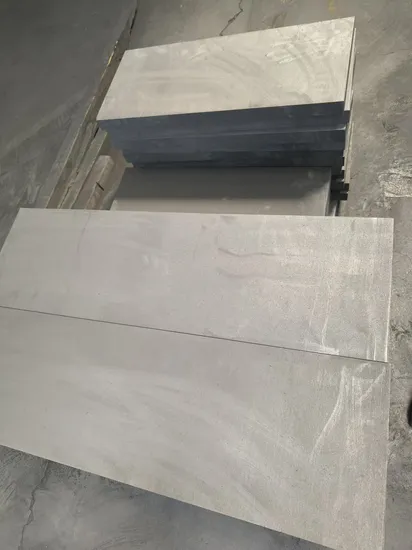
Many customers say the big win is consistency: fewer rejects from micro-porosity surprises. And yes, machinists like how clean the chips are.
Vendor snapshot (neutral view)
| Vendor | Origin | Density (≈) | Particle size (≈) | Purity tier | Certifications | Lead time |
|---|---|---|---|---|---|---|
| NL Graphite | Shijiazhuang, China | 1.82±0.03 g/cm³ | 10–20 μm | Medium to High | ISO 9001 | ≈2–4 weeks (custom) |
| SGL Carbon | Germany | 1.80–1.92 g/cm³ | ~10 μm | High | ISO 9001/14001 | ≈4–8 weeks |
| Toyo Tanso | Japan | 1.80–1.90 g/cm³ | ~10 μm | High | ISO 9001 / IATF 16949 | ≈4–8 weeks |
Data are indicative from public datasheets and buyer feedback; always verify specific grades.
Customization and coatings
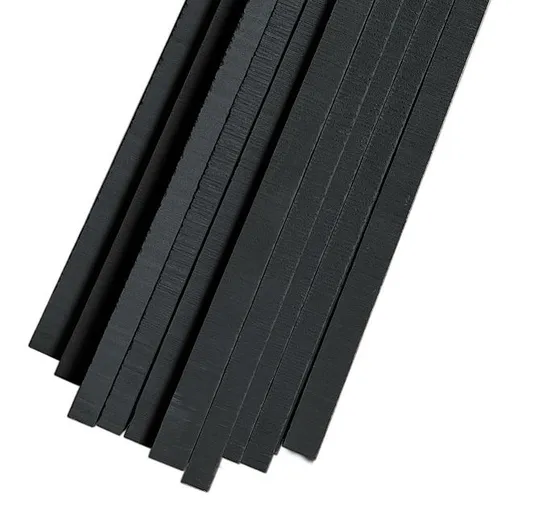
Custom blocks and near-net shapes, CNC machining, vacuum purification, SiC or phosphate anti-oxidation coatings, and infiltrations (resin/pitch) are common. For isostatic graphite block anodes, I typically recommend low-ash variants; for furnace fixtures, go with oxidation protection if air ingress is possible.
Quick case notes
-
- Osaka EDM toolmaker: swapping extruded for isostatic graphite block cut electrode wear ≈12% and reduced dressing time ≈18% (shop log, 6 months).
- German plating line: denser isostatic graphite block anodes stabilized current distribution; reported 30% fewer edge burns after 90 days, same chemistry and load.
Standards, testing, and compliance
Common references: ASTM C559, C651, C695, C611; CTE by ASTM E831. Many buyers also ask for ISO 9001 certificates, RoHS/REACH statements, and material safety data. Sensible, given traceability pressure in EU and Japan.
Citations
- ASTM C559 – Bulk Density by Physical Measurements of Manufactured Carbon and Graphite Products.
- ASTM C651 – Flexural Strength of Manufactured Carbon and Graphite Articles (Four‑Point Loading).
- ASTM C695 – Compressive Strength of Carbon and Graphite.
- ASTM C611 – Electrical Resistivity of Manufactured Carbon and Graphite Products; ASTM E831 – Linear Thermal Expansion.
 Pervious
 Next
Next