

- Englist


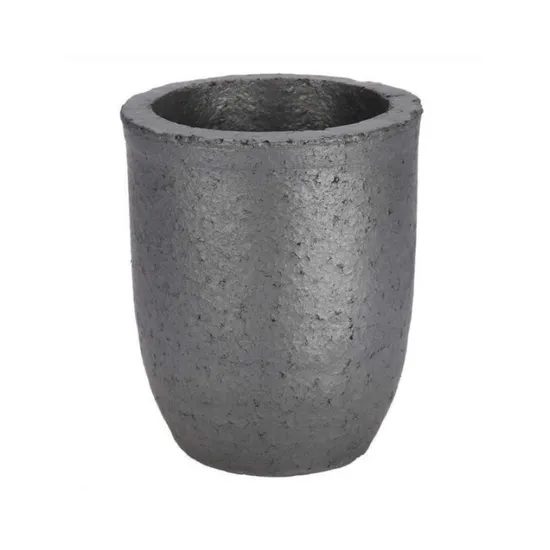
Large Graphite Crucible for Melting: Pure, Durable—Why Us?

What I’ve Learned About Choosing a Truly Capable Large Graphite Crucible
If you pour metal for a living—or even on weekends—you already know the crucible makes or breaks the run. The first time I toured a jewelry casting room in Hebei, an engineer handed me a large graphite crucible and said, “Treat it like a tool, not a consumable.” That stuck.
Why the market is leaning bigger (and smarter)
Gold recyclers, lab foundries, even boutique mints are scaling batches. The trend? Fewer melts, bigger charges, tighter thermal control. It sounds obvious, but large graphite crucible design has changed: higher density bodies, anti-oxidation impregnation, and compression moulding that actually stands up to induction cycling. Many customers say they’re getting 2–3x the service life when they match crucible grade to alloy and flux. It’s not hype; it’s materials science catching up.
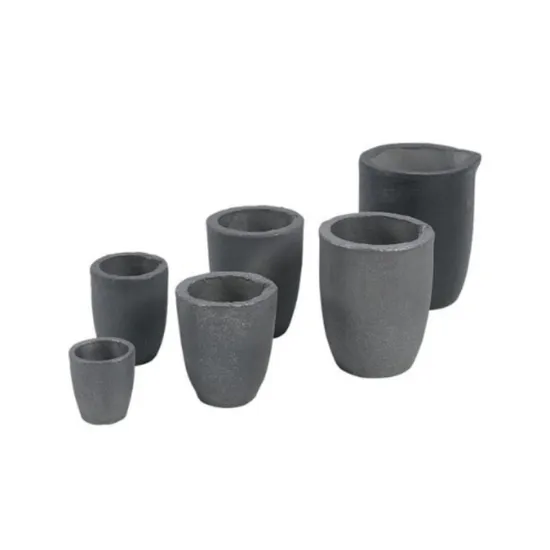
Product snapshot: Graphite Crucible for Gold Jewelry Casting & Recasting
Origin: Qiujing yiyuan, No. 189, East 2nd Ring North Road, Chang'an District, Shijiazhuang, Hebei Province. Manufacturing technique: Compression moulding. Feature: high thermal conductivity. Customization: absolutely—ID/OD/height, spout, and seating ring.
| Parameter | Typical Value | Notes (real-world may vary) |
|---|---|---|
| Material | High‑purity synthetic graphite | Ash ≈ ≤0.1% |
| Bulk density | 1.75–1.85 g/cm³ | ASTM C20 style measurement [2] |
| Thermal conductivity | 80–120 W/m·K @ 25°C | ASTM E1461 diffusivity basis [1] |
| Max service temp | ≈3000°C (inert), ≈850°C (air) w/o coating | Use anti‑oxidation glaze for air furnaces |
| Process | Compression moulding + impregnation | Resin/pitch impregnation for life gain |
| Typical service life | 80–150 gold melts; 30–80 Cu/Brass | Depends on flux, thermal ramp, handling |
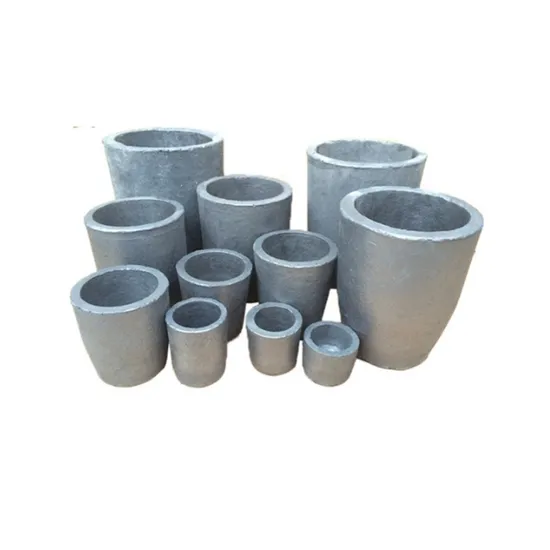
How it’s made (short version, honest)
Materials are blended (flake graphite + binders), pressed by compression moulding to reduce porosity, then baked, impregnated, and graphitized. machining finishes ID/OD and lips. Testing includes bulk density and porosity (ASTM C20), thermal diffusivity (ASTM E1461), dimensional checks, and visual NDT. Certifications available: ISO 9001:2015, RoHS/REACH declarations.
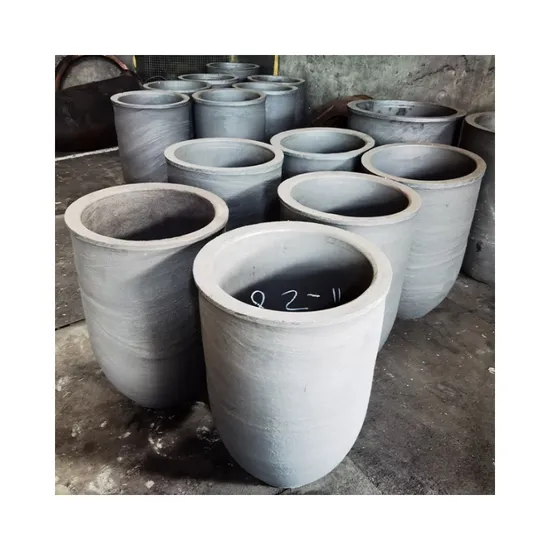
Where a large graphite crucible shines
- Jewelry casting/recasting (Au, Ag, Pt group with care)
- Minting and bullion melting (1–5 kg charges are common)
- Laboratory alloy development and thermal cycling trials
- Induction and gas-fired furnaces; occasional torch work
Real-world feedback: “Heat-up is faster than our clay‑graphite, less dross on 9999 gold.” Another shop told me they got 120 cycles before swapping—careful preheat and slow cooldown helped, a lot.
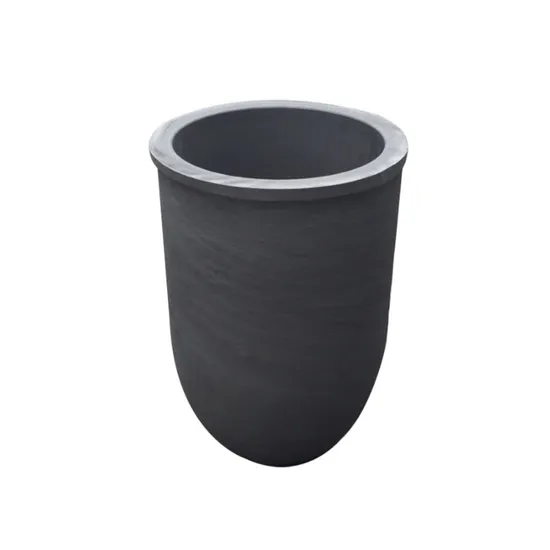
Vendor landscape (quick comparison)
| Vendor | Purity / Ash | Max Temp | Life (gold) | Customization | Certs |
|---|---|---|---|---|---|
| NL Graphite (this model) | ≤0.1% ash | ≈3000°C inert | 80–150 cycles | Full (ID/OD/lip/spout) | ISO 9001, RoHS/REACH |
| Local foundry supply | 0.2–0.5% | ≈2500°C inert | 50–90 | Limited sizes | Varies |
| Marketplace seller | Not stated | N/A | 30–60 | Minimal | Unknown |
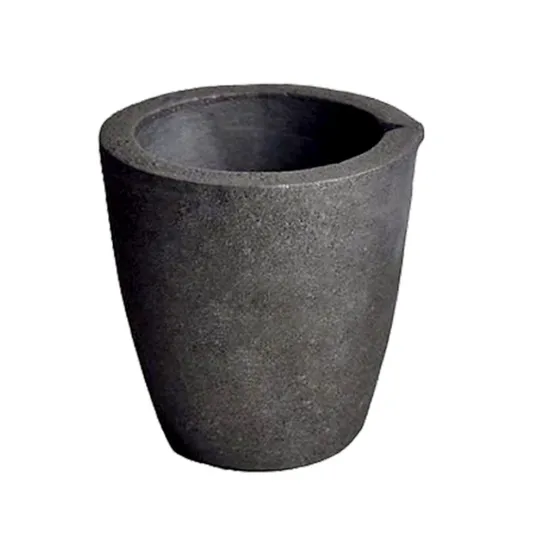
Case notes and usage tips
A boutique mint bumped from 500 g to 2 kg gold charges using a large graphite crucible with anti‑oxidation coating—throughput rose 38% with no extra labor. An EV lab alloying Cu‑Ag reported smoother pour lips and fewer inclusions (their words, not mine). To be honest, ramp rates matter: preheat to 200–250°C to chase moisture, then step to working temp; avoid quenching a hot large graphite crucible on a cold bench—thermal shock is the silent killer.
Compliance and documentation
Supplier provides ISO 9001 QMS certificates, RoHS and REACH declarations, and lot-level inspection reports. Test data includes bulk density, porosity, ash, and where requested, thermal diffusivity. If you’re speccing for aerospace labs or medical alloys, ask for traceable inspection docs and, ideally, batch retention samples. It seems overkill—until it isn’t.
References
- ASTM E1461 – Standard Test Method for Thermal Diffusivity by the Flash Method.
- ASTM C20 – Apparent Porosity, Water Absorption, and Bulk Density of Refractory Materials.
- ISO 9001:2015 – Quality management systems Requirements.
- Regulation (EC) No 1907/2006 – REACH.
- Directive 2011/65/EU – RoHS.
 Pervious
 Next
Next