

- Englist



Natural Graphite Powder: Sustainable Mineral Solutions for Industry & Tech

Natural Graphite Powder: The Unsung Mineral Powering Our Future
If you’ve ever marveled at the lithium-ion battery in your phone or wondered how electric vehicles really get their juice, natural graphite powder is one of those behind-the-scenes heroes you might not have noticed. It’s a mineral with growing global importance that underpins innovation in clean energy, electronics, and even aerospace. Understanding this humble, flaky substance isn’t just for earth scientists or engineers—it’s becoming crucial for anyone interested in sustainable technology and the shifting energy landscape worldwide.
The Global Context: Why Natural Graphite Powder Matters Today
Natural graphite powder, harvested from carbon-rich veins scattered primarily in countries like China, Brazil, and Mozambique, has seen a surge in demand. According to the United Nations Conference on Trade and Development (UNCTAD), global graphite consumption is set to grow by roughly 6% annually through the 2030s, mainly driven by the energy transition and digital revolution. It’s not just a resource; it’s the backbone of a rapidly changing industrial ecosystem.
Yet, challenges persist: supply bottlenecks, environmental concerns from mining, and quality variability make reliable sourcing tricky. For industries aiming to accelerate the shift to low-carbon technologies, stable and high-quality natural graphite powder supplies are paramount.
Mini takeaway: Natural graphite powder underlies a vast array of green tech solutions, with its availability shaping the pace of technological progress worldwide.
What Exactly Is Natural Graphite Powder?
Simply put, natural graphite powder is a refined form of graphite mined from natural rock deposits. Graphite itself is a crystalline form of carbon where atoms arrange in layers, allowing the powder to possess properties like high electrical conductivity, thermal resistance, and lubricity. Unlike synthetic graphite made artificially from petroleum coke, natural graphite powder comes straight from Mother Earth, making it unique in characteristics and ecological footprint.
Its connection to modern industry is especially strong—used in electric battery anodes, lubricants, refractories for high-heat furnaces, and even in steelmaking. Humanitarian sectors also find it useful, for example, in enhancing solar cell efficiency in off-grid locations or improving water filtration technologies that rely on graphite’s chemical stability.
Mini takeaway: Natural graphite powder isn’t just a mineral; it’s a versatile raw material bridging natural resources with advanced tech applications.
Core Attributes of Natural Graphite Powder
1. Purity & Particle Size
The purity—usually expressed as carbon content around 90–99%—and particle size influence performance drastically. Battery anode producers require fine, pure powder for optimal conductivity, while industrial lubricants might prefer coarser granules. Tailoring particle size impacts everything from surface area to blending compatibility.
2. Electrical & Thermal Conductivity
Graphite’s layered atomic structure means it conducts electricity and heat exceptionally well, which is vital in electronics cooling and lithium-ion batteries. This conductivity helps batteries charge faster and last longer, something almost all tech companies are chasing.
3. Environmental Impact & Sustainability
Mining natural graphite isn’t without ecological concerns: land disturbance, water pollution, and CO₂ emissions enter the conversation. Yet compared to synthetic graphite, natural graphite powder can have a lower carbon footprint, especially when sourced responsibly and refined using eco-friendlier techniques.
4. Scalability of Supply
Demand is booming, but surging production isn’t straightforward. Deposits are geographically limited and politically sensitive, so market players scramble to secure diverse supply lines. This scarcity pushes up prices but also motivates innovation in recovery methods and recycling.
5. Cost Efficiency
Natural graphite powder tends to be less expensive than synthetic alternatives when total production costs are considered. This makes it attractive for industries needing large volumes, like steel and refractories, shifting the economics of entire sectors.
Mini takeaway: Its performance isn’t a one-size-fits-all story. Quality, sustainability, and price weave together in deciding where natural graphite powder fits best.
How Natural Graphite Powder Powers Industry Worldwide
So, where does this powder get used most? Off the top:
- Battery Manufacturing: Lithium-ion batteries for EVs and energy storage lean heavily on natural graphite as the anode material.
- Steel Production: As a carbon additive and refractory material, it enhances strength and temperature resistance.
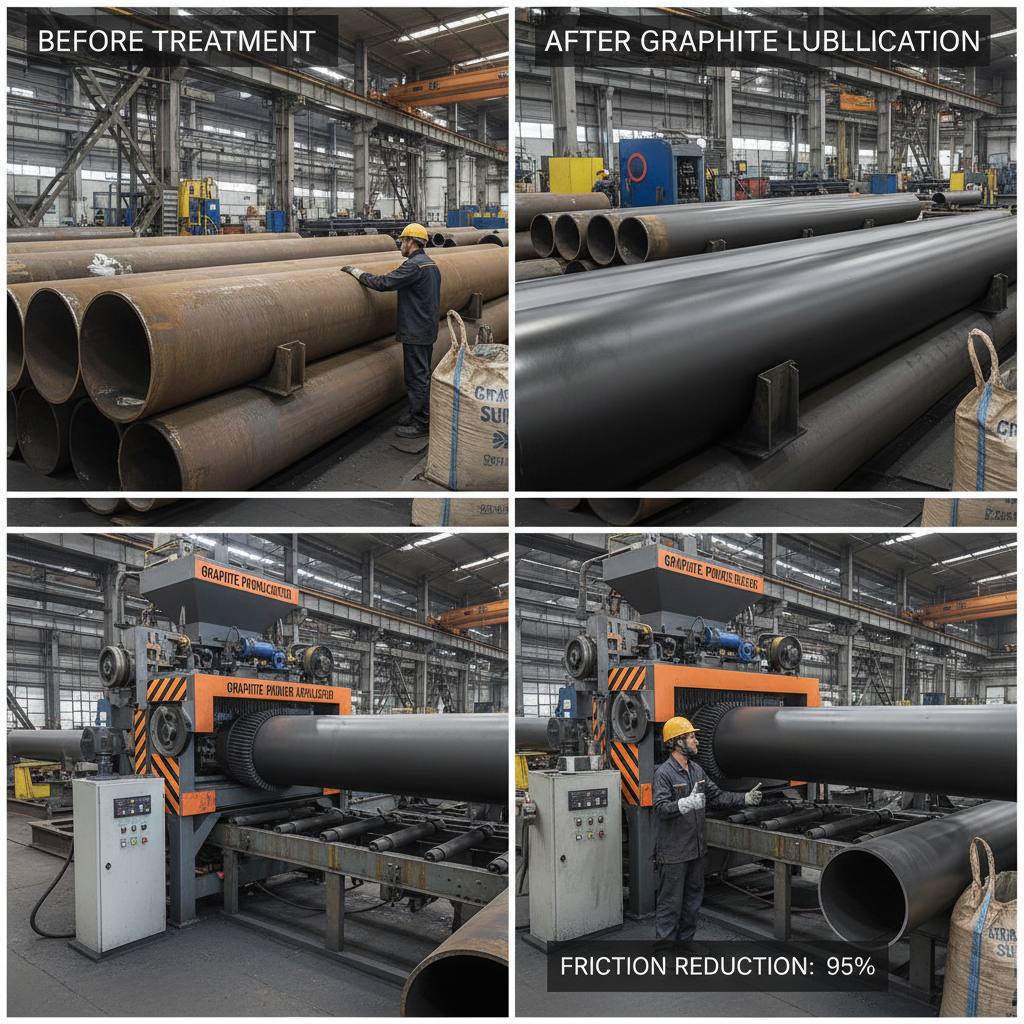
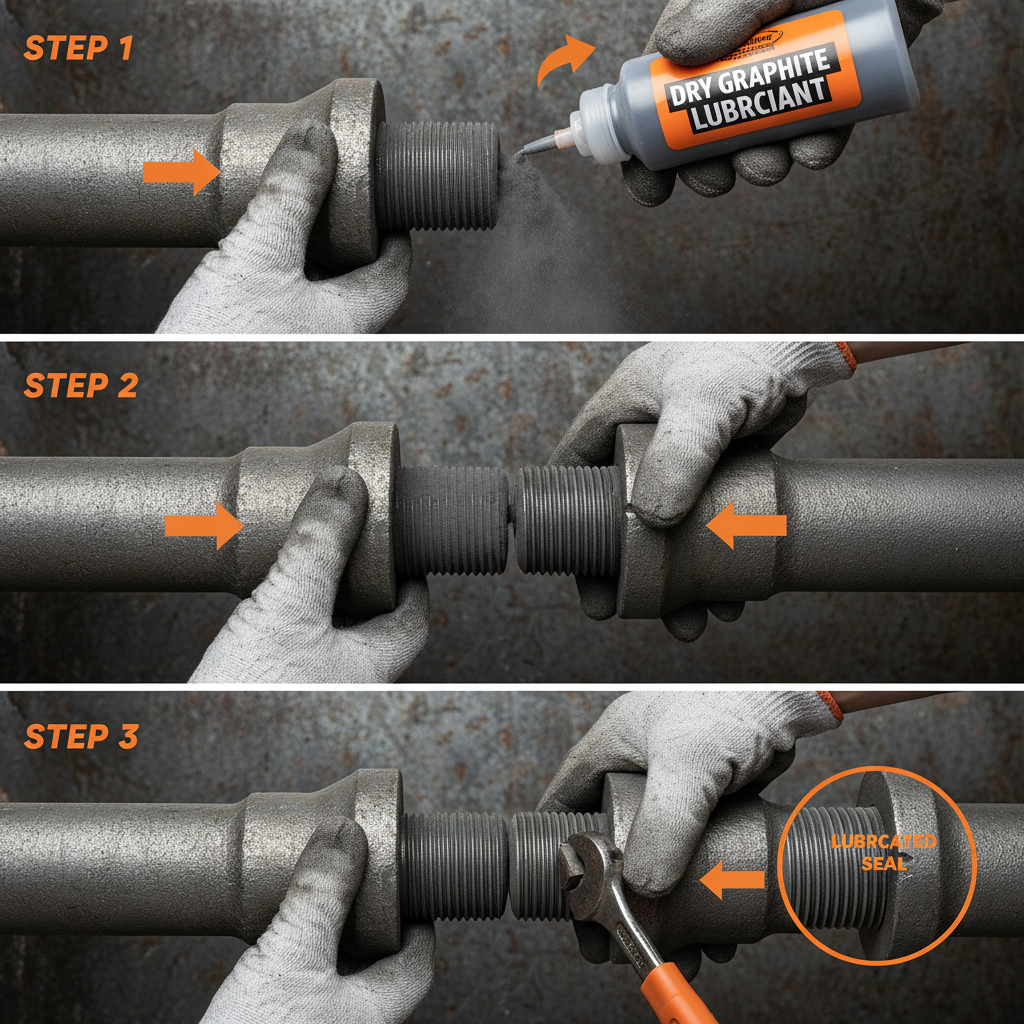
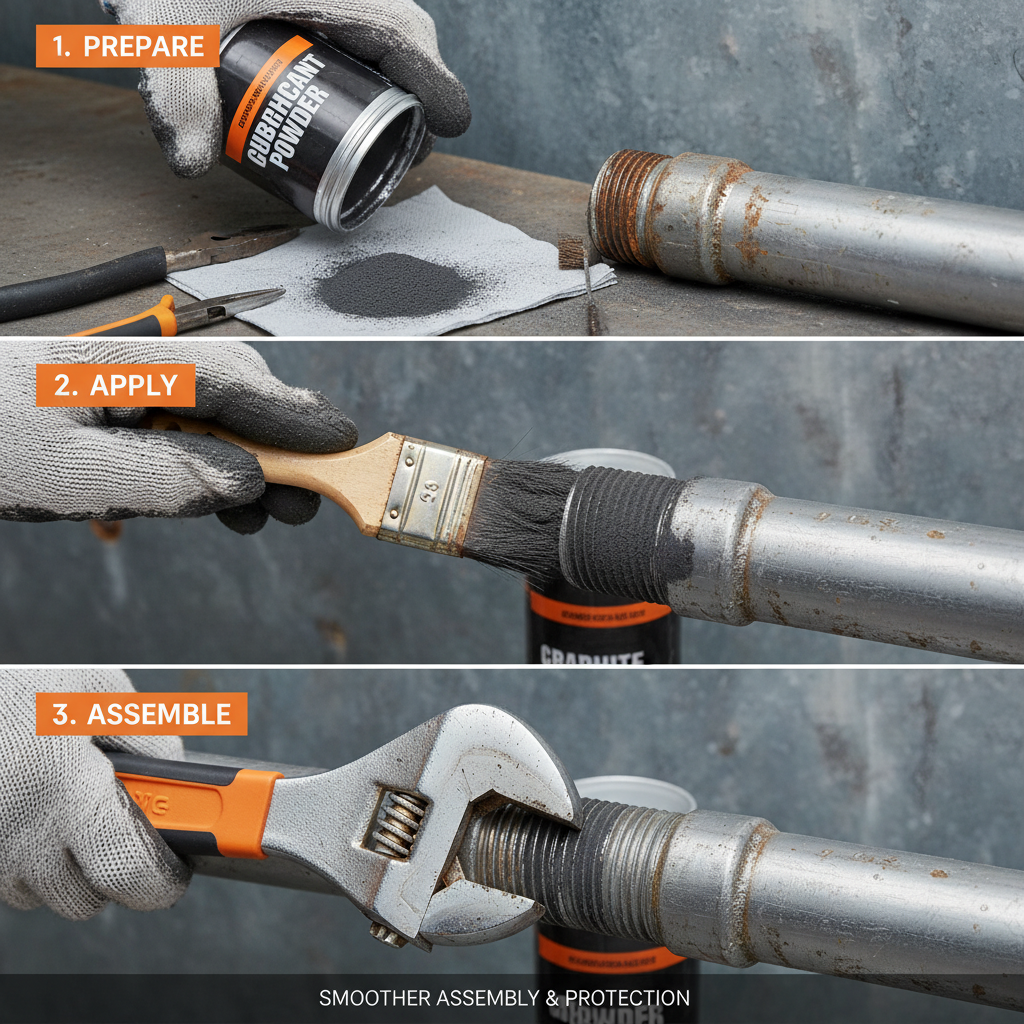
- Lubricants & Brake Linings: Its slippery layers reduce friction in engines and industrial machines.
- Electronics & Aerospace: Thermal management components rely on its heat conduction.
- Clean Water Tech: Used in filters and purification systems for remote or disaster-affected regions.
Countries in East Asia dominate usage, but Africa’s emerging mines and South America’s expanding refine capacity mean the distribution is slowly balancing. Organizations pushing for electrification of public transport or green energy deployment invariably highlight the strategically critical role of natural graphite powder.
Mini takeaway: From your phone’s battery to infrastructure in emerging economies, natural graphite powder quietly makes a difference.
Natural Graphite Powder Specifications
| Property | Typical Range | Application Impact |
|---|---|---|
| Carbon Content | 90% - 99% | Higher purity means better conductivity for batteries |
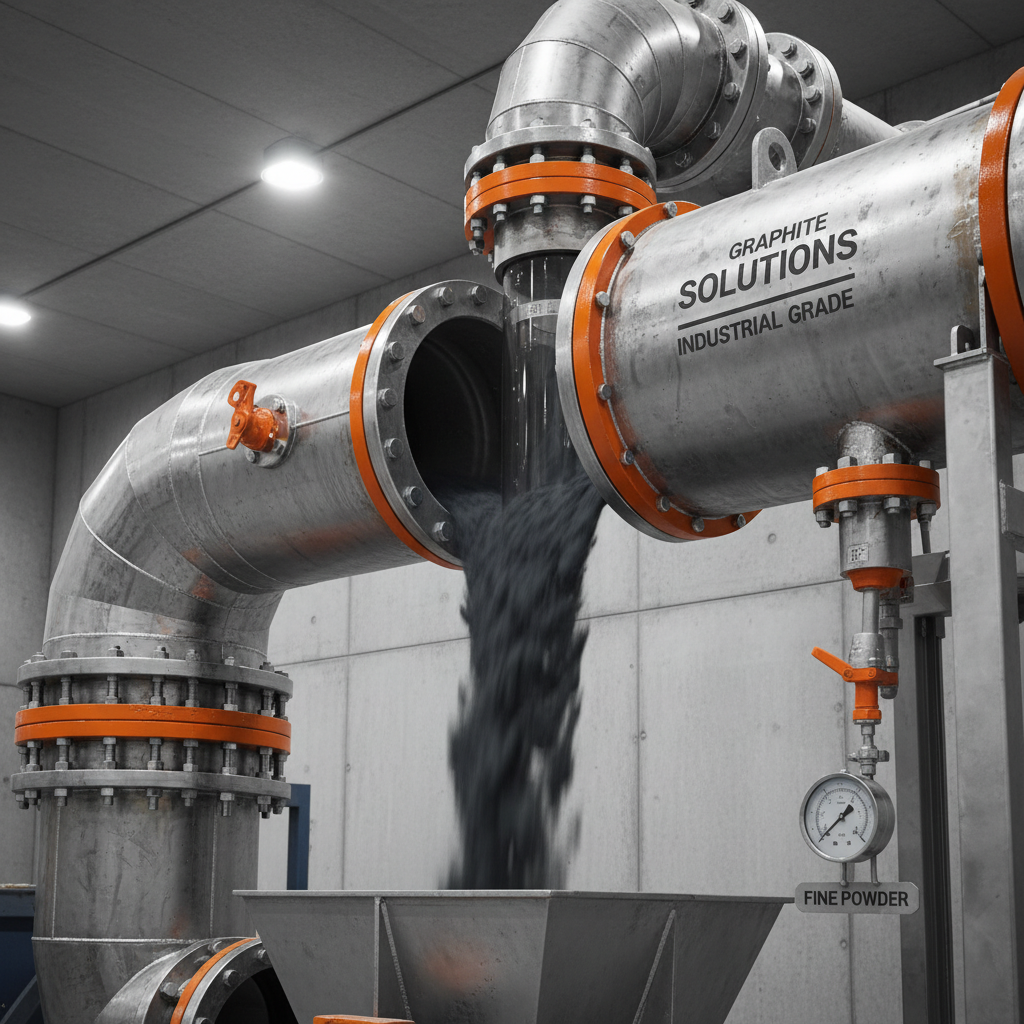
| Particle Size (microns) | 5 - 40 µm | Fine powder preferred for electronics & batteries |
| Moisture Content | Low moisture ensures long shelf life and process stability | |
| Electrical Conductivity | 1000 - 3000 S/m | Critical for battery performance and thermal applications |
| Ash Content | Impurities affect chemical stability and product consistency |
Comparing Leading Natural Graphite Powder Suppliers
| Supplier | Region | Purity Range | Sustainability Practices | Delivery Lead Time |
|---|---|---|---|---|
| Graphite Global Inc. | China | 92% - 98% | ISO 14001 certified, water recycling | 4-6 weeks |
| EcoGraphite Ltd. | Mozambique | 95% - 99% | Renewable energy use, local community training | 6-8 weeks |
| PureCarbon Exporters | Brazil | 90% - 96% | Community environmental programs | 5-7 weeks |
Why Natural Graphite Powder Is a Long-Term Winner
Tangible benefits go beyond raw specs. Many industries highlight cost-efficiency—natural graphite powder can be scaled to meet demand at competitive prices compared to synthetic alternatives. Environmentally, sourcing responsibly reduces energy inputs and greenhouse gas output, a strong plus in corporate sustainability goals.
On the social side, supporting regions that produce natural graphite can foster economic development and technical training—good news for communities often left out of the green economy. Plus, for engineers and manufacturers, the reliability and proven track record of natural graphite material build a certain trust.
Finally, it gives a sense of safety and dignity—knowing the materials in your products come from sustainable sources and bring livelihood benefits is... well, reassuring.
Innovation Ahead: The Future of Natural Graphite Powder
Emerging advancements in refining technologies, like flotation and chemical leaching, promise higher purity powders with less environmental strain. Meanwhile, recycling efforts focus on retrieving graphite from spent batteries, aiming to close the supply loop and reduce dependence on mining.
Policy shifts also encourage eco-conscious sourcing, with governments incentivizing low-carbon minerals supply chains. Expect to see natural graphite powder integrated more tightly with digital tracking for transparency and sustainability compliance.
Smart automation in mining and processing plants will reduce waste and improve efficiency. Oddly enough, as batteries get smaller and more efficient, the nuance in graphite specs will become even more critical, driving tighter industry standards.
Overcoming Barriers: Challenges & Solutions
The main hurdles? Limited geographical deposits risk supply disruption, plus fluctuating purity and associated processing costs. Environmental concerns from mining still spark debate, sometimes slowing down new projects.
However, innovation in eco-friendly mining, supplier diversification, and partnerships with local communities are smoothing these bumps. Some companies deploy real-time analytics to optimize graphite extraction, reducing waste by 15–20%—that’s not trivial.
In a nutshell, embracing technology and ethical sourcing practices turns challenge into opportunity.
Frequently Asked Questions About Natural Graphite Powder
- What is the difference between natural and synthetic graphite powder?
Natural graphite powder is mined directly from Earth and usually retains its layered crystalline structure, while synthetic graphite is manufactured from petroleum coke. Natural graphite typically costs less and has a smaller carbon footprint but may have more impurities depending on the source. - How does natural graphite powder improve battery performance?
The powder’s high electrical conductivity and layered structure allow lithium ions to intercalate efficiently during charge/discharge cycles, improving battery capacity, lifespan, and charge rates compared to other materials. - Is natural graphite powder environmentally sustainable?
When responsibly sourced with modern mining practices and renewable energy integration, natural graphite powder can be more sustainable than synthetic alternatives. Recycling efforts also enhance its green credentials by reducing mining demand. - Can natural graphite powder be customized for specific industries?
Absolutely. Adjusting particle size, purity, and moisture content tailors the powder for uses in batteries, lubricants, steelmaking, or filtration, making it versatile across many sectors. - Where can I source high-quality natural graphite powder?
Leading suppliers from China, Mozambique, and Brazil offer a range of grades. It’s best to verify certifications like ISO 14001 and sustainability reports before purchasing.
In Conclusion: Embracing the Potential of Natural Graphite Powder
Natural graphite powder, subtle yet essential, stands at the heart of a cleaner, smarter future. Its versatility, cost advantages, and growing demand across industries make it a material worth paying attention to—whether you’re a manufacturer, engineer, or just a curious observer of global tech trends.
To explore premium grades and tailored solutions, don’t hesitate to visit our trusted resource: natural graphite powder.
Here’s to a future powered by the best of nature and innovation blended smartly.
References
 Pervious
 Next
Next