

- Englist



Premium Pure Graphite Powder for Advanced Industrial Applications

Exploring Pure Graphite Powder: A Modern Marvel in Industry and Innovation
Graphite isn’t just the “lead” in your pencil—it’s a powerhouse material shaping many industries around the world. Pure graphite powder, in particular, is gaining traction as a vital component for everything from electronics to lubricants. Why does it matter? Well, beyond its pretty unique structure, this fine, carbon-based material is instrumental in the transition towards greener technologies and smarter manufacturing. Getting a grip on what pure graphite powder does—and can do—unlocks some fascinating insights into global industry trends.
Why Pure Graphite Powder Still Commands Global Attention
If you’ve ever wondered why this dusty carbon marvel matters worldwide, a peek into recent industrial statistics helps. For one, the global graphite market is projected to surpass $20 billion by 2027 according to industry forecasts, driven by its crucial role in lithium-ion batteries, refractories, and metallurgy (World Bank data). And frankly, as nations accelerate renewable energy ambitions, graphite’s electrical conductivity and stability make it invaluable for energy storage tech—think electric vehicles and smart grids.
Yet, behind this growth narrative is a challenge: sourcing high-purity graphite powder that meets stringent industrial specs, without exorbitant costs or environmental harm. That’s the puzzle researchers and producers grapple with daily.
What Exactly Is Pure Graphite Powder?
In simplest terms, pure graphite powder is ultra-refined carbon, stripped of impurities to achieve up to 99.95% carbon content or more. Unlike raw graphite chunks, this powder form offers a larger surface area and enhanced reactivity, making it wildly useful in many applications. Think of it as carbon in its most versatile, industrially palatable shape.
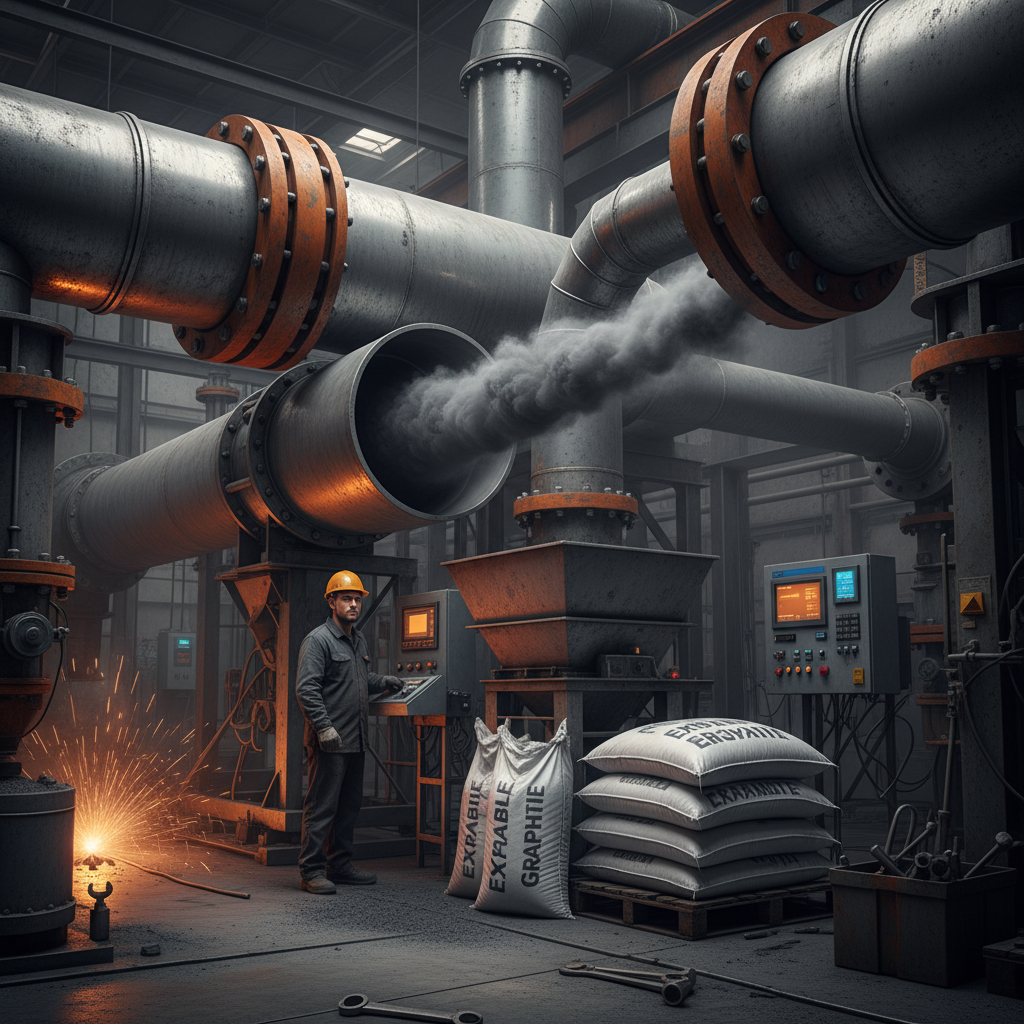
This powdered form connects deeply with modern industry—especially in sectors focused on high performance, reliability, and sustainability. From crafting electrodes for electric arc furnaces to lubricants that withstand extreme pressure, pure graphite powder is a behind-the-scenes hero.
Key Characteristics Shaping Its Practical Use
1. Purity and Particle Size
Purity dictates performance. High-grade pure graphite powder usually hits 99.9% carbon or higher, ensuring conductivity and thermal stability. Particle size—ranging from microns to sub-micron—affects how the powder disperses, compacts, or reacts, tuned precisely for different industrial needs.
2. Thermal Conductivity
Graphite’s natural ability to manage heat makes the powder a go-to in applications requiring efficient thermal dissipation. For example, in electronics, it prevents overheating components, which can otherwise reduce lifespan dramatically.
3. Lubrication Qualities
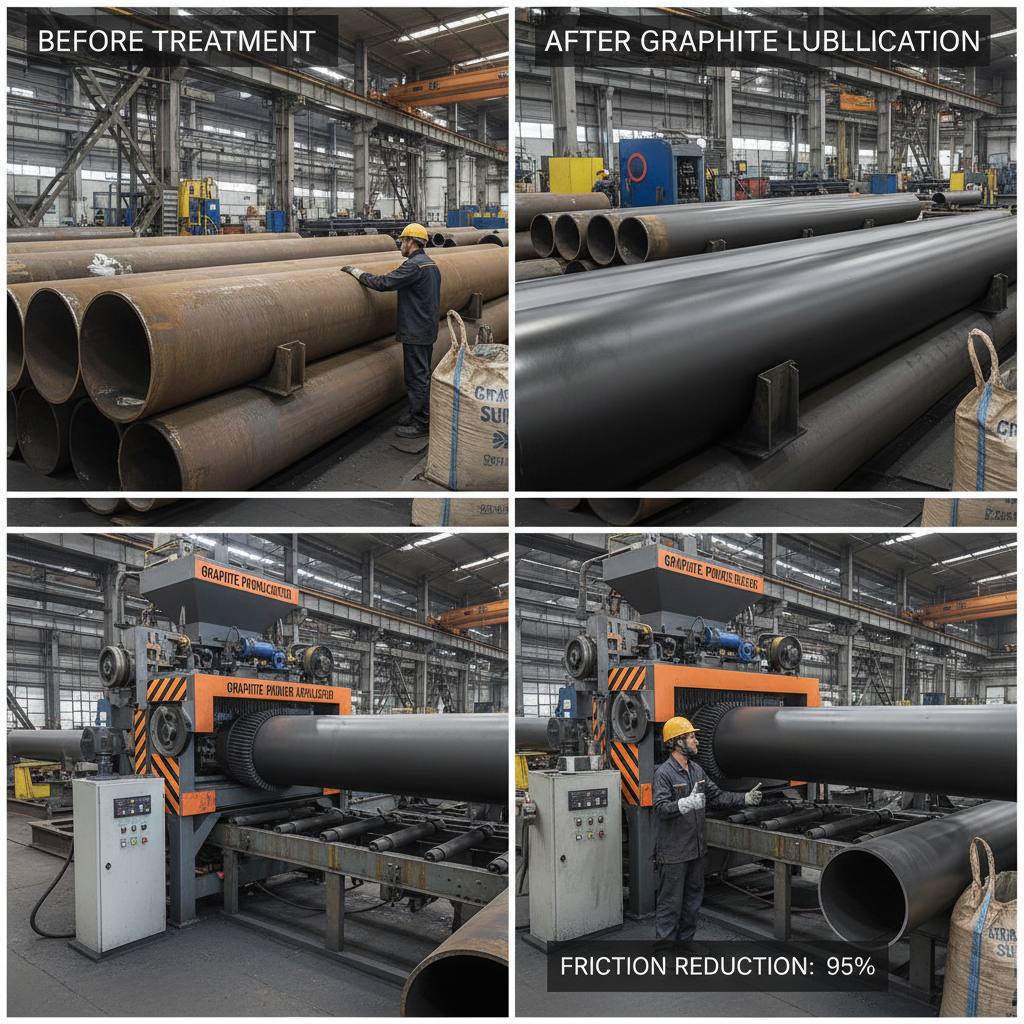
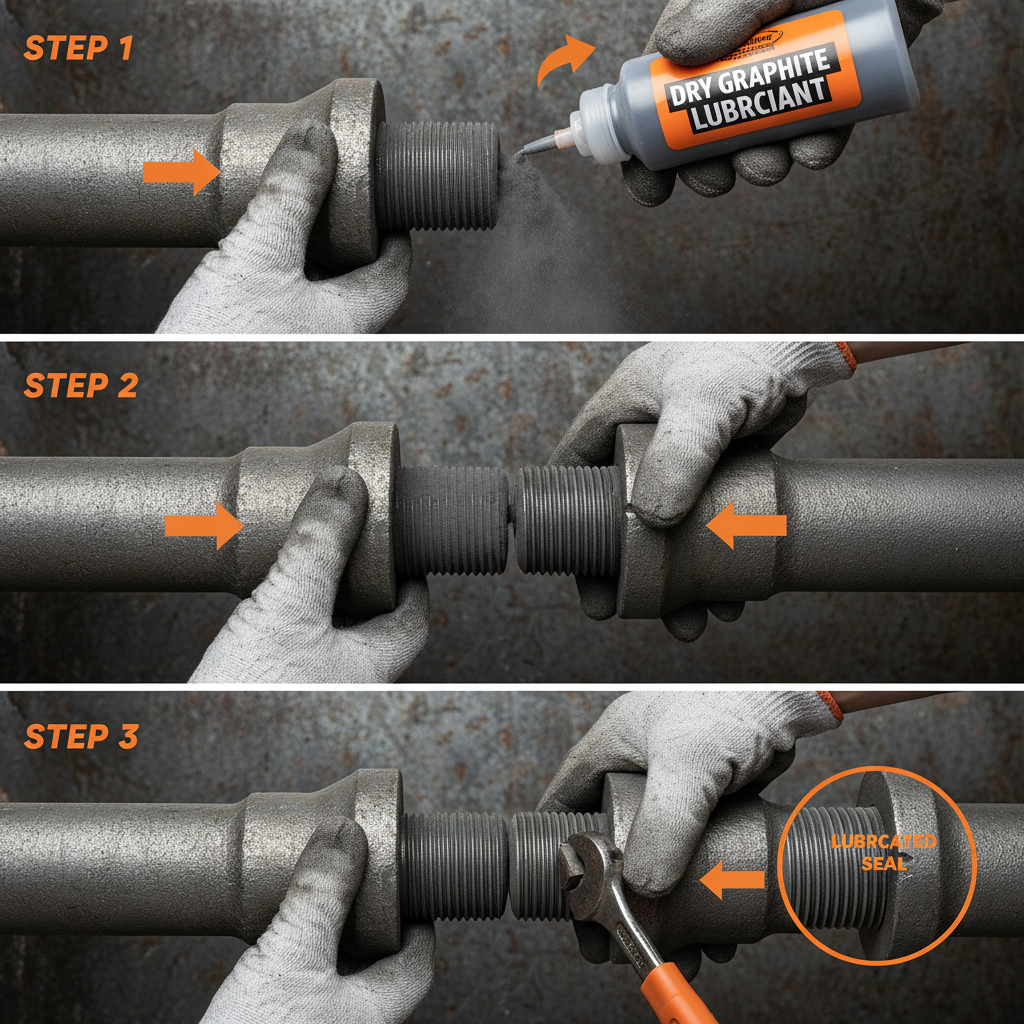
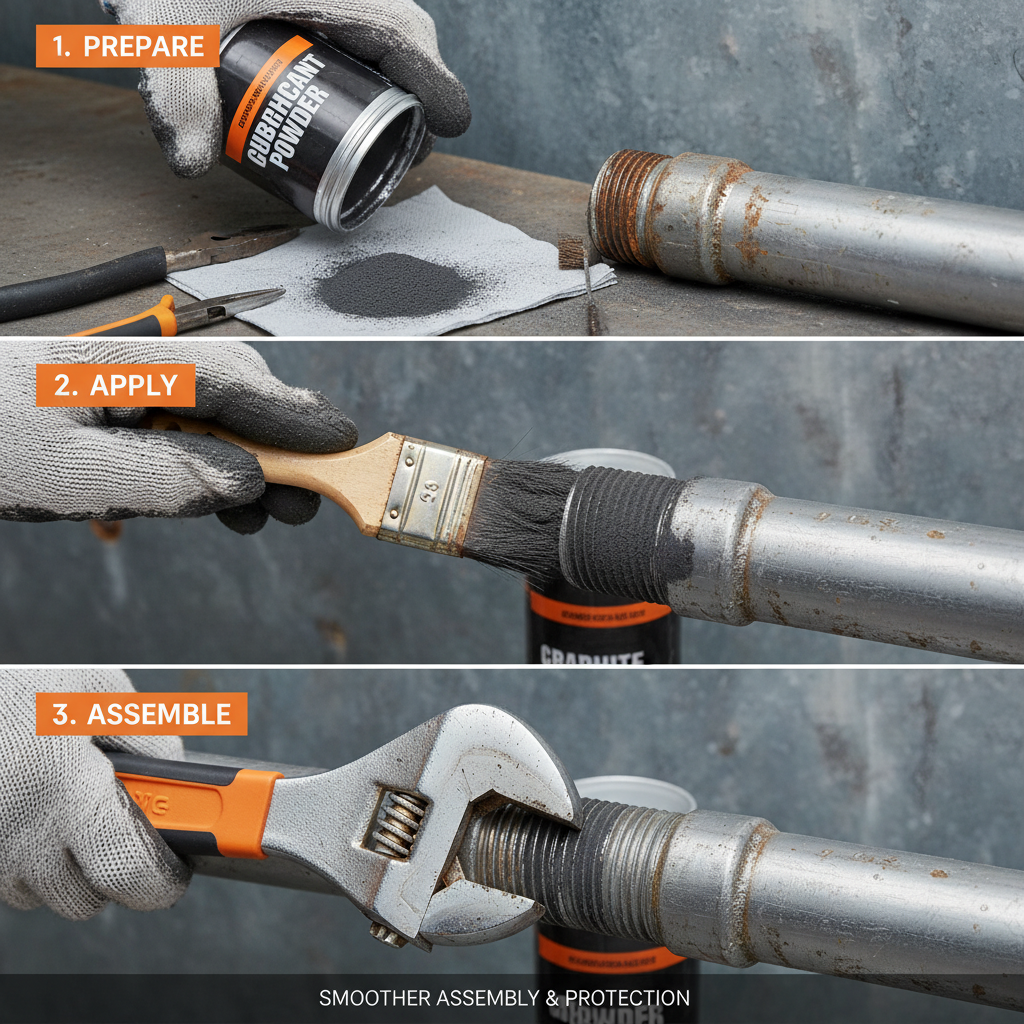
Because graphite layers slide over each other easily, the powder serves as an excellent dry lubricant—particularly useful in extreme temperatures or vacuum conditions where oils might fail.
4. Chemical Stability
Pure graphite powder resists many chemical agents, which is why it finds favor in harsh operational environments—corrosion resistance is a big plus in chemical processing plants.
5. Scalability & Cost Efficiency
Industrial players value graphite powder that can be scaled from small batches for R&D to massive volumes without losing quality. Cost remains a balancing act; sourcing sustainable, affordable graphite is key to unlocking long-term value.
Mini Takeaway: Understanding these core traits clarifies why pure graphite powder isn’t just “some dust” but a carefully engineered material tweaking global industrial performance.
How Pure Graphite Powder Is Changing the Game Worldwide
Applications for pure graphite powder are vast and varied. In Asia, battery manufacturers rely heavily on it to enhance lithium-ion cell efficiency. Europe’s renewable energy sectors use it for next-gen solar panels and fuel cells. Meanwhile, North American heavy industries count on fine graphite powders for durable electrode production and lightweight brake linings.
In disaster recovery zones, where equipment reliability is life-critical, graphite-based lubricants ensure machines run smoothly despite extremes. Oddly enough, remote industrial zones—lacking complex oil-based lubricants—depend on graphite powder for low-maintenance solutions.
| Property | Value | Impact/Application |
|---|---|---|
| Carbon Content | ≥ 99.9% | Ensures conductivity and purity in batteries |
| Particle Size | 1 - 50 microns | Tuned for coating or compaction |
| Ash Content | ≤ 0.05% | Prevents contamination in sensitive tech |
| Moisture | ≤ 0.5% | Ensures consistent processing and storage |
| Thermal Conductivity | 150 - 300 W/mK | Critical for heat dissipation applications |
Vendor Comparison: Choosing the Right Pure Graphite Powder Supplier
| Vendor | Purity Range | Typical Applications | Sustainability Focus | Global Reach |
|---|---|---|---|---|
| NorthGraphite Inc. | 99.95% | Batteries, Lubricants, Metallurgy | Uses eco-friendly mining | Strong in NA & Europe |
| AsiaCarbon Ltd. | 99.9% | Electronics, Aerospace | Invests in recycling graphite waste | Extensive in Asia & Australia |
| EuroGraphite AG | 99.99% | High-end battery tech, R&D | Carbon-neutral production goals | Focused on Europe & USA |
The Long-Term Value of Pure Graphite Powder
The benefits are both tangible and emotional. Cost-wise, securing quality graphite powder often translates directly into higher product reliability and productivity—in other words, less downtime. From a sustainability lens, newer sourcing practices and recycling technologies mean the industry is leaner and greener year by year.
On the human side, there’s something reassuring about materials that bring safety and stability: whether it’s a better battery powering a wheelchair or a dependable lubricant in industrial machinery that protects workers. It feels like a cornerstone material—quiet but essential.
Emerging Trends: The Future of Pure Graphite Powder
Looking forward, innovations in synthetic graphite production and ultra-fine milling are exciting many experts. The push to reduce the carbon footprint during extraction and processing is intensifying, aligning with global sustainability goals like those in the Paris Agreement.
In digital transformation realms, imagine 3D printing with graphite-infused filaments producing complex aerospace parts, or nano-graphite powders enabling supercapacitors for instant energy delivery. The horizon feels just wide enough to dream big yet practical enough to invest in R&D today.
Obstacles and Expert Solutions
Like many industrial materials, pure graphite powder faces hurdles—contamination risks, variable supply quality, and environmental concerns over mining practices. Experts suggest integrating AI-grade quality checks, adopting closed-loop recycling for graphite byproducts, and partnering with responsible miners to mitigate these issues.
Sometimes, the hardest part is not the material itself but how the market values and sources it sustainably.
Frequently Asked Questions About Pure Graphite Powder
- What purity level of graphite powder is right for battery applications?
- Generally, battery manufacturers prefer graphite powder with purity above 99.9% to maximize conductivity and minimize impurities that can deteriorate battery life. Consistent particle size also affects performance.
- How does particle size influence the effectiveness of pure graphite powder?
- Smaller, uniform particles improve dispersion and surface contact, critical for coatings and electrodes, while larger particles might lend durability in lubrication or refractory uses.
- Is pure graphite powder environmentally safe to produce?
- Traditional mining can harm the environment, but many companies now focus on sustainable extraction, waste recycling, and carbon-neutral processing to reduce negative impacts.
- Can I order custom graded graphite powder for my industrial needs?
- Yes, most reputable suppliers offer customization in terms of purity, particle size, and packaging tailored to specific customer requirements.
Wrapping up: Why Pure Graphite Powder Matters for Industry’s Future
Pure graphite powder stands at the crossroads of tradition and innovation, quietly powering industries and technology evolutions globally. Its versatile properties are not just a material feature but a blend of ecological responsibility, economic value, and technical excellence. For businesses serious about longevity and sustainability, understanding and sourcing the right pure graphite powder isn’t an option—it’s a necessity.
To explore premium pure graphite powder products and tailored solutions, visit our website and see how your next project can benefit from this indispensable material.
References
 Pervious
 Next
Next