

- Englist



New Methods for Refining Petroleum Coke

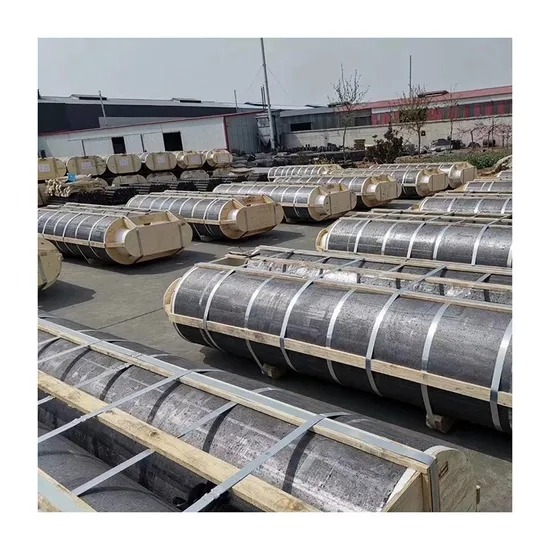
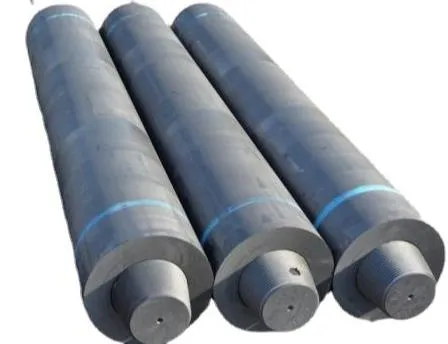
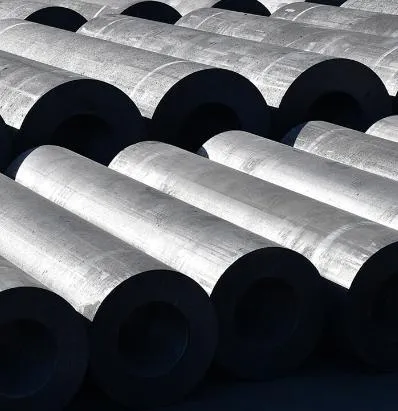
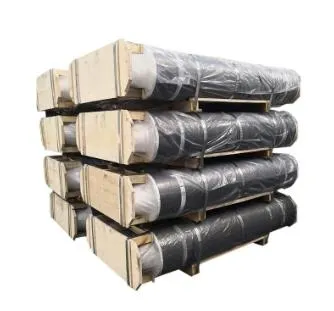
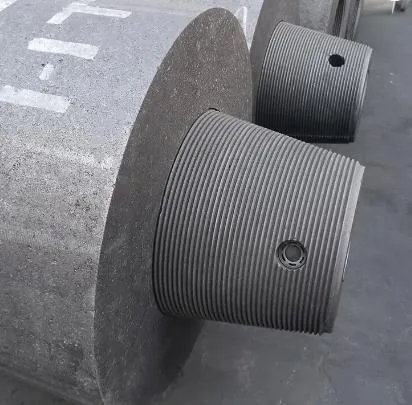
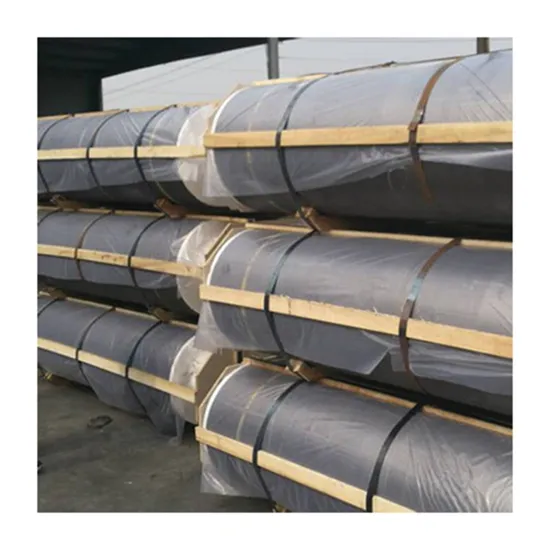
Petroleum coke, often called petcoke, is a carbon-rich solid byproduct of oil refining, valued for its high calorific value and versatility. From fuel-grade variants used in power plants to anode-grade types for aluminum production, its quality depends heavily on refining processes. Innovations in refining are now enhancing the production of calcined petroleum coke and graphite petroleum coke, unlocking new applications. Shijiazhuang Nalai Biotechnology Co., Ltd., a professional manufacturer integrating design, development, and production—specializing in graphite products like electrodes and crucibles—leverages advanced refining insights. With 30 technicians and 360 skilled workers, their strict quality control ensures high-grade graphite products, many derived from refined petroleum coke.Modern refining techniques also focus on customizing petroleum coke properties to match industry demands. For example, the steel sector requires calcined petroleum coke with low sulfur content (below 0.5%) to avoid brittleness in molten steel. New desulfurization methods, using high-pressure hydrogenation, reduce sulfur levels by up to 90% without compromising carbon integrity.
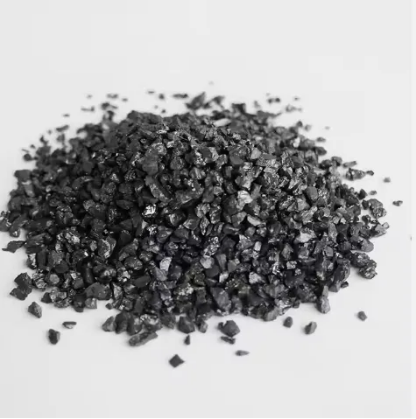
Advanced Calcination Techniques for Calcined Petroleum Coke
- Low-Temperature Gradient Calcination: Traditional calcination heats petroleum coke to 1200–1300°C, but new gradient methods control temperature rises in 100°C increments. This reduces thermal stress, minimizing cracks in calcined petroleum coke and improving its density. The result is a more uniform product ideal for aluminum smelting anodes.
- Oxygen-Controlled Environments: By calcining in low-oxygen chambers, refiners reduce oxidation of petroleum coke, preserving carbon content. This method lowers ash levels by 30%, making calcined petroleum cokesuitable for high-purity applications like lithium-ion battery components.
- Waste Heat Recovery Systems: Modern calcination plants integrate heat exchangers to capture excess energy from the process. This not only cuts energy use by 25% but also reduces carbon emissions, addressing environmental concerns linked to traditional refining.
Innovations in Producing Graphite Petroleum Coke
- Microwave-Assisted Graphitization: Instead of relying solely on high-temperature furnaces, new methods use microwaves to heat petroleum coke This speeds up the conversion to graphite petroleum cokeby 50% while reducing energy consumption, making the process more efficient and scalable.
- Catalyst-Enhanced Crystallization: Adding catalysts like iron oxide during graphitization promotes the formation of larger graphite crystals in graphite petroleum coke. This enhances electrical conductivity, making it perfect for use in graphite electrodes— a specialty of Shijiazhuang Nalai Biotechnology Co., Ltd.
- Purification via Acid Leaching: Post-graphitization, graphite petroleum cokeundergoes acid leaching with hydrochloric or sulfuric acid to remove remaining impurities. This step boosts purity to 99.95%, meeting the strict standards required for semiconductor manufacturing.
Comparing Traditional and New Refining Methods for Petroleum Coke
|
Method |
Energy Use |
Processing Time |
Product Purity |
Environmental Impact |
Best For |
|
Traditional Calcination |
High |
8–10 hours |
95–97% (calcined) |
High emissions, heat loss |
Fuel-grade calcined coke |
|
Gradient Calcination |
Medium |
6–7 hours |
98–99% (calcined) |
25% lower emissions |
Anode-grade calcined coke |
|
Conventional Graphitization |
Very High |
24–36 hours |
99–99.5% (graphite) |
High CO₂ output |
Industrial graphite coke |
|
Microwave Graphitization |
Low |
12–15 hours |
99.5–99.95% (graphite) |
40% lower emissions |
High-purity graphite coke |
Environmental Advances in Petroleum Coke Refining
- Carbon Capture Integration: New refining plants capture CO₂ from calcination and graphitization processes, storing it or repurposing it for industrial use. This cuts greenhouse gas emissions by up to 60%, addressing a key criticism of petroleum coke
- Water Recycling Systems: Closed-loop water systems in modern refineries reduce freshwater use by 80%. Water used in cooling and purification is treated and reused, minimizing wastewater discharge and protecting local water sources.
- Byproduct Utilization: Volatile organic compounds (VOCs) released during refining are now captured and converted into fuel for the plant, reducing reliance on external energy sources and turning waste into a resource. This circular approach makes petroleum cokerefining more sustainable.
Petroleum Coke FAQS
What Is the Difference Between Calcined Petroleum Coke and Graphite Petroleum Coke?
Calcined petroleum coke is processed at 1200–1300°C to remove volatile components, making it hard and dense—ideal for aluminum anodes. Graphite petroleum coke undergoes further heating (2500–3000°C) to form graphite crystals, giving it high conductivity, used in electrodes and batteries.
How Do New Refining Methods Improve Petroleum Coke Quality?
New methods like gradient calcination and microwave graphitization enhance purity, reduce impurities, and improve uniformity. This makes petroleum coke suitable for high-tech applications, from semiconductors to electric vehicle batteries, where precision is critical.
Is Graphite Petroleum Coke Environmentally Friendlier to Produce?
Yes, innovations like microwave graphitization and carbon capture reduce energy use and emissions compared to traditional methods. While still energy-intensive, these advances make graphite petroleum coke production more sustainable than in the past.
Can Petroleum Coke Be Refined to Meet Renewable Energy Needs?
Absolutely. High-purity graphite petroleum coke is a key component in lithium-ion batteries and fuel cells, supporting renewable energy storage. Its high carbon content and conductivity make it a valuable material in the transition to clean energy.
Does Shijiazhuang Nalai Biotechnology Co., Ltd. Use Advanced Refined Petroleum Coke?
Yes, Shijiazhuang Nalai Biotechnology Co., Ltd. sources high-quality graphite petroleum coke for their graphite products, leveraging advanced refining methods to ensure superior quality in graphite electrodes, rods, and crucibles. Their strict quality control aligns with the precision of modern refining techniques.
 Pervious
 Next
Next