

- Englist



Understanding Calcined Petroleum Coke Meaning and Industrial Applications

Calcined Petroleum Coke Meaning: A Deep Dive
Calcined petroleum coke (CPC) is a crucial carbon material extensively used in various industries, including aluminum production, steelmaking, and titanium dioxide pigment manufacturing. Understanding its properties, production process, and applications is vital for professionals in these sectors. This article provides a comprehensive overview of calcined petroleum coke, delving into its meaning, uses, and key considerations. We’ll explore why it's a preferred material in demanding industrial processes, and highlight quality aspects to look for when sourcing.
What is Calcined Petroleum Coke?
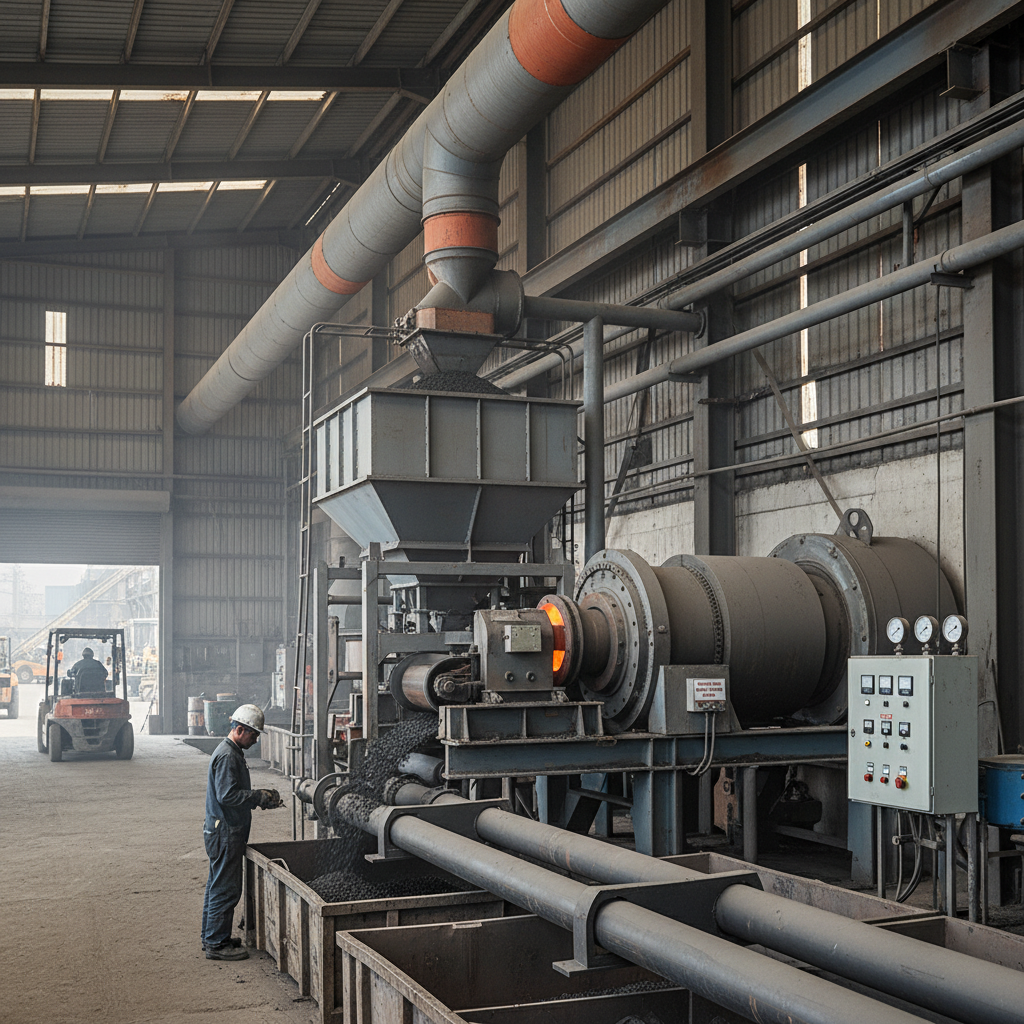
Calcined petroleum coke is a high-carbon, low-sulfur product derived from the final processing stages of crude oil refining. It's created by heating green petroleum coke, a raw byproduct of coking units, to extremely high temperatures (typically 1000-1400°C) in a controlled atmosphere. This process, known as calcination, removes volatile compounds, reduces moisture and hydrogen content, and increases the carbon purity and electrical conductivity of the coke. The resulting CPC is a hard, porous material with a granular appearance, widely valued for its consistent quality and performance. NL Graphite provides high quality calcined petroleum coke for demanding applications.
Key Characteristics: High carbon content (typically >98%), low sulfur content, high electrical conductivity, good mechanical strength, and consistent particle size.
The Calcination Process Explained
The calcination process is central to defining the quality of CPC. Green coke, containing approximately 10-15% volatile matter, is fed into a rotary kiln or a fluid bed calciner. The high temperatures drive off these volatiles, including hydrocarbons and water, leaving behind a highly carbonized material. The precise control of temperature, residence time, and atmospheric conditions during calcination is crucial for achieving desired product specifications, such as carbon purity, sulfur content, and particle size distribution. Different calcination techniques impact the final product characteristics, and choosing the right method is vital for specific applications.
Calcination Benefits:
• Increases carbon content and purity
• Reduces volatile matter and moisture
• Improves electrical conductivity
• Enhances mechanical strength
Calcined Petroleum Coke Applications: A Comparative Overview
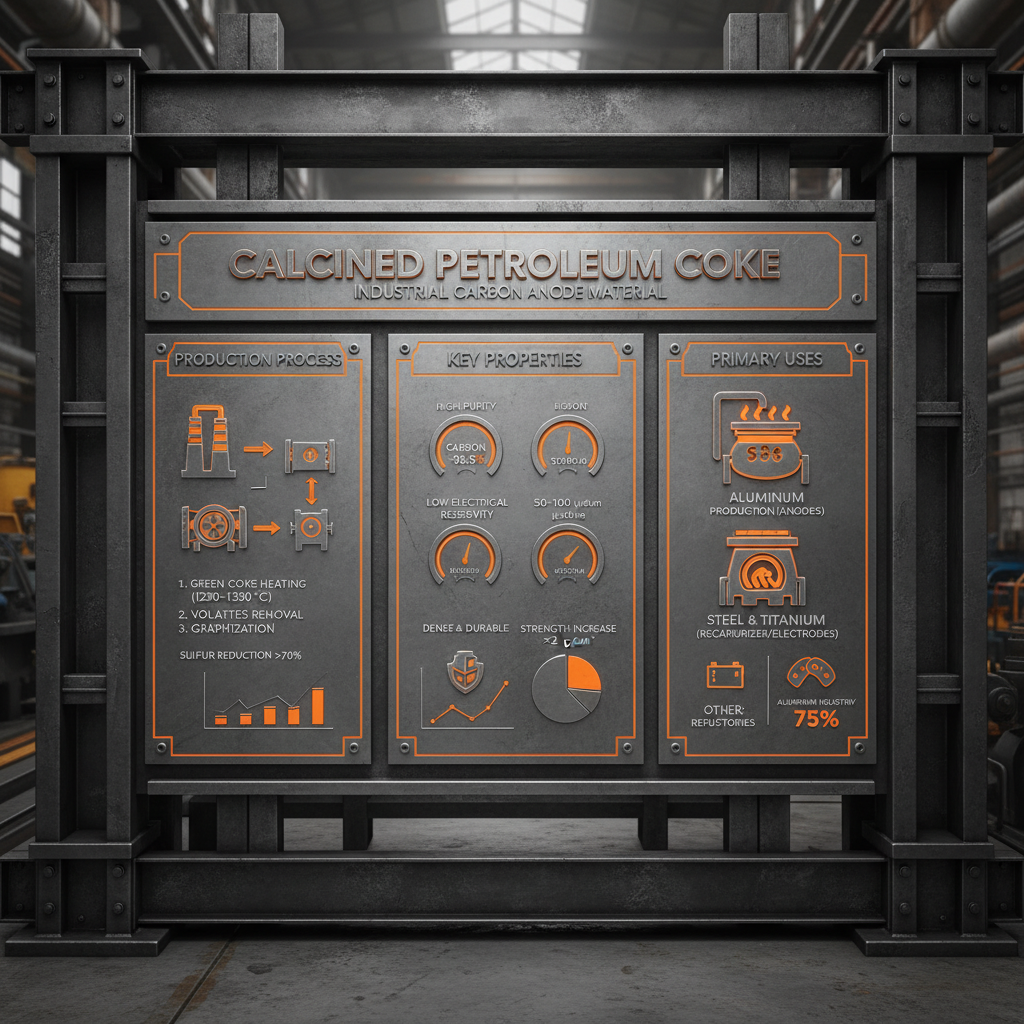
CPC's unique properties make it indispensable in several key industries. The primary application is in aluminum smelting, where it serves as the carbon anode consumable. Steelmaking uses it as a carbon raiser and deoxidizer. Titanium dioxide pigment production leverages its high purity and reactivity. The demand for CPC is directly linked to the global production output of these core industries. Here’s a comparative look at its main applications:
Key Specifications and Quality Control of Calcined Petroleum Coke
Maintaining consistent quality is paramount when sourcing CPC. Key specifications include carbon content (typically >98.5%), sulfur content (NL Graphite implements stringent quality checks at every stage of production.
Environmental Considerations and Sustainability
The production and use of CPC have environmental implications. Minimizing sulfur emissions during calcination is a significant concern, and modern calcination facilities employ advanced emission control technologies. Furthermore, exploring alternative carbon sources and improving the efficiency of CPC-consuming processes can contribute to greater sustainability. Responsible sourcing from suppliers committed to environmental stewardship is crucial.
Conclusion: The Enduring Importance of Calcined Petroleum Coke
Calcined petroleum coke remains a critical material for a diverse range of industries. Its unique properties, derived from a carefully controlled calcination process, make it indispensable in applications like aluminum smelting, steelmaking, and titanium dioxide production. Understanding its specifications, quality control measures, and environmental considerations is essential for professionals seeking reliable and sustainable carbon solutions. NL Graphite is dedicated to providing high-quality CPC to meet the evolving needs of global industries.
Frequently Asked Questions (FAQs)
What is the primary difference between green coke and calcined coke?
Green coke is the raw byproduct of the coking process, containing a significant amount of volatile matter and moisture. It's relatively soft and has lower electrical conductivity. Calcined coke, on the other hand, has undergone high-temperature treatment to remove these volatiles, resulting in a harder, purer, and more electrically conductive material. Calcination transforms green coke into a usable industrial product suitable for demanding applications.
How does sulfur content in CPC impact its applications?
Sulfur content is a critical quality parameter. Higher sulfur levels can negatively affect the performance of CPC in many applications. In aluminum smelting, sulfur can interfere with the electrolytic process, reducing efficiency and potentially damaging the cells. In steelmaking, excessive sulfur can cause brittleness. Therefore, applications typically require CPC with low sulfur content, often below 0.5%.
What are the typical storage requirements for calcined petroleum coke?
CPC should be stored in a dry, well-ventilated area, protected from rain and direct sunlight. Exposure to moisture can lead to oxidation and a decrease in carbon content. Proper storage prevents contamination and maintains the product's quality. Bulk storage should be managed to prevent compaction and ensure ease of handling.
Is calcined petroleum coke a sustainable material?
While CPC is a byproduct of oil refining, its sustainability is a growing concern. Efforts to reduce emissions during calcination, improve energy efficiency, and explore alternative carbon sources are crucial. Sourcing from suppliers with robust environmental practices and investing in technologies to minimize the environmental impact of CPC-consuming industries are essential steps towards greater sustainability.
 Pervious
 Next
Next