


- Englist


Premium Graphite Crucible Suppliers | High Purity & Durable

Understanding the Critical Role of Graphite Crucibles in Metallurgy
In the demanding world of high-temperature metallurgy and materials processing, the selection of the right crucible is paramount. These specialized vessels are engineered to withstand extreme heat, corrosive molten metals, and rigorous thermal cycling, making them indispensable in foundries, refineries, and research laboratories. Identifying reliable graphite crucible suppliers is not merely a purchasing decision; it is a strategic investment that directly impacts operational efficiency, product quality, and safety.
The global market for advanced materials continues to expand, driven by innovation in automotive, aerospace, electronics, and energy sectors. This growth fuels a sustained demand for high-performance crucibles, pushing graphite crucible manufacturers to innovate with superior material compositions, enhanced manufacturing techniques, and stringent quality control. This article delves into the intricate world of graphite crucibles, exploring their manufacturing processes, technical specifications, diverse applications, and the key factors that distinguish leading graphite crucible suppliers in a competitive landscape.
Current Industry Trends and Market Dynamics for Graphite Crucible Suppliers
The landscape for graphite crucible suppliers is continually evolving, shaped by global economic shifts, technological advancements, and increasing emphasis on sustainability. Key trends include:
- Demand for Higher Purity and Performance: Industries like semiconductor manufacturing, precious metals refining, and specialized alloy production require crucibles with ultra-low ash content and exceptional chemical inertness to prevent contamination. This drives suppliers to invest in advanced graphite purification and composite formulations.
- Focus on Energy Efficiency: Rising energy costs are prompting foundries to seek crucibles that facilitate faster melt times and reduce heat loss. High thermal conductivity clay graphite crucibles are gaining traction due to their ability to transfer heat more efficiently, leading to significant energy savings.
- Customization and Specialty Designs: As industrial processes become more specific, the demand for custom-designed crucibles in unique shapes, sizes, and compositions is growing. Leading graphite crucible manufacturers are offering tailored solutions for niche applications.
- Sustainability and Longevity: There's an increasing push for products with extended service life to reduce waste and operational costs. Suppliers are developing more durable crucible materials and surface treatments that resist wear and tear.
- Global Supply Chain Resilience: Geopolitical factors and logistical challenges have highlighted the importance of robust and diversified supply chains. Buyers are increasingly seeking suppliers with stable production capabilities and reliable delivery networks.
The market is characterized by intense competition, with innovation in material science and manufacturing processes being key differentiators for successful graphite crucible suppliers.
The Advanced Manufacturing Process of High-Performance Graphite Crucibles
The production of high electrical and thermal conductivity clay graphite crucibles is a complex, multi-stage process that combines sophisticated material science with precision engineering. Each step is meticulously controlled to ensure optimal performance, durability, and consistency.
1. Raw Material Selection & Preparation
High-purity natural flake graphite, silicon carbide (SiC), and specialized clay binders are precisely selected. The graphite ensures high thermal and electrical conductivity, SiC enhances strength and oxidation resistance, and the clay provides structural integrity. Materials undergo initial screening, grinding, and blending to achieve a homogeneous mixture with controlled particle size distribution.
2. Mixing & Homogenization
The prepared raw materials are mixed with a specific proportion of organic binders and water. This critical step ensures uniform distribution of all components, which is essential for consistent material properties throughout the crucible. Advanced mixers ensure thorough dispersion without compromising particle structure.
3. Forming (Isostatic Pressing or Ram Extrusion)
The homogeneous mixture is formed into the desired crucible shape. Isostatic pressing, a common method, applies uniform pressure from all directions, resulting in high-density, isotropic material properties and superior mechanical strength. Ram extrusion is also utilized for certain designs. This precision forming ensures structural integrity crucial for the long service life of crucibles from top graphite crucible suppliers.
4. Drying & Pre-Firing
After forming, crucibles undergo a carefully controlled drying process to remove moisture, preventing cracks and deformations. This is followed by a pre-firing stage at moderate temperatures (e.g., 800-1200°C) to partially carbonize the organic binders and impart initial strength, preparing the crucible for subsequent high-temperature treatments.
5. High-Temperature Sintering/Graphitization
Crucibles are fired at extremely high temperatures (up to 2500°C or more) in a controlled atmosphere. This process facilitates full carbonization of binders, densification, and graphitization of carbonaceous materials, enhancing thermal and electrical conductivity, and chemical stability. This stage is critical for developing the crucible's final robust properties.
6. Precision Machining & Finishing
Post-firing, crucibles may undergo CNC machining to achieve precise dimensions, smooth surfaces, and specific features (e.g., pouring lips, lifting lugs). This ensures compatibility with existing foundry equipment and optimal pouring characteristics. Surface treatments or coatings may also be applied to enhance oxidation resistance or release properties.
7. Quality Control & Testing
Every crucible undergoes rigorous quality control. This includes dimensional checks, density measurements, porosity analysis, thermal conductivity tests, and mechanical strength evaluations (e.g., flexural strength, thermal shock resistance). Adherence to international standards such as ISO 9001 and industry-specific benchmarks (e.g., ASTM, ANSI) ensures consistent product quality and reliability. Only after passing these stringent tests are products from leading graphite crucible suppliers approved for shipment.
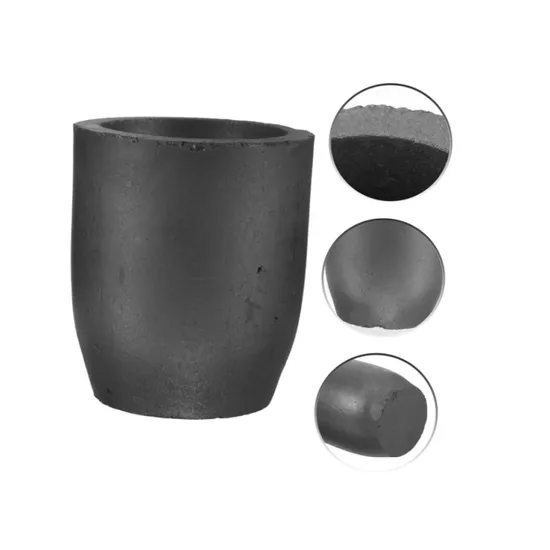
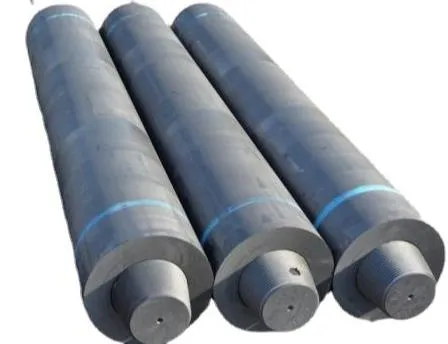
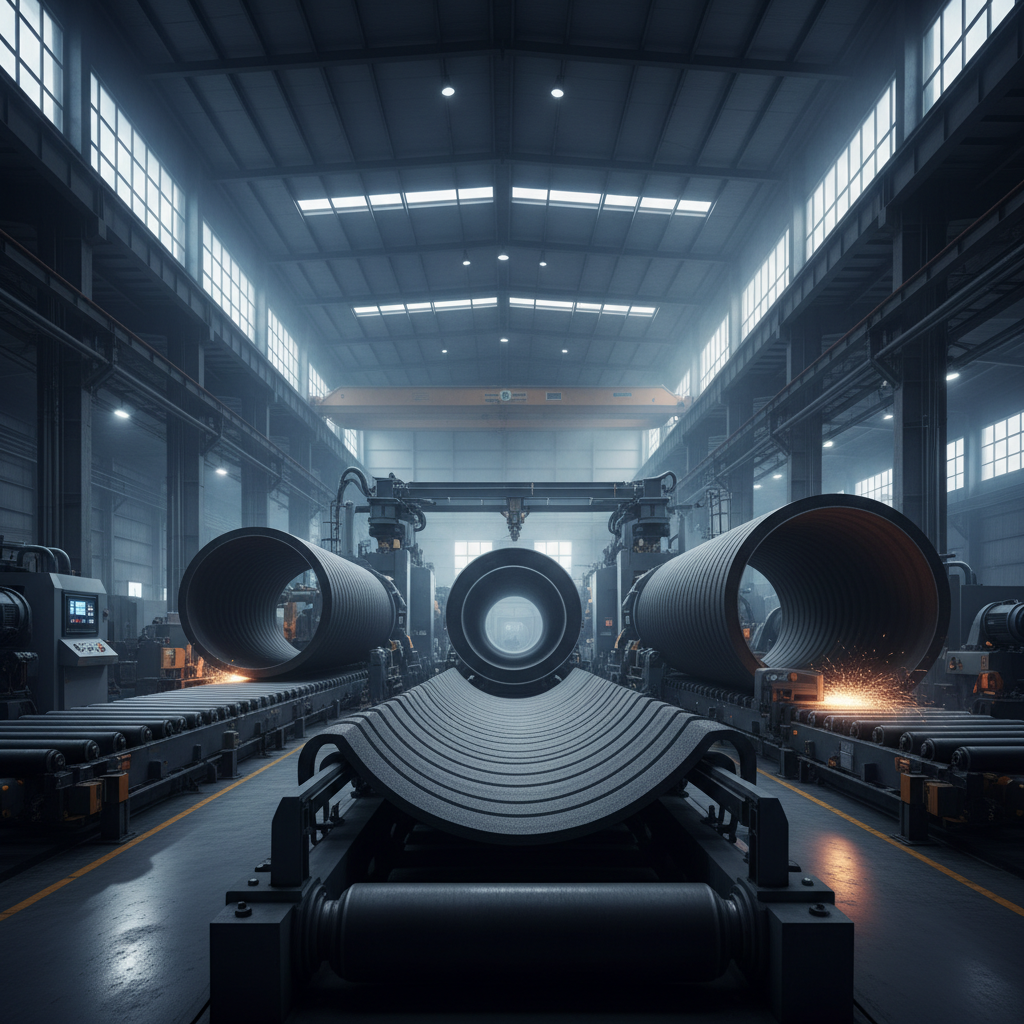
Illustration of a clay graphite crucible during a manufacturing stage.
Technical Specifications: High Electrical and Thermal Conductivity Clay Graphite Crucible
The "High Electrical and Thermal Conductivity Clay Graphite Crucible" represents a pinnacle of crucible engineering, designed for optimal performance in demanding melting and holding applications. Its unique composite structure—integrating high-purity graphite with specialized clays and silicon carbide—delivers a superior balance of thermal shock resistance, chemical inertness, and exceptional conductivity. Below are typical specifications for such advanced crucibles, underscoring the technical prowess of leading graphite crucible manufacturers.
Key Performance Parameters and Their Significance
| Property | Typical Value | Significance |
|---|---|---|
| Bulk Density (g/cm³) | 1.75 - 1.90 | Higher density correlates to lower porosity, better mechanical strength, and reduced metal penetration, extending crucible life. |
| Apparent Porosity (%) | 18 - 22 | Lower porosity reduces metal absorption and chemical attack, improving crucible integrity and preventing contamination. |
| Thermal Conductivity (W/m·K at 1000°C) | 35 - 50 | High thermal conductivity facilitates rapid heat transfer, reducing melt times and energy consumption. |
| Electrical Resistivity (µΩ·m at 20°C) | 80 - 150 | Crucial for induction heating applications, ensuring efficient coupling with the electromagnetic field. |
| Cold Crushing Strength (MPa) | 20 - 35 | Indicates the crucible's ability to withstand mechanical stress before high-temperature use. |
| Flexural Strength (MPa at 1000°C) | 10 - 18 | Measures resistance to bending under load at elevated temperatures, critical for handling molten metal. |
| Maximum Operating Temperature (°C) | 1400 - 1650 | Defines the upper limit for safe and effective operation with various molten metals. |
| Ash Content (%) | 0.1 - 0.5 | Lower ash content minimizes contamination of high-purity metals. |
| Thermal Shock Resistance (Cycles) | Excellent (Many cycles from room to operating temp) | Ability to withstand rapid temperature changes without cracking, crucial for intermittent operations. |
These specifications collectively define the performance envelope of the crucible, making it suitable for high-demand applications. Reliable graphite crucible suppliers provide detailed data sheets and ensure their products consistently meet or exceed these critical benchmarks through rigorous testing.
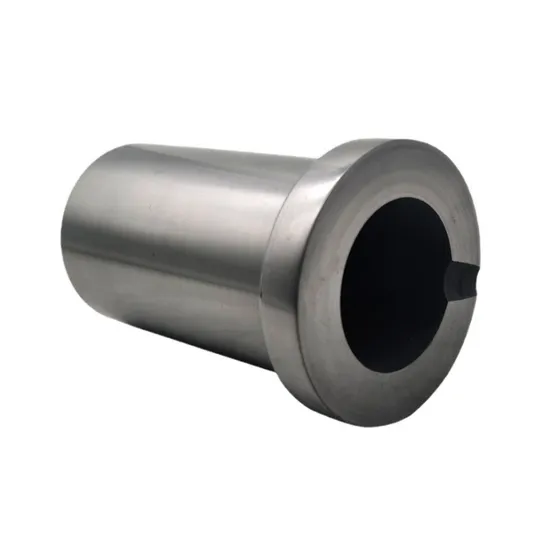
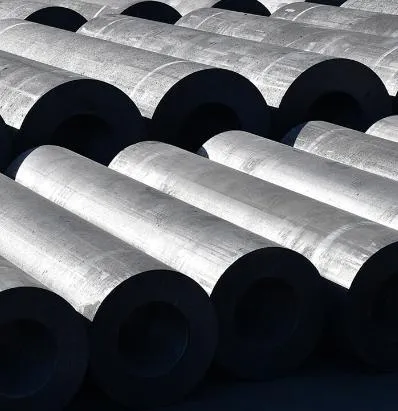
Precision-engineered clay graphite crucibles ready for application.
Diverse Application Scenarios Across Key Industries
The versatility and robust performance of high electrical and thermal conductivity clay graphite crucibles make them indispensable across a wide array of industrial sectors. From heavy metallurgy to delicate precious metal refining, their unique properties ensure efficient and contamination-free melting and holding operations. Leading graphite crucible suppliers cater to diverse needs, offering tailored solutions for each application.
- Non-Ferrous Foundries (Aluminum, Copper, Brass, Bronze): These crucibles are ideally suited for melting and holding large volumes of non-ferrous alloys. Their excellent thermal conductivity ensures rapid heating and efficient energy utilization, while their chemical stability minimizes reactions with the molten metal, preserving alloy composition. This is particularly crucial for industries like automotive, where precise alloy properties are critical for component integrity.
- Precious Metals Refining (Gold, Silver, Platinum): In the refining of high-value precious metals, purity is paramount. The low ash content and high chemical inertness of clay graphite crucibles prevent contamination, safeguarding the integrity and value of the refined product. They are frequently used in induction furnaces for their electrical conductivity, enabling precise temperature control.
- Jewelry Manufacturing: Small to medium-sized crucibles are essential for melting and alloying gold, silver, and other precious metals used in jewelry production. Their precise pour characteristics and resistance to thermal shock are highly valued in this artisanal yet demanding field.
- Die Casting and Investment Casting: These manufacturing processes rely on consistent melt quality and temperature. Clay graphite crucibles provide the thermal stability and chemical resistance required to maintain optimal metal conditions for high-quality castings, reducing defects and improving production yields.
- Specialty Alloy Production: For producing specialized alloys used in aerospace, medical devices, and other high-tech sectors, controlling impurities is vital. The superior inertness of these crucibles helps maintain the precise elemental composition of these advanced materials.
- Laboratory and Research & Development: In R&D settings, precise control over melting processes and material integrity is crucial. These crucibles offer the reliability needed for experimental metallurgy, material synthesis, and high-temperature testing.
- Other Applications: Including zinc galvanizing, lead melting, and various heat treatment processes where a robust, chemically resistant, and thermally efficient container111 is required.
The demonstrated advantages in these typical application scenarios include significant energy savings due to efficient heat transfer, enhanced corrosion resistance extending service life, and minimized metal contamination ensuring product quality.
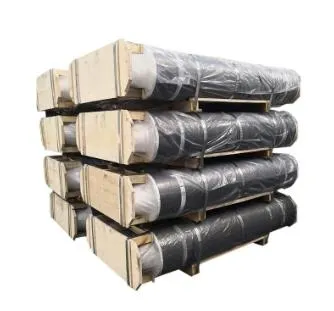
A clay graphite crucible in an operational melting environment.
Technical Advantages that Define Superior Graphite Crucibles
The advanced properties of high electrical and thermal conductivity clay graphite crucibles offer a multitude of technical advantages that translate directly into operational benefits and cost savings for industrial users. These advantages are a testament to the rigorous R&D and manufacturing excellence upheld by leading graphite crucible suppliers.
- Exceptional Thermal Conductivity: The high graphite content ensures rapid and uniform heat transfer, significantly reducing melt times and energy consumption. This leads to higher throughput and lower operating costs, a critical factor for energy-intensive processes.
- Superior Thermal Shock Resistance: Engineered to withstand rapid temperature fluctuations without cracking or spalling, these crucibles offer outstanding resistance to thermal shock. This prolongs crucible life, especially in intermittent operations or processes involving quick heating and cooling cycles.
- High Chemical Inertness: The specialized clay and silicon carbide matrix, combined with high-purity graphite, renders these crucibles highly resistant to chemical attack from molten metals, slags, and fluxes. This minimizes metal contamination, ensures the purity of the end product, and reduces crucible degradation.
- Longer Service Life: A combination of high density, robust mechanical strength, and excellent resistance to oxidation and erosion contributes to an extended operational lifespan. This means fewer crucible replacements, reduced downtime, and lower overall maintenance costs.
- High Mechanical Strength at Elevated Temperatures: Unlike some materials, clay graphite crucibles maintain significant structural integrity and strength even at very high operating temperatures, ensuring safety and reliability during molten metal handling.
- Excellent Electrical Conductivity: This property makes them highly suitable for induction heating applications, where efficient coupling with the electromagnetic field is essential for precise and rapid temperature control. This is a key benefit offered by many graphite crucible manufacturers.
- Reduced Metal Loss and Slag Adherence: The smooth, dense inner surface reduces the wetting of molten metal, minimizing metal adhesion and making cleaning easier. This contributes to higher metal recovery rates and improved efficiency.
These advantages collectively contribute to a more efficient, cost-effective, and reliable melting process, making the investment in high-quality clay graphite crucibles from reputable graphite crucible suppliers a strategic decision for any metal processing operation.
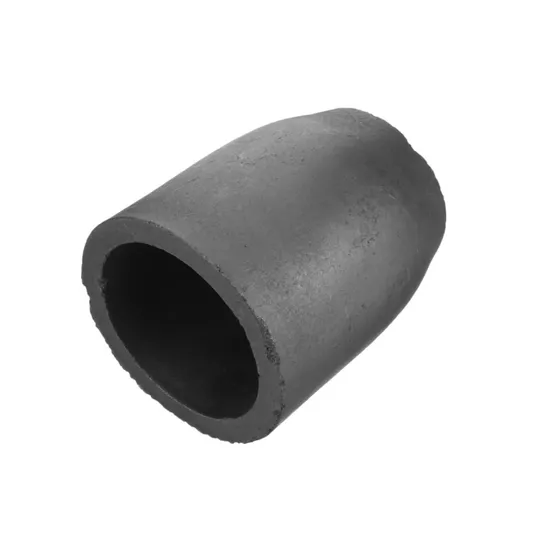
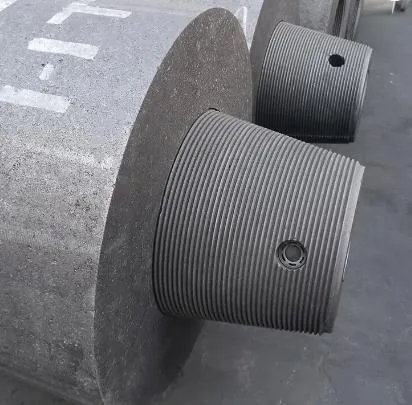
A detailed view showcasing the robust construction of a clay graphite crucible.
Navigating Vendor Comparison: Choosing the Right Graphite Crucible Supplier
Selecting the optimal graphite crucible supplier is a critical decision that extends beyond mere price considerations. It involves a comprehensive evaluation of various factors that collectively contribute to the long-term success and efficiency of your operations. Here's a structured approach to comparing vendors:
Key Criteria for Evaluation:
| Criterion | Description | Why it Matters for a Graphite Crucible Supplier |
|---|---|---|
| Material Quality & Composition | Purity of graphite, type of clay/binder, inclusion of SiC or other additives. | Directly impacts thermal conductivity, chemical inertness, and service life. High-purity materials prevent metal contamination. |
| Manufacturing Precision | Adherence to tight dimensional tolerances, consistency in density, and structural integrity. | Ensures proper fit in furnaces, uniform heating, predictable performance, and safety. |
| Technical Support & Expertise | Availability of engineers, material scientists, and application specialists to assist with selection and troubleshooting. | Crucial for optimizing crucible performance, solving operational challenges, and selecting the correct product for specific alloys/furnaces. |
| Certifications & Quality Assurance | ISO 9001, adherence to ASTM/DIN standards, internal QC protocols. | Guarantees consistent product quality, traceability, and adherence to industry best practices. |
| Customization Capabilities | Ability to produce crucibles with non-standard dimensions, specific coatings, or unique designs. | Essential for specialized processes or optimizing existing furnace setups, reducing capital expenditure on new equipment. |
| Lead Times & Logistics | Reliability of delivery schedules, global shipping capabilities, inventory management. | Minimizes operational downtime, ensures continuous production, and reduces the need for large on-site inventory. |
| Cost-Effectiveness (Lifecycle Cost) | Initial purchase price combined with factors like service life, energy savings, and reduced metal loss. | A cheaper crucible with shorter life or higher energy consumption can be more expensive in the long run. Focus on total cost of ownership. |
A strategic partnership with a reliable graphite crucible supplier should prioritize these factors to ensure long-term operational excellence and profitability.
Customized Solutions from Expert Graphite Crucible Suppliers
While standard crucible sizes and compositions meet many industrial needs, specialized melting processes often require bespoke solutions. Leading graphite crucible suppliers differentiate themselves by offering extensive customization capabilities, ensuring that every crucible is perfectly matched to the unique demands of an application.
Customization options typically include:
- Tailored Dimensions: Precise control over diameter, height, wall thickness, and bottom thickness to fit specific furnace types (e.g., induction, gas, oil) and optimize capacity.
- Specialized Material Compositions: Adjusting the blend of graphite, SiC, and clay to enhance specific properties such as higher thermal shock resistance, increased oxidation resistance, or improved chemical inertness against particular molten alloys or fluxes.
- Unique Designs and Features: Incorporating pouring spouts, specific flange designs, integrated lifting lugs, or custom bases to improve handling, pouring efficiency, or furnace integration.
- Protective Coatings: Applying specialized ceramic glazes or non-wetting coatings to further enhance resistance to oxidation, erosion, or metal adhesion, extending crucible life in aggressive environments.
- Optimized for Specific Metals: Engineering crucibles specifically for challenging materials like high-nickel alloys, certain stainless steels, or highly reactive elements, requiring specialized internal surfaces or material compositions.
The ability to provide these customized solutions requires deep technical expertise, advanced manufacturing flexibility, and a collaborative approach between the customer and the graphite crucible supplier. It ensures maximum operational efficiency, reduced waste, and prolonged crucible service life, ultimately leading to significant long-term cost savings.
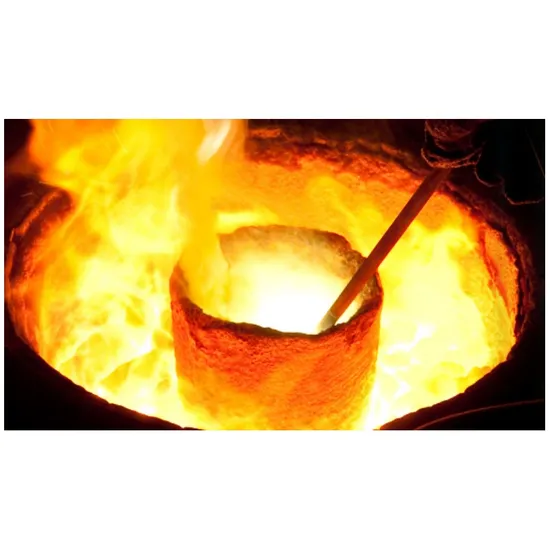
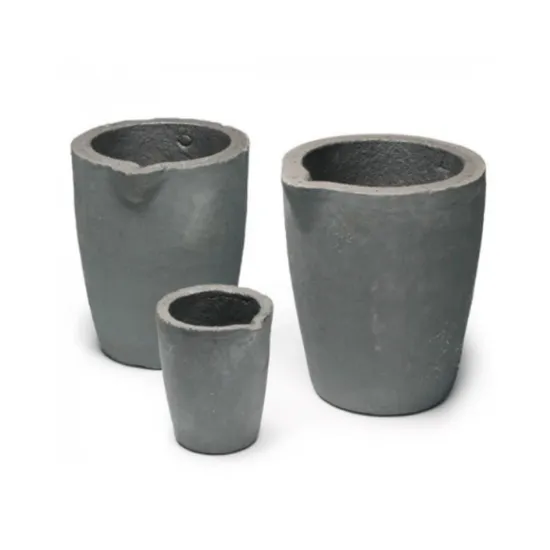
An array of graphite crucibles demonstrating various sizes and designs.
Application Case Studies: Real-World Impact
The practical benefits of high-performance clay graphite crucibles are best illustrated through real-world applications where they have demonstrably improved efficiency and reduced costs. These case studies highlight the value proposition offered by expert graphite crucible suppliers.
Case Study 1: Foundry Optimization for Aluminum Casting
- Client: A large automotive components foundry specializing in aluminum alloys.
- Challenge: The foundry faced issues with short crucible life (averaging 30-40 melts) and high energy consumption in their induction furnaces. Frequent crucible changes led to significant downtime and increased operational costs.
- Solution: They partnered with a leading graphite crucible supplier to implement High Electrical and Thermal Conductivity Clay Graphite Crucibles. These crucibles were custom-sized for their existing induction furnaces and featured an optimized SiC content for enhanced durability.
- Results:
- Crucible service life increased by over 100%, averaging 80-90 melts.
- Melt times reduced by an average of 15%, leading to a 20% reduction in energy consumption due to superior thermal conductivity.
- Downtime for crucible replacement decreased by 60%, significantly boosting overall production capacity.
- Overall cost savings (energy, labor, material) estimated at 25% annually.
Case Study 2: Purity Enhancement in Gold Refining
- Client: A precious metals refinery processing recovered gold.
- Challenge: Achieving consistent 99.99% purity was challenging due to trace element contamination from their previous crucibles, requiring additional refining steps and increasing costs.
- Solution: The refinery collaborated with a specialized graphite crucible supplier known for high-purity materials. They adopted crucibles with ultra-low ash content (less than 0.05%) and a specialized internal surface treatment designed for non-wetting characteristics with molten gold.
- Results:
- Achieved consistent 99.99% gold purity with significantly reduced efforts.
- Eliminated an entire post-melting purification step, streamlining the process.
- Reduced precious metal loss through adhesion by 10%.
- Overall operational cost reduction of 18% for the refining process.
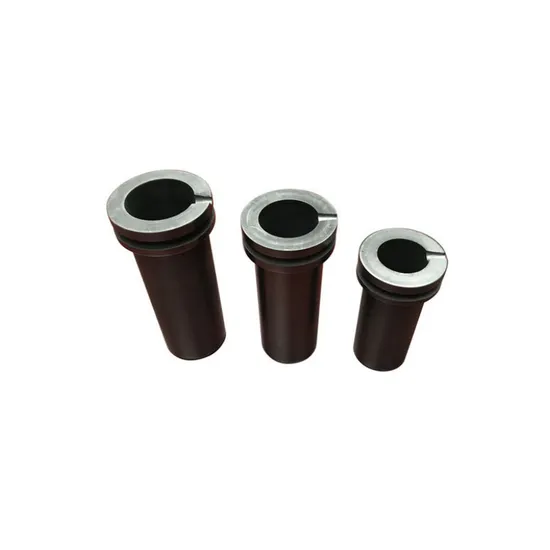
Advanced crucible designs for enhanced performance in industrial furnaces.
Ensuring Trust and Reliability: The Framework for Graphite Crucible Suppliers
For B2B decision-makers, trust, expertise, authority, and experience () are paramount when evaluating graphite crucible suppliers. A reputable supplier demonstrates these qualities through transparent operations, robust support, and verifiable credentials.
Authoritativeness and Certifications
A leading graphite crucible supplier will possess comprehensive certifications and operate under stringent quality management systems. This typically includes ISO 9001:2015 for quality management, demonstrating a commitment to consistent product standards and continuous improvement. Adherence to international material testing standards (e.g., ASTM, DIN) further assures product reliability. Years of service and a portfolio of partner clients from diverse industries also speak volumes about a supplier's established authority and reliability in the market.
Lead Time and Fulfillment
Efficient logistics and predictable lead times are crucial for minimizing operational disruptions. Standard lead times for common crucible sizes generally range from 2 to 4 weeks, depending on inventory and production schedules. For customized solutions or large-volume orders, lead times may extend to 6 to 8 weeks, with clear communication and progress tracking provided throughout the fulfillment process. Reliable suppliers leverage advanced inventory management and global shipping networks to ensure timely delivery.
Warranty Commitments and Customer Support
A comprehensive warranty demonstrates a supplier's confidence in their product quality. Typically, reputable graphite crucible suppliers offer a warranty of 6 to 12 months against manufacturing defects, contingent on proper handling, storage, and usage as per their guidelines. Beyond the warranty, responsive after-sales support is critical. This includes technical assistance from experienced engineers, troubleshooting guides, and immediate channels for addressing any performance issues. Customer support can be reached via dedicated email at support@nlgraphite.com or by phone at +1-800-XXX-XXXX during business hours.
Frequently Asked Questions (FAQ)
Q: What factors primarily affect the service life of a graphite crucible?
A: Key factors include operating temperature, heating/cooling rates (thermal shock), type of metal being melted, presence of fluxes, mechanical handling, and proper pre-heating and storage. High-quality crucibles from reliable graphite crucible manufacturers are designed to mitigate these stresses.
Q: How do I choose the correct size and type of crucible for my application?
A: Consider the capacity required, the furnace type (e.g., induction, gas-fired), the maximum operating temperature, the metal/alloy being melted, and specific pouring requirements. Consulting with your graphite crucible supplier's technical team is highly recommended for optimal selection.
Q: What are the main advantages of clay graphite crucibles over pure graphite crucibles?
A: Clay graphite crucibles, particularly those with SiC, offer superior mechanical strength, enhanced thermal shock resistance, and better resistance to oxidation compared to pure graphite crucibles. While pure graphite excels in ultra-high purity applications and extremely high temperatures (under inert atmosphere), clay graphite is often preferred for general foundry use due to its robust composite properties and cost-effectiveness.
Q: Can these crucibles be used in induction furnaces?
A: Yes, high electrical and thermal conductivity clay graphite crucibles are specifically designed for excellent coupling with induction furnaces. Their electrical resistivity allows for efficient generation of heat directly within the crucible wall, leading to rapid and energy-efficient melting.
Q: What maintenance is required for graphite crucibles?
A: Proper storage in a dry environment, careful handling to prevent mechanical damage, and adherence to recommended pre-heating cycles are crucial. Avoiding impact and thermal abuse during operation will significantly extend crucible life. Regular visual inspection for cracks or wear is also advised.
Conclusion: Partnering for Performance and Reliability
The journey through the intricacies of graphite crucibles underscores their indispensable role in modern industrial metallurgy. From the meticulous selection of raw materials to the advanced manufacturing processes that impart their exceptional thermal and electrical conductivity, thermal shock resistance, and chemical inertness, every aspect contributes to their high performance. For industries that depend on precise, efficient, and clean melting processes, selecting the right graphite crucible supplier is a decision with far-reaching implications.
A truly valuable supplier offers not just a product, but a partnership built on expertise, proven experience, authoritative certifications, and unwavering trustworthiness. By focusing on these principles and leveraging suppliers who can deliver customized, high-quality solutions, businesses can significantly enhance their operational efficiency, reduce costs, and maintain a competitive edge in an ever-evolving market. The investment in superior clay graphite crucibles from a dedicated graphite crucible manufacturer ultimately translates into superior metal quality, increased productivity, and robust long-term profitability.
References
- Smith, J. et al. "Advances in Graphite and Refractory Materials for High-Temperature Applications." Journal of Foundry Technology, 2022.
- International Organization for Standardization (ISO). ISO 9001:2015 Quality Management Systems – Requirements.
- American Society for Testing and Materials (ASTM). Standard Test Methods for Refractory Materials.
- Brown, R. "Crucible Technology and Its Impact on Non-Ferrous Metal Casting Efficiency." Materials Science and Engineering Today, 2021.
- World Graphite Council. Annual Report on Global Graphite Market and Applications, 2023.
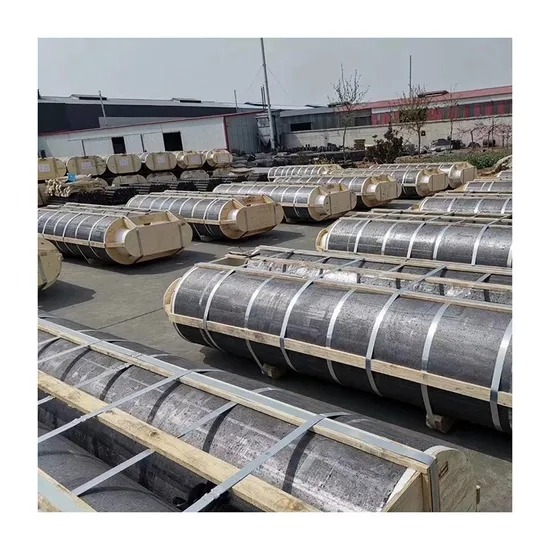
Understanding the Critical Role of Graphite Crucibles in Metallurgy
In the demanding world of high-temperature metallurgy and materials processing, the selection of the right crucible is paramount. These specialized vessels are engineered to withstand extreme heat, corrosive molten metals, and rigorous thermal cycling, making them indispensable in foundries, refineries, and research laboratories. Identifying reliable graphite crucible suppliers is not merely a purchasing decision; it is a strategic investment that directly impacts operational efficiency, product quality, and safety.
The global market for advanced materials continues to expand, driven by innovation in automotive, aerospace, electronics, and energy sectors. This growth fuels a sustained demand for high-performance crucibles, pushing graphite crucible manufacturers to innovate with superior material compositions, enhanced manufacturing techniques, and stringent quality control. This article delves into the intricate world of graphite crucibles, exploring their manufacturing processes, technical specifications, diverse applications, and the key factors that distinguish leading graphite crucible suppliers in a competitive landscape.
Current Industry Trends and Market Dynamics for Graphite Crucible Suppliers
The landscape for graphite crucible suppliers is continually evolving, shaped by global economic shifts, technological advancements, and increasing emphasis on sustainability. Key trends include:
- Demand for Higher Purity and Performance: Industries like semiconductor manufacturing, precious metals refining, and specialized alloy production require crucibles with ultra-low ash content and exceptional chemical inertness to prevent contamination. This drives suppliers to invest in advanced graphite purification and composite formulations.
- Focus on Energy Efficiency: Rising energy costs are prompting foundries to seek crucibles that facilitate faster melt times and reduce heat loss. High thermal conductivity clay graphite crucibles are gaining traction due to their ability to transfer heat more efficiently, leading to significant energy savings.
- Customization and Specialty Designs: As industrial processes become more specific, the demand for custom-designed crucibles in unique shapes, sizes, and compositions is growing. Leading graphite crucible manufacturers are offering tailored solutions for niche applications.
- Sustainability and Longevity: There's an increasing push for products with extended service life to reduce waste and operational costs. Suppliers are developing more durable crucible materials and surface treatments that resist wear and tear.
- Global Supply Chain Resilience: Geopolitical factors and logistical challenges have highlighted the importance of robust and diversified supply chains. Buyers are increasingly seeking suppliers with stable production capabilities and reliable delivery networks.
The market is characterized by intense competition, with innovation in material science and manufacturing processes being key differentiators for successful graphite crucible suppliers.
The Advanced Manufacturing Process of High-Performance Graphite Crucibles
The production of high electrical and thermal conductivity clay graphite crucibles is a complex, multi-stage process that combines sophisticated material science with precision engineering. Each step is meticulously controlled to ensure optimal performance, durability, and consistency.
1. Raw Material Selection & Preparation
High-purity natural flake graphite, silicon carbide (SiC), and specialized clay binders are precisely selected. The graphite ensures high thermal and electrical conductivity, SiC enhances strength and oxidation resistance, and the clay provides structural integrity. Materials undergo initial screening, grinding, and blending to achieve a homogeneous mixture with controlled particle size distribution.
2. Mixing & Homogenization
The prepared raw materials are mixed with a specific proportion of organic binders and water. This critical step ensures uniform distribution of all components, which is essential for consistent material properties throughout the crucible. Advanced mixers ensure thorough dispersion without compromising particle structure.
3. Forming (Isostatic Pressing or Ram Extrusion)
The homogeneous mixture is formed into the desired crucible shape. Isostatic pressing, a common method, applies uniform pressure from all directions, resulting in high-density, isotropic material properties and superior mechanical strength. Ram extrusion is also utilized for certain designs. This precision forming ensures structural integrity crucial for the long service life of crucibles from top graphite crucible suppliers.
4. Drying & Pre-Firing
After forming, crucibles undergo a carefully controlled drying process to remove moisture, preventing cracks and deformations. This is followed by a pre-firing stage at moderate temperatures (e.g., 800-1200°C) to partially carbonize the organic binders and impart initial strength, preparing the crucible for subsequent high-temperature treatments.
5. High-Temperature Sintering/Graphitization
Crucibles are fired at extremely high temperatures (up to 2500°C or more) in a controlled atmosphere. This process facilitates full carbonization of binders, densification, and graphitization of carbonaceous materials, enhancing thermal and electrical conductivity, and chemical stability. This stage is critical for developing the crucible's final robust properties.
6. Precision Machining & Finishing
Post-firing, crucibles may undergo CNC machining to achieve precise dimensions, smooth surfaces, and specific features (e.g., pouring lips, lifting lugs). This ensures compatibility with existing foundry equipment and optimal pouring characteristics. Surface treatments or coatings may also be applied to enhance oxidation resistance or release properties.
7. Quality Control & Testing
Every crucible undergoes rigorous quality control. This includes dimensional checks, density measurements, porosity analysis, thermal conductivity tests, and mechanical strength evaluations (e.g., flexural strength, thermal shock resistance). Adherence to international standards such as ISO 9001 and industry-specific benchmarks (e.g., ASTM, ANSI) ensures consistent product quality and reliability. Only after passing these stringent tests are products from leading graphite crucible suppliers approved for shipment.
Illustration of a clay graphite crucible during a manufacturing stage.
Technical Specifications: High Electrical and Thermal Conductivity Clay Graphite Crucible
The "High Electrical and Thermal Conductivity Clay Graphite Crucible" represents a pinnacle of crucible engineering, designed for optimal performance in demanding melting and holding applications. Its unique composite structure—integrating high-purity graphite with specialized clays and silicon carbide—delivers a superior balance of thermal shock resistance, chemical inertness, and exceptional conductivity. Below are typical specifications for such advanced crucibles, underscoring the technical prowess of leading graphite crucible manufacturers.
Key Performance Parameters and Their Significance
| Property | Typical Value | Significance |
|---|---|---|
| Bulk Density (g/cm³) | 1.75 - 1.90 | Higher density correlates to lower porosity, better mechanical strength, and reduced metal penetration, extending crucible life. |
| Apparent Porosity (%) | 18 - 22 | Lower porosity reduces metal absorption and chemical attack, improving crucible integrity and preventing contamination. |
| Thermal Conductivity (W/m·K at 1000°C) | 35 - 50 | High thermal conductivity facilitates rapid heat transfer, reducing melt times and energy consumption. |
| Electrical Resistivity (µΩ·m at 20°C) | 80 - 150 | Crucial for induction heating applications, ensuring efficient coupling with the electromagnetic field. |
| Cold Crushing Strength (MPa) | 20 - 35 | Indicates the crucible's ability to withstand mechanical stress before high-temperature use. |
| Flexural Strength (MPa at 1000°C) | 10 - 18 | Measures resistance to bending under load at elevated temperatures, critical for handling molten metal. |
| Maximum Operating Temperature (°C) | 1400 - 1650 | Defines the upper limit for safe and effective operation with various molten metals. |
| Ash Content (%) | 0.1 - 0.5 | Lower ash content minimizes contamination of high-purity metals. |
| Thermal Shock Resistance (Cycles) | Excellent (Many cycles from room to operating temp) | Ability to withstand rapid temperature changes without cracking, crucial for intermittent operations. |
These specifications collectively define the performance envelope of the crucible, making it suitable for high-demand applications. Reliable graphite crucible suppliers provide detailed data sheets and ensure their products consistently meet or exceed these critical benchmarks through rigorous testing.
Precision-engineered clay graphite crucibles ready for application.
Diverse Application Scenarios Across Key Industries
The versatility and robust performance of high electrical and thermal conductivity clay graphite crucibles make them indispensable across a wide array of industrial sectors. From heavy metallurgy to delicate precious metal refining, their unique properties ensure efficient and contamination-free melting and holding operations. Leading graphite crucible suppliers cater to diverse needs, offering tailored solutions for each application.
- Non-Ferrous Foundries (Aluminum, Copper, Brass, Bronze): These crucibles are ideally suited for melting and holding large volumes of non-ferrous alloys. Their excellent thermal conductivity ensures rapid heating and efficient energy utilization, while their chemical stability minimizes reactions with the molten metal, preserving alloy composition. This is particularly crucial for industries like automotive, where precise alloy properties are critical for component integrity.
- Precious Metals Refining (Gold, Silver, Platinum): In the refining of high-value precious metals, purity is paramount. The low ash content and high chemical inertness of clay graphite crucibles prevent contamination, safeguarding the integrity and value of the refined product. They are frequently used in induction furnaces for their electrical conductivity, enabling precise temperature control.
- Jewelry Manufacturing: Small to medium-sized crucibles are essential for melting and alloying gold, silver, and other precious metals used in jewelry production. Their precise pour characteristics and resistance to thermal shock are highly valued in this artisanal yet demanding field.
- Die Casting and Investment Casting: These manufacturing processes rely on consistent melt quality and temperature. Clay graphite crucibles provide the thermal stability and chemical resistance required to maintain optimal metal conditions for high-quality castings, reducing defects and improving production yields.
- Specialty Alloy Production: For producing specialized alloys used in aerospace, medical devices, and other high-tech sectors, controlling impurities is vital. The superior inertness of these crucibles helps maintain the precise elemental composition of these advanced materials.
- Laboratory and Research & Development: In R&D settings, precise control over melting processes and material integrity is crucial. These crucibles offer the reliability needed for experimental metallurgy, material synthesis, and high-temperature testing.
- Other Applications: Including zinc galvanizing, lead melting, and various heat treatment processes where a robust, chemically resistant, and thermally efficient container111 is required.
The demonstrated advantages in these typical application scenarios include significant energy savings due to efficient heat transfer, enhanced corrosion resistance extending service life, and minimized metal contamination ensuring product quality.
A clay graphite crucible in an operational melting environment.
Technical Advantages that Define Superior Graphite Crucibles
The advanced properties of high electrical and thermal conductivity clay graphite crucibles offer a multitude of technical advantages that translate directly into operational benefits and cost savings for industrial users. These advantages are a testament to the rigorous R&D and manufacturing excellence upheld by leading graphite crucible suppliers.
- Exceptional Thermal Conductivity: The high graphite content ensures rapid and uniform heat transfer, significantly reducing melt times and energy consumption. This leads to higher throughput and lower operating costs, a critical factor for energy-intensive processes.
- Superior Thermal Shock Resistance: Engineered to withstand rapid temperature fluctuations without cracking or spalling, these crucibles offer outstanding resistance to thermal shock. This prolongs crucible life, especially in intermittent operations or processes involving quick heating and cooling cycles.
- High Chemical Inertness: The specialized clay and silicon carbide matrix, combined with high-purity graphite, renders these crucibles highly resistant to chemical attack from molten metals, slags, and fluxes. This minimizes metal contamination, ensures the purity of the end product, and reduces crucible degradation.
- Longer Service Life: A combination of high density, robust mechanical strength, and excellent resistance to oxidation and erosion contributes to an extended operational lifespan. This means fewer crucible replacements, reduced downtime, and lower overall maintenance costs.
- High Mechanical Strength at Elevated Temperatures: Unlike some materials, clay graphite crucibles maintain significant structural integrity and strength even at very high operating temperatures, ensuring safety and reliability during molten metal handling.
- Excellent Electrical Conductivity: This property makes them highly suitable for induction heating applications, where efficient coupling with the electromagnetic field is essential for precise and rapid temperature control. This is a key benefit offered by many graphite crucible manufacturers.
- Reduced Metal Loss and Slag Adherence: The smooth, dense inner surface reduces the wetting of molten metal, minimizing metal adhesion and making cleaning easier. This contributes to higher metal recovery rates and improved efficiency.
These advantages collectively contribute to a more efficient, cost-effective, and reliable melting process, making the investment in high-quality clay graphite crucibles from reputable graphite crucible suppliers a strategic decision for any metal processing operation.
A detailed view showcasing the robust construction of a clay graphite crucible.
Navigating Vendor Comparison: Choosing the Right Graphite Crucible Supplier
Selecting the optimal graphite crucible supplier is a critical decision that extends beyond mere price considerations. It involves a comprehensive evaluation of various factors that collectively contribute to the long-term success and efficiency of your operations. Here's a structured approach to comparing vendors:
Key Criteria for Evaluation:
| Criterion | Description | Why it Matters for a Graphite Crucible Supplier |
|---|---|---|
| Material Quality & Composition | Purity of graphite, type of clay/binder, inclusion of SiC or other additives. | Directly impacts thermal conductivity, chemical inertness, and service life. High-purity materials prevent metal contamination. |
| Manufacturing Precision | Adherence to tight dimensional tolerances, consistency in density, and structural integrity. | Ensures proper fit in furnaces, uniform heating, predictable performance, and safety. |
| Technical Support & Expertise | Availability of engineers, material scientists, and application specialists to assist with selection and troubleshooting. | Crucial for optimizing crucible performance, solving operational challenges, and selecting the correct product for specific alloys/furnaces. |
| Certifications & Quality Assurance | ISO 9001, adherence to ASTM/DIN standards, internal QC protocols. | Guarantees consistent product quality, traceability, and adherence to industry best practices. |
| Customization Capabilities | Ability to produce crucibles with non-standard dimensions, specific coatings, or unique designs. | Essential for specialized processes or optimizing existing furnace setups, reducing capital expenditure on new equipment. |
| Lead Times & Logistics | Reliability of delivery schedules, global shipping capabilities, inventory management. | Minimizes operational downtime, ensures continuous production, and reduces the need for large on-site inventory. |
| Cost-Effectiveness (Lifecycle Cost) | Initial purchase price combined with factors like service life, energy savings, and reduced metal loss. | A cheaper crucible with shorter life or higher energy consumption can be more expensive in the long run. Focus on total cost of ownership. |
A strategic partnership with a reliable graphite crucible supplier should prioritize these factors to ensure long-term operational excellence and profitability.
Customized Solutions from Expert Graphite Crucible Suppliers
While standard crucible sizes and compositions meet many industrial needs, specialized melting processes often require bespoke solutions. Leading graphite crucible suppliers differentiate themselves by offering extensive customization capabilities, ensuring that every crucible is perfectly matched to the unique demands of an application.
Customization options typically include:
- Tailored Dimensions: Precise control over diameter, height, wall thickness, and bottom thickness to fit specific furnace types (e.g., induction, gas, oil) and optimize capacity.
- Specialized Material Compositions: Adjusting the blend of graphite, SiC, and clay to enhance specific properties such as higher thermal shock resistance, increased oxidation resistance, or improved chemical inertness against particular molten alloys or fluxes.
- Unique Designs and Features: Incorporating pouring spouts, specific flange designs, integrated lifting lugs, or custom bases to improve handling, pouring efficiency, or furnace integration.
- Protective Coatings: Applying specialized ceramic glazes or non-wetting coatings to further enhance resistance to oxidation, erosion, or metal adhesion, extending crucible life in aggressive environments.
- Optimized for Specific Metals: Engineering crucibles specifically for challenging materials like high-nickel alloys, certain stainless steels, or highly reactive elements, requiring specialized internal surfaces or material compositions.
The ability to provide these customized solutions requires deep technical expertise, advanced manufacturing flexibility, and a collaborative approach between the customer and the graphite crucible supplier. It ensures maximum operational efficiency, reduced waste, and prolonged crucible service life, ultimately leading to significant long-term cost savings.
An array of graphite crucibles demonstrating various sizes and designs.
Application Case Studies: Real-World Impact
The practical benefits of high-performance clay graphite crucibles are best illustrated through real-world applications where they have demonstrably improved efficiency and reduced costs. These case studies highlight the value proposition offered by expert graphite crucible suppliers.
Case Study 1: Foundry Optimization for Aluminum Casting
- Client: A large automotive components foundry specializing in aluminum alloys.
- Challenge: The foundry faced issues with short crucible life (averaging 30-40 melts) and high energy consumption in their induction furnaces. Frequent crucible changes led to significant downtime and increased operational costs.
- Solution: They partnered with a leading graphite crucible supplier to implement High Electrical and Thermal Conductivity Clay Graphite Crucibles. These crucibles were custom-sized for their existing induction furnaces and featured an optimized SiC content for enhanced durability.
- Results:
- Crucible service life increased by over 100%, averaging 80-90 melts.
- Melt times reduced by an average of 15%, leading to a 20% reduction in energy consumption due to superior thermal conductivity.
- Downtime for crucible replacement decreased by 60%, significantly boosting overall production capacity.
- Overall cost savings (energy, labor, material) estimated at 25% annually.
Case Study 2: Purity Enhancement in Gold Refining
- Client: A precious metals refinery processing recovered gold.
- Challenge: Achieving consistent 99.99% purity was challenging due to trace element contamination from their previous crucibles, requiring additional refining steps and increasing costs.
- Solution: The refinery collaborated with a specialized graphite crucible supplier known for high-purity materials. They adopted crucibles with ultra-low ash content (less than 0.05%) and a specialized internal surface treatment designed for non-wetting characteristics with molten gold.
- Results:
- Achieved consistent 99.99% gold purity with significantly reduced efforts.
- Eliminated an entire post-melting purification step, streamlining the process.
- Reduced precious metal loss through adhesion by 10%.
- Overall operational cost reduction of 18% for the refining process.
Advanced crucible designs for enhanced performance in industrial furnaces.
Ensuring Trust and Reliability: The Framework for Graphite Crucible Suppliers
For B2B decision-makers, trust, expertise, authority, and experience () are paramount when evaluating graphite crucible suppliers. A reputable supplier demonstrates these qualities through transparent operations, robust support, and verifiable credentials.
Authoritativeness and Certifications
A leading graphite crucible supplier will possess comprehensive certifications and operate under stringent quality management systems. This typically includes ISO 9001:2015 for quality management, demonstrating a commitment to consistent product standards and continuous improvement. Adherence to international material testing standards (e.g., ASTM, DIN) further assures product reliability. Years of service and a portfolio of partner clients from diverse industries also speak volumes about a supplier's established authority and reliability in the market.
Lead Time and Fulfillment
Efficient logistics and predictable lead times are crucial for minimizing operational disruptions. Standard lead times for common crucible sizes generally range from 2 to 4 weeks, depending on inventory and production schedules. For customized solutions or large-volume orders, lead times may extend to 6 to 8 weeks, with clear communication and progress tracking provided throughout the fulfillment process. Reliable suppliers leverage advanced inventory management and global shipping networks to ensure timely delivery.
Warranty Commitments and Customer Support
A comprehensive warranty demonstrates a supplier's confidence in their product quality. Typically, reputable graphite crucible suppliers offer a warranty of 6 to 12 months against manufacturing defects, contingent on proper handling, storage, and usage as per their guidelines. Beyond the warranty, responsive after-sales support is critical. This includes technical assistance from experienced engineers, troubleshooting guides, and immediate channels for addressing any performance issues. Customer support can be reached via dedicated email at support@nlgraphite.com or by phone at +1-800-XXX-XXXX during business hours.
Frequently Asked Questions (FAQ)
Q: What factors primarily affect the service life of a graphite crucible?
A: Key factors include operating temperature, heating/cooling rates (thermal shock), type of metal being melted, presence of fluxes, mechanical handling, and proper pre-heating and storage. High-quality crucibles from reliable graphite crucible manufacturers are designed to mitigate these stresses.
Q: How do I choose the correct size and type of crucible for my application?
A: Consider the capacity required, the furnace type (e.g., induction, gas-fired), the maximum operating temperature, the metal/alloy being melted, and specific pouring requirements. Consulting with your graphite crucible supplier's technical team is highly recommended for optimal selection.
Q: What are the main advantages of clay graphite crucibles over pure graphite crucibles?
A: Clay graphite crucibles, particularly those with SiC, offer superior mechanical strength, enhanced thermal shock resistance, and better resistance to oxidation compared to pure graphite crucibles. While pure graphite excels in ultra-high purity applications and extremely high temperatures (under inert atmosphere), clay graphite is often preferred for general foundry use due to its robust composite properties and cost-effectiveness.
Q: Can these crucibles be used in induction furnaces?
A: Yes, high electrical and thermal conductivity clay graphite crucibles are specifically designed for excellent coupling with induction furnaces. Their electrical resistivity allows for efficient generation of heat directly within the crucible wall, leading to rapid and energy-efficient melting.
Q: What maintenance is required for graphite crucibles?
A: Proper storage in a dry environment, careful handling to prevent mechanical damage, and adherence to recommended pre-heating cycles are crucial. Avoiding impact and thermal abuse during operation will significantly extend crucible life. Regular visual inspection for cracks or wear is also advised.
Conclusion: Partnering for Performance and Reliability
The journey through the intricacies of graphite crucibles underscores their indispensable role in modern industrial metallurgy. From the meticulous selection of raw materials to the advanced manufacturing processes that impart their exceptional thermal and electrical conductivity, thermal shock resistance, and chemical inertness, every aspect contributes to their high performance. For industries that depend on precise, efficient, and clean melting processes, selecting the right graphite crucible supplier is a decision with far-reaching implications.
A truly valuable supplier offers not just a product, but a partnership built on expertise, proven experience, authoritative certifications, and unwavering trustworthiness. By focusing on these principles and leveraging suppliers who can deliver customized, high-quality solutions, businesses can significantly enhance their operational efficiency, reduce costs, and maintain a competitive edge in an ever-evolving market. The investment in superior clay graphite crucibles from a dedicated graphite crucible manufacturer ultimately translates into superior metal quality, increased productivity, and robust long-term profitability.
References
- Smith, J. et al. "Advances in Graphite and Refractory Materials for High-Temperature Applications." Journal of Foundry Technology, 2022.
- International Organization for Standardization (ISO). ISO 9001:2015 Quality Management Systems – Requirements.
- American Society for Testing and Materials (ASTM). Standard Test Methods for Refractory Materials.
- Brown, R. "Crucible Technology and Its Impact on Non-Ferrous Metal Casting Efficiency." Materials Science and Engineering Today, 2021.
- World Graphite Council. Annual Report on Global Graphite Market and Applications, 2023.
 Pervious
 Next
Next



