

- Englist



Reliable Graphite Rod Exporter for Industrial Applications

Why Choosing the Right Graphite Rod Exporter Matters in Industry
Having spent quite a few years in the industrial equipment sector, I can confidently say that the humble graphite rod often punches way above its weight. If you’re after durability, heat resistance, or electrical conductivity in harsh environments, these rods are the quiet heroes behind many crucial processes.
Now, finding a reliable graphite rod exporter isn’t just about price or delivery speed—although those obviously matter. It’s about the quality of material, precision in manufacturing, and frankly, the kind of support that lets you sleep well at night. You know, the supplier who knows their stuff and can recommend the right grade or design without you feeling like you're just a number.
What Makes Graphite Rods Essential in Industrial Equipment?
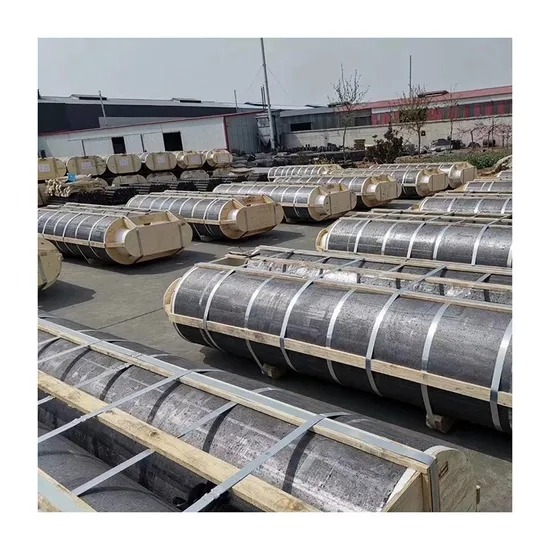
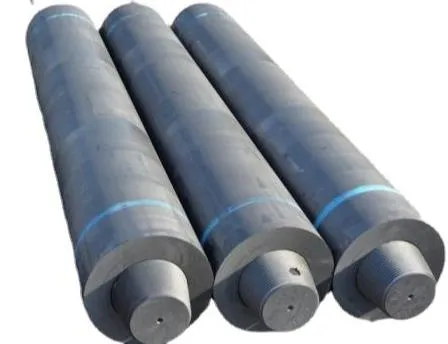
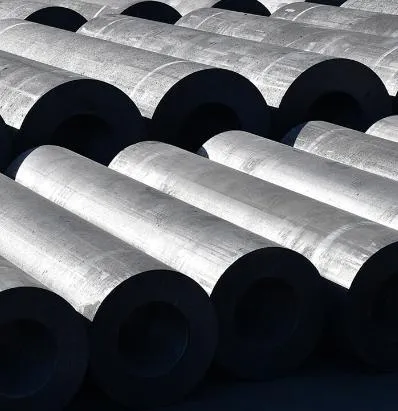
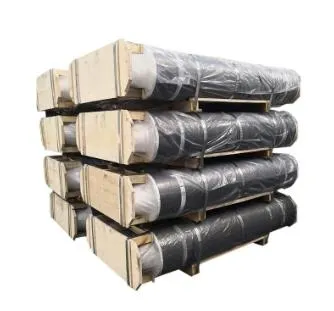
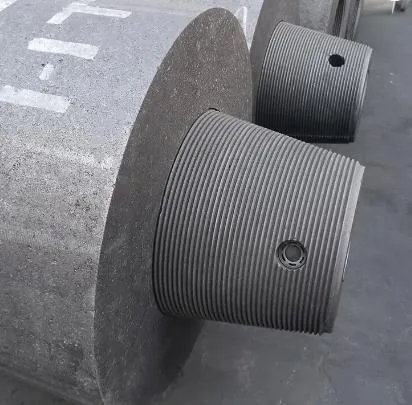
Graphite rods are widely used in electric arc furnaces, batteries, chemical reactors, and even in the semiconductor industry. Their thermal conductivity and resistance to chemical corrosion make them incredibly versatile. I remember a client who needed custom-sized rods for a large furnace operation—the rods had to withstand temperatures that’d melt most metals. With the right graphite rod exporter, they got the perfect match, which significantly improved their operation’s uptime.
Oddly enough, the demand for these rods has only grown with industries pushing the limits of high-temperature processes. They’re no longer just carbon sticks; advanced grades and coatings allow them to perform in super-tough conditions. Many engineers I’ve worked with mention that achieving consistent performance often boils down to the smallest variation in rod quality.
Graphite Rod Product Specifications to Expect
| Specification | Details |
|---|---|
| Diameter Range | 5 mm to 100 mm (custom sizes available) |
| Length | Up to 3 meters, tailored cuts on request |
| Purity Level | Over 99.5% carbon content |
| Density | 1.75 – 1.85 g/cm³ depending on grade |
| Thermal Conductivity | Up to 110 W/m·K |
| Resistance to Chemical Attack | Excellent, especially against acids and alkalis |
How to Spot a Trustworthy Graphite Rod Exporter
In real terms, it all comes down to transparency and quality assurance. A solid exporter typically offers detailed test reports, including density, purity analysis, and thermal conductivity. They should also be flexible—allowing custom dimension requests or special finishes, which, honestly, can be a total lifesaver in the field.
One story I often recall: A company needed rods that were unusually long and with a very precise diameter for their battery manufacturing. Most suppliers shrugged it off as “non-standard.” But the exporter they went with worked closely, ran extra tests, and even recommended tweaks that ended up enhancing the battery performance. That's the kind of partnership that’s gold.
| Exporter | Customization Options | Quality Certification | Typical Delivery Time | Customer Support |
|---|---|---|---|---|
| NLGraphite | Full custom diameters & lengths, coatings available | ISO 9001, SGS tested | 2–3 weeks | Dedicated account managers, 24/7 support |
| CarbonSupplies Inc. | Standard sizes only | ISO 9001 | 3–4 weeks | Email support weekdays |
| GraphiteGlobal | Custom sizes limited, coatings extra cost | SGS tested | 2–3 weeks | Phone and email, no dedicated reps |
Final Thoughts on Graphite Rod Exporting Today
Honestly, the industrial scene has gotten more demanding, and suppliers have to keep pace with tighter specs and faster turnaround. A trustworthy graphite rod exporter understands this tension and meets it head-on. They’re invested in quality, after all—because one bad rod could mean equipment downtime, costly repairs, or extended factory shutdowns.
If you ever find yourself deep in the selection process, take a moment to chat directly with your supplier. Technical nuances aside, that human connection often reveals if they really know the product — or if it’s just a box on a spreadsheet.
Anyway, I’ve seen too many “one size fits all” approaches fall short, so if your application is unique, don’t settle. And yes, it can feel like a bit of a maze, but it’s worth the effort.
All this said, for a balanced mix of quality, flexibility, and support, graphite rod exporter options like NLGraphite often tick those boxes pretty well.
References & reflections:
- My years working alongside operators and materials engineers, hearing firsthand what works and what doesn’t.
- The rising demands in electric furnace and battery manufacturing sectors pushing rod specs higher.
- Conversations with several exporters about lead times, customization, and quality certifications.
 Pervious
 Next
Next