

- Englist



Reliable Graphite Rod Supplier for Industrial Needs

Why Choosing the Right Graphite Rod Supplier Makes All The Difference
Having spent more than a decade in the industrial equipment world, I can tell you: not all graphite rods are created equal. Frankly, the differences can be quite subtle—until you’re knee-deep in a project and the material just doesn’t hold up. That’s when you realize the importance of knowing your graphite rod supplier.
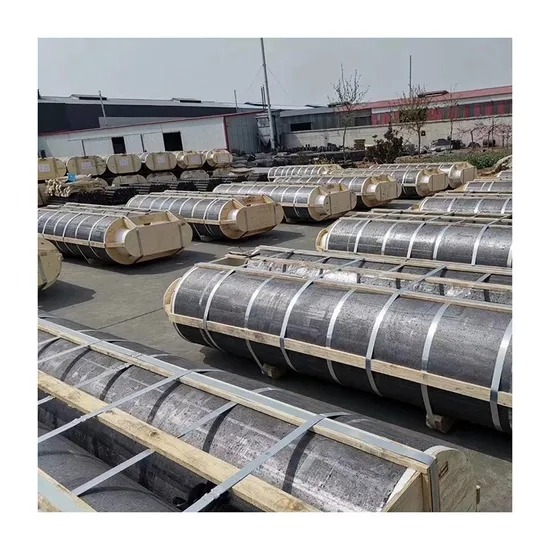
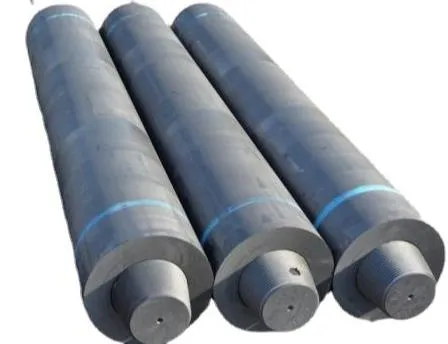
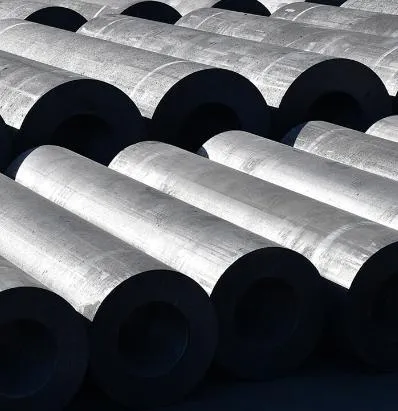
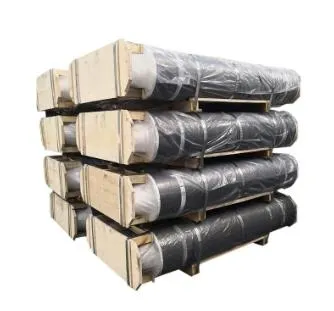
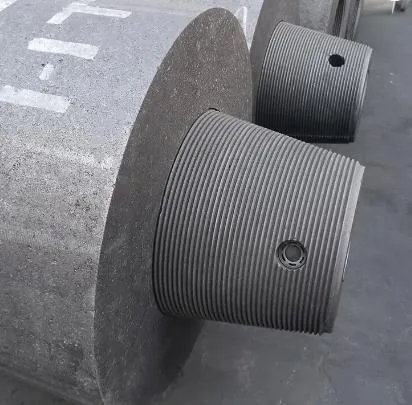
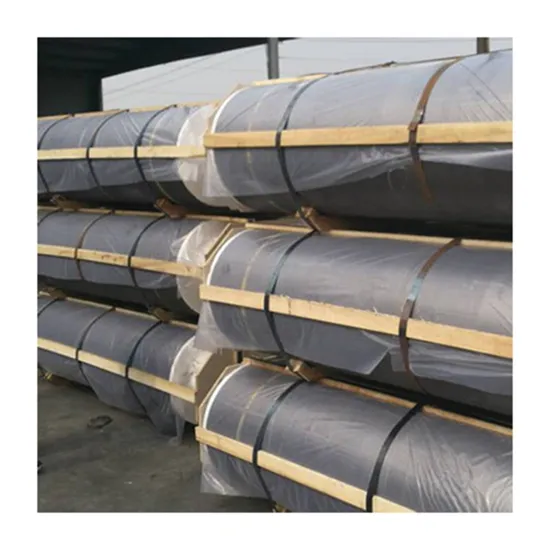
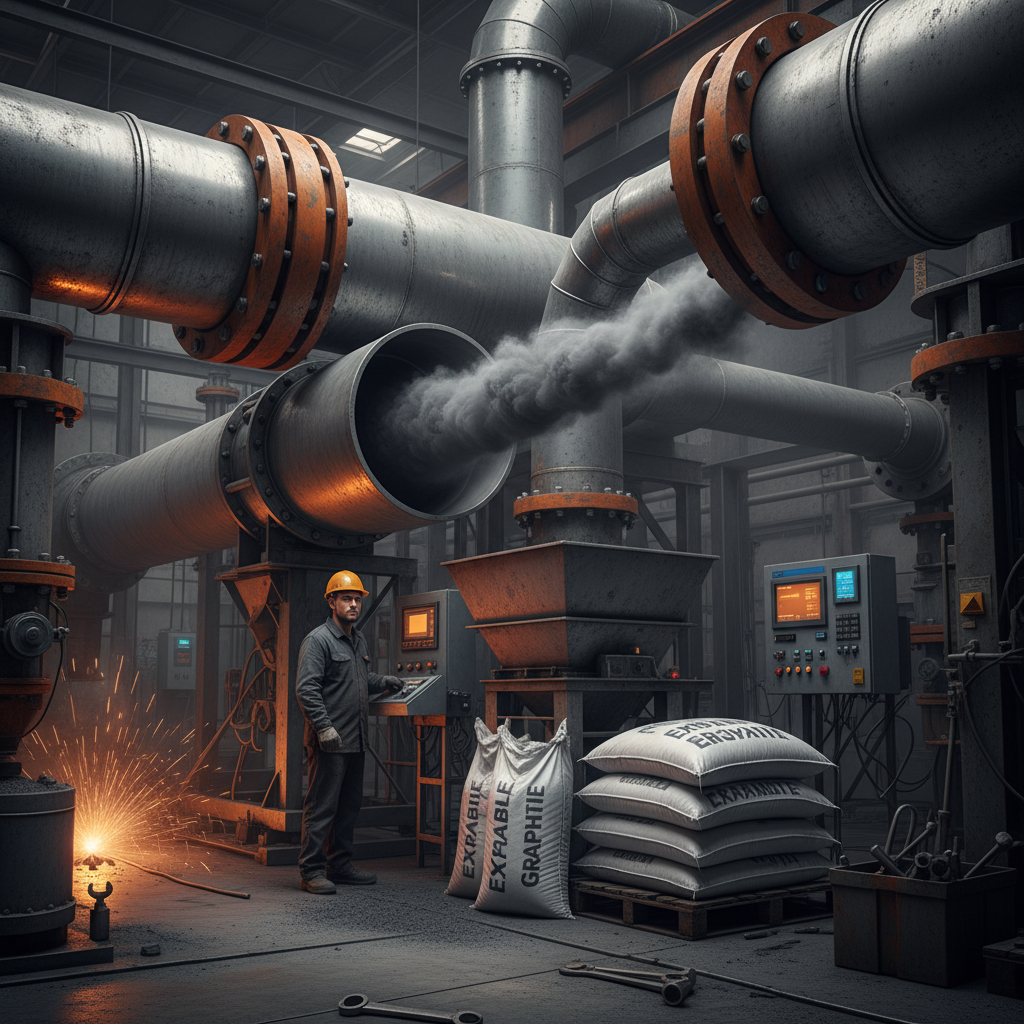
Graphite rods serve as the backbone in various sectors — from electric furnaces to precision machining and even heat exchangers. Their ability to withstand extreme temperatures and conduct heat efficiently makes them an industrial favorite. But the quality and specs depend heavily on the graphite grade, purity, and manufacturing process.
What You Need to Know About Graphite Rod Specifications
In my experience, engineers often ask for details like tensile strength, thermal conductivity, and density—but even more critical is the rod’s uniformity and resistance to oxidation. For example, when pushing rods through high-heat applications, any inconsistency in material can cause early wear or failure.
| Specification | Typical Value | Remarks |
|---|---|---|
| Length | 1000 - 3000 mm | Custom lengths available |
| Diameter | 5 - 50 mm | Tolerance ±0.1 mm |
| Density | 1.80 - 1.90 g/cm³ | Varies by grade |
| Thermal Conductivity | 110 - 160 W/mK | Important for heat management |
| Purity | ≥ 99.5% | High purity ensures performance |
Picking a Graphite Rod Supplier: What Sets Them Apart?
Over the years, I've worked with quite a few graphite suppliers — and I noticed a few recurring themes. Some focus on rapid delivery but sacrifice material quality. Others prioritize stringent quality controls but have slower custom options. Here’s a rough comparison that I think any buyer should consider:
| Supplier | Quality Consistency | Customization Options | Lead Time | Pricing |
|---|---|---|---|---|
| NLGraphite | Excellent | Full range | 2–3 weeks | Competitive |
| Supplier B | Good | Limited | 1 week | Higher |
| Supplier C | Fair | Moderate | 3–4 weeks | Budget |
From personal experience, the tradeoff between lead time and quality is real. In one case, a rushed job used cheaper rods that warped within a month — it was frustrating for the engineering team, to say the least. I guess when you're pushing equipment to its limits, the graphite has to keep up.
Customization and Testing: The Unsung Heroes
Oddly enough, what many overlook is the custom manufacturing capabilities of a supplier. Whether it’s rods with special coatings, tailored diameters, or rods designed to endure aggressive chemical environments, those options can extend the lifetime of your equipment substantially.
And then there’s testing. I remember visiting a plant where the supplier provided rods tested for mechanical strength, electrical resistivity, and even thermal shock resistance. Those tests weren’t just for show — the results informed the install process and helped avoid costly replacements. It feels like that kind of collaboration isn’t always standard but should be.
In real terms: picking a trusted graphite rod supplier is like choosing a partner, not just a vendor. Their expertise, reliability, and flexibility will influence everything down the line.
For anyone in industries from metallurgy to electronics, I’d say don’t just look at price tags. Consider the experience, the specs, how well your supplier listens — that’s the stuff that pays dividends in the long haul.
And yeah, sometimes the simplest graphite rod quietly keeps your whole system running without drama — which, in this line of work, feels like a small miracle.
References & Reflections:
1. Product datasheets and field tests from NLGraphite.
2. Personal experience with graphite rods in furnace maintenance.
3. Industry discussions on material performance and cost-efficiency.
 Pervious
 Next
Next