

- Englist



Solid Graphite Rods for Industrial Use – Durable & Customizable Solutions

Understanding Solid Graphite Rods: A Durable Backbone in Industrial Applications
Having spent quite a few years working hands-on in the industrial equipment sector, I’ve come to appreciate the unsung heroes that keep factories humming smoothly. One such hero is the solid graphite rod. It might sound a bit niche—though frankly, it’s anything but when you look beneath the surface.
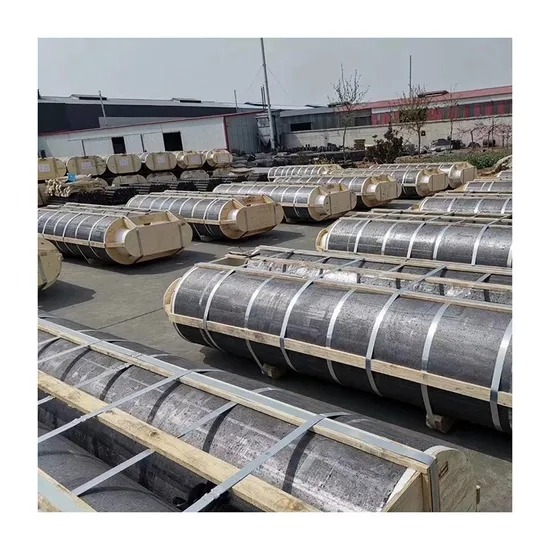
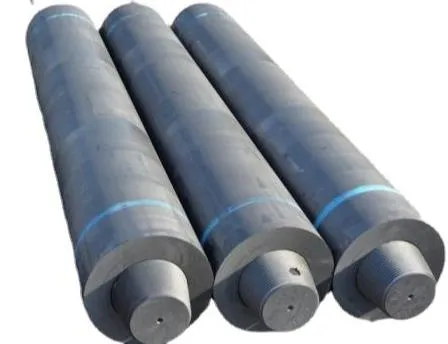
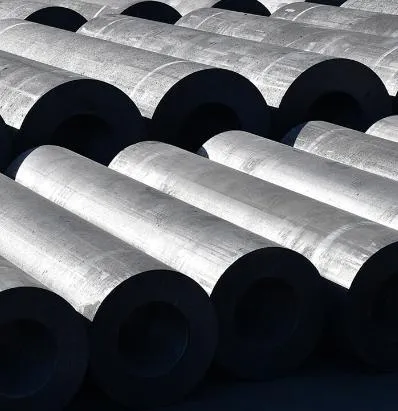
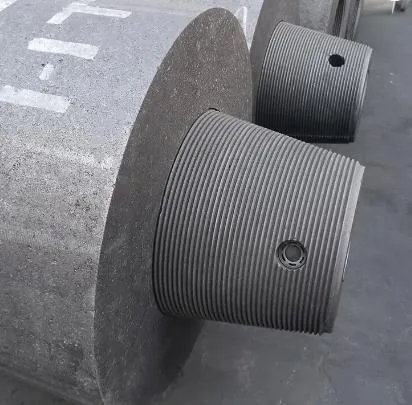
Graphite rods aren’t just black cylinders; they’re the backbone for many processes in industries ranging from metallurgy to electrical engineering. I remember one project where our choice of graphite rods literally saved the day during high-temp environments. You see, graphite’s unique properties—like its excellent thermal conductivity and chemical resistance—make it your go-to option when conventional metals start to fail.
Now, solid graphite rods are often crafted from high-grade synthetic graphite. This isn’t your run-of-the-mill stuff; it’s been processed and purified to reduce impurities, ensuring consistency in performance. Oddly enough, the balance between porosity and density matters a lot here. Too porous, and you risk brittleness; too dense, and you’re paying unnecessarily high costs.
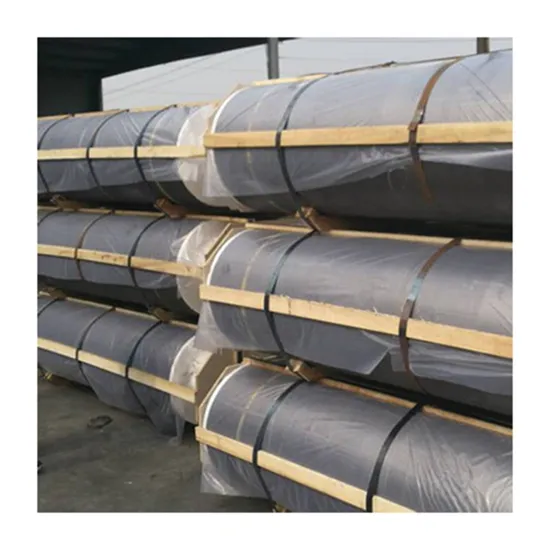
One of the things I noticed early on is how different vendors vary in their specifications and delivery precision. Unfortunately, not all rods are created equal, even if the specs look close on paper. That’s why I always recommend verifying the manufacturing process and testing methods. And speaking of which, I put together a quick rundown of typical specs for solid graphite rods below—kind of a cheat sheet for those who want to dive deeper.
| Specification | Typical Value | Units |
|---|---|---|
| Density | 1.75 – 1.83 | g/cm³ |
| Tensile Strength | 20 – 40 | MPa |
| Maximum Operating Temperature | 2500 | °C |
| Electrical Resistivity | 12 | μΩ·m |
| Porosity | 15 – 20% | — |
Industry trends show a steady demand for better quality and more customized graphite rods, especially as processes become more exacting with higher operational temperatures and more corrosive environments. One memory that stands out is when a client required extremely tight dimensional tolerances combined with low impurity levels for aerospace tooling. Working closely with the supplier, we got rods made to spec, and the parts had a noticeably longer lifespan.
That brings me to vendor selection. Not all manufacturers carry the same legacy or technical know-how. Here’s a simple comparison I find handy when advising newcomers or colleagues:
| Vendor | Custom Cut Options | Quality Certifications | Typical Lead Time | Global Shipping |
|---|---|---|---|---|
| NL Graphite | Yes | ISO 9001 | 1-2 weeks | Worldwide |
| Vendor A | Limited | ISO 14001 | 3-4 weeks | Regional |
| Vendor B | Yes | None | 2-3 weeks | Select countries |
Why does all this matter? Well, the right solid graphite rod can improve operational efficiency, reduce downtime, and withstand harsh environments that would destroy other materials. I suppose it’s easy to overlook such a mundane part, but it really pays off when you consider total lifecycle costs.
Also, customization is more accessible than ever. From diameter and length to tolerances and grades of graphite, you can tailor rods to exact requirements—something my team has taken advantage of to solve tricky application challenges.
Before I wrap up, here’s a quick anecdote: during a startup phase of an extremely demanding industrial furnace installation, we almost faced a major setback due to unexpected thermal shock affecting the electrodes. Luckily, switching to a higher grade of solid graphite rod with carefully controlled porosity saved the integrity of the system—and the client was thrilled. Small choices like these matter a lot!
All told, solid graphite rods remain a quiet but vital component in industrial settings. They require attention to detail from selection to application, and experience quickly shows which products bring long-term value.
Well, that’s my two cents from the workshop floor. If you’re exploring options, starting with a trusted supplier like NL Graphite is a safe bet in my experience.
References:
- "Graphite and Carbon Materials for Industrial Applications," Industrial Journal, 2022.
- Personal communications with materials engineers and equipment manufacturers, 2019-2023.
- NL Graphite product datasheets and quality certifications.
 Pervious
 Next
Next