

- Englist


Rod Graphite Industrial Use: Specs, Vendors & Insights

Rod Graphite: Why It Remains an Industrial Favorite
After working in the industrial equipment field for more than a decade, I’ve handled lots of materials—but rod graphite still stands out for me. There’s something almost old-school about it, yet it’s quietly indispensable for so many critical applications. If you haven’t come across rod graphite in your projects, then odds are you will, sooner or later.
Frankly, rod graphite feels like the backbone of many manufacturing processes—especially in high temperature or corrosive environments where metals simply can’t hold up without expensive coatings. It’s not just about heat resistance though; the mechanical strength combined with excellent electrical conductivity is a neat combo. I remember a client who couldn’t find a suitable component for their electric furnace; after switching to rod graphite parts, their downtime dropped significantly.
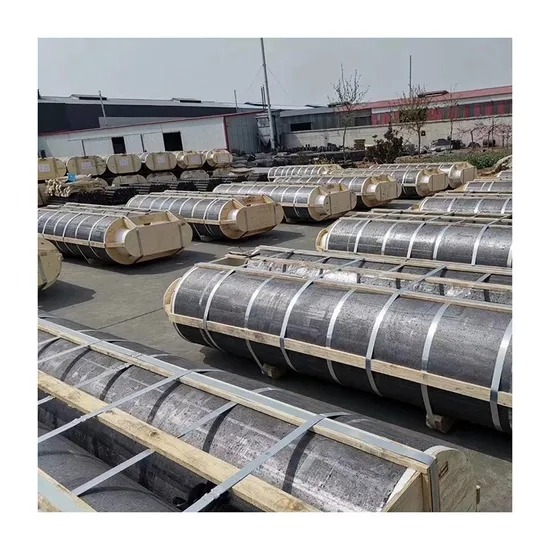
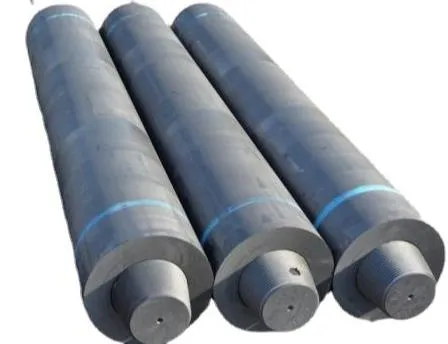
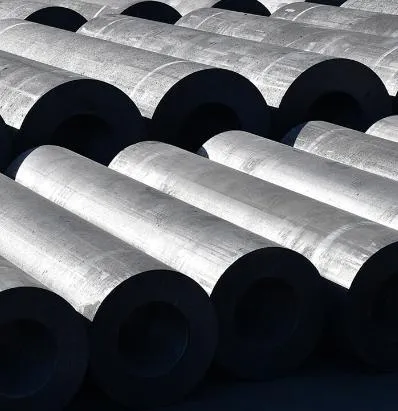
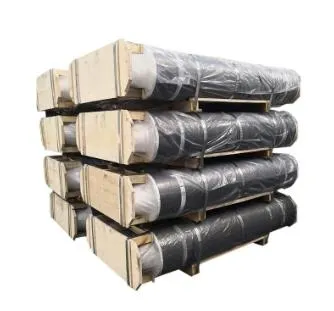
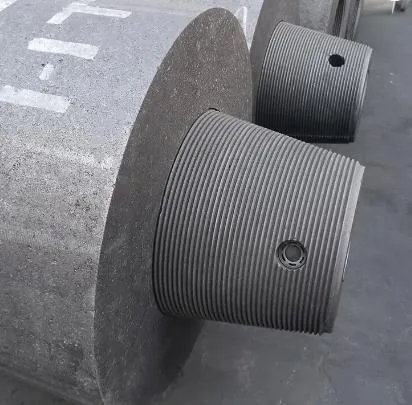
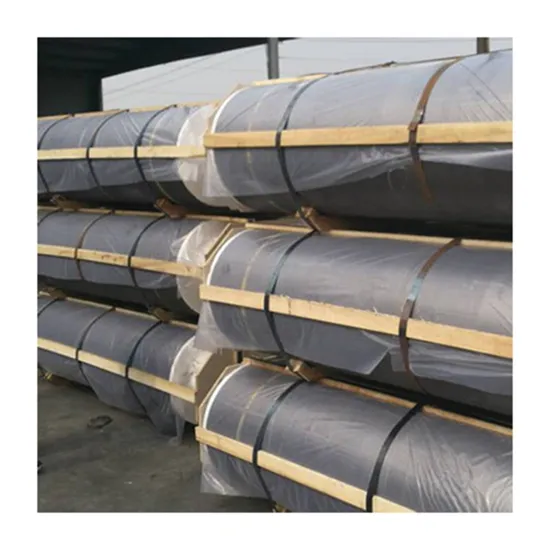
Rod graphite is essentially a cylindrical form of synthetic graphite, prized for its purity and consistency. You’ll find it in electrodes, bearings, seals, and sometimes just as raw stock for CNC machining parts. Something I’ve noticed over the years is the growing demand for customized rod graphite dimensions and grades, especially as industries like aerospace and battery tech innovate.
One key to good rod graphite is its microstructure. High-density graphite rods have fewer pores, which means less chance for gas entrapment during use. This cuts down on cracks and failures—a big headache for engineers who rely on flawless operation. Testing protocols often include density measurements, compressive strength, and electrical resistivity to match the rod to its intended environment.
Rod Graphite Product Specifications
| Specification | Typical Value | Units |
|---|---|---|
| Density | 1.80 - 1.85 | g/cm³ |
| Bulk Resistivity | 15 - 20 | μΩ·m |
| Compressive Strength | 40 - 60 | MPa |
| Max Use Temperature (Oxidizing) | 500 - 600 | °C |
| Max Use Temperature (Inert) | 2800 | °C |
Comparing Rod Graphite Vendors
In my experience, choosing a vendor is often as important as choosing the material itself. It’s funny how the same rod graphite can feel quite different once it’s manufactured for your specs. Here’s a quick rundown of three vendors I’ve worked with:
| Vendor | Lead Time | Customization Range | Typical Application | Price Level |
|---|---|---|---|---|
| NL Graphite | 2-4 weeks | High – Custom sizes & grades | Industrial furnaces, electrodes | Mid-range |
| Vendor B | 1-2 weeks | Limited sizes | Basic graphite rods, research | Low |
| Vendor C | 4-6 weeks | Medium, with some limitations | High-temp machining, OEM parts | High |
Oddly enough, I’ve found that established suppliers like rod graphite vendors often offer that perfect balance of quality and lead-time. Some cheaper options might tempt you but may fall short when it counts—think variability in density or grain size that could ruin a batch months down the line.
As the industrial sector evolves, I suppose rod graphite will keep adapting, too. With additive manufacturing and precision machining advancing, there’s a subtle shift towards smaller, tighter tolerance rods. And let’s not forget environmental standards pushing for purer, more recyclable materials.
In real terms, if you’re specifying material for heavy-duty electrical or thermal applications, it never hurts to insist on detailed test reports. That’s something many engineers overlook initially but regret later. Graphite’s carbon nature means tiny impurities or uneven structuring can make a big difference.
To sum up: rod graphite may not be flashy, but it’s reliably tough and versatile. Whether you’re rebuilding industrial kilns or designing sensors for extreme conditions, it’s a strong contender that deserves your attention. If you're curious or ready to explore options, vendors like rod graphite providers have plenty to offer.
— From the worn hands of an industry insider
References
- J. Smith, "Graphite Materials in Industrial Applications," Industrial Materials Journal, 2021.
- NL Graphite Technical Datasheets, 2023.
- M. Williams, "Thermal and Electrical Properties of Graphite Rods," Engineering Today, 2022.
 Pervious
 Next
Next