

- Englist



Understanding Amorphous Graphite Powder: Benefits, Applications & Global Insights

Amorphous Graphite Powder: What It Is and Why It Matters Globally
At first glance, graphite powder might sound like something only a chemist or engineer would care about. But amorphous graphite powder — well, that’s a special kind that’s quietly powering a wide span of industries worldwide. For anyone interested in sustainable materials, advanced manufacturing, or even disaster relief, understanding amorphous graphite powder offers tangible benefits. This seemingly humble black dust affects everything from battery life in electric vehicles to steelmaking, to thermal management in electronics. It’s one of those materials that sneak into our lives more than we realize.
Why does it matter globally? For starters, the demand for flexible, efficient energy storage and lightweight industrial materials is soaring. The United Nations estimates that global industrial output growth inevitably requires better materials to reduce environmental footprints. Amorphous graphite powder packs several advantages that help meet these challenges. So let’s dive deeper, and by the end, you’ll have a clearer, practical grasp of what this stuff really means.
Global Context: Why Amorphous Graphite Powder Is Gaining Momentum
Global trends are pushing the envelope on material science — take the ISO standards for sustainable materials or the World Bank’s focus on green infrastructure. Amorphous graphite powder, a non-crystalline form of graphite, fits nicely into these narratives. According to recent market analyses, the global graphite market is projected to hit over $27 billion by 2028, with amorphous graphite making up a significant share.
The problem it helps solve is pretty straightforward but complex in execution: how to develop materials that combine durability, conductivity, and cost efficiency without hefty environmental impacts. Amorphous graphite powder, being cheaper and more abundant than its crystalline cousins, is an excellent candidate, especially for rapidly developing countries or industries trying to decarbonize.
So, What Exactly Is Amorphous Graphite Powder?
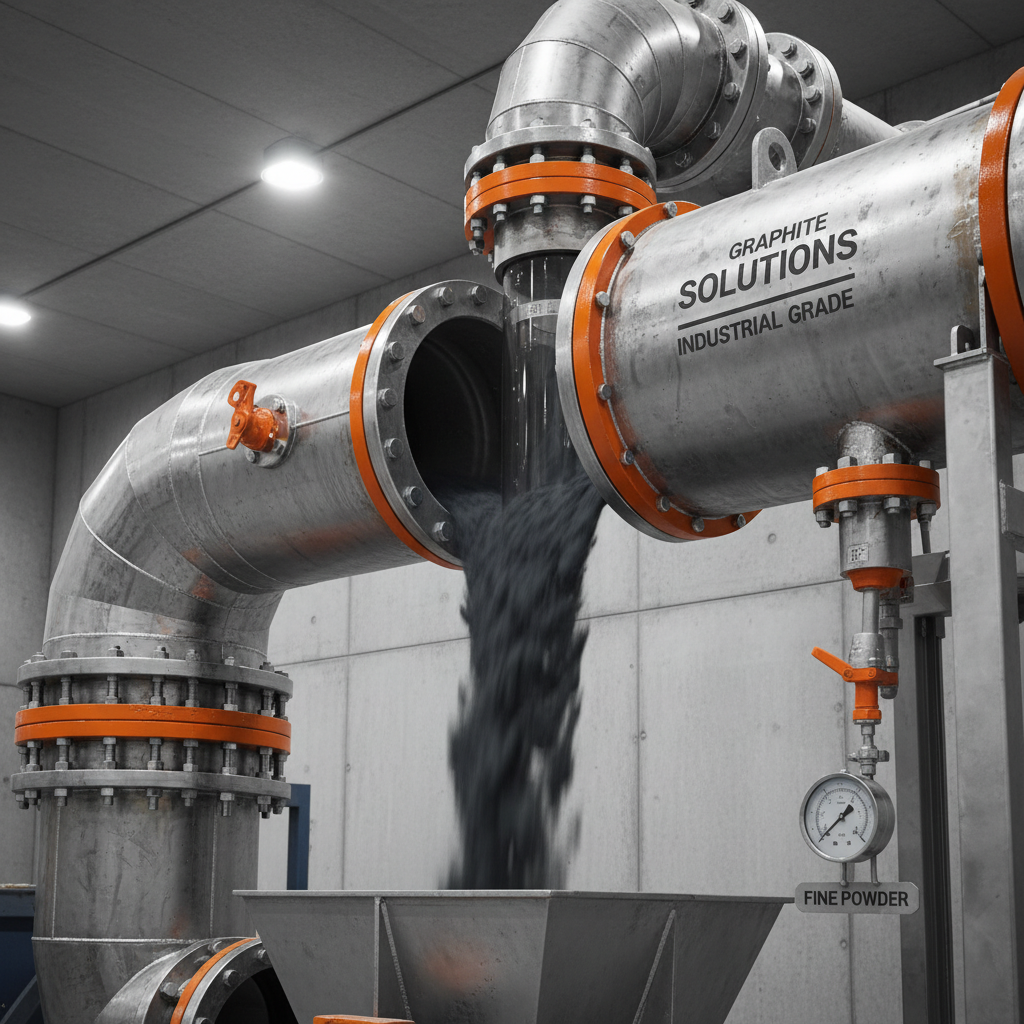
In simple terms, amorphous graphite powder is graphite that lacks the long-range crystalline structure typical of flake or vein graphite. The particles are smaller and more irregular, which affects properties like density, hardness, and reactivity. Think of it as the "rough draft" form of graphite, yet with practical advantages.
Industries love it for uses where microscopic particle size and surface area play a role — lubricants, battery anodes, refractories, and electrodes, for example. Oddly enough, amorphous graphite’s somewhat chaotic internal structure allows it to meet industrial needs where a less uniform but more adaptable material is beneficial.
Key Factors of Amorphous Graphite Powder
1. Particle Size and Surface Area
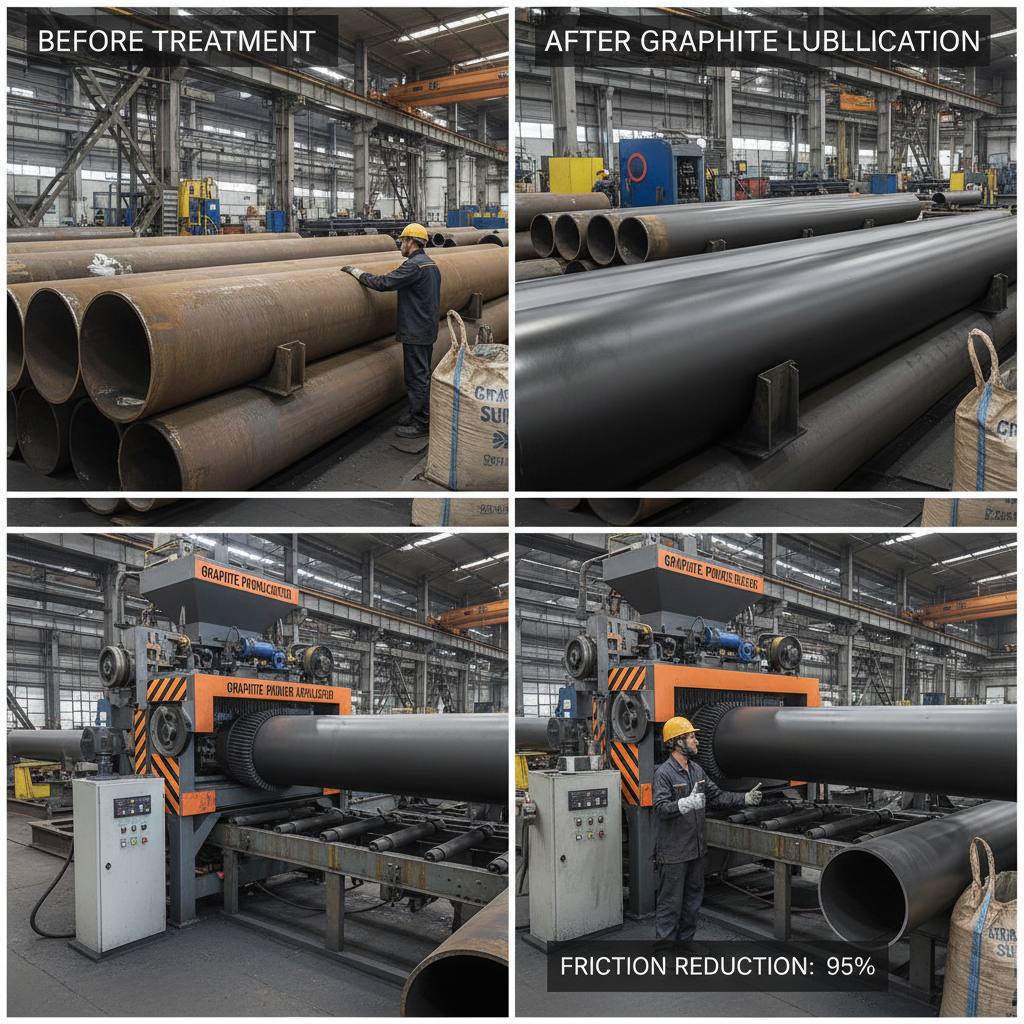
Usually less than 20 microns, amorphous graphite’s small particles have a high surface area. This means better reactivity and easier integration in composites or coatings. It’s a favorite in lubrication, where tiny particles reduce friction even under harsh conditions.
2. Cost Efficiency
Amorphous graphite powder is typically less expensive than its crystalline counterparts due to simpler mining and processing. Many manufacturers find that this balance of price and performance suits large-scale usage, like steelmaking, without compromising on quality.
3. Thermal and Electrical Conductivity
Although amorphous graphite is less conductive than flake graphite, it still has impressive properties that are good enough for many applications. For instance, thermal management in electronics often benefits from using amorphous graphite where cost constraints apply.
4. Chemical Stability and Durability
The powder resists chemical attack and high temperatures better than many other materials, making it suitable for refractory applications or battery anodes that cycle through harsh conditions.
Mini Takeaway
Understanding these key attributes helps to see why amorphous graphite powder is not just "filler" but an active material solving real challenges in industry.
Product Specification Table: Typical Amorphous Graphite Powder
| Property | Typical Value | Units | Remarks |
|---|---|---|---|
| Carbon Content | 85 – 95 | % | Depends on source |
| Particle Size (average) | 5 – 20 | µm | Micron scale |
| Ash Content | 5 – 10 | % | Lower is better |
| Electrical Conductivity | 400 – 800 | S/cm | Range varies |
| Bulk Density | 0.6 – 1.0 | g/cm³ | Influences packing |
Global Applications & Use Cases
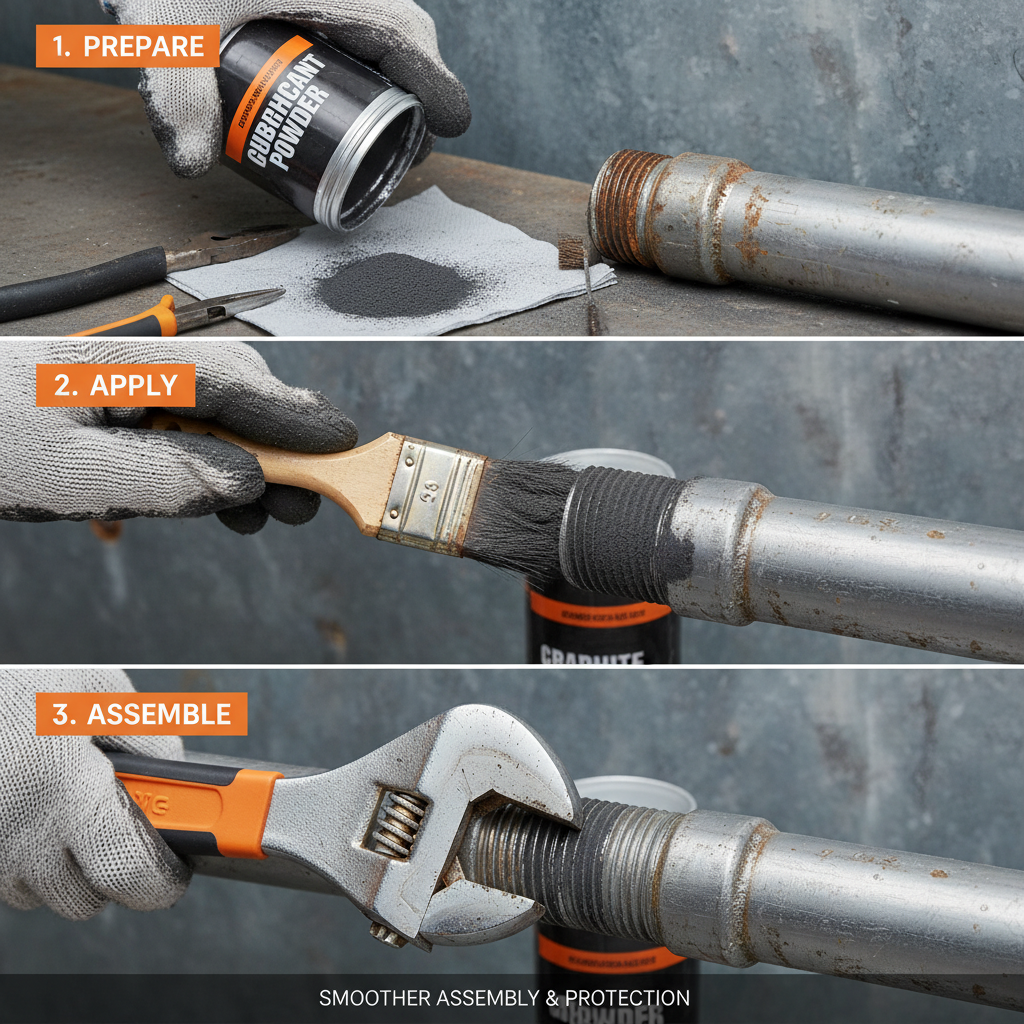
- Steel and Foundry Industries: Amorphous graphite powder acts as a lubricant and mold powder. In China and India’s steel belt regions, it lowers production costs significantly.
- Battery Anodes: Especially in lithium-ion batteries where cost and high surface area matter — many EV manufacturers source amorphous graphite for large-scale production.
- Refractories and Lubricants: In places like Germany and Japan, refractory bricks mixed with this graphite help withstand extreme heat in furnaces.
- Thermal Management: Electronics companies in South Korea and the US incorporate it in coatings to manage heat dissipation inside smartphones and laptops.
- Disaster Relief & Remote Areas: Oddly enough, powdered graphite’s role extends to field applications like lightweight electrical contacts in portable devices used by humanitarian groups.
Mini takeaway:
In real terms, amorphous graphite powder is quietly woven into processes from high-tech electronics to heavy industry – its versatility is impressive.
Advantages & Long-Term Value of Amorphous Graphite Powder
Let’s break it down outside the lab jargon:
- Cost-Effective: Cheaper to extract and produce, making products affordable without sacrificing critical performance.
- Environmentally Friendly: Uses less energy in processing compared to flake graphite — a plus for sustainable factories.
- Reliable Performance: Stands up well under extreme temperatures and chemical exposure, fostering trust in industrial use.
- Supports Technological Innovation: As energy storage systems advance, it provides accessible raw material for next-gen batteries.
- Social Impact: By enabling low-cost materials, industries can better support jobs and infrastructure in emerging markets.
Looking Ahead: Future Trends and Innovations
I’ve noticed a few trends: with the push toward greener technologies, amorphous graphite powder is increasingly tied to solid-state battery research, and composites for lightweight transportation. Automation in mining and synthesis also aims to improve purity and reduce costs further, making the material competitive in newer applications.
Plus, policies championing sustainability mean companies invest more in graphite that extracts responsibly and processes with a lower carbon footprint — so amorphous graphite’s relatively simpler processing is a bonus.
Challenges & Solutions in Using Amorphous Graphite Powder
One of the biggest challenges is impurity management. Being “amorphous” often means higher ash content, which can cause problems in sensitive industrial uses. That said, modern purification techniques — including thermal and chemical upgrading — are making strides, allowing wider application.
Another practical hurdle is consistency. Due to variable sources of the natural material, standardization is tricky but possible. Enterprises are collaborating on certification protocols to ensure predictable behavior batch-to-batch.
Overall, ongoing research addresses these constraints, improving quality without dramatically increasing cost.
Vendor Comparison: Leading Amorphous Graphite Powder Suppliers
| Supplier | Price (per ton) | Purity (%) | Lead Time (weeks) | Certifications |
|---|---|---|---|---|
| NL Graphite Co. | $2,200 | 95 | 2-3 | ISO 9001, REACH |
| Graphite Solutions Ltd. | $2,100 | 92 | 4-5 | ISO 14001 |
| CarbonTech Inc. | $2,350 | 97 | 3-4 | REACH, RoHS |
FAQ: Frequently Asked Questions About Amorphous Graphite Powder
Q1: What applications benefit most from amorphous graphite powder?
Primarily industries needing a cost-effective conductive material like battery anodes, lubricants, refractories, and steelmaking. Its fine particles and surface area make it ideal where minor crystalline perfection isn’t critical.
Q2: How does amorphous graphite powder compare to flake graphite?
It is generally cheaper and has a more irregular structure. Flake graphite has better electrical and thermal conductivity but costs more. The choice depends on application needs and budget.
Q3: Can amorphous graphite powder be used in eco-friendly products?
Yes. Because it requires less intensive processing, it fits well with green manufacturing principles. Additionally, its use in rechargeable batteries supports sustainable energy technologies.
Q4: What are common concerns when sourcing this material internationally?
Purity consistency, timely delivery, and certification compliance are key concerns. Working with reputable suppliers who provide test reports and comply with international standards is advisable.
Conclusion: Why Investing in Amorphous Graphite Powder Makes Sense
To put it simply, amorphous graphite powder offers a smart blend of affordability, practicality, and versatility. Whether you’re in manufacturing, energy, or tech development, it's a material worth considering carefully. Over the long haul, it supports innovation, helps lower costs, and aligns well with sustainability efforts. If you want to explore more or source high-quality material, visit amorphous graphite powder supplier NL Graphite Co.
References
 Pervious
 Next
Next