

- Englist



Essential Guide to Black Graphite Powder: Properties, Uses & Future Trends

Black Graphite Powder: A Universal Material Making a Global Impact
Have you ever paused to consider the hidden heroes of modern industry? One such unsung champion is black graphite powder, a material quietly revolutionizing sectors from manufacturing to energy storage. Though it may sound niche, understanding black graphite powder unlocks insights into sustainability, innovation, and global development challenges — all wrapped into one fine, carbon-rich dust. It’s a small particle with mighty benefits, especially for countries navigating industrial growth, resource constraints, or environmentally focused innovation.
The Global Context of Black Graphite Powder
On a worldwide scale, the demand for advanced carbon materials like black graphite powder keeps soaring. According to ISO standards and trade reports, the graphite market grew steadily by an average of 4-5% annually over the last decade. The global push for green energy and electric vehicles alone is a major driver — because graphite is crucial in lithium-ion battery anodes, thermal management systems, and lightweight composites.
However, there’s a catch. Industrial processes, mining, and carbon sourcing often create environmental drawbacks. That’s where black graphite powder, often produced via eco-friendlier synthetic routes or refined natural graphite, comes in. It offers a way to balance efficiency and impact, especially for emerging economies.
Mini Takeaway: While demand for black graphite powder is rising globally, integrating sustainable sourcing and scalable production remains a pressing challenge for industries aiming to keep pace.
What Exactly Is Black Graphite Powder?
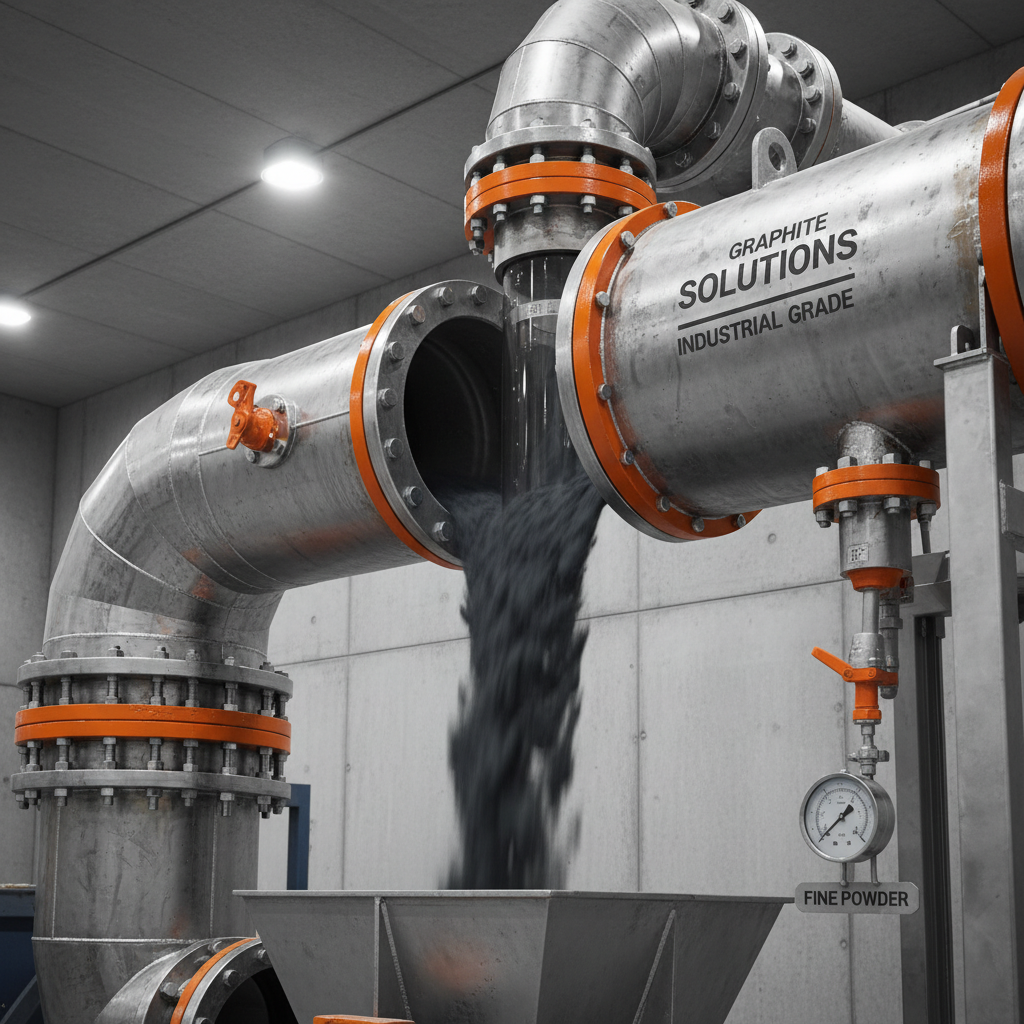
In straightforward terms, black graphite powder is a finely ground form of graphite—a naturally occurring form of carbon known for its layered, planar molecular structure. This unique structure gives graphite its trademark properties: excellent electrical conductivity, thermal stability, and lubricity. The “black” denotes its usual color, naturally deep and matte, differing from other graphite forms which might have slight variations.
Black graphite powder is incredibly versatile — from lubricants in heavy machinery to conductive additives in electronics, and even heat dissipators in aerospace components. Its significance is amplified as industry shifts toward cleaner, longer-lasting materials that serve humanitarian and industrial needs alike.
Core Qualities That Define Black Graphite Powder
1. Electrical Conductivity
Graphite particles create pathways for electrons, making black graphite powder ideal for enhancing batteries, sensors, and conductive inks.
2. Thermal Stability
It withstands temperatures over 3000°C in inert atmospheres without degrading, a feature vital for high-temp industrial processes.
3. Lubrication & Wear Resistance
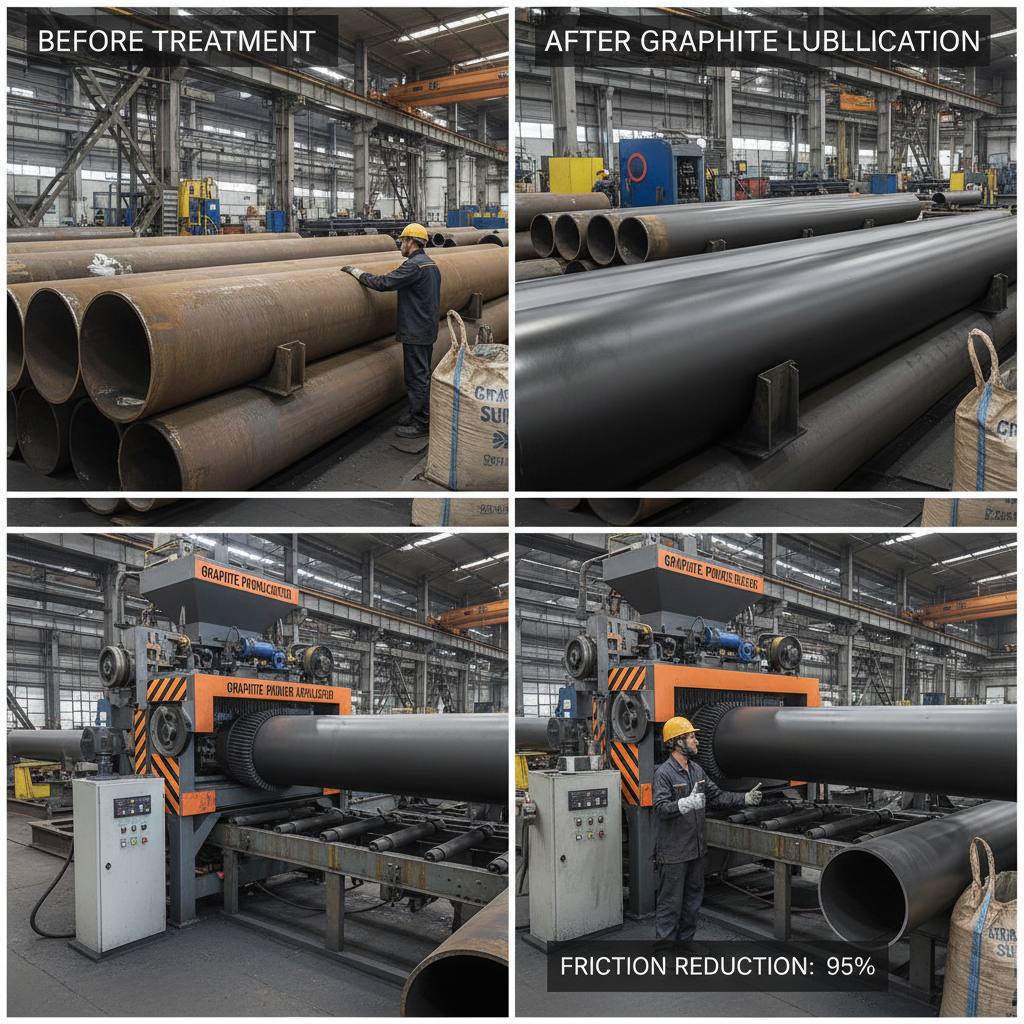
Black graphite powder reduces friction in mechanical parts ranging from engines to industrial presses, increasing lifespan and reliability.
4. Scalability & Consistency
Whether sourced naturally or synthesized chemically, producing batches of black graphite powder with uniform particle size and purity is key for reproducible performance.
5. Cost Efficiency
Compared to exotic carbon materials like graphene, black graphite powder navigates a sweet spot for cost and performance—affordable yet highly functional.
Mini Takeaway: These core features make black graphite powder a jack-of-all-trades, applicable across wildly different scenarios.
Applications on a Global Scale
When you zoom out and look at real-world usage, black graphite powder pops up everywhere you least expect. In China and South Korea, manufacturers rely heavily on it for battery anode material, boosting the explosive growth of electric vehicles.
In Europe, industries focused on aerospace and defense prize it for thermal shielding and friction reduction in turbine engines. Meanwhile, some NGOs gaming for eco-friendly construction materials appreciate its use as a conductive additive in novel building composites, especially in post-disaster relief housing. Oddly enough, remote industrial zones in Africa have started tapping black graphite powder for solar panel conductive paste, exemplifying global adaptability.
Black Graphite Powder Specification Table
| Specification | Typical Range / Value |
|---|---|
| Purity (%) | ≥ 99.5% |
| Particle Size (μm) | 1 - 10 |
| Specific Surface Area (m²/g) | 8 - 12 |
| Electrical Resistivity (Ω·cm) | |
| Moisture Content (%) | |
| Ash Content (%) |
Advantages & Long-Term Value
So, why fuss over black graphite powder? For starters, the material drives cost savings through durability and lower maintenance. Its thermal resilience and conductive properties keep machines cooler and batteries more efficient—reducing overall energy waste. On the social front, innovations around black graphite powder support safer, lighter, and more sustainable infrastructure components.
There’s also that intangible aspect: trust. Engineers I've talked to swear by its reliability even in demanding environments, which frankly is rare to find in raw materials. It offers a tangible mix of tradition and innovation, something that feels good to count on long-term.
Comparing Top Black Graphite Powder Suppliers
| Supplier | Purity | Particle Size Range (μm) | Sustainability Practices | Global Reach |
|---|---|---|---|---|
| NL Graphite Co. | ≥ 99.7% | 1 - 8 | Eco-synthesized, low emissions | Asia, Europe, Americas |
| CarbonTech Ltd. | ≥ 99.5% | 2 - 10 | Partial recycling, moderate footprint | Europe, Africa |
| GraphiPure | ≥ 99.8% | 0.5 - 6 | 100% synthetic, carbon-neutral goals | North America, Asia |
Looking Forward: The Future of Black Graphite Powder
The future is exciting and frankly a bit unpredictable. Researchers are exploring ultra-fine black graphite powders to push the boundaries of battery tech with faster charging and longer life. There's momentum behind green synthesis methods cutting emissions and waste. Automation in manufacturing means more consistent quality and bespoke tailoring for niche industrial needs.
In the context of the digital economy and clean energy transition, black graphite powder will be pivotal—not just as a raw material, but as a gateway to innovation that supports sustainability and economies worldwide.
Facing Challenges Head-On
Despite its benefits, sourcing high-purity graphite powder sustainably remains an uphill battle. Mining can be environmentally damaging and the synthetic alternatives sometimes carry higher production costs. Yet, clever circular economy models and refining techniques are emerging. Many suppliers balance between natural and synthetic sources to tackle availability without sacrificing quality.
Another practical hurdle is standardizing quality globally. Here, partnerships with ISO and adhering to strict material testing protocols are crucial. Those dealing with black graphite powder often emphasize rigorous QA processes — because inconsistent material can wreck a whole production line.
FAQ: Your Questions About Black Graphite Powder, Answered
- Q: What industries benefit the most from black graphite powder?
A: Primarily, battery manufacturing, lubricants, aerospace, and automotive sectors rely heavily on black graphite powder for its conductive and thermal properties. - Q: How does black graphite powder compare to graphene?
A: While graphene is a single-layer carbon sheet with extraordinary properties, black graphite powder is bulk graphite particles; it’s more cost-effective and better suited for large-scale industrial use. - Q: Can black graphite powder be produced sustainably?
A: Yes, through synthetic manufacturing and improved mining practices, companies increasingly reduce environmental impact and carbon emissions in production. - Q: Is the particle size important?
A: Very. Finer powder offers greater surface area and better integration in applications like batteries and conductive inks, while coarser grains favor lubrication uses. - Q: How do I choose the right supplier?
A: Look for purity, consistent particle size, sustainability standards, and a supplier’s ability to meet your region’s logistic and regulatory demands.
Conclusion: Why Black Graphite Powder Matters Long-Term
From sustainable energy solutions to next-gen manufacturing, black graphite powder is a quietly revolutionary material. It neatly straddles the line between tradition and innovation, cost and quality, natural resource and engineered product. As industries worldwide lean into greener, smarter technologies, this humble carbon form will keep playing a big part. Curious to delve deeper or source high-quality black graphite powder? Visit our website at https://www.nlgraphite.com and join the conversation shaping tomorrow’s materials.
Mini Takeaway: Black graphite powder represents an intersection of reliable performance and future-ready innovation — something every manufacturer and researcher can appreciate.
References
 Pervious
 Next
Next