

- Englist



Understanding Graphite Powder Factory: Global Impact & Industry Insights

Why Understanding Graphite Powder Factory Matters Globally
If you've ever peeked into the world of battery tech, aerospace components, or even everyday lubricants, chances are graphite powder plays a crucial role behind the scenes. A graphite powder factory is where the magic begins—turning raw graphite into a fine powder used in tons of industrial applications worldwide.
Why does it matter? With industries pushing for greener energy solutions and advanced materials, graphite powder’s relevance is exploding. It’s not just about the material itself but about how factories ensure quality, scalability, and innovation. The ripple effects touch everything from electric vehicles (EVs) to aerospace, even things you wouldn’t immediately associate with graphite. Understanding how these factories work globally means better supply chains, smarter investments, and ultimately, more sustainable technologies.
The Global Landscape of Graphite Powder Production
Graphite powder factories aren't just dotting one corner of the globe—they’re a worldwide phenomenon. According to the International Energy Agency, demand for graphite powders and related materials has increased approximately 40% over the past decade, especially tied to EV battery manufacturing.
China and Brazil remain heavyweights in raw graphite supply, but the actual powder production has spread across regions—from Europe’s precision-focused plants to North America’s push to secure domestic supply chains amid geopolitical tensions.
Yet there’s a challenge: variability in purity and particle size can make or break product performance downstream. Factories need to keep pace with tightening global standards (like ISO 9001 and ISO 14001) while battling environmental concerns tied to mining and processing graphite.
What Exactly Is a Graphite Powder Factory?
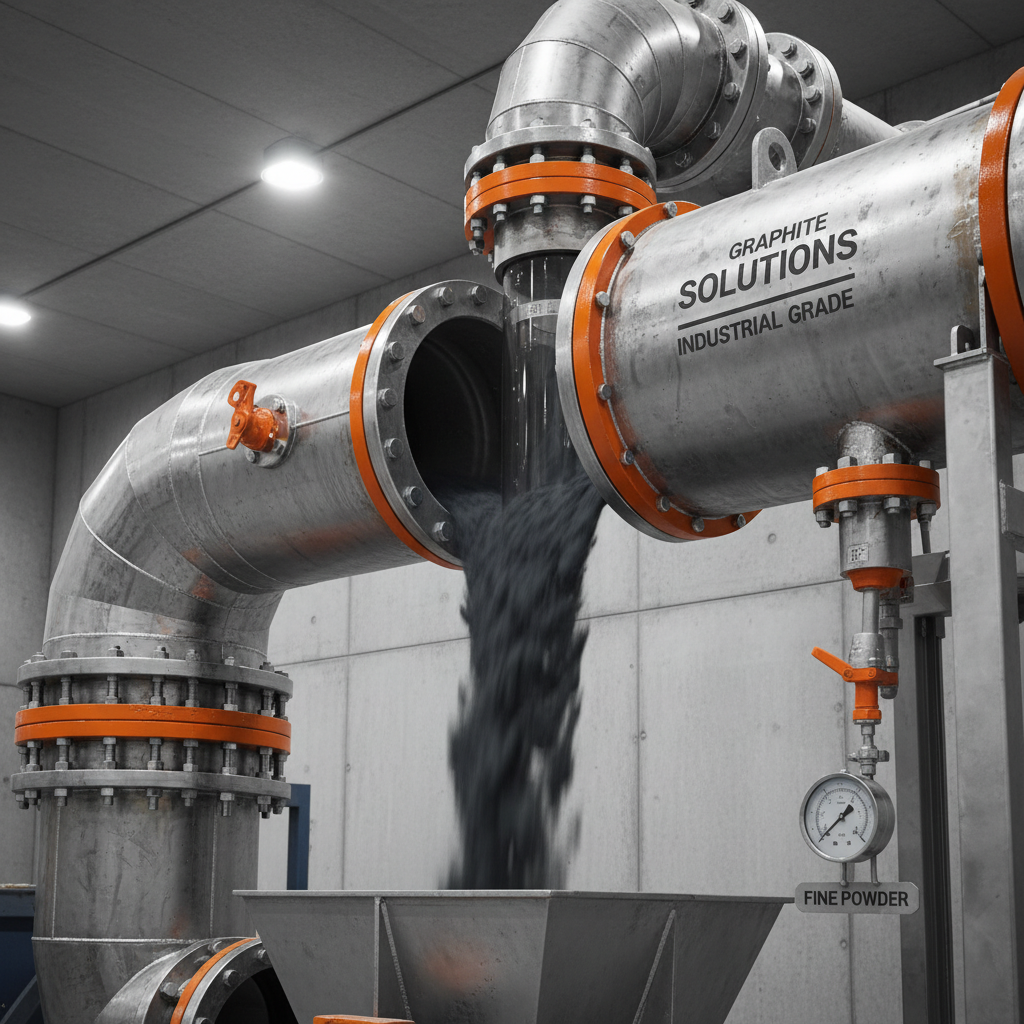
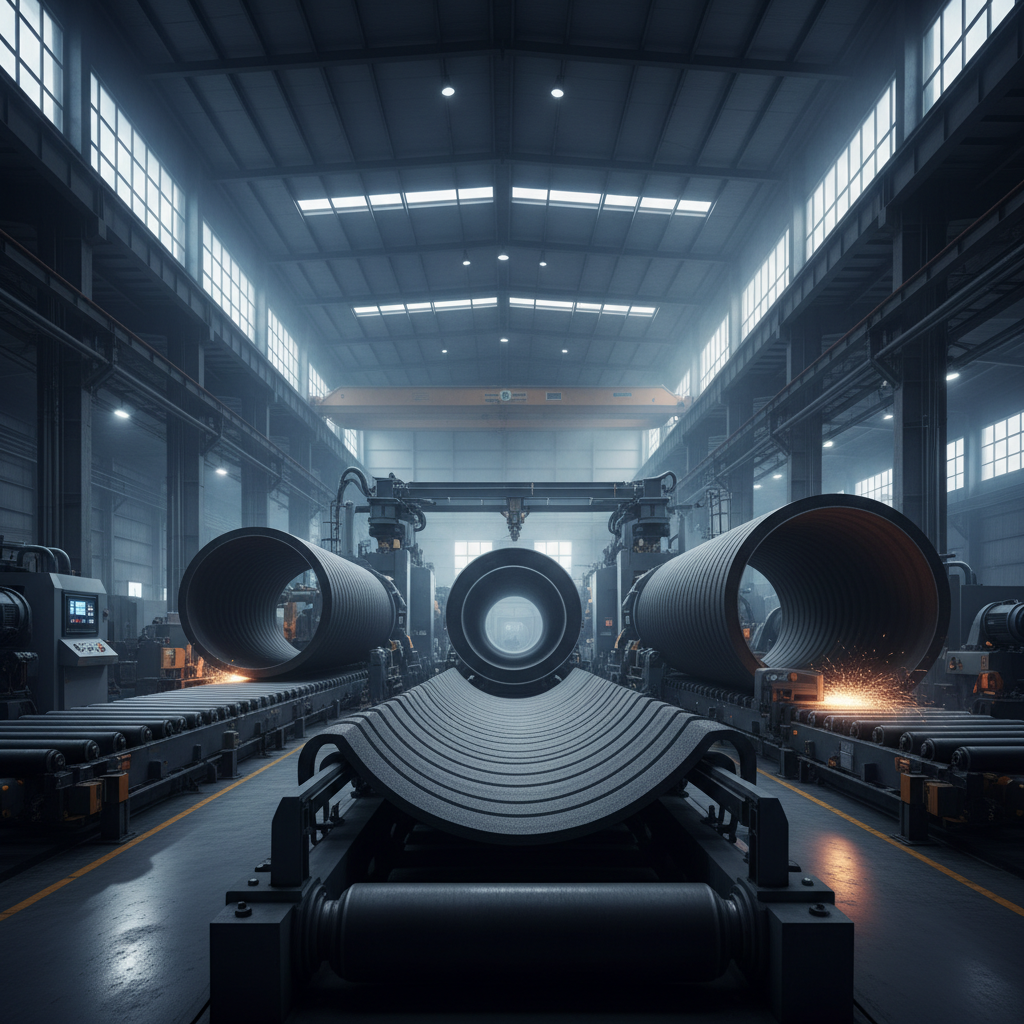
Simply put, a graphite powder factory processes graphite minerals — mined from natural deposits or synthesized — into finely ground powders. This involves crushing, milling, and sometimes chemical purifying or coating steps to hit very specific grades suitable for various industries.
These factories connect to modern industry in an almost silent but vital way. They help transform raw material into components critical for lithium-ion batteries, thermal conductive pastes, brake linings, and even pencils (yes, that old school staple!). The humanitarian angle? Graphite powders are key ingredients in newer, more efficient energy storage solutions, which ultimately support global efforts to curb climate change.
Mini Takeaway:
- Graphite powder factories turn natural graphite into industrial gold dust.
- They’re critical to battery tech, aerospace, and more.
- Improving factory processes has broad global implications.
Key Factors Shaping Graphite Powder Factories
1. Purity & Particle Size Control
When you’re dealing with materials meant for batteries or aerospace, tiny impurities can cause huge failures. Factories often use advanced milling and classification techniques to achieve ultra-fine, uniform powders—sometimes in nanometer scale. This consistency is the backbone of reliability downstream.
2. Scalability & Production Capacity
Demand spikes (like from the booming EV market) require factories that can boost output without sacrificing quality. Automated processes and modular plant designs are getting popular, allowing quick scale-ups or shifts between product grades.
3. Environmental Regulations and Sustainability
Processing graphite isn’t trivial—dust control, chemical usage, and water recycling become big concerns. Progressive factories are adopting greener technologies, like dry milling or closed-loop water systems, aiming to reduce their carbon footprint. It’s a sector increasingly under the microscope for sustainable practices.
4. Cost Efficiency
Raw graphite prices fluctuate, and energy-intensive processes eat into margins. Factories must innovate—finding optimal energy use or sourcing lower-cost inputs without compromising product integrity. Efficiency directly impacts pricing competitiveness, especially as more players enter the fray.
5. Quality Assurance & Testing
Given the exacting specs needed, high-tech lab testing onsite is standard. Spectroscopy, particle size analyzers, and thermal conductivity tests ensure every batch meets client expectations.
Mini Takeaway:
- Purity and size consistency are non-negotiable.
- Modern factories balance scalability with green goals.
- Cutting costs while maintaining QC defines industry leaders.
Global Applications & Real-World Use Cases
The versatility of graphite powder spans multiple industries:
- Battery Manufacturing: The anode component in lithium-ion cells relies heavily on high-quality graphite powder. Asian markets, especially China, dominate usage here, but Europe’s EV push is driving local factory growth.
- Aerospace & Defense: Graphite powder’s thermal resistance is prized for spacecraft and missiles, notably in countries like the U.S. and Russia.
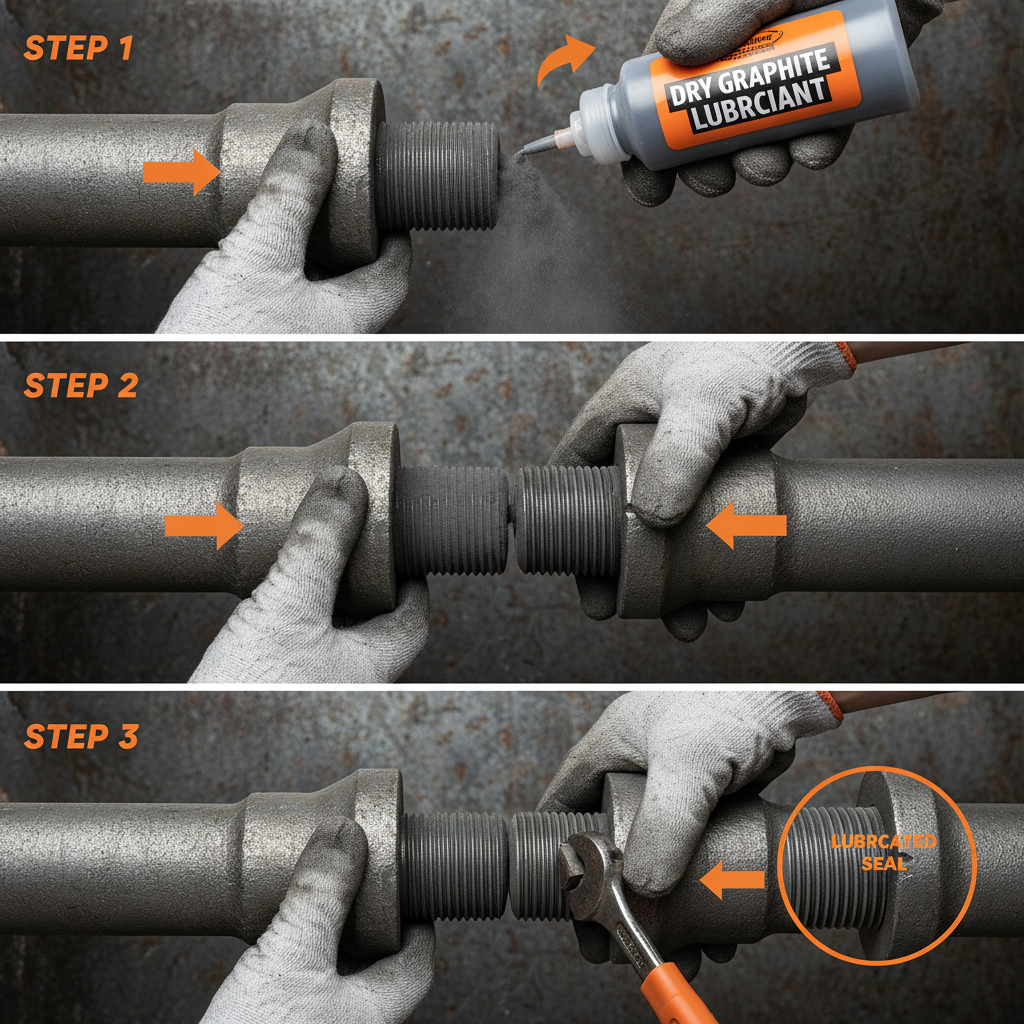
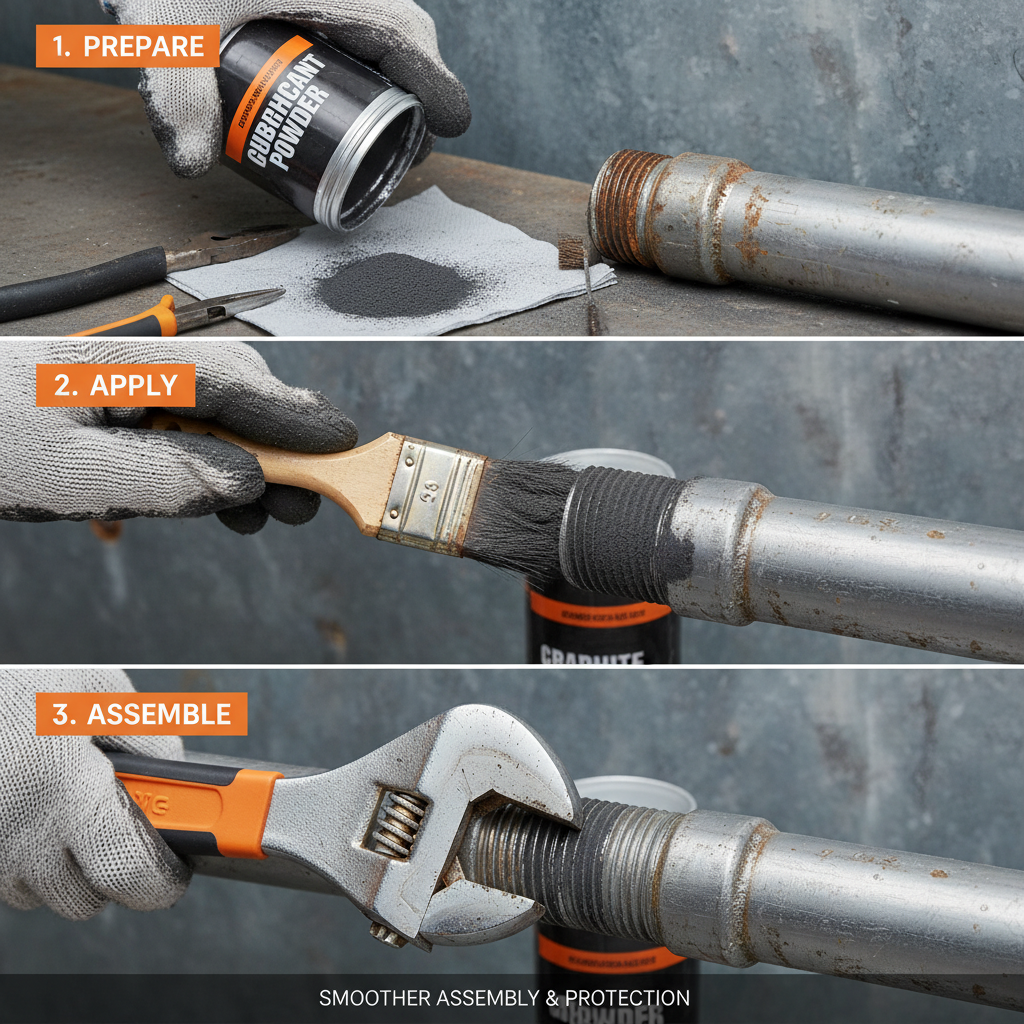
- Lubricants & Seals: In regions with heavy manufacturing like Germany and Japan, graphite powders serve as dry lubricants in mechanical parts, improving durability.
- Industrial Brushes & Foundries: Brazil exports large quantities of graphite powder for casting and brush industries worldwide.
Oddly enough, graphite powder plays a role in humanitarian efforts too. For example, in remote industrial zones, graphite-based conductive coatings help improve renewable energy microgrids, enhancing resilience in off-grid communities.
Mini Takeaway:
- Graphite powder fuels cutting-edge industries globally.
- Use cases range from everyday items to space tech.
- Even humanitarian projects benefit, indirectly.
Typical Graphite Powder Specifications
| Specification | Typical Range | Unit |
|---|---|---|
| Carbon Content | >99.5 | % |
| Particle Size (D90) | 5 - 20 | μm |
| Ash Content | % | |
| Moisture | % | |
| Bulk Density | 0.3 - 0.6 | g/cm³ |
Comparing Leading Graphite Powder Factory Vendors
| Vendor | Production Capacity (tons/year) | Focus Market | Sustainability Practices | Automation Level |
|---|---|---|---|---|
| GraphitePro Ltd. | 15,000 | EV Batteries (Asia) | ISO 14001 Certified | High (90%) |
| CarbonCore Inc. | 8,500 | Aerospace (Europe) | Water Recycling Systems | Medium (60%) |
| PureGraphite Manufacturing | 12,000 | General Industrial (N.Am.) | Emissions Control Tech | High (85%) |
Advantages & Lasting Value of a Quality Graphite Powder Factory
Owning or collaborating with a top-tier graphite powder factory means more than a shiny production line. It's about reliability and a future-proof supply chain.
- Cost Efficiency: Streamlined processing reduces waste, making products more affordable for manufacturers and eventually consumers.
- Sustainability: Improvements in recycling, energy use, and emission controls align with global environmental goals—something clients increasingly demand.
- Social Impact: The factories often provide stable jobs in mining regions and support innovations in renewable energy.
- Technological Trust: Clients gain confidence that the material specs match real-world application needs, avoiding costly recalls or failures.
Emerging Trends & Innovations to Watch
Graphite powder factories are not static. They’re embracing:
- Nanotechnology: Nano-scale graphite powders leading to better battery capacities and thermal conductivities.
- Automation & AI: Smart monitoring systems that predict equipment needs and maintain quality without downtime.
- Green Chemistry: Development of less hazardous processing chemicals and waterless production methods.
- Localization: With geopolitical shifts, more regions are building graphite powder factories to mitigate supply risks.
Common Challenges & How the Industry Overcomes Them
Dust control, energy consumption, and fluctuating raw graphite prices keep factories on their toes. Many engineers say the most successful factories combine traditional craftsmanship with cutting-edge tech—like real-time particle size analyzers and energy-efficient milling. Some facilities are experimenting with renewable power sources on-site, which feels like a small but mighty step to me.
FAQ: Frequently Asked Questions About Graphite Powder Factory
- What distinguishes high-quality graphite powders from lower-grade ones?
- Quality mainly depends on purity, particle size distribution, and moisture content. Higher-quality powders ensure better battery performance and durability in industrial uses, with consistent specs backed by rigorous testing.
- How does scalability impact graphite powder availability?
- Scalability means the factory can quickly adjust output to meet demand spikes, especially critical with the rapid growth of EVs. Smaller factories may struggle to supply large orders consistently, making scalability a competitive advantage.
- Are graphite powder factories environmentally friendly?
- Many are improving sustainability via certifications and adopting greener processes such as dry milling and water recycling. However, challenges remain, and continuous investment is needed to minimize impacts.
- How do export regulations affect graphite powder shipments?
- Since graphite powder is a strategic material, especially for batteries, various countries impose export controls. Businesses often need specialized logistics support to navigate tariffs and compliance issues efficiently.
Closing Thoughts & Why It’s Worth Your Time
In short, a graphite powder factory is much more than an industrial setup—it's a linchpin in the future of technology and sustainability. By understanding its nuances, global industries can better navigate supply chains, innovate product designs, and contribute to a greener world.
Interested in exploring quality graphite powders or partnering with a trusted factory? Visit our dedicated graphite powder factory to learn more.
References
 Pervious
 Next
Next