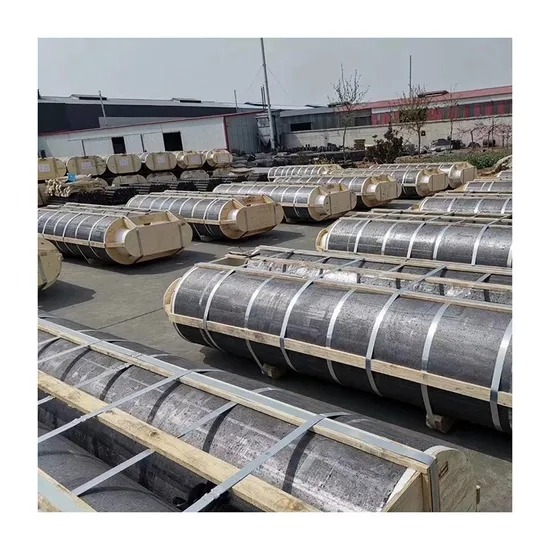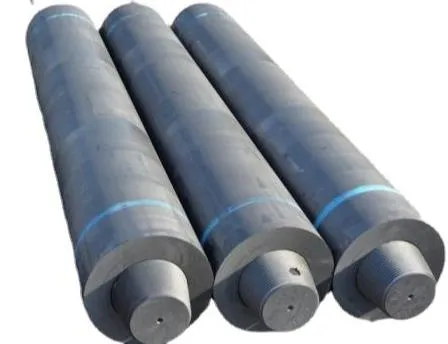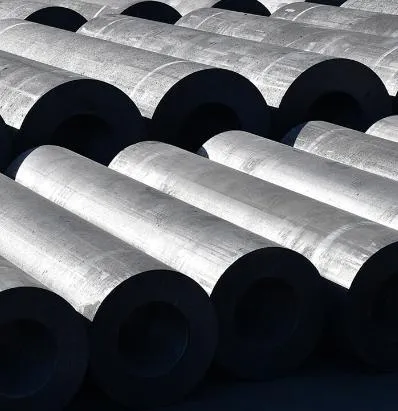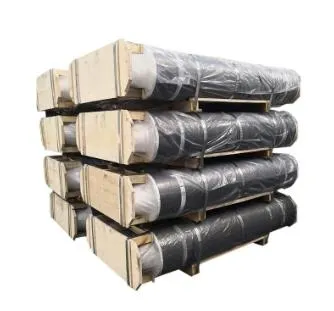

graphite blocks suppliers
search
Search
  • Englist
  • HOME
  • PRODUCTS
    • Petroleum Coke
    • Graphite Tube
    • Graphite Rod
    • Graphite Powder
    • Graphite Plate
    • Graphite Electrode
    • Graphite Crucible
    • Graphite Block
    • Electrode Paste
    • Cellulose Acetate Tow
    • Carburizing Agent
    • Graphite paper
  • ABOUT US
  • CASE
  • RESOURCES
    • Download
    • Video
  • FAQs
  • NEWS
  • CONTACT US
Search
Hit enter to search or ESC to close
graphite blocks suppliers
tel
Phone:
tel:+8615511858977
info@nalaibio.com
Email:
info@nalaibio.com
graphite blocks suppliers
  • HOME
  • PRODUCTS
    • Petroleum Coke
    • Graphite Tube
    • Graphite Rod
    • Graphite Powder
    • Graphite Plate
    • Graphite Electrode
    • Graphite Crucible
    • Graphite Block
    • Electrode Paste
    • Cellulose Acetate Tow
    • Carburizing Agent
    • Graphite paper
  • ABOUT US
  • CASE
  • RESOURCES
    • Download
    • Video
  • FAQs
  • NEWS
  • CONTACT US
English
Understanding the Carburising Process for Enhanced Steel Component Performance

Understanding the Carburising Process for Enhanced Steel Component Performance

Understanding the Carburising Process for Enhanced Steel Component Performance Home News Understanding the Carburising Process for Enhanced Steel Component Performance
share:

Understanding the Carburising Process

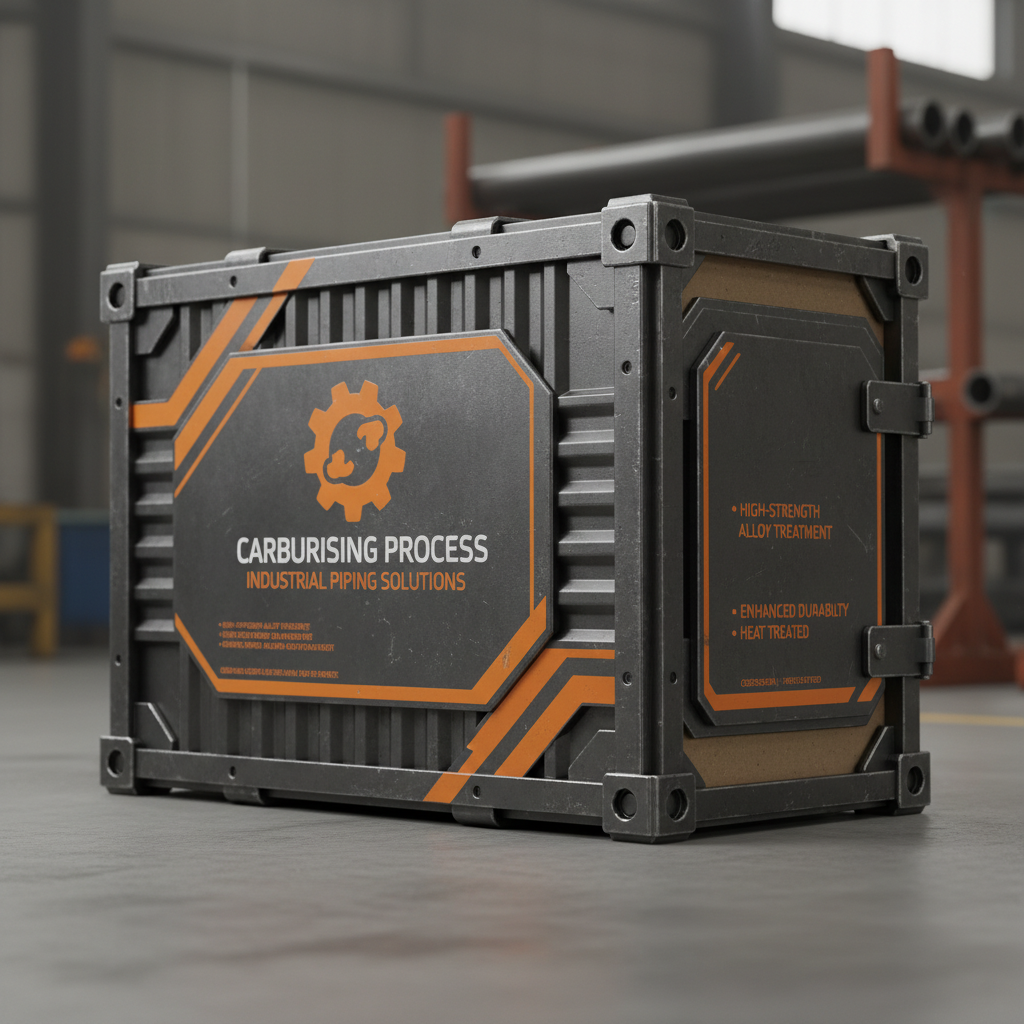
The carburising process is a crucial heat treatment technique used in metallurgy to enhance the surface hardness and wear resistance of steel components. This process involves diffusing carbon into the surface of the metal, creating a hard, wear-resistant outer layer while maintaining a tough, ductile core. It’s widely used in manufacturing gears, shafts, and other critical parts requiring superior surface properties. Understanding the nuances of this process is essential for achieving optimal material performance. At NL Graphite, we specialize in providing high-quality materials and expertise to support successful carburising operations.
Understanding the Carburising Process for Enhanced Steel Component Performance

The Fundamentals of the Carburising Process

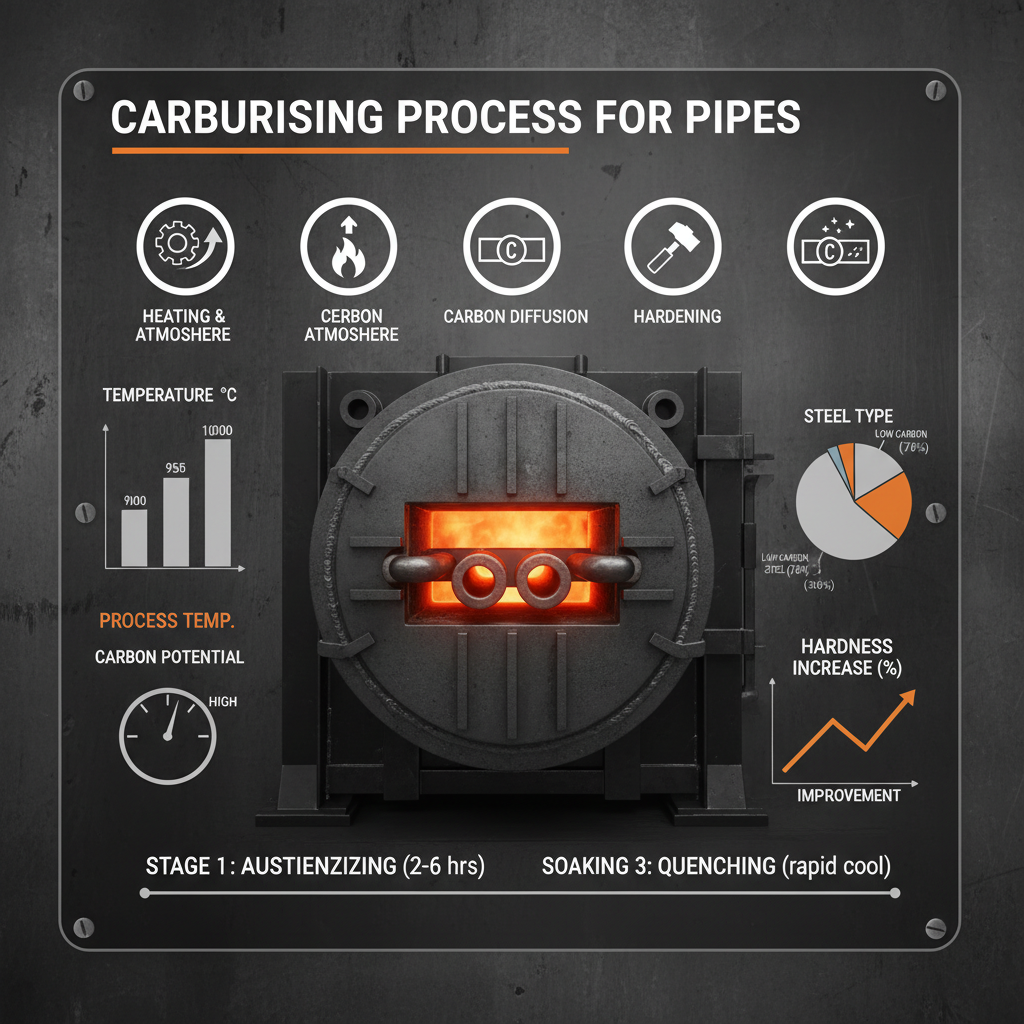
At its core, the carburising process relies on heating steel components in a carbon-rich environment. The steel is held at a specific temperature, typically between 850°C and 950°C (1562°F and 1742°F), allowing carbon atoms from the surrounding atmosphere to diffuse into the surface of the steel. This diffusion creates a concentration gradient of carbon, resulting in a hardened case. Various carburising methods exist, each with its advantages and disadvantages, influencing the final properties of the treated component. The depth of the carburised case is precisely controlled by factors such as temperature, time, and carbon potential of the atmosphere.

Key Takeaways: The carburising process significantly enhances surface hardness, improving wear resistance and fatigue strength of steel parts. Precise control of process parameters is crucial for achieving desired case depth and properties.

Different Methods of Carburising

Several techniques are employed for carburising, each suited for different applications and production volumes. The most common methods include pack carburising, gas carburising, and liquid carburising. Pack carburising involves embedding the steel parts in a sealed container with a carbon-rich solid material, like charcoal. Gas carburising utilizes a controlled atmosphere of carbon-bearing gases, such as methane or propane. Liquid carburising employs molten salt baths containing carbon compounds. The choice of method impacts process control, cost, and the quality of the carburised case. NL Graphite understands these nuances and can advise on the most suitable method for your specific needs.

Carburising Method Comparison:

• Pack Carburising: Cost-effective for small batches, less precise control.

• Gas Carburising: Precise control, suitable for large-scale production, higher initial investment.

• Liquid Carburising: Fast diffusion rates, excellent case uniformity, specialized equipment required.

Key Factors Influencing the Carburising Process

The success of the carburising process depends on several critical factors. Temperature plays a significant role, with higher temperatures accelerating carbon diffusion but potentially leading to grain growth. The carbon potential of the atmosphere dictates the amount of carbon available for diffusion. Soaking time, the duration the parts are held at the carburising temperature, determines the case depth. Furthermore, the steel's composition – particularly its carbon content – influences the process's effectiveness. Finally, quenching after carburising is crucial for achieving the desired hardness and microstructure. These factors must be carefully controlled to achieve consistent and predictable results.

Parameter Typical Range Effect
Temperature 850°C - 950°C Higher = faster diffusion, potential grain growth
Carbon Potential 0.8% - 1.2% Higher = more carbon diffused into the surface
Soaking Time 2-24 hours Longer = deeper case depth
Quenching Medium Oil, Water, Polymer Determines hardness and microstructure

Applications of Carburised Components

Carburised components find widespread use in numerous industries. Automotive applications include gears, shafts, and camshafts, benefiting from increased wear resistance and fatigue strength. In aerospace, carburised parts are used in landing gear and engine components. The process is also critical in manufacturing tools and dies, enhancing their durability and performance. NL Graphite provides the materials and technical support to ensure your carburised components meet the highest quality standards.
Understanding the Carburising Process for Enhanced Steel Component Performance

Conclusion: Optimizing Performance with Carburising

The carburising process is a fundamental heat treatment technique that dramatically improves the performance and durability of steel components. By understanding the various methods, influencing factors, and applications, manufacturers can optimize their processes for superior results. NL Graphite is a trusted partner, providing the high-quality materials and expertise needed to achieve success in your carburising operations.

Frequently Asked Questions (FAQs)

What types of steel are suitable for carburising?

Low-carbon and alloy steels are commonly used for carburising. These steels contain sufficient carbon to form a hard case when diffused during the process, while maintaining a tough core. Steels with higher initial carbon content are generally not ideal, as they may become overly brittle. Commonly carburised steels include 1018, 4140, and 8620. The specific steel choice depends on the application's requirements for strength, toughness, and wear resistance. Consulting with a materials engineer is recommended to select the optimal steel grade for your needs.

What is the typical case depth achieved in carburising?

The case depth, the thickness of the hardened layer, can vary significantly depending on process parameters. Typical case depths range from 0.5 mm to 2.5 mm (0.02 to 0.1 inches). Shallower case depths are suitable for applications requiring high wear resistance, while deeper case depths are preferred for applications requiring high fatigue strength. Precise control of temperature, time, and carbon potential is essential to achieve the desired case depth. NL Graphite can assist in optimizing the process to meet your specific case depth requirements.

How does quenching affect the properties of carburised steel?

Quenching is a critical step following carburising that rapidly cools the steel, transforming the austenite formed during heating into martensite, a very hard and brittle phase. The quenching medium (oil, water, or polymer) and the quenching rate significantly influence the final hardness, microstructure, and residual stresses within the component. Proper quenching is essential to achieve the desired balance of hardness, toughness, and dimensional stability. Improper quenching can lead to cracking or distortion.

Pervious Pervious
Understanding the Carburizing Hardening Process for Enhanced Steel Components
Next Next
Understanding Carburized Meaning and Its Impact on Metal Properties
Product Categories
  • Carburizing Agent
    • Supply Low Sulphur Carbon Additive 90% Carbon Content Recarburizer Carburizing Agent
    • High Absorption Rate Carburizing Agent for Cast Iron
    • High Purity Recarburizer/Carburizing Agent for Steelmaking
    • Calcined Anthracite Coal Carburizing Agent for Competitive Price
    • Spherical Graphite Carburant Gray Cast Iron Carburizing Agent
    • Customized Size 3-8mm Carburizing Agent for Foundry Casting
    • China Carburizing Agents for Carburizing & Deoxidizing
  • Cellulose Acetate Tow
    • Made in China Cellulose Acetate Tow 3.0y/30000 Cellulose Acetate Tow for Producing Filter Rod
    • High Quality Filter Rod Long Fiber 4.5y/30, 000 Cellulose Acetate Tow
    • White Cellulose Acetate Tow Made in China
    • 2.5y30000, 3.0y30000 Acetate Tow 4.0y35000, 5.0y30000 Cellulose Acetate Tow
    • High Quality Hot Sell White Fiber Cellulose Acetate Tow
    • Hot Sell for Filter Rods Cellulose Acetate 100% Tow
    • Hot Selling Multi Size Cellulose Acetate Tow for Filter Rods
    • Cellulose Acetate Tow 7.3y/36, 000 for Filter Rods
  • Electrode Paste
    • Electrode Paste for Electric Furnace Self Baking Carbon Paste
    • Nalai Carbon Electrode Paste for Smelting/Ferrosilicon Furnace
    • Ash 3 Max Graphite Electrode Paste for Calcium Silicon
    • China Manufacturer Carbon Anode Paste for Electrode Paste of High Quality
    • Self Baking Electrode Carbon Soderberg Electrode Paste Briquettes Anode Sealed Paste
    • Low Resistivity Electrode Paste for Ferro Alloy Furnaces Carbon Electrode Paste
    • China Carbon Electrode Paste for Smelting Cylinder Trapezoid Oval Shape Briquette Carbon Electrode Paste
  • Graphite Block
    • High Density Unmachined Graphite Block for Casting Sand Turning Compression Mold
    • High Density Isostatic Graphite Block with Large Size
    • Good Price EDM Industry Isostatic Graphite Blocks
    • High Purity Graphite Block for Fluorine Electrolysis
    • Manufacturers for Germany and Japan Isostatic Pressing Graphite Block
    • Good Thermal Shock Resistance Graphite Block for Photovoltaic Industry High Temperature furnace Application
    • Isostatic Pressing Graphite High Purity Carbon Graphite Block of Good Price
    • High Temperature Resistant Graphite Block Electrolysis Graphite Block
  • Graphite Crucible
    • Graphite Crucible for Gold Jewelry Casting & Recasting
    • 99% High Purity Carbon Graphite Crucible for Metal Melting Refining Furnace
    • Different Types Graphite Crucible Cup for Melting Metal
    • Durable Carbon Bonded Silicon Carbide Crucible with Lid
    • High Heat Conduction Graphite Crucible Custom Graphite Crucible for Gasify Aluminum
    • Custom Graphite Crucible for Induction Heating and Melting
    • 99.95% Graphite Crucible High Carbon Crucible for Vacuum Coating
    • High Strength High Temperature Resistance Double Ring Graphite Crucible
    • High Density Metal Melting Caly Graphite Crucible for Vacuum Evaporation Coating
    • High Electrical and Thermal Conductivity Clay Graphite Crucible
  • Graphite Electrode
    • Supply Steel Industry Using Graphite Electrode UHP450 UHP500mm
    • Electrode Graphite UHP 500mm 600mm for Eaf Lf Furnace Graphite
    • Graphite Electrode for Oxidation Resistance UHP 200mm 300mm 400mm 500mm
    • Hot Sale HP Graphite Electrode Good Quality UHP Graphite Electrode
    • RP HP UHP 250mm 300mm/350mm/400mm/450mm Graphite Electrode for Steel Making
    • Eaf Wholesale Electrode Stick Customized Wear Resistance Carbon Graphite Electrode
    • Nl-Ge026 Wholesale Top Quality Competitive Durable Carbon Graphite Electrode
    • Nl-Ge026 Wholesale Top Quality Competitive Durable Carbon Graphite Electrode
    • Nl-Ge018 RP HP UHP Graphite Electrodes with Nipples for Steel Production Line
    • Direct Sale Multi-Sizes High Purity High Pure Natural Carbon Electrode Graphite
    • High Resistance to Oxidation Competitive Price Smelting Steel Graphite Electrodes
    • Nl13 400mm Graphite Electrode Arc Furnace Carbon Electrode Graphite Electrode for Eaf
  • Graphite Plate
    • High Strength Quality Impermeable Graphite Plate
    • Self-Lubricating Graphite Plate for Water Treatment Used for EDM Industry
    • China Lubricity and High Temperature Resistance Graphite Plate
    • Good Quality Graphite Sheet Customized Carbon Graphite Plate for Industry
    • Cathode Graphite Plate for Water Treatment
  • Graphite Powder
    • High Carbon Graphite Powder/Graphite Particle/Graphite Powder
    • Graphite Powder Flake Expanded Graphite Powder for Conductive Coatings Synthetic Graphite Powder
    • Ultrafine Conductive Graphite Powder for High Temperature Coatings
    • Graphite Raw Material Powder Wholesale Natural Graphite Powder for Lithium Battery Anode Material
    • Tob High Purity Natural Graphite Powder for Lithium Battery Anode Raw Material
    • Artificial Graphite Powder Price for Lithium Ion Battery Anode Materials
  • Graphite Rod
    • Low Electric Resistivity High Carbon Graphite Rod for Vacuum Furnace Heat Treating
    • High Purity Graphite Carbon Rod Fine Grain Graphite Rod Density 1.82g/cm3
    • High Quality Graphite Rod Stir Bar Long Carbon Stirring Sticks for Melting Cast
    • Hot Sale High Density Pure Graphite Rod Carbon Graphite Rod
    • Factory Supply High Quality Graphite Rod with High Carbon Content and Exceptional Heat and Electrical Conductivity
    • Graphite Rod Grained Rod That Is Machinable and Rated to a High Temperature (2400º C Heat Treating)
  • Graphite Tube
    • High Purified Graphite Product Graphite Tubes From Factory
    • High Purity Graphite Tube 1.72g/cm3 Density Medium Fine Grain Pyrolytic Graphite Tube
    • Graphite Pipe Carbon Graphite Tube Graphite Die Tube
    • Pipe Machiined Parts High Density Graphite Tube Graphite Materials
    • Graphite Tube for Heat Exchanger
    • Graphite Tube Use for Ferrous and Other Non-Ferrous Metal Transferring
    • High Quality High Purity Customized Graphite Tube
  • Petroleum Coke
    • Low Sulphur Recarburizer Graphite Petroleum Coke for Glass Sheet Pencil Lead Clay Bricks
    • 0.2-2mm 1-2mm Calcined Petroleum Coke with Good Price
    • Graphite Recarburizer Recarburizing Agent Carburetant Used for Casting
    • Carburant or Carburetant for Casting and Metallurgical Industry, Particles Size Customizable
    • Factory Price Coke Fuel Graphite Calcined Petroleum Coke Manufacturer
    • Petroleum Coke Products Natural High Carbon Low Sulphur Petroleum Coke
    • The Global Sale of High Carbon and Low Sulfur Graphitized Petroleum Coke
  • Graphite paper
    • Graphite Paper Chinese Manufacture High Quality
    • Thermal Conductive Graphite Paper in China
    • High Thermal Conductivity Low Thermal Resistance Flexible Graphite Paper
    • Thickness 0.2-1mm High Electric Conductivity Graphite Paper
Related Products
Nl-Ge026 Wholesale Top Quality Competitive Durable Carbon Graphite Electrode
View Details +
Manufacturer High Carbon UHP/High Power/RP Graphite Electrode 100 200 300 400 500 600 700mm
View Details +
Manufacturer Supply Eaf UHP 350mm Graphite Electrode with 4tpi Nipple
View Details +
Electrode UHP/HP/RP Dia 300mm 400mm 500mm Graphite Electrode with Nipple
View Details +
Produce Graphite Electrodes Use for Electric Arc Furnace Ladle Furnace
View Details +
Graphite Electrode for Oxidation Resistance UHP 200mm 300mm 400mm 500mm
View Details +
Related News
Comprehensive Analysis of Petcoke Market Price Trends and Influencing Factors
Mar . 14, 2026 Comprehensive Analysis of Petcoke Market Price Trends and Influencing Factors
Understanding the petcoke market price is crucial for businesses involved in industries like cement, aluminum, and power generation. This article provides an in-depth look at the factors influencing petcoke pricing, current market trends, and insights for navigating this complex landscape. We'll explore historical data, regional variations, and future projections to help you make informed decisions. The petcoke market is dynamic, and staying abreast of price fluctuations is essential for optimizing procurement strategies. NL Graphite is committed to providing transparent and competitive pricing for high-quality petcoke. Several key factors contribute to the fluctuations in petcoke market price. Crude oil prices are a primary driver, as petcoke is a byproduct of oil refining. Supply and demand dynamics within the steel and aluminum industries significantly impact availability. Transportation costs, particularly shipping rates, play a crucial role, especially for international trade. Furthermore, environmental regulations concerning sulfur content and emissions can influence both production costs and demand. Geopolitical events and global economic conditions also exert influence on the market. The price of natural gas as an alternative fuel is another element impacting petcoke’s cost-effectiveness in various industrial applications.
Understanding the Pet Coke Price Index for Strategic Sourcing and Cost Management
Mar . 14, 2026 Understanding the Pet Coke Price Index for Strategic Sourcing and Cost Management
The pet coke price index is a crucial benchmark for traders, consumers, and producers of petroleum coke (pet coke), a carbon-rich solid derived from oil refining. This index reflects the prevailing market conditions and influences pricing decisions across various industries. At NL Graphite, we closely monitor the pet coke price index to provide our customers with informed solutions regarding graphite and carbon materials. Understanding the factors that drive this index is vital for strategic sourcing and cost management. The pet coke price index is a statistical measure that tracks the average price of pet coke traded in specific markets. Multiple indices exist, reported by different agencies, each potentially covering different grades and regions. These indices are typically based on a weighted average of actual transaction prices, providing a real-time snapshot of market value.
Comprehensive Calcined Petroleum Coke Price Chart and Market Analysis
Mar . 14, 2026 Comprehensive Calcined Petroleum Coke Price Chart and Market Analysis
Understanding calcined petroleum coke (CPC) prices is crucial for businesses across various industries, including aluminum, steel, and titanium dioxide production. This article provides a detailed overview of CPC pricing trends, factors influencing price fluctuations, and where to find reliable calcined petroleum coke price chart data. We will explore current market dynamics and offer insights into forecasting future price movements. Staying informed about CPC pricing allows for better budgeting and procurement strategies. Several key factors contribute to the fluctuations in CPC prices. The primary driver is crude oil pricing, as CPC is a byproduct of oil refining. Global supply and demand dynamics, particularly from the aluminum smelting industry, significantly impact price levels.
Comprehensive Guide to Petcoke Prices Per Ton and Market Dynamics
Mar . 14, 2026 Comprehensive Guide to Petcoke Prices Per Ton and Market Dynamics
Petcoke, a byproduct of oil refining, is a crucial fuel and industrial material. Its price fluctuates based on several factors, impacting industries from aluminum production to cement manufacturing. This article provides a deep dive into petcoke prices per ton, exploring the key drivers, recent trends, and regional variations. We’ll also examine how NL Graphite serves your petcoke needs with quality and reliability. Understanding these dynamics is crucial for businesses reliant on this commodity. Several factors contribute to the variability of petcoke prices per ton. Crude oil prices are a primary driver, as petcoke production is directly tied to refining activity. Supply and demand dynamics also play a significant role; increased demand, particularly from aluminum smelters and power plants, tends to push prices upward. Transportation costs – including shipping rates and logistical challenges – are also substantial. Environmental regulations regarding sulfur content in petcoke further impact pricing, with lower-sulfur varieties commanding a premium. Finally, geopolitical events and global economic conditions can introduce volatility to the market.
Comprehensive Pet Coke Price Chart Analysis for Informed Business Decisions
Mar . 14, 2026 Comprehensive Pet Coke Price Chart Analysis for Informed Business Decisions
Understanding the pet coke price chart is crucial for businesses involved in cement production, power generation, and other industries reliant on this carbon-rich byproduct of oil refining. Fluctuations in price impact operational costs and profitability. This article provides a detailed overview of pet coke pricing trends, factors influencing costs, and where to find reliable price data, including resources available at NL Graphite. We will explore historical data, current market conditions, and future price predictions. Petroleum coke, or pet coke, is a carbon-rich solid material derived from the coking process in oil refineries. It's primarily used as a fuel and in the production of carbon products like anodes for aluminum smelting. The price of pet coke is heavily influenced by crude oil prices, supply and demand dynamics, transportation costs, and geopolitical factors. There are two main types
Understanding Petcoke Price Dynamics and Effective Procurement Strategies
Mar . 14, 2026 Understanding Petcoke Price Dynamics and Effective Procurement Strategies
Petcoke, or petroleum coke, is a carbon-rich byproduct of oil refining. It's a crucial fuel source for various industries, particularly cement production, power generation, and aluminum smelting. Understanding the factors influencing the price of petcoke is vital for businesses relying on this commodity. This article delves into these factors, current market trends, and how to navigate petcoke procurement effectively. From production costs to geopolitical influences, we'll cover everything you need to know to make informed decisions. The price of petcoke is subject to a complex interplay of factors. Crude oil prices are a primary driver, as petcoke is produced during the refining process. Increased crude oil prices generally translate to higher petcoke prices. Supply and demand dynamics also play a significant role; a surge in demand from key industries like cement can push prices upward, while increased production can lower them. Transportation costs, including shipping and handling, are a substantial component of the overall price. Finally, geopolitical events and regulatory changes can create market volatility.
Understanding Today's Petcoke Price Trends and Market Influences
Mar . 14, 2026 Understanding Today's Petcoke Price Trends and Market Influences
Understanding the petcoke price today is crucial for businesses across various industries, including aluminum, steel, and power generation. Petcoke, a byproduct of oil refining, serves as a cost-effective alternative to coal. This article delves into the factors influencing petcoke pricing, current market trends, regional variations, and resources for staying updated on the latest prices. We'll also explore how NL Graphite can assist in sourcing high-quality petcoke. Several key factors contribute to fluctuations in the petcoke price today. Crude oil prices are a primary driver, as petcoke is a byproduct of the refining process. Supply and demand dynamics, geopolitical events, transportation costs, and environmental regulations also play significant roles. Increased demand from the aluminum industry, for example, can push prices upward.
Understanding Petcoke Price Per Ton Trends and Influencing Factors
Mar . 12, 2026 Understanding Petcoke Price Per Ton Trends and Influencing Factors
Petcoke, a byproduct of oil refining, is a crucial carbon material used in various industries including aluminum production, steelmaking, and cement manufacturing. The petcoke price per ton fluctuates based on supply, demand, quality, and geopolitical factors. This article provides an in-depth look at the factors impacting petcoke pricing, current market trends, quality considerations, and where to source high-quality petcoke from a reliable supplier like NL Graphite. Understanding these dynamics is critical for businesses relying on this essential material. Several interconnected factors drive the petcoke price per ton. Crude oil prices are a primary determinant, as petcoke production is directly linked to oil refining activities. Increased oil refining capacity often leads to a surplus of petcoke, potentially lowering prices. Conversely, reduced refinery output can tighten supply and increase prices. Demand from key industries like aluminum smelting significantly influences the market.
graphite electrode manufacturers
Shijiazhuang nalai biotechnology Co., Ltd is a professional manufacturer in integrating design, development, trial and production. Our main products are graphite electrode, graphite rod, graphite block, graphite crucible., with 30 technicians and 360 skilled workers, and has a strict quality control system.
Products
Graphite paper
Petroleum Coke
Graphite Tube
Graphite Rod
Graphite Powder
Graphite Plate
Graphite Electrode
Graphite Crucible
Graphite Block
Electrode Paste
Cellulose Acetate Tow
Carburizing Agent
QUICK LINKS
Case
Download
Video
FAQs
News
Contact Us
Contact Us
Tel: 8615511858977
E-mail: info@nalaibio.com
Qiujingyiyuan,No.189,east2ndringnorthroad,chang'andistrict,shijiazhuang,hebeiprovince
shar_03.webp1 shar_03.webp2 shar_03.webp3 shar_03.webp4 shar_03.webp5 shar_03.webp6
Copyright © 2026 Shijiazhuang nalai biotechnology Co., Ltd All Rights Reserved. Sitemap | Privacy Policy | Top Blog
graphite electrode manufacturers
Lorem ipsum dolor sit amet, cons aring elit sed dllao the eimod tempor inciunt ullaco laboris aliquip alora tempor inciunt temporin.Lorem ipsum dolor sit amet,Lorem ipsum dolor sit amet, cons aring elit
PRODUCTS
  • Petroleum Coke
  • Graphite Tube
  • Graphite Rod
  • Graphite Powder
  • Graphite Plate
  • Graphite Electrode
  • Graphite Crucible
  • Graphite Block
  • Electrode Paste
  • Cellulose Acetate Tow
  • Carburizing Agent
  • Graphite paper
ABOUT US
CASE
RESOURCES
  • Download
  • Video
FAQs
NEWS
CONTACT US
CONTACT US
  • Tel: +8615511858977
  • E-mail: info@nalaibio.com
  • Address: Qiujing yiyuan , No. 189, east 2nd ring north road, chang'an district, shijiazhuang, hebei province
Social Media
shar_03.webp1 shar_03.webp2 shar_03.webp3 shar_03.webp4 shar_03.webp5 shar_03.webp6
Copyright © 2026 Shijiazhuang nalai biotechnology Co., Ltd All Rights Reserved. Sitemap | Privacy Policy | Top Blog
  • aside
    wx11
  • aside
    info@nalaibio.com,info@nalaibio.com
  • aside
  • aside
  • Read phone
  • Read email
  • Read whatsapp
  • go to top

If you are interested in our products, you can choose to leave your information here, and we will be in touch with you shortly.