

- Englist



Understanding the Difference Between Petcoke and Coal Fuels and Their Applications

Difference Between Petcoke and Coal
Petcoke and coal are both carbon-rich materials used as fuels, but they differ significantly in their origin, properties, and applications. Understanding these differences is crucial for industries relying on these resources. Petcoke, a byproduct of oil refining, provides a higher energy content than many types of coal. NL Graphite specializes in graphite production, serving industries dependent on carbon-based materials like petcoke and coal. This article dives into a detailed comparison, clarifying their respective advantages and disadvantages.
What is Petcoke and How is it Produced?
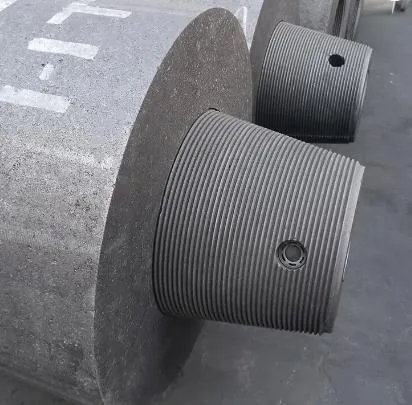
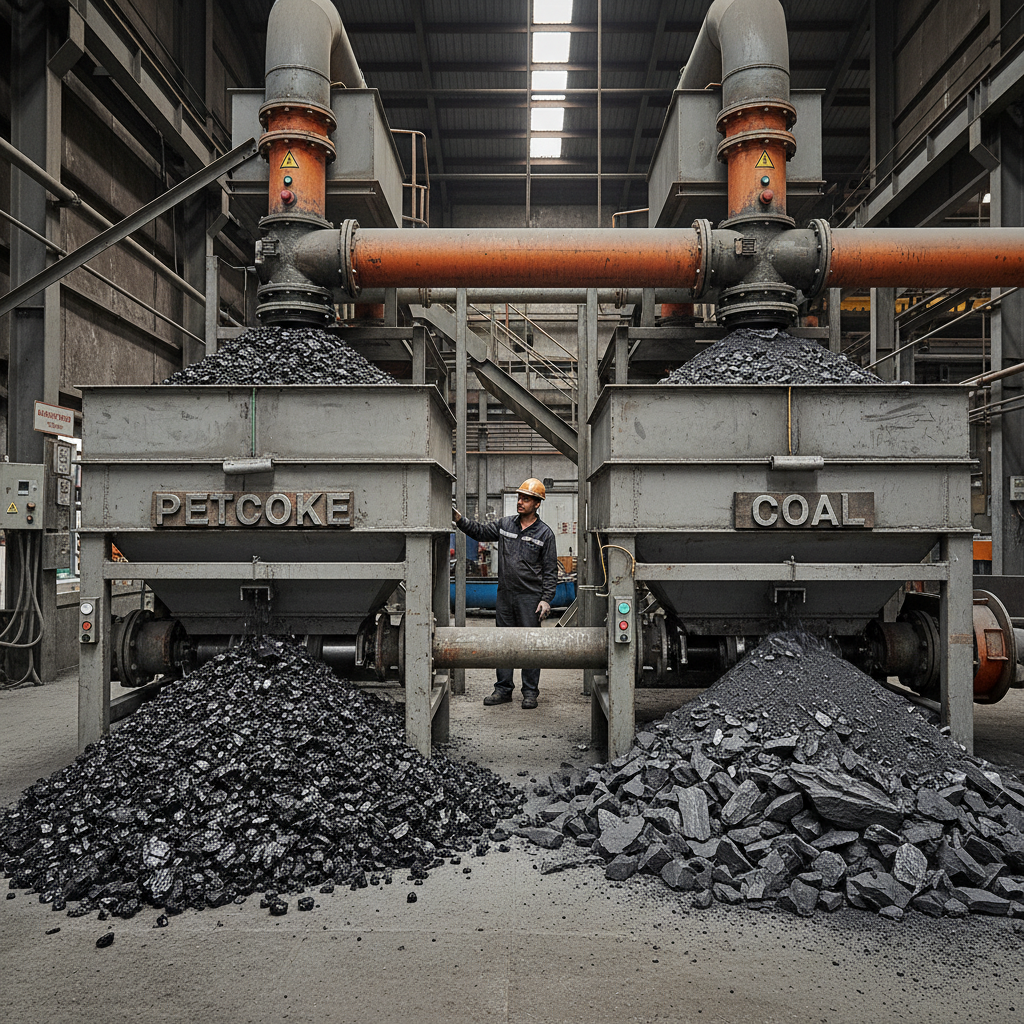
Petcoke, short for petroleum coke, is a solid carbonaceous material derived from the final stage of the oil refining process. It's a byproduct of coking, where heavy petroleum residues are cracked and processed into lighter, more valuable products like gasoline and diesel. The remaining residue is then heated to extremely high temperatures, resulting in petcoke. There are two main types: needle coke and sponge coke. Needle coke is used in the production of graphite electrodes for the aluminum industry, while sponge coke is primarily used as a fuel. Compared to coal, petcoke generally exhibits a higher carbon content and lower levels of sulfur and ash, contributing to cleaner combustion. NL Graphite's expertise includes understanding the diverse applications of these carbon materials.
Key Highlights: Petcoke is a byproduct of oil refining, consisting of high carbon content and generally lower sulfur and ash levels. It's categorized into needle coke and sponge coke, catering to different industrial needs.
Coal: A Deep Dive into its Formation and Types
Coal is a sedimentary rock formed from accumulated plant matter over millions of years. The degree of heat and pressure applied to this plant matter determines the type of coal formed: lignite, bituminous, anthracite, and sub-bituminous. Lignite is the lowest rank of coal with the highest moisture content, while anthracite is the highest rank, offering the highest carbon content and energy density. Coal is primarily mined from underground or surface deposits. It’s a traditionally significant fuel source used for electricity generation, steel production, and industrial heating. While abundant, coal combustion often produces higher emissions compared to petcoke, particularly in terms of sulfur dioxide and particulate matter.
Coal Types:
• Lignite: Lowest rank, high moisture.
• Bituminous: Most abundant, versatile.
• Sub-bituminous: Intermediate rank.
• Anthracite: Highest rank, highest energy density.
Petcoke vs. Coal: A Detailed Comparison
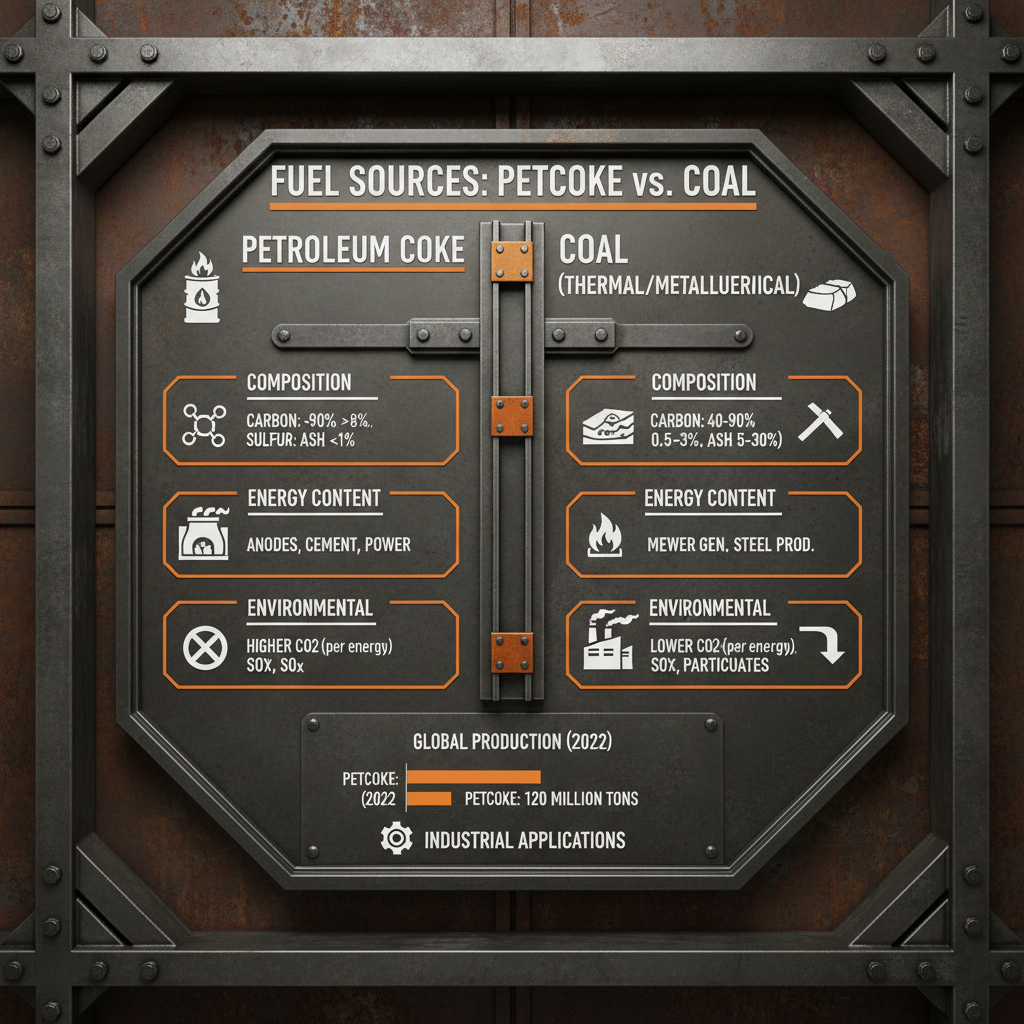
The key differences between petcoke and coal lie in their composition, energy content, environmental impact, and cost. Petcoke typically boasts a higher heating value than most coal varieties, meaning it produces more energy per unit weight. It also contains lower levels of ash and sulfur, resulting in reduced emissions when combusted. However, petcoke production is directly tied to oil refining, making its supply more dependent on crude oil prices. Coal, on the other hand, is more readily available and often cheaper, but its combustion generates more pollutants. Understanding these nuances is crucial when selecting the appropriate fuel source for specific applications. NL Graphite stays at the forefront of materials science to advise on optimal choices.
Applications of Petcoke and Coal in Various Industries
Petcoke is predominantly used in the aluminum smelting industry as a carbon source for producing anodes. It also finds application in cement manufacturing, power generation, and as a fuel source for various industrial processes. Coal's applications are more diverse, encompassing electricity generation (thermal power plants), steel production (coking coal), and industrial heating. Both materials serve critical roles in global energy and manufacturing sectors. The selection of either material often depends on factors such as cost, availability, environmental regulations, and specific process requirements. NL Graphite is equipped to provide insights on these considerations.
Environmental Considerations and Future Trends
Environmental concerns surrounding both petcoke and coal are driving a shift towards cleaner energy sources. Coal combustion releases significant amounts of greenhouse gases, sulfur dioxide, and particulate matter, contributing to air pollution and climate change. While petcoke offers some emissions advantages over coal, it's still a fossil fuel with associated environmental impacts. Research and development efforts are focused on carbon capture and storage technologies, as well as alternative fuels, to mitigate these impacts. As sustainability becomes increasingly important, the demand for cleaner energy alternatives will likely impact the long-term use of both petcoke and coal.
Conclusion: Choosing the Right Carbon Material
Selecting between petcoke and coal requires a careful evaluation of energy requirements, environmental considerations, and cost factors. While petcoke offers advantages in terms of energy content and emissions, coal remains a readily available and often cheaper alternative. NL Graphite provides expertise in carbon-based materials and can assist in making informed decisions aligned with your specific needs and sustainability goals.
Frequently Asked Questions (FAQs)
What are the primary uses of petcoke in the aluminum industry?
Petcoke serves as a crucial carbon source in the production of anodes, which are essential components in the aluminum smelting process. Anodes conduct electricity to reduce alumina into aluminum metal. The high carbon content and electrical conductivity of petcoke make it ideal for this application. The specific type of petcoke used, particularly needle coke, is chosen for its unique graphitic properties, contributing to anode strength and efficiency. Careful quality control of petcoke is essential to ensure optimal performance in aluminum production.
How does the sulfur content of coal impact the environment?
The sulfur content of coal significantly impacts the environment through the release of sulfur dioxide (SO2) during combustion. SO2 is a major air pollutant that contributes to acid rain, respiratory problems, and smog. To mitigate these effects, power plants often employ flue gas desulfurization (FGD) technologies, also known as scrubbers, to remove SO2 from the exhaust gases. Lower-sulfur coals are preferred where available, but even these still release some SO2, highlighting the environmental challenges associated with coal combustion.
Is petcoke considered a renewable energy source?
No, petcoke is not considered a renewable energy source. It is a byproduct of oil refining, which relies on finite fossil fuel reserves (crude oil). While it can be viewed as utilizing a waste stream from oil production, the underlying source remains non-renewable. Therefore, petcoke falls into the category of fossil fuels and contributes to greenhouse gas emissions when combusted. Renewable energy sources, such as solar, wind, and hydro, are derived from naturally replenishing resources.
What are the future prospects for the use of petcoke and coal?
The future prospects for both petcoke and coal are facing increasing challenges due to growing environmental concerns and the transition towards cleaner energy sources. Coal consumption is expected to decline in many regions as renewable energy capacity expands and stricter emission regulations are implemented. Petcoke’s future is tied to oil refining output and potential applications in advanced materials, but it also faces scrutiny regarding its carbon footprint. Innovations in carbon capture technologies and alternative uses for these materials could potentially prolong their relevance, but a significant reduction in reliance on both is anticipated in the long term.
 Pervious
 Next
Next