

- Englist


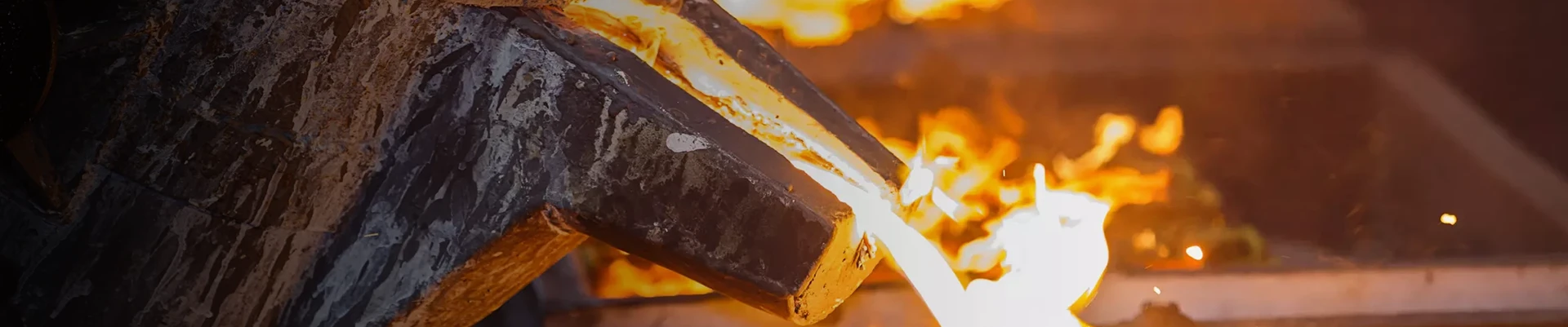
Understanding the Versatility of a 1 kg Graphite Crucible for Industrial Use

Understanding the Versatility of a 1 kg Graphite Crucible
A 1 kg graphite crucible is a foundational component in many high-temperature industrial processes. Its ability to withstand extreme heat, resist chemical attack, and maintain stability makes it essential for melting, casting, and analyzing various materials. This article will explore the properties, applications, key considerations when selecting a crucible, and the advantages of choosing NL Graphite's high-quality crucibles. Investing in the right crucible ensures efficient operation, material purity, and a longer service life.
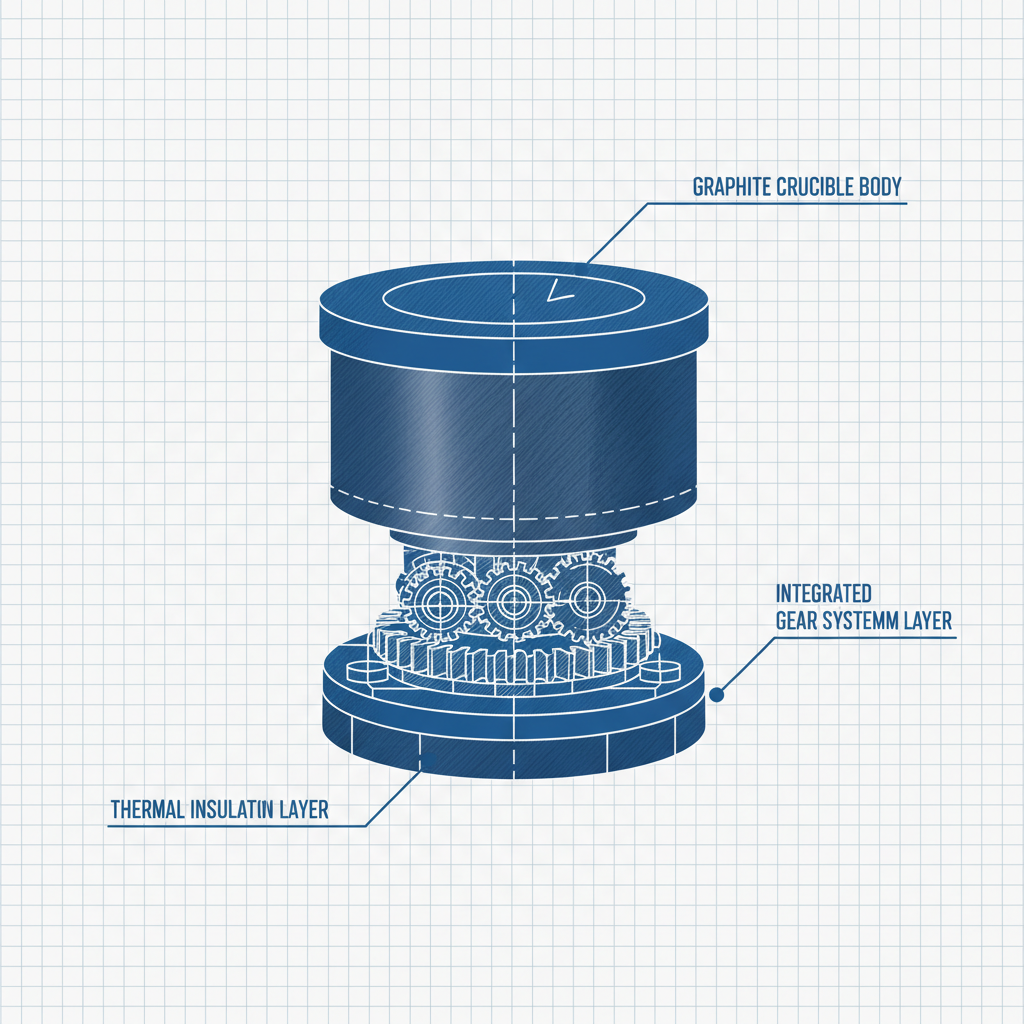
Key Properties of 1 kg Graphite Crucibles
Graphite crucibles boast several properties crucial for industrial applications. High thermal conductivity ensures rapid and even heating. Excellent chemical inertness prevents contamination of the melted material. Their high melting point (over 3652°F or 2011°C) allows for the processing of a wide range of metals, alloys, and other materials. They also exhibit good thermal shock resistance, minimizing the risk of cracking during temperature fluctuations. The density of graphite impacts its thermal properties and durability; higher density generally correlates with better performance. A high-quality 1 kg graphite crucible from NL Graphite is engineered to maximize these properties.
Key Highlights: Exceptional thermal conductivity, chemical inertness, high melting point, and good thermal shock resistance.
Applications of a 1 kg Graphite Crucible
The versatile 1 kg graphite crucible finds widespread use across diverse industries. Common applications include the melting of non-ferrous metals like aluminum, copper, gold, and silver. They are frequently employed in precious metal refining, laboratory analysis, and the production of alloys. Furthermore, they are used in the glass industry for melting batches and in the semiconductor industry for crystal growth. The specific grade of graphite used in the crucible is often tailored to the application to ensure compatibility with the materials being processed. NL Graphite offers a range of crucible grades to suit varying industrial needs.
Application Areas:
• Melting of non-ferrous metals
• Precious metal refining
• Laboratory analysis
• Alloy production
• Glass industry
• Semiconductor industry
Choosing the Right 1 kg Graphite Crucible: Key Considerations
Selecting the appropriate 1 kg graphite crucible requires careful consideration of several factors. The type of material being melted is paramount; different materials require different graphite purities and densities. The crucible's dimensions must accommodate the required batch size. The heating method (electric, gas, induction) will influence the crucible's design and thermal properties. Finally, the crucible's lifespan and cost-effectiveness should be evaluated. NL Graphite provides expert guidance to help customers select the optimal crucible for their specific application.
Why Choose NL Graphite for Your 1 kg Graphite Crucible Needs?
NL Graphite is a leading manufacturer and supplier of high-quality graphite crucibles. We offer a wide range of crucible sizes, grades, and shapes to meet diverse industrial requirements. Our crucibles are manufactured using advanced techniques and stringent quality control measures to ensure exceptional performance and durability. We are committed to providing excellent customer service and technical support. Contact us today to discuss your specific needs and find the perfect 1 kg graphite crucible for your application.
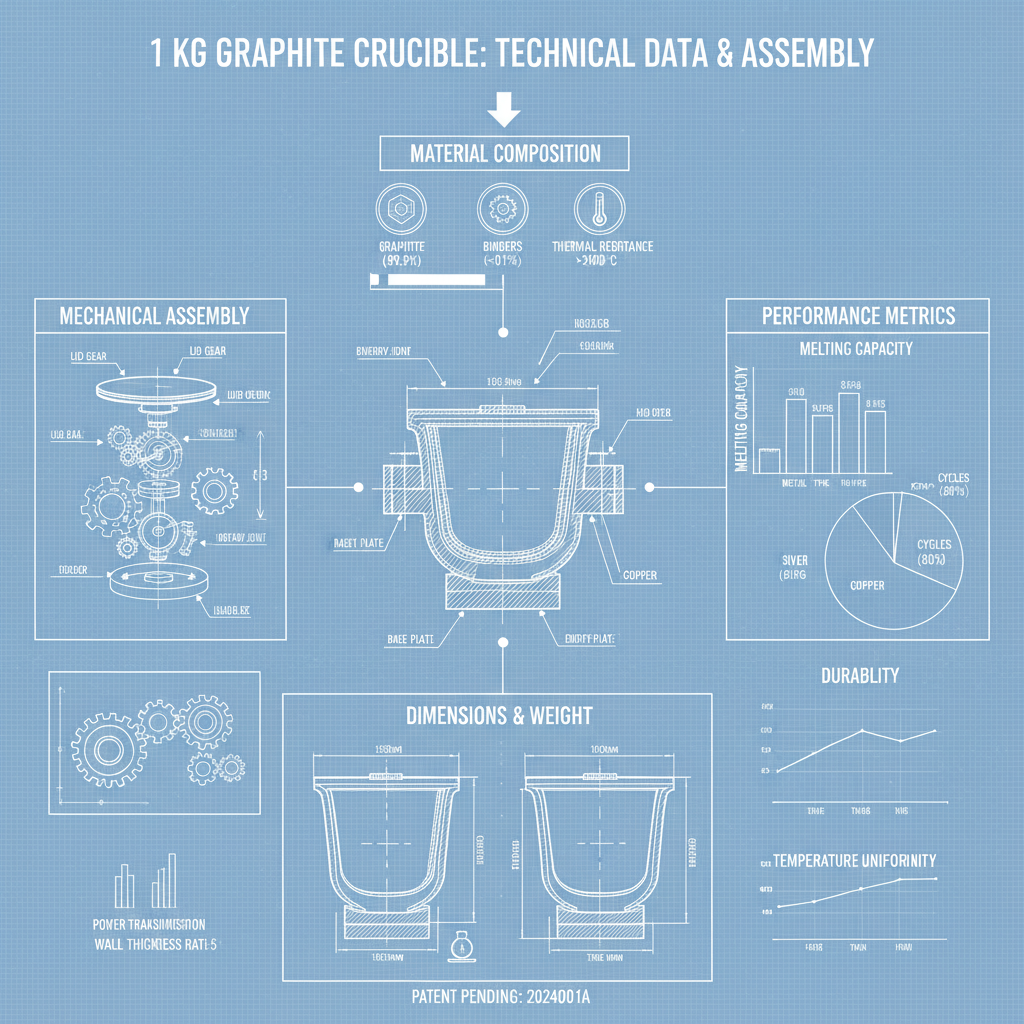
Product Specifications: 1 kg Graphite Crucible
Here's a typical specification sheet for our standard 1 kg graphite crucible:
Conclusion: Investing in Quality Graphite Crucibles
Choosing the right 1 kg graphite crucible is crucial for efficient and reliable high-temperature processing. NL Graphite provides high-quality crucibles, expert advice, and excellent customer support to ensure you get the best solution for your specific needs. Prioritizing quality and performance will result in improved process efficiency, reduced material waste, and a longer service life.
Frequently Asked Questions (FAQs)
What is the recommended heating rate for a graphite crucible?
The recommended heating rate depends on the crucible's size, material, and the type of furnace being used. Generally, a slow and steady heating rate is crucial to avoid thermal shock and cracking. For a 1 kg crucible, a heating rate of 50-100°C per hour is typically recommended up to 600°C, followed by a slower rate of 20-50°C per hour above that temperature. Always consult the manufacturer's guidelines for specific recommendations. Rapid heating can cause uneven expansion and lead to premature failure.
How should I store a graphite crucible to maximize its lifespan?
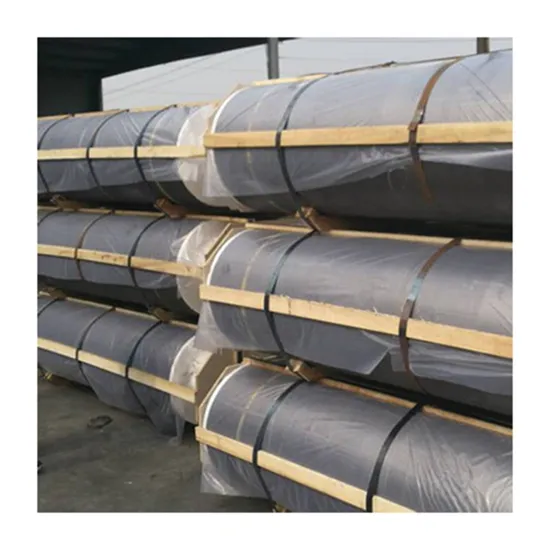
Proper storage is essential for maintaining a graphite crucible's integrity. Store the crucible in a dry, well-ventilated area, away from direct sunlight and moisture. Avoid storing it in contact with metals that could cause oxidation. If possible, store it in its original packaging or a protective container to prevent physical damage. Regular inspection for any signs of moisture or damage is recommended.
Can graphite crucibles be used with oxidizing materials?
Generally, graphite crucibles are not recommended for use with strongly oxidizing materials, such as concentrated nitric acid or potassium permanganate. These materials can react with the graphite, causing it to oxidize and degrade rapidly. Using a crucible with an appropriate protective coating or selecting a different crucible material (such as ceramic) is essential when working with oxidizing materials.
What should I do if I notice a crack in my graphite crucible?
If you notice a crack in your graphite crucible, immediately discontinue use. Even a small crack can propagate under thermal stress and lead to catastrophic failure. Do not attempt to repair the crucible, as this can compromise its structural integrity. Dispose of the damaged crucible safely and replace it with a new one. Investigating the cause of the crack (e.g., thermal shock, overload) can help prevent future failures.
 Pervious
 Next
Next